



Passion, connection, openness: Insights on artistic success from Master Strokes 2026
In this photo essay, we feature more highlights from a group show at India Habitat Centre in New Delhi, and curator insights.


Launched in 2014, PhotoSparks is a weekly feature from YourStory, with photographs that celebrate the spirit of creativity and innovation. In the earlier 1,000 posts, we featured an art festival, cartoon gallery. world music festival, telecom expo, millets fair, climate change expo, wildlife conference, startup festival, Diwali rangoli, and jazz festival.
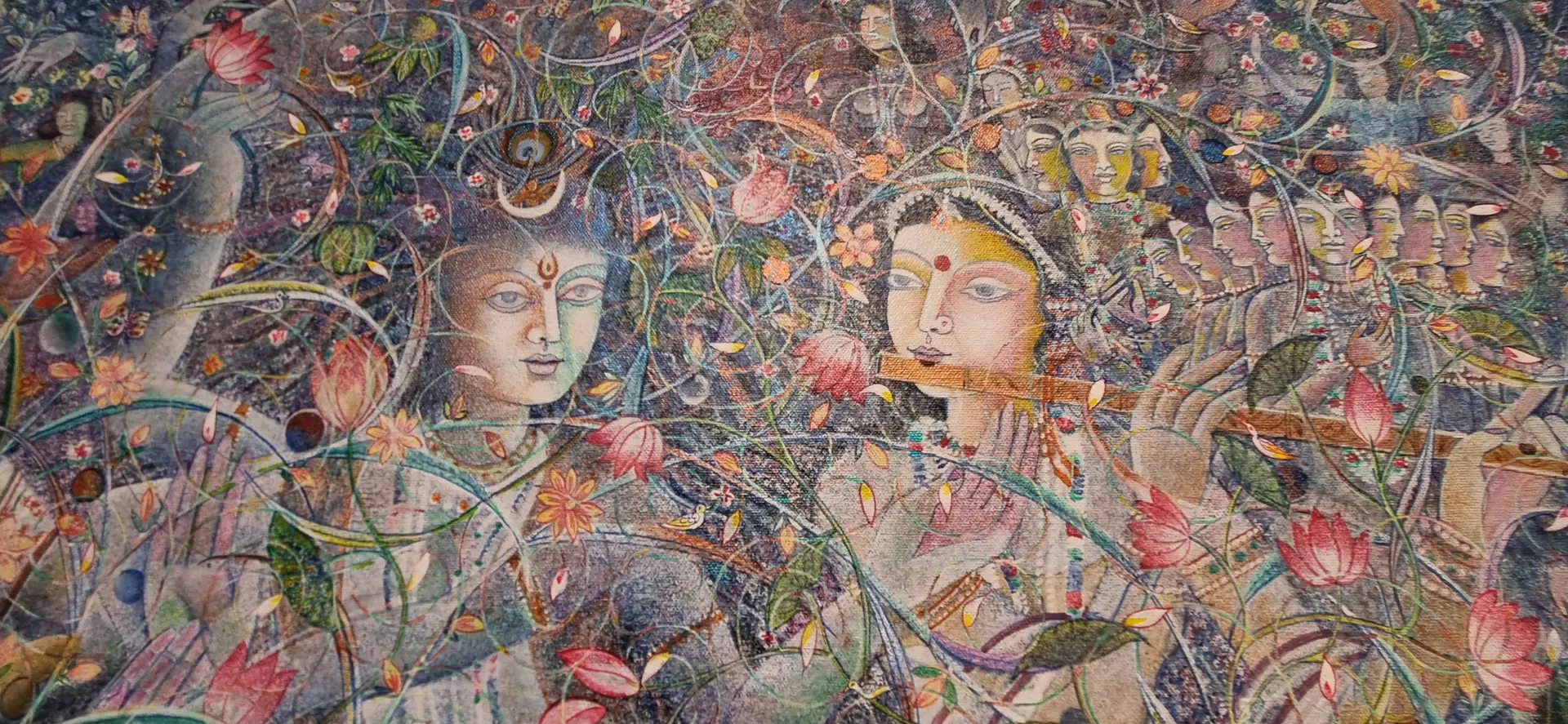
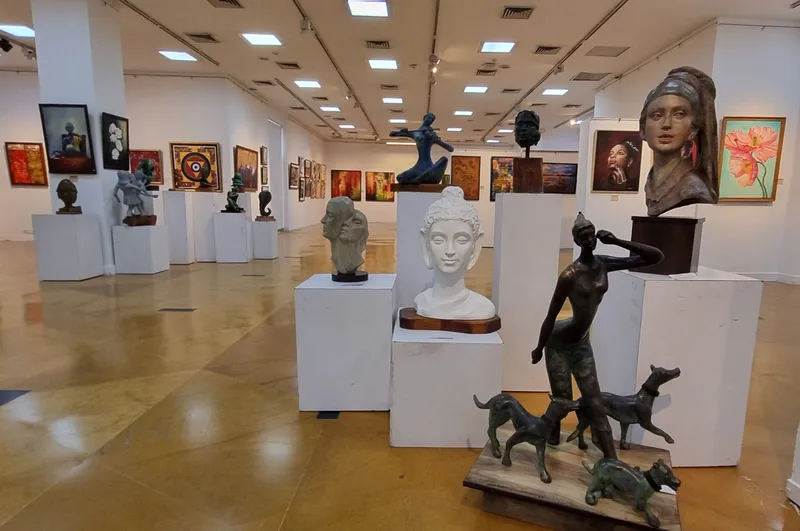
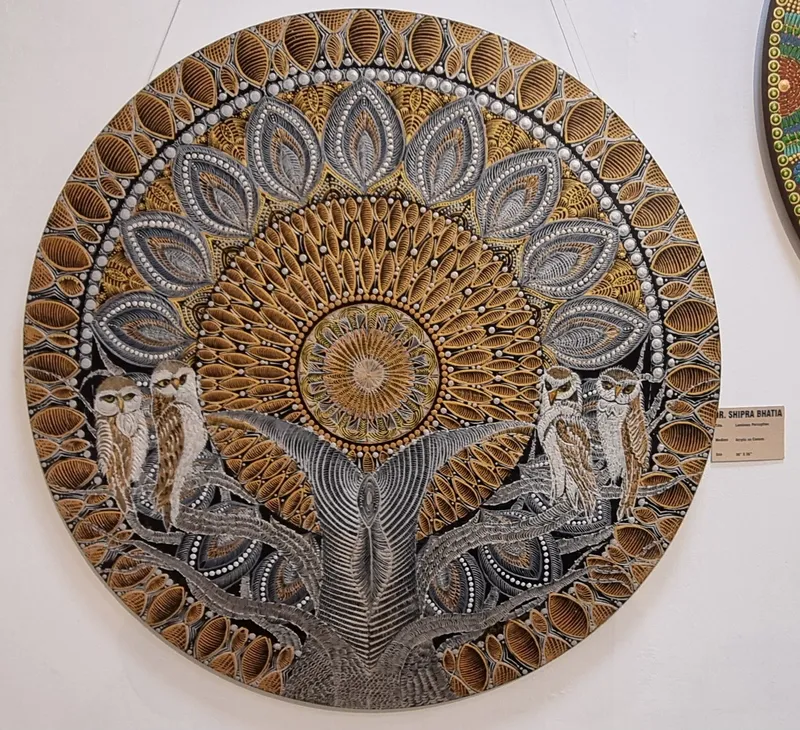
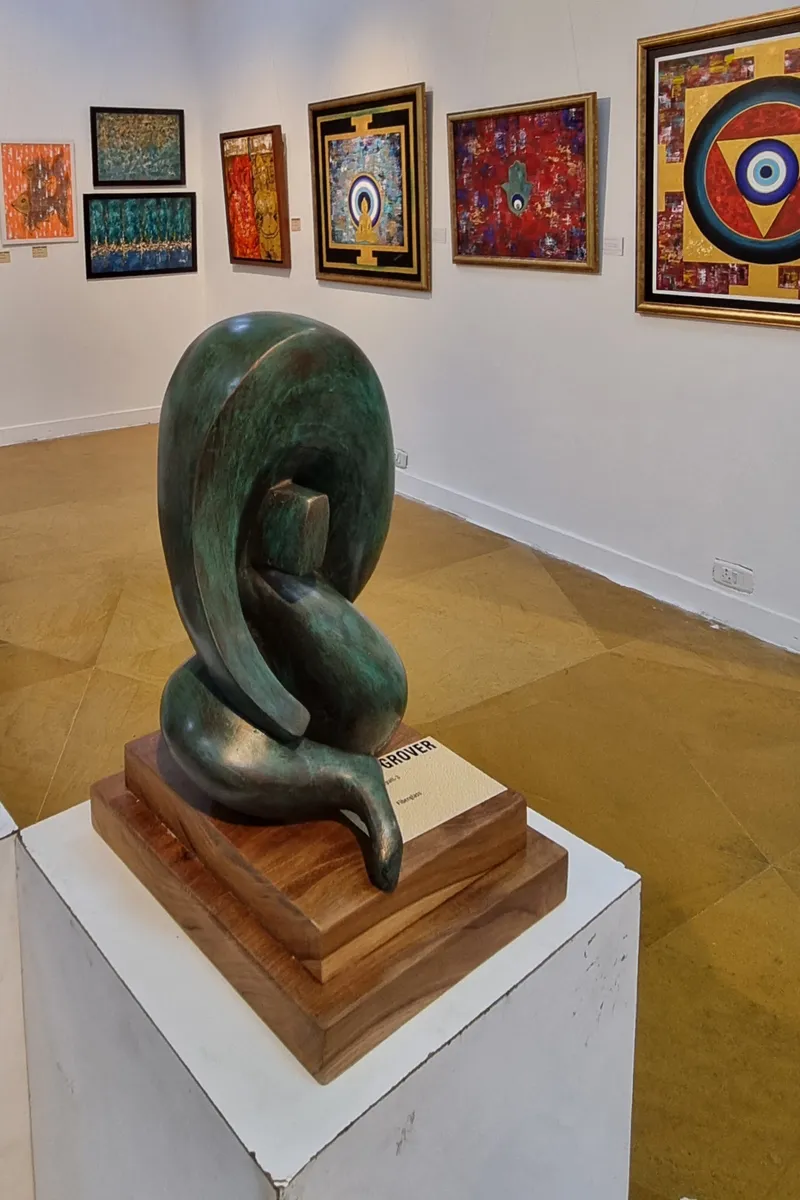
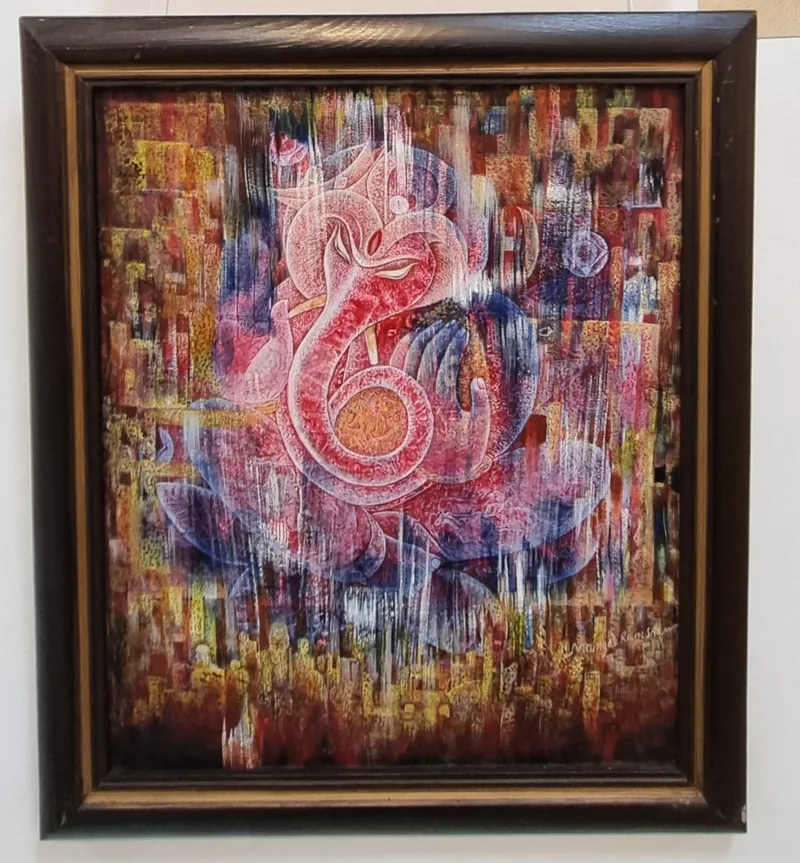
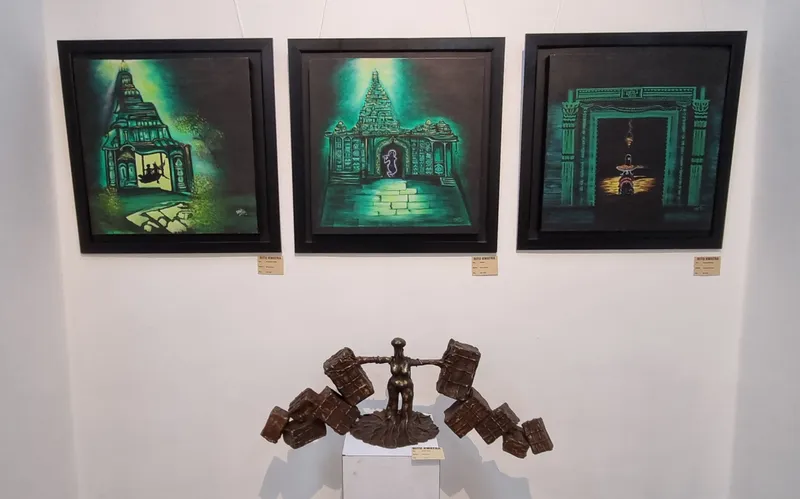
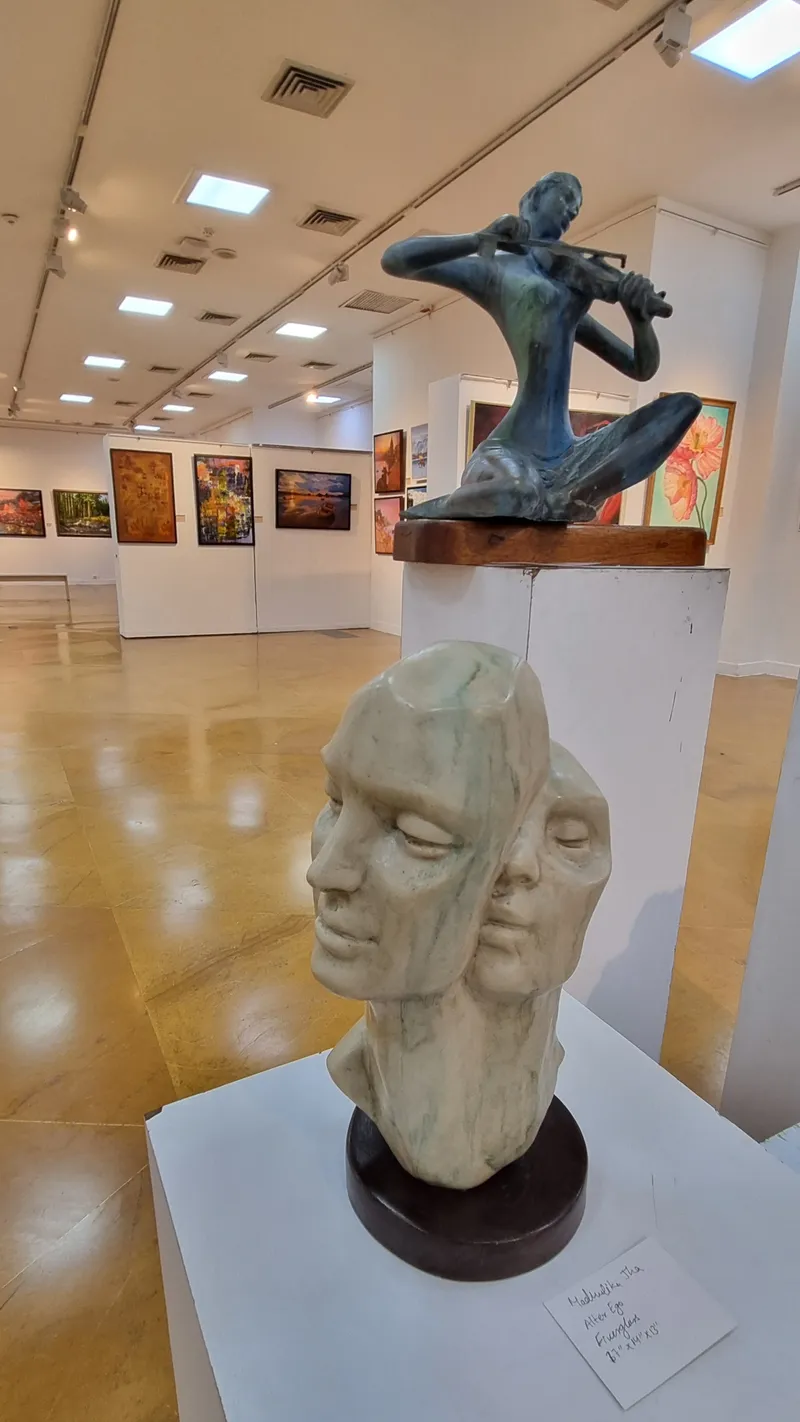
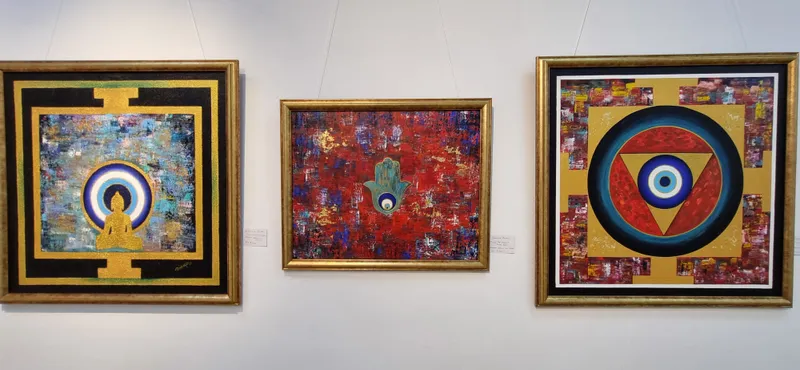
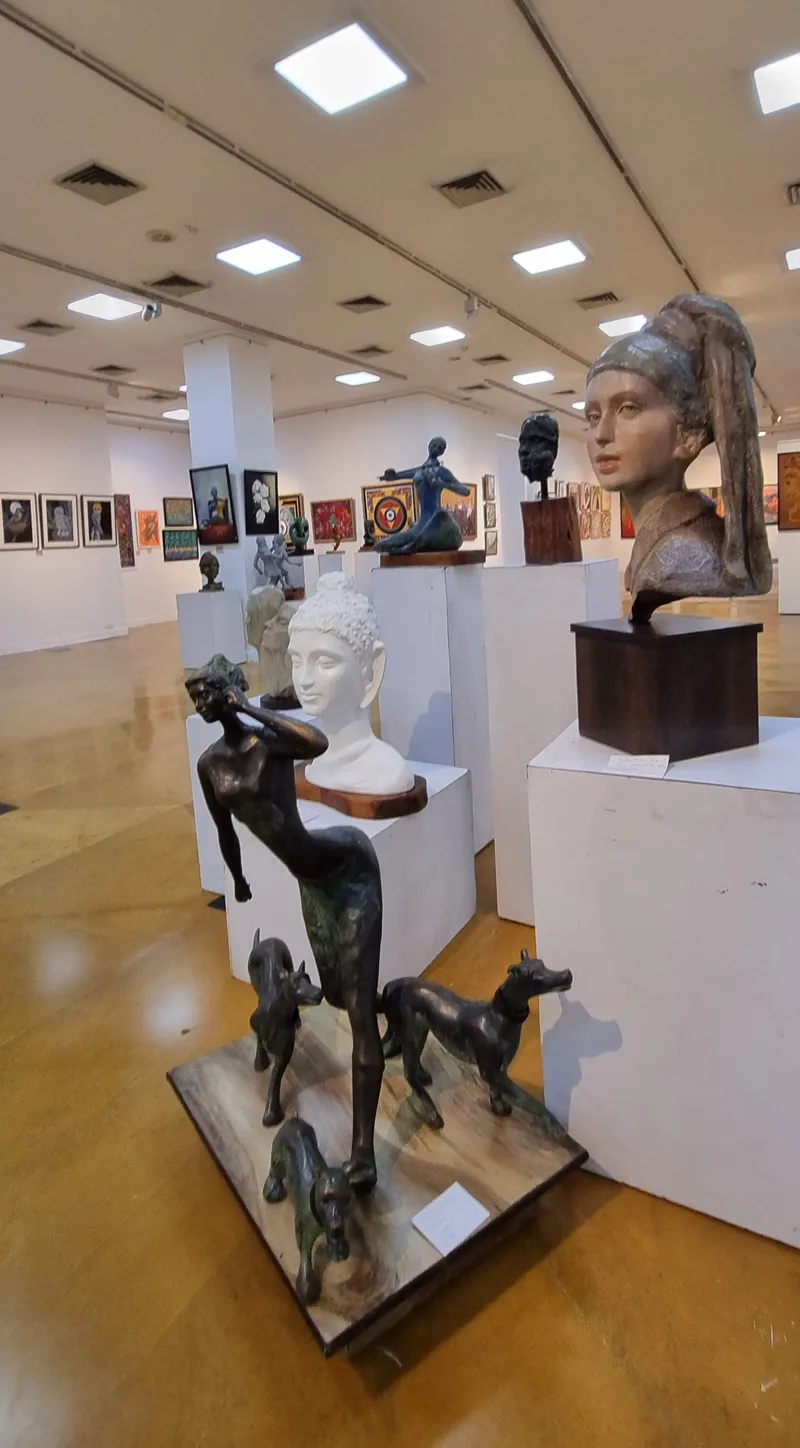
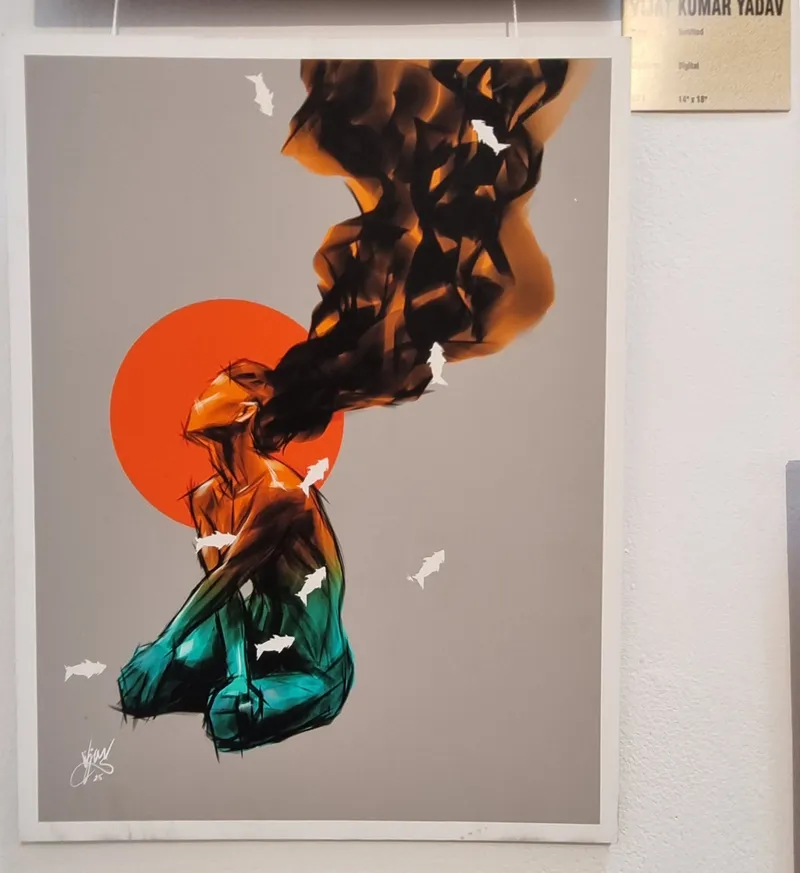
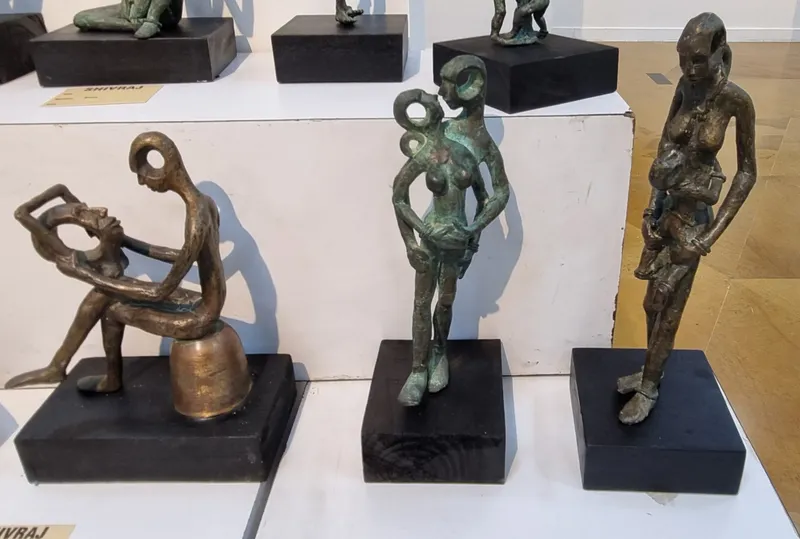
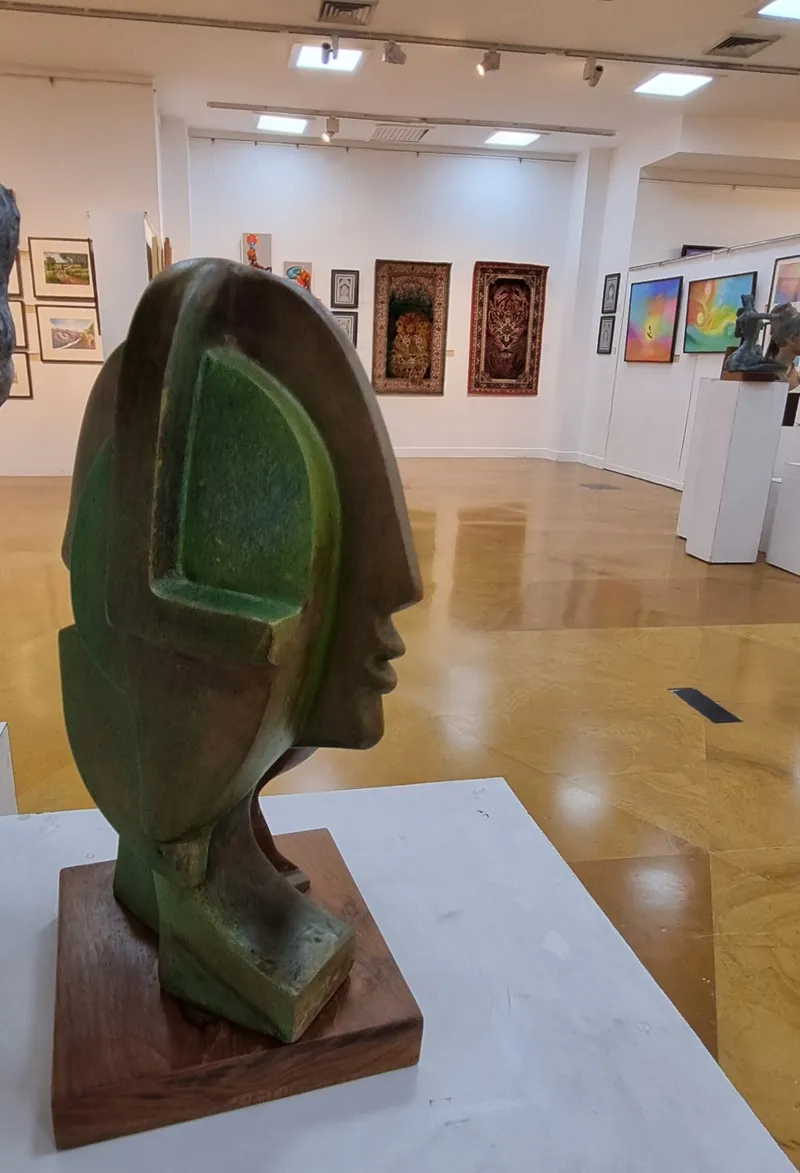
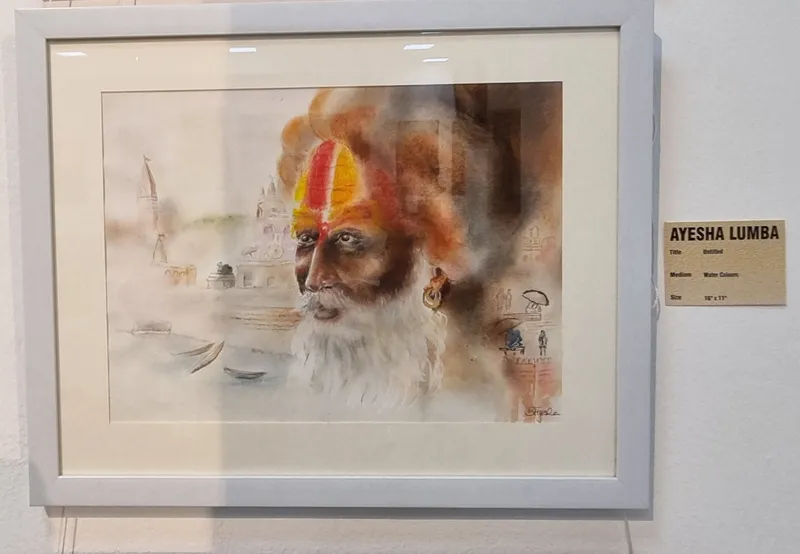
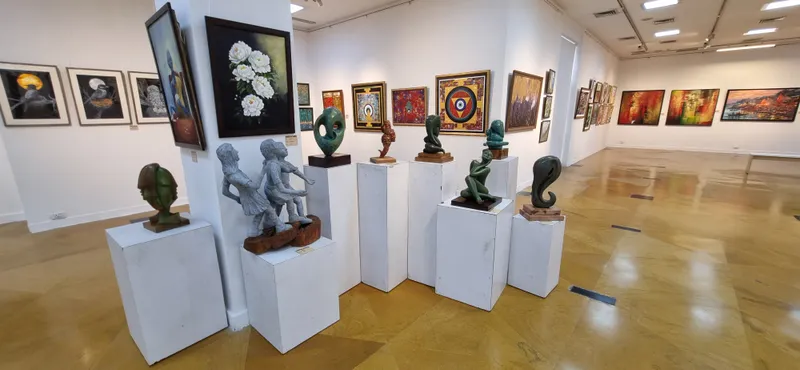
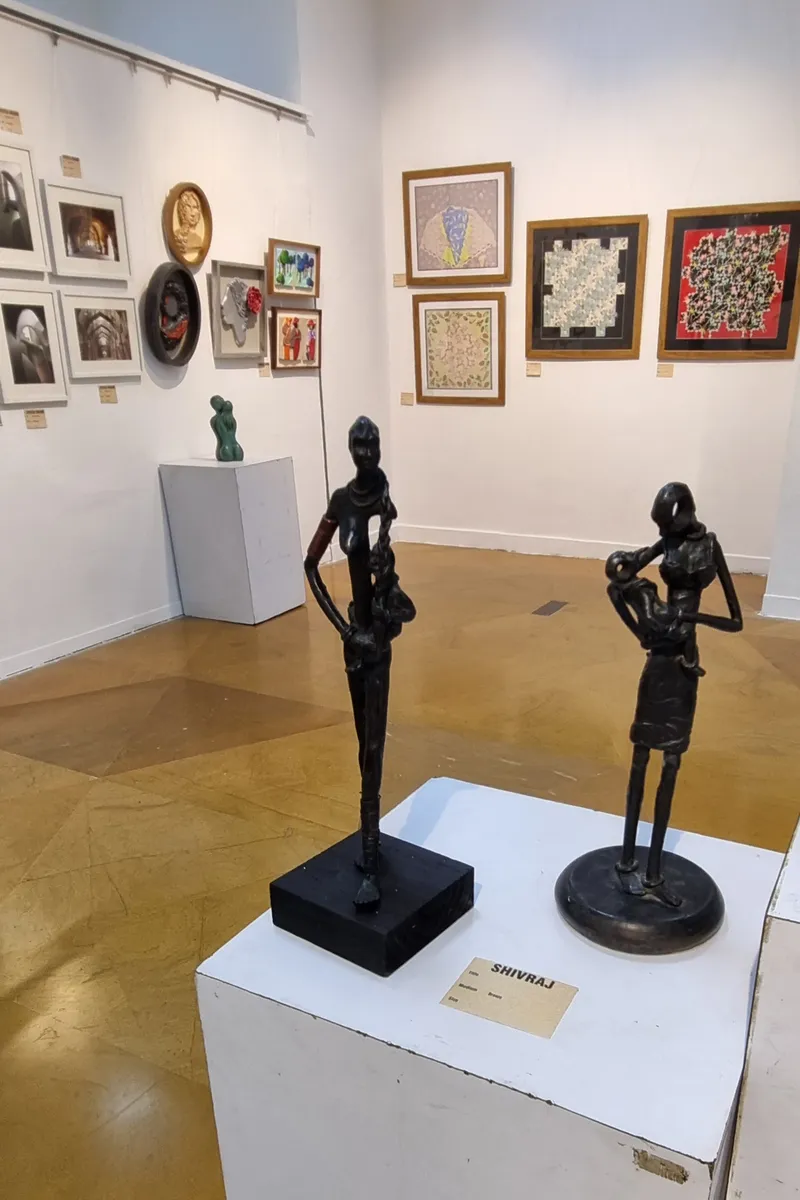
The India Habitat Centre in New Delhi recently featured an exhibition curated by Kishore Labar, featuring the artworks of 36 artists. Titled Master Strokes 2026, this is the eighth group exhibition in the series (see our coverage of earlier exhibitions at this cultural hub here).
Participating artists include Ritu Goel, Ritu Kwatra, Renu Umrao, Shashi Lata, Sneha Roy, Shivraj, Satvik Sharma, Sonam Bhandari, Shama Badhwar, Vijay Pal, Bhavya Sagar, Pooja Kapoor Gehani, and Suneeti Mohanty Willock.
“I work on exhibitions that bring together artists from different generations, regions and artistic approaches. My focus remains on creating meaningful cultural experiences that encourage dialogue between contemporary thought and traditional sensibilities,” Labar tells YourStory.
His exhibitions aim to strengthen public engagement with art. “They create opportunities for emerging talents to exhibit alongside established artists,” he adds.
“Art has the extraordinary power to unite humanity beyond barriers of language, culture, religion, or social background. In today’s fast-moving and digitally distracted world, art reminds us to pause, reflect, feel, and reconnect with ourselves and with one another,” he observes.

He grew up among the hills of Kalimpong, whose natural beauty influenced his appreciation for art. His creative journey was later shaped by artist and mentor Manju Narain, who provided invaluable guidance and support.
“For me, curating is not simply arranging artworks on walls — it is the process of creating a visual and emotional journey. The creative process begins with understanding the core vision of the exhibition and selecting artists whose works resonate with one another,” he explains.
The display is then designed in a way that creates harmony, movement and emotional depth. “Every exhibition becomes a living narrative where each artwork contributes to a larger conversation,” Labar describes.
“For me, success is not measured only through awards, recognition or commercial achievements. True success lies in the ability to create opportunities for artists, especially emerging talents, and to build meaningful relationships between art and society,” he affirms.
Exhibitions can inspire thought, emotionally touch people, and encourage aspiring artists. “If the exhibition leaves behind a lasting cultural impact, I consider that a true success,” he says.
“As a curator, my greatest satisfaction comes from seeing artists grow with confidence. It also comes from seeing audiences connect deeply with creativity and expression,” he adds.

He expresses gratitude for being able to contribute to strengthening the cultural landscape through exhibitions. “My journey has always been guided by the belief that art is not only meant to be seen — it is meant to be experienced, shared and lived,” he says.
Even during the pandemic lockdowns, he continued to remain actively connected with the art community. “During that difficult period, I organised several online webinars, artist talks, and virtual interactive sessions to keep artistic dialogue alive and to support artists emotionally and creatively,” he recalls.
Labar offers tips as well to the artistic community. “My advice to young artists is to remain honest to their creativity and be patient with their journey," he suggests.
Artistic growth takes time, discipline, observation, and continuous learning. "Trends may change with time, but originality, sincerity and emotional truth always remain timeless," he affirms.
"Artists should stay connected to their roots while remaining open to experimentation and new ideas. Most importantly, they should believe in their own artistic voice and never allow temporary struggles or rejection to weaken their passion,” Labar signs off.
Now what have you done today to pause in your busy schedule and harness your creative side for a better world?
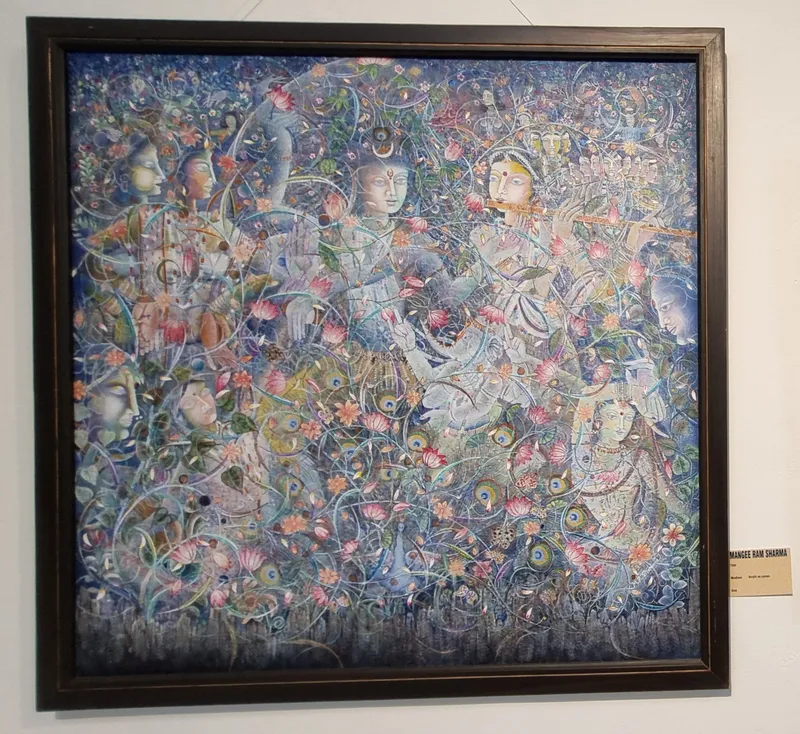
(All photographs taken by Madanmohan Rao on location at India Habitat Centre.)