



Photography for a cause: How wildlife photography inspires support for nature
In this photo essay, we feature more highlights from a wildlife photography exhibition at Karnataka Chitrakala Parishath.


Launched in 2014, PhotoSparks is a weekly feature from YourStory, with photographs that celebrate the spirit of creativity and innovation. In the earlier 1,000 posts, we featured an art festival, cartoon gallery. world music festival, telecom expo, millets fair, climate change expo, wildlife conference, startup festival, Diwali rangoli, and jazz festival.
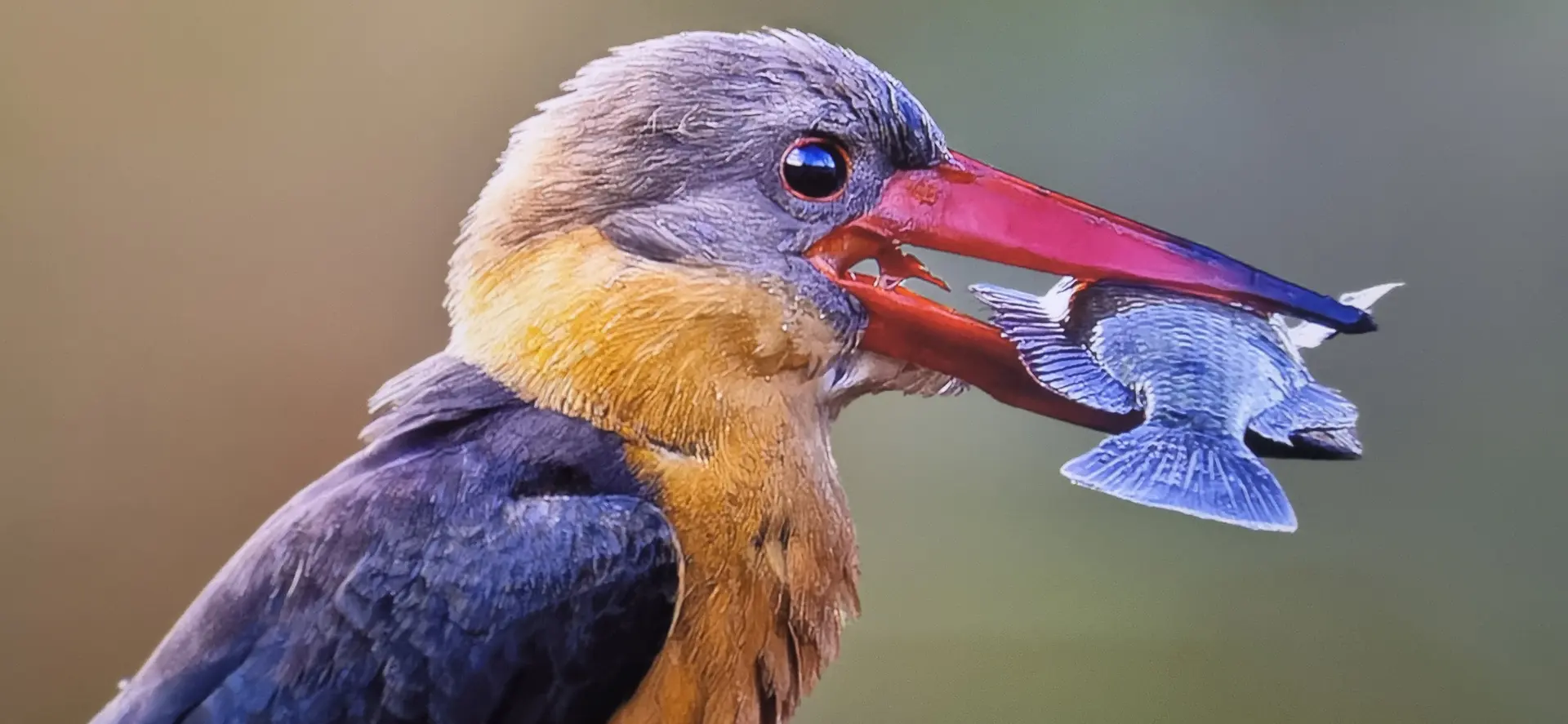
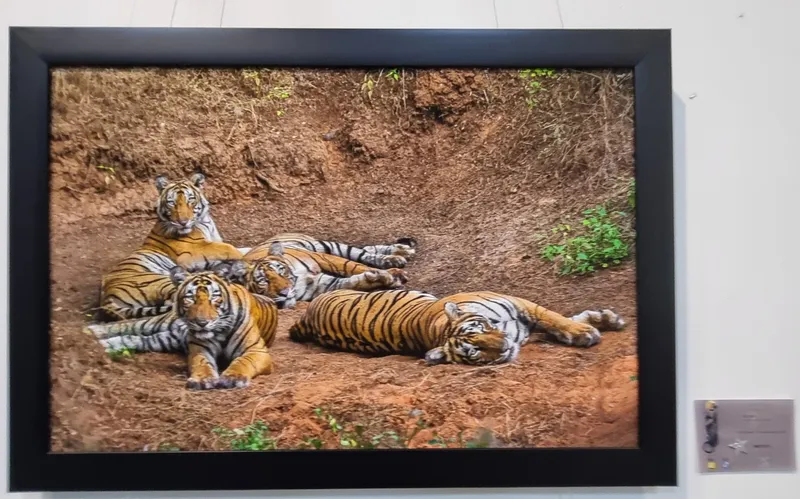
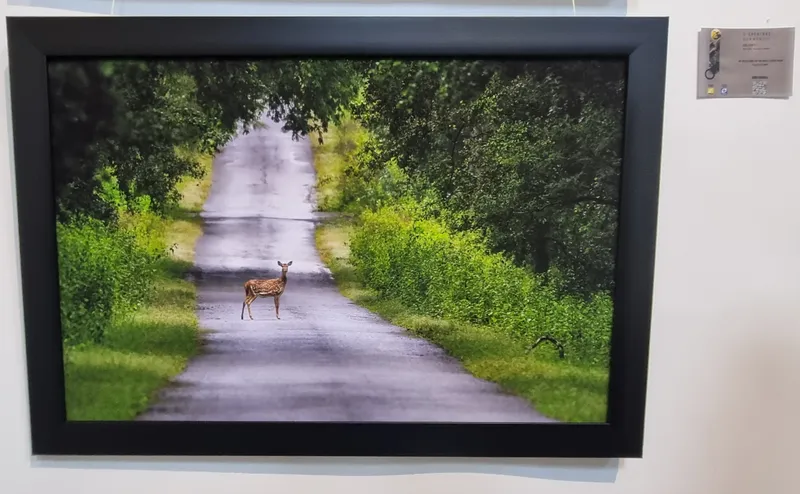
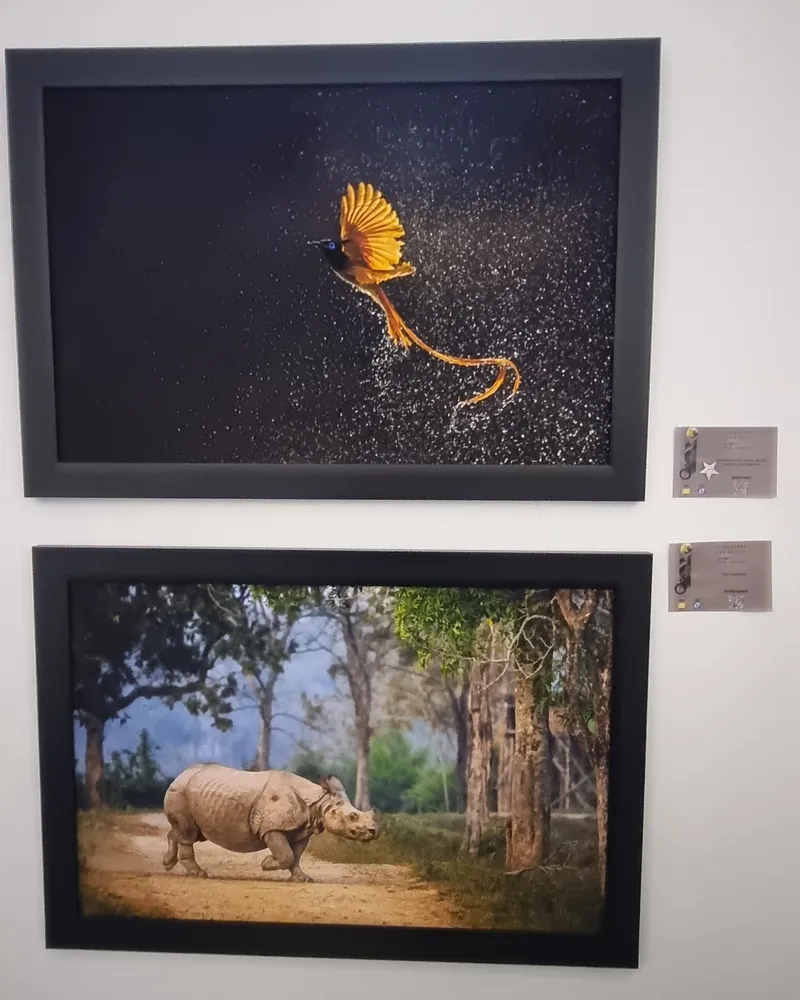
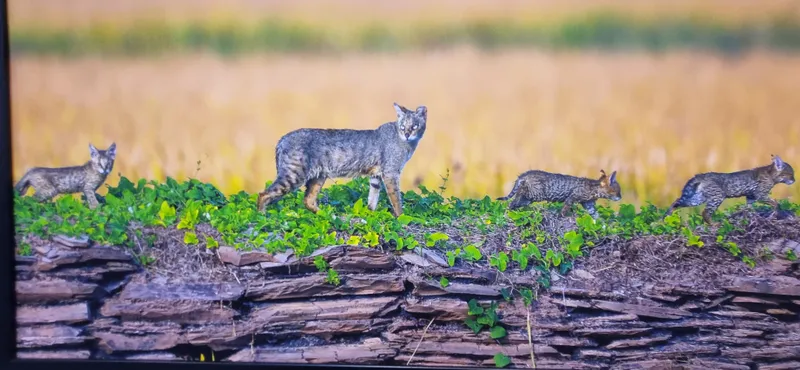
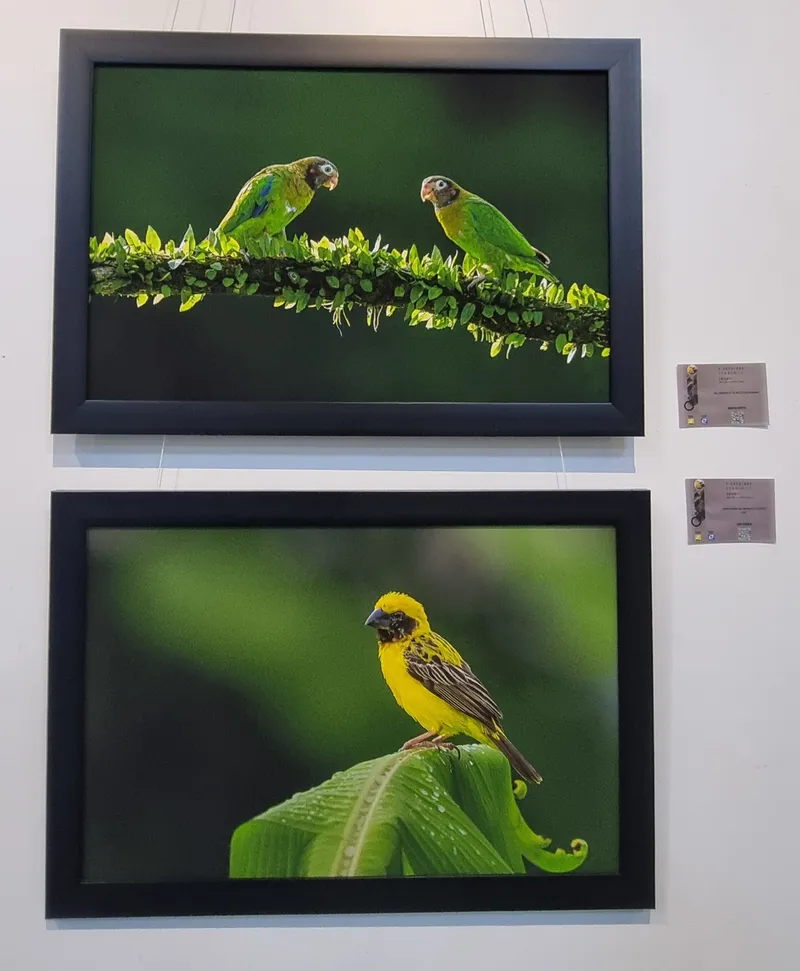
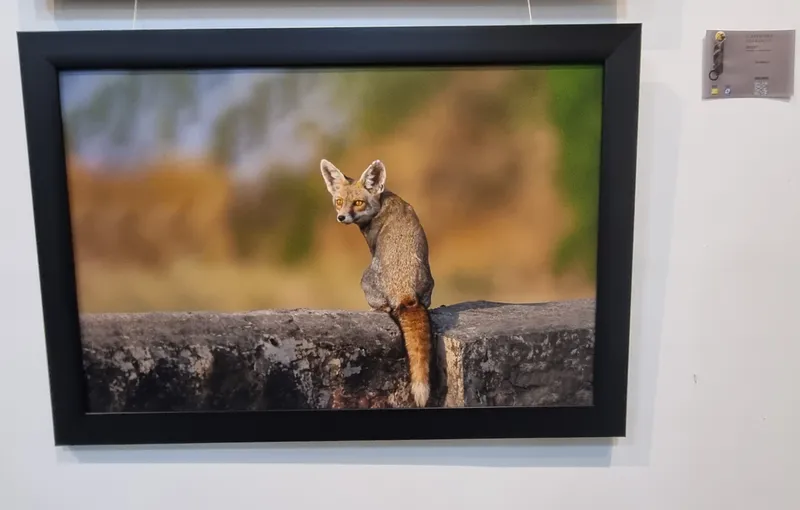
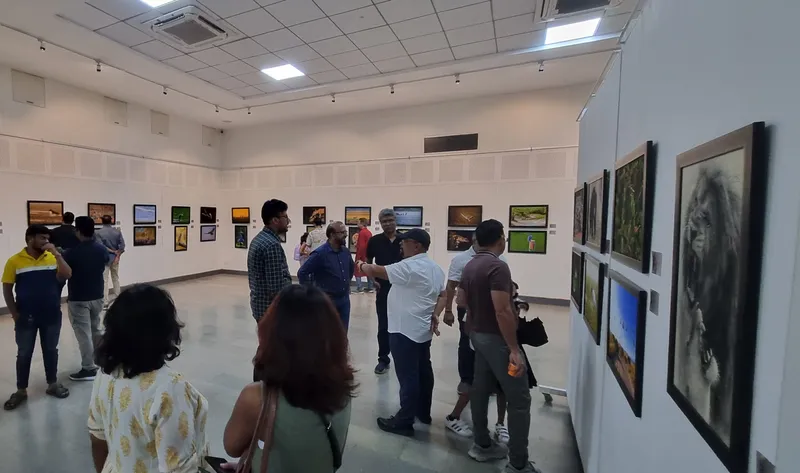
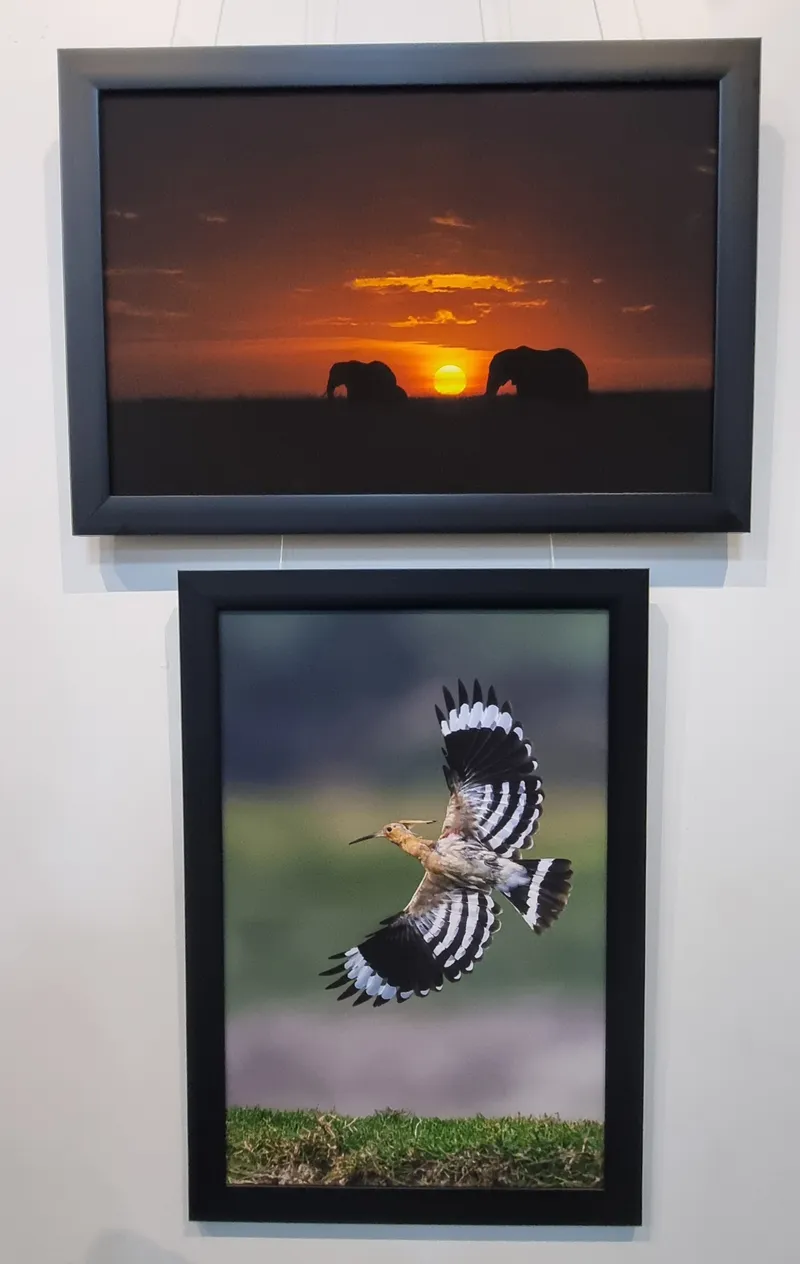
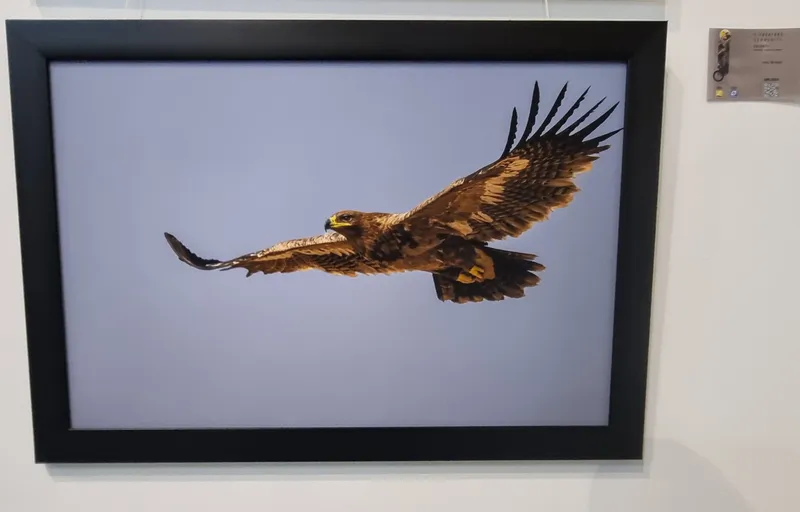
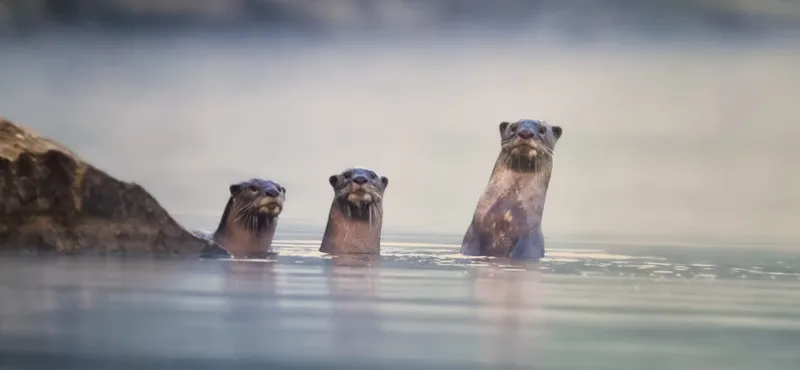
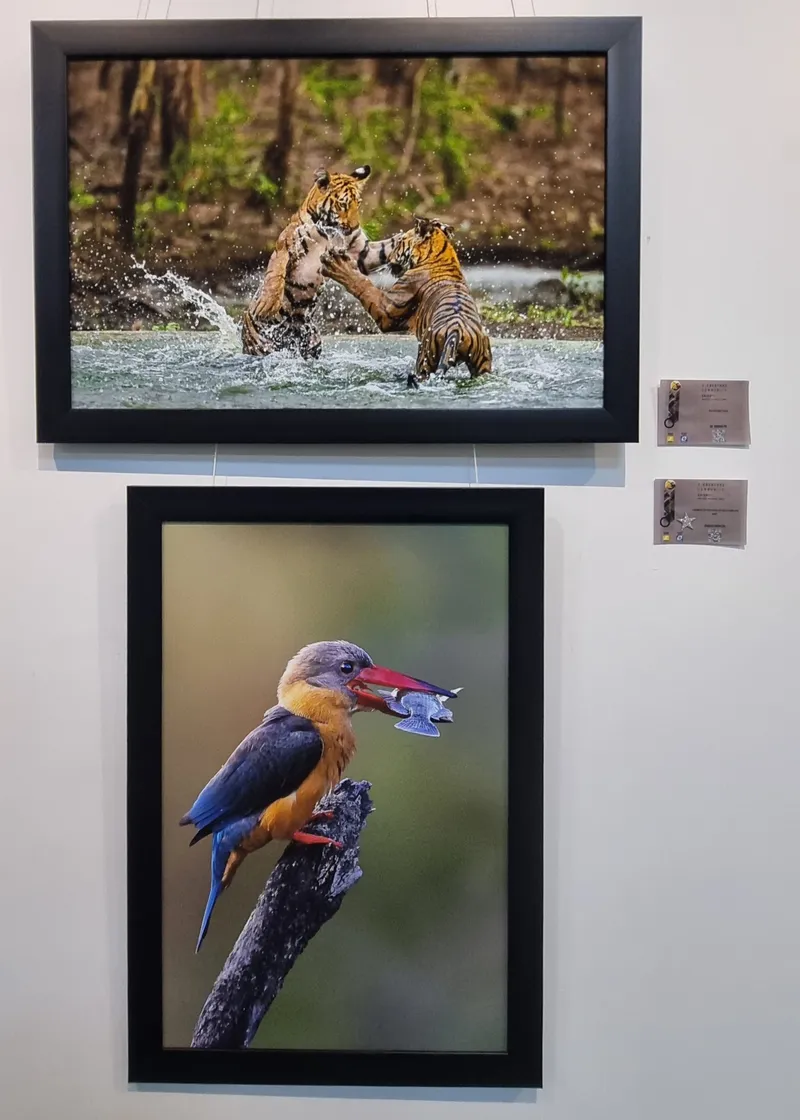
Karnataka Chitrakala Parishath (KCP) recently hosted an oustanding exhibition on the occasion of World Photography Day, titled Photography for a Cause. The focus was on India's biodiversity, fragile ecosystems, birdlife, and the realities of human-wildlife coexistence.
It was organised by The Z Creators Collective, a photography community centred around visual storytelling, with the works of over 60 photographers. See our coverage of earlier exhibitions at this popular Bengaluru cultural hub here. KCP’s most popular event is the annual Chitra Santhe, regarded as India’s largest street fair for art.
“The Z Creators Community was founded in January 2023 as a knowledge-sharing forum for early adopters of Nikon's flagship Z9 mirrorless camera. At the time, many photographers were transitioning from DSLRs to mirrorless systems,” Naveen Kumar S, exhibition organiser and Z Creators Community administrator tells YourStory.
Mirrorless systems brought entirely new capabilities such as AI-assisted subject detection, advanced autofocus tracking, and new shooting workflows. “What began as a small technical support group soon evolved into a vibrant community of wildlife and nature photographers who learn, travel, mentor, and grow together,” Naveen recalls.
“Today, the community has become much more than a discussion group. It serves as a platform where members share field experiences, photography techniques, post-processing workflows, travel insights, and a common passion for nature and conservation,” he adds.

Photographers everywhere share the same desire to learn from one another. “Our community is one example of how that spirit of collaboration can thrive,” he says.
The exhibition was supported by Nikon India and Leofoto. More than 1,500 people visited the exhibition over three days. Families, students, photographers, birdwatchers, and first-time visitors spent time discussing images, sharing stories, and engaging with nature through photography.
The Bengaluru community of photographers has 170 members. “We are built around knowledge sharing, mentorship, and fostering a supportive environment where photographers can improve their skills and appreciate nature and life through photography. If anyone meets these criteria, they can join us,” Naveen explains.
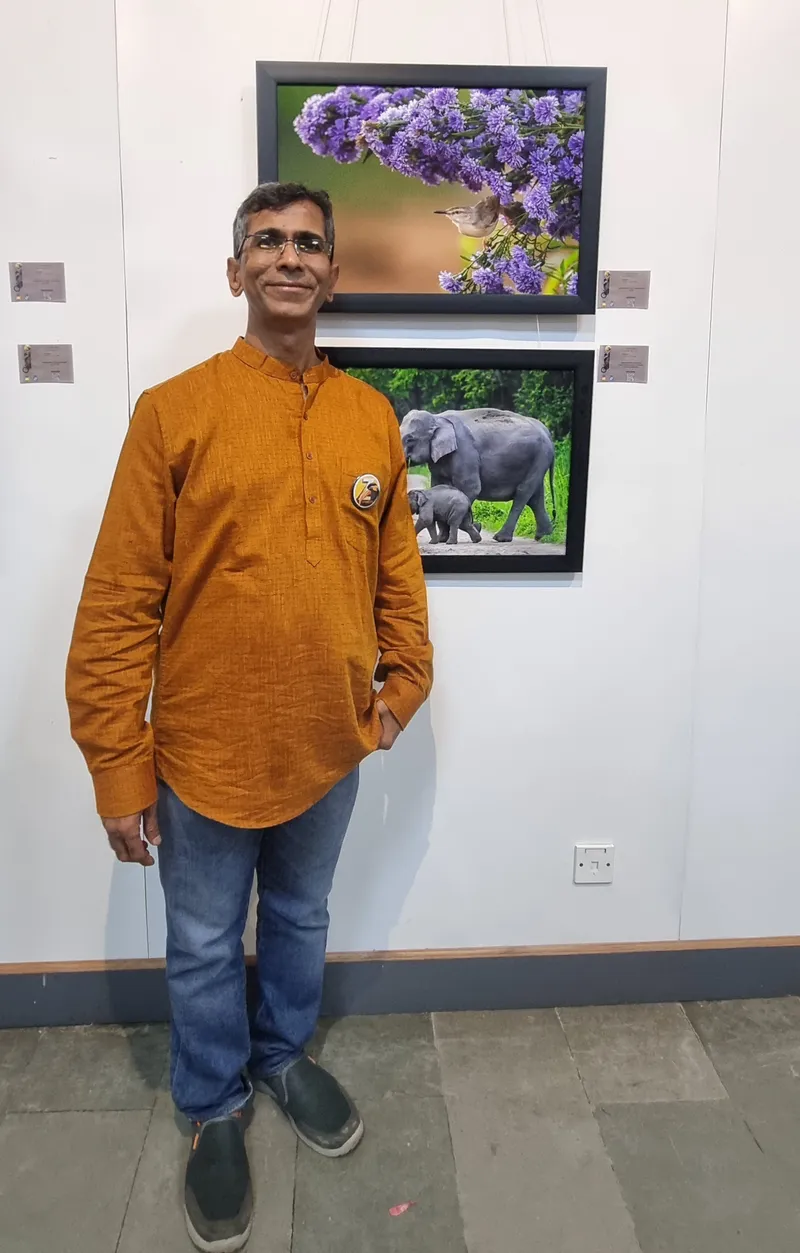
Naveen Kumar S
“The exhibition was open to all members of our community. Given the available display space, we could accommodate approximately 95 photographs, so a careful selection process was necessary in order to coincide with World Environment Day,” he says.
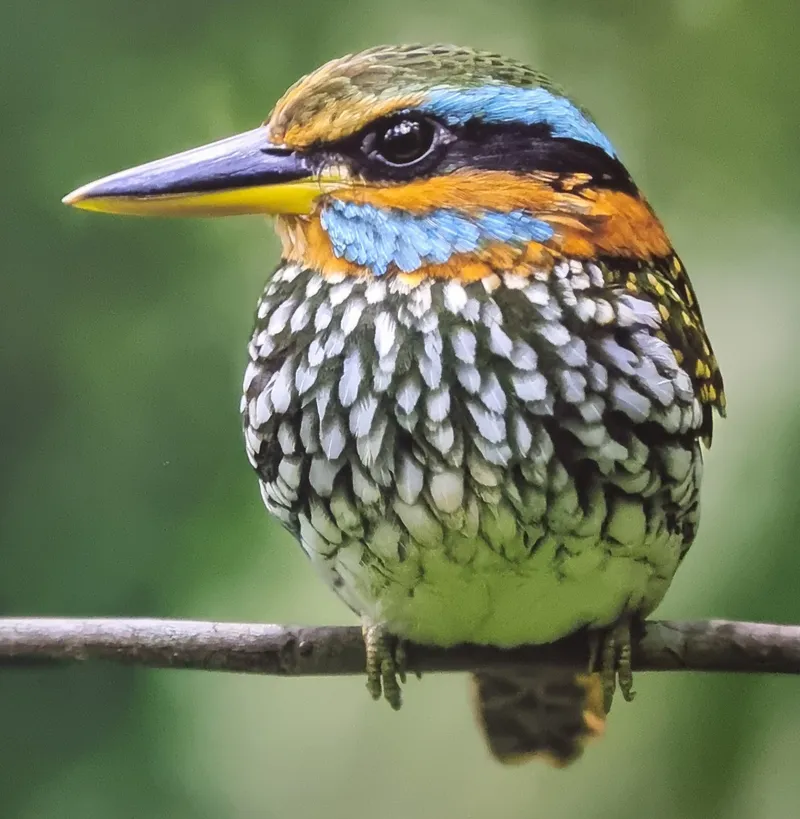
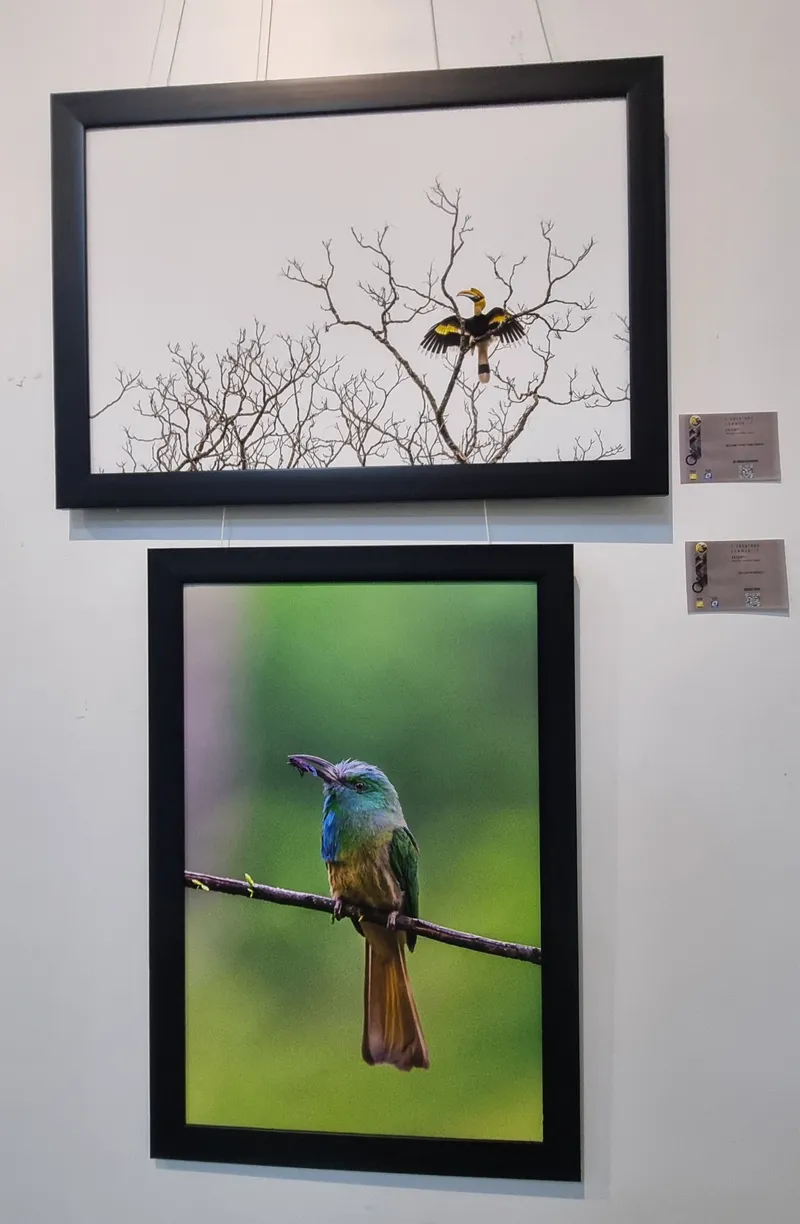
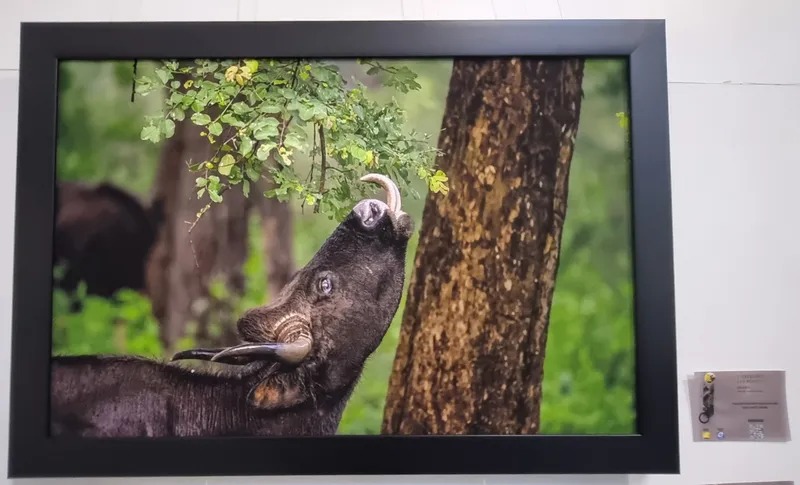
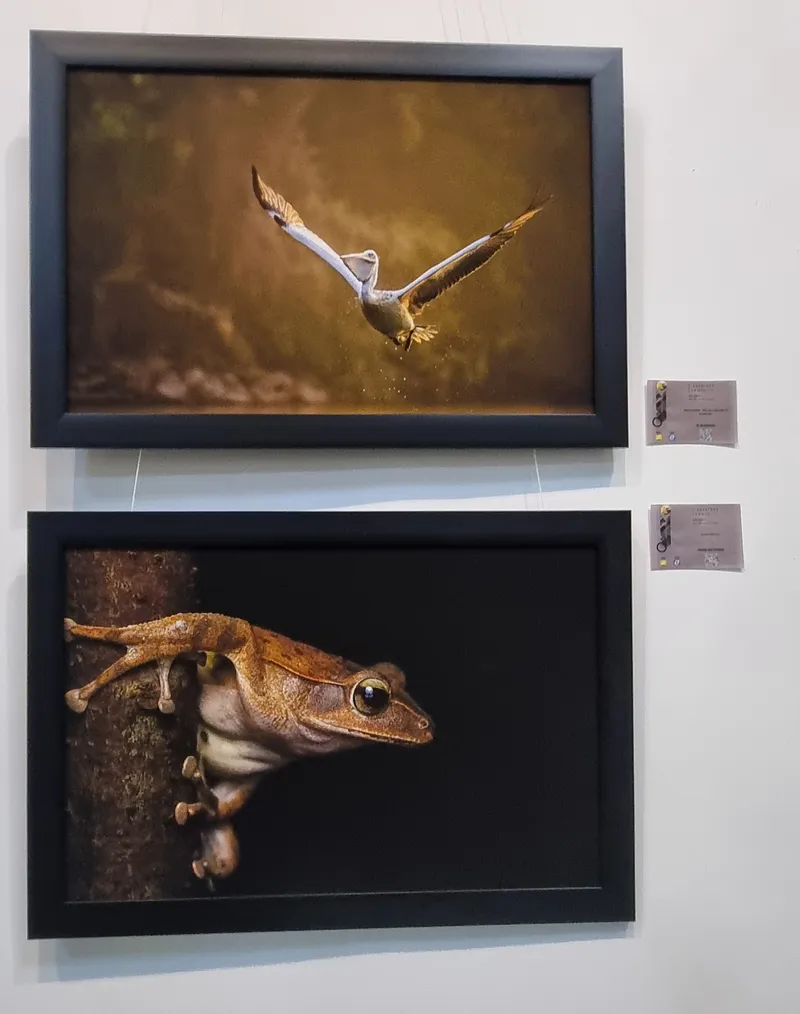
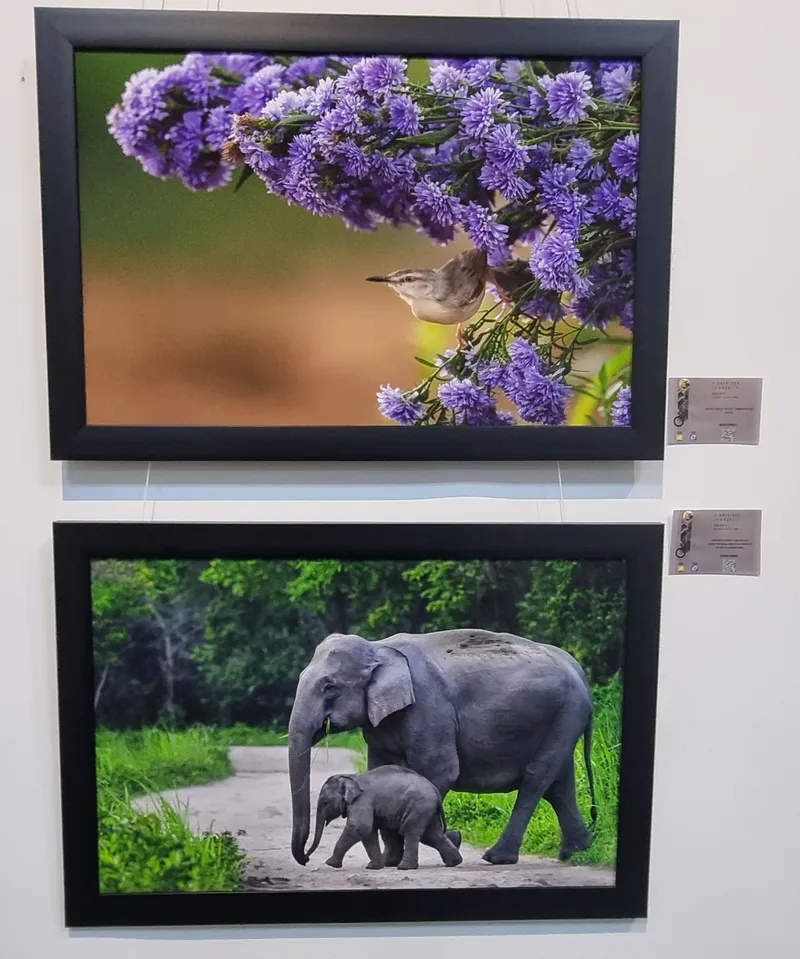
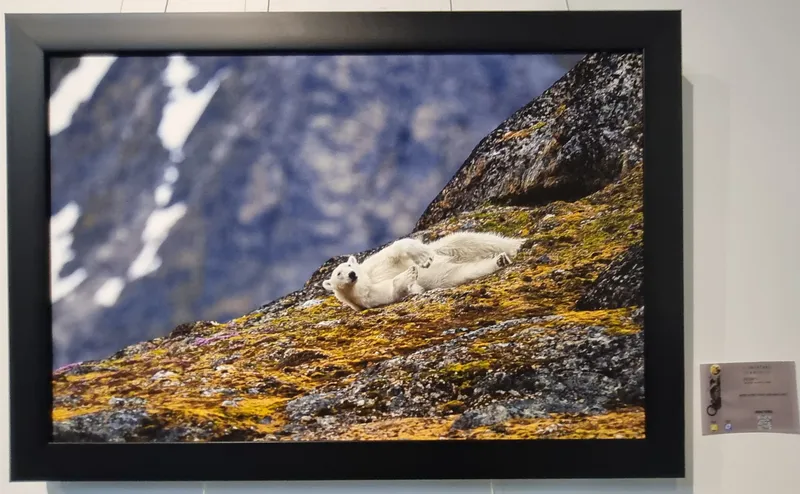
There was a conscious focus to move beyond the traditional themes of big cats and iconic wildlife. “The final collection includes birds, mammals, insects, landscapes, behavioural moments, and images that showcase the diversity and beauty of the natural world,” he describes.
Six experienced jurors evaluated the submissions through multiple rounds, and several photographers refined and resubmitted their entries based on feedback. “Shortlisted images then underwent further review for impact, composition, light, storytelling, emotional connection, and technical excellence,” he adds.
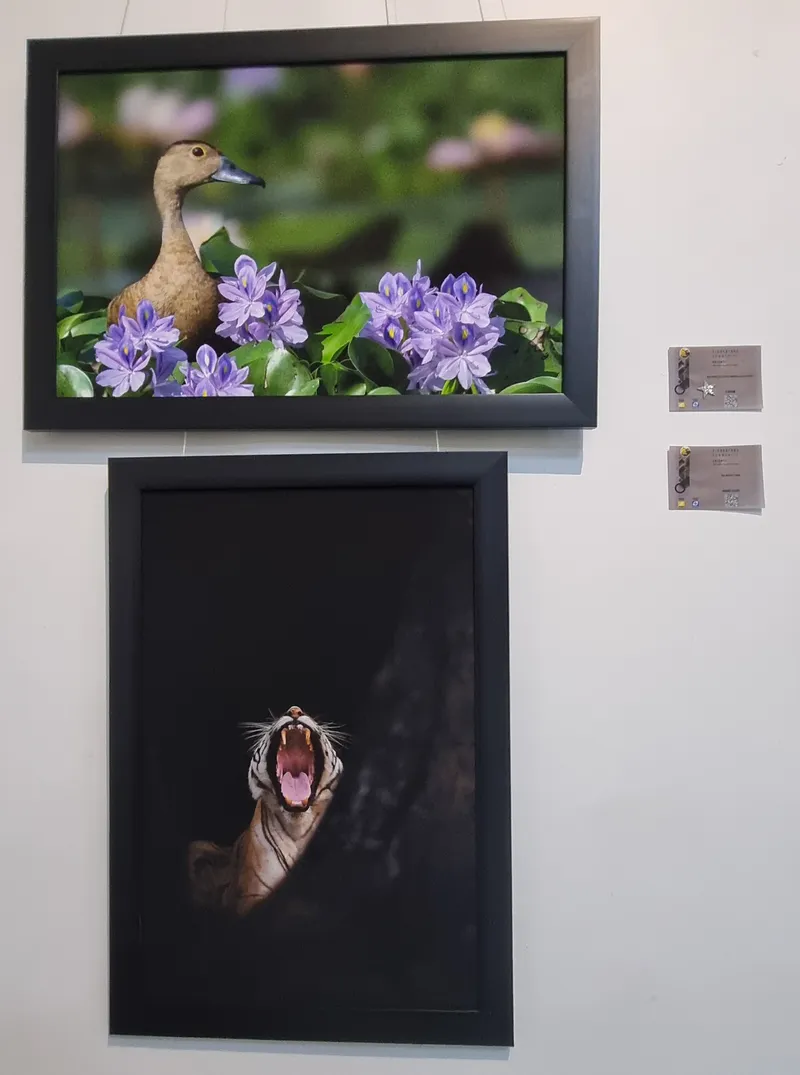

“In the final stage, we worked to create a balanced exhibition. It combined wide-angle and close-up perspectives, dramatic and subtle moments, as well as rare encounters and relatable everyday wildlife experiences,” he says with pride.
Describing his journey in this space, Naveen says he felt a deep connection to nature and photography since childhood. “For me, photography is not just about taking a picture – it is an invitation to step outdoors, slow down, and marvel at the natural world,” he explains.
Birding, in particular, has become a form of meditation. “It helps me disconnect from the noise of everyday life and reconnect with nature. Every outing teaches me something new and reminds me how much beauty and diversity exists around us,” he describes.
Naveen has a master's degree in engineering, and leads an innovation team at a multinational IT company. “My day job involves adapting cutting-edge technologies to build modern products and solutions,” he says.
“It is highly analytical work. Photography provides a vital creative counterweight. It clears my mind, keeps my perspective fresh, and ironically gives me more energy and focus when I return to my tech day job,” he explains.
The photography community regularly organises bird walks, photography outings, field trips, image review sessions, mentoring programs, and knowledge-sharing events. In October last year, they organised a two-day Creative Nature Photography Workshop by renowned photographer Saurav Desai.
“In January this year, we conducted a three-day birding and photography expedition to Mangalajodi in Odisha. This was followed by post-trip image reviews and learning sessions in February,” Naveen says.
Other featured experts were Mohan Thomas (wildlife photography and visual storytelling), Anantha Murthy (wildlife in South America and Antarctica), and Prakash Matada (cinematography and visual narratives).
“Before every field trip, experienced members conduct detailed briefing sessions covering destinations, likely subjects, camera settings, creative possibilities, fieldcraft, ethical photography practices, and practical tips. Members who have previously visited a location share their experiences to help others prepare effectively,” Naveen explains.
Newer members are paired with experienced photographers, and these pairings are rotated to ensure broad exposure to different shooting styles, approaches and field techniques. “This mentoring model has been one of the most valuable aspects of the community, helping members accelerate their learning in a supportive environment,” he adds.
The community has also built a digital knowledge base that members can access for guidance on photography techniques, equipment, image processing workflows, travel planning, and field practices. “Many members regularly create videos, screen recordings of their techniques, and share them with the community. Senior members get onto calls to help or process pictures to show the art of the possible,” Naveen says.
“At its core, the community is built on a simple idea: photographers learn fastest when they learn together, share openly, and help one another succeed,” he affirms.
As emerging trends in the world of photography, he points to the rise of AI. “Every major technological advancement tends to make a medium more accessible and often encourages wider participation rather than reducing interest in it,” Naveen explains.
“The truth is that photographers have been benefiting from AI for years, often without realising it. Features such as autofocus tracking, subject detection, noise reduction, image stabilisation, and intelligent editing tools are all built on sophisticated machine learning and computational photography techniques,” he observes.
“Modern flagship mirrorless cameras can identify and track the eyes of birds and animals even in cluttered environments where older systems would struggle. Editing software can automatically remove sensor dust, isolate subjects, and assist with complex post-processing tasks,” Naveen says.
More recently, photographers have started using generative AI as a collaborative tool for image critique, learning and creative exploration. “That said, photography ultimately remains about observation, patience, storytelling, timing, and personal vision. Technology can help us capture an image more effectively, but it cannot replace the experience of being present in nature and recognising a meaningful moment when it unfolds,” he adds.
“Like any powerful tool, AI can be used thoughtfully to enhance creativity or used excessively in ways that diminish authenticity. All photographers have to decide where to draw that line based on their own artistic and ethical values,” he emphasises.
Around 50 photographs were sold during the KCP exhibition. “The net proceeds are being contributed directly to the Karnataka Forest, Wildlife and Climate Change Foundation (KFWCCF). This is the official institutional fund established by the Karnataka Forest Department to systematically channel corporate and public conservation funds directly into state-level environmental initiatives,” Naveen says.
The community plans more expert-led talks this year. Some of them aim to expose members to different genres of photography beyond wildlife.
“We are also planning an intensive three-day field expedition for members to practice and master advanced camera techniques in real-time environments,” he adds.
Naveen has inspiring messages for audiences. “The natural world is far richer and more diverse than most of us realise. One of the things photography has taught me is that you do not have to travel to a remote forest or national park to experience nature. Birds, butterflies, insects, and countless fascinating forms of life exist all around us, even in the middle of our cities,” he says.
Seeing people connect with both photography and conservation in a positive way at the exhibition was a rewarding outcome for the organisers. “If visitors walk away from this exhibition with a greater sense of wonder, curiosity and appreciation for the biodiversity that surrounds us, then we would consider it a success,” he explains.
“When people begin to appreciate nature, they naturally become more invested in protecting it,” Naveen signs off.
Now what have you done today to pause in your busy schedule and harness your creative side for a better world?
(All photographs taken by Madanmohan Rao on location at Karnataka Chitrakala Parishath.)