



4 Books that explore what it means to live a good life
Discover 4 thought-provoking books that explore purpose, happiness, virtue, and meaning while offering practical lessons for living well.

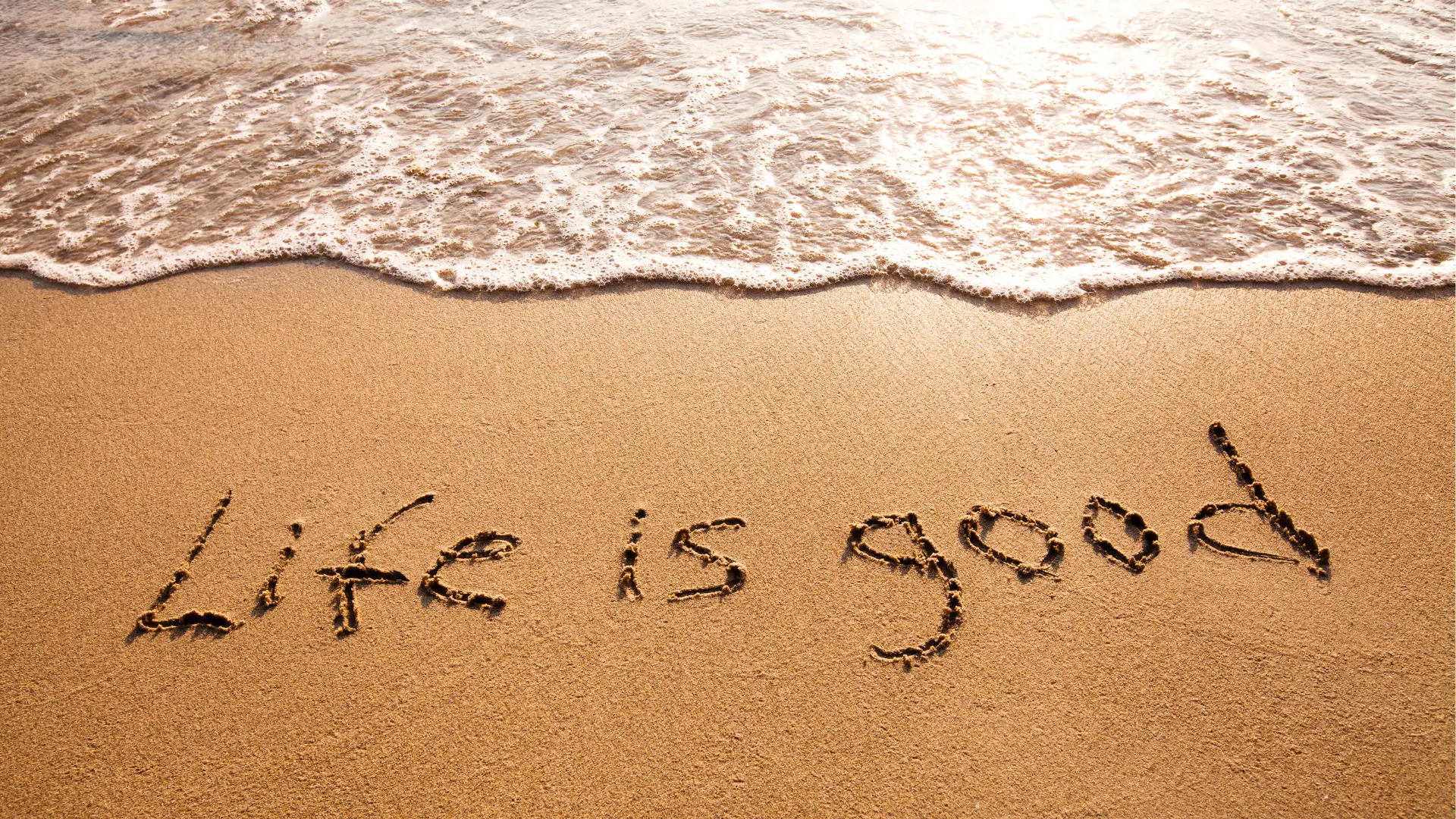

Living a good life is one of humanity's oldest questions. Philosophers, psychologists, and writers have spent centuries trying to understand what makes life meaningful, fulfilling, and worthwhile. While there is no single answer, some books offer powerful perspectives on purpose, happiness, resilience, and personal growth.
4 Books that explore what it means to live a good life
1. Meditations by Marcus Aurelius
Written as a collection of personal reflections, Meditations offers timeless wisdom on character, discipline, and inner peace. Marcus Aurelius, a Roman emperor and Stoic philosopher, believed that a good life comes from living according to virtue rather than chasing external rewards.
The book encourages readers to focus on what they can control, accept what they cannot change, and act with integrity regardless of circumstances. Its enduring appeal lies in its practicality. Rather than presenting abstract theories, it provides a daily guide to becoming a wiser, calmer, and more resilient person.
2. A guide to the good life by William B. Irvine
William B. Irvine brings ancient Stoic philosophy into the modern world through A Guide to the Good Life. The book explains how Stoic practices can help people reduce anxiety, appreciate what they have, and cultivate lasting contentment.
Irvine argues that many modern frustrations stem from unrealistic expectations and constant comparison. By adopting Stoic principles such as gratitude, self-control, and focusing on what truly matters, readers can build a more satisfying life. The book is especially valuable because it translates ancient wisdom into practical strategies that can be applied to everyday challenges.
3. The Happiness Hypothesis by Jonathan Haidt
In The Happiness Hypothesis, psychologist Jonathan Haidt combines modern scientific research with insights from ancient philosophical traditions. He explores topics such as happiness, relationships, purpose, and personal growth while examining what centuries of human wisdom can teach us about living well.
Haidt argues that a good life is not built on pleasure alone but on meaningful connections, purposeful work, and a sense of belonging. The book stands out for bridging psychology and philosophy, showing how both disciplines contribute to a richer understanding of human flourishing.

4. The Art of Happiness by the Dalai Lama and Howard C. Cutler
The Art of Happiness explores one of life's most fundamental questions: how can people find lasting happiness in a world filled with uncertainty and challenges? Combining Buddhist wisdom with modern psychology, the book argues that happiness is not something we stumble upon by chance but a skill that can be cultivated through practice.
The Dalai Lama emphasises compassion, gratitude, mindfulness, and emotional resilience as essential ingredients of a meaningful life. Rather than measuring success through wealth, status, or achievement, the book encourages readers to focus on inner peace and positive relationships.
Its practical lessons demonstrate that a good life is built through kindness, self-awareness, and a commitment to reducing suffering for ourselves and others.
Final thoughts
The search for a good life is deeply personal, yet these books reveal common themes. Meaning often matters more than comfort. Character tends to outlast achievement. Gratitude can be more valuable than abundance. Whether through Stoic wisdom, psychological research, or philosophical reflection, these works encourage readers to examine their values and live with greater purpose. Together, they offer a compelling reminder that a good life is not something we find by accident but something we build through our choices, habits, and perspective.