



Community, knowledge, media: Museum of Art and Photography features two diverse exhibitions
In this photo essay, we showcase creative highlights from exhibitions at the award-winning Museum of Art and Photography.


Launched in 2014, PhotoSparks is a weekly feature from YourStory, with photographs that celebrate the spirit of creativity and innovation. In the earlier 1,020 posts, we featured an art festival, cartoon gallery. world music festival, telecom expo, millets fair, climate change expo, wildlife conference, startup festival, Diwali rangoli, and jazz festival.
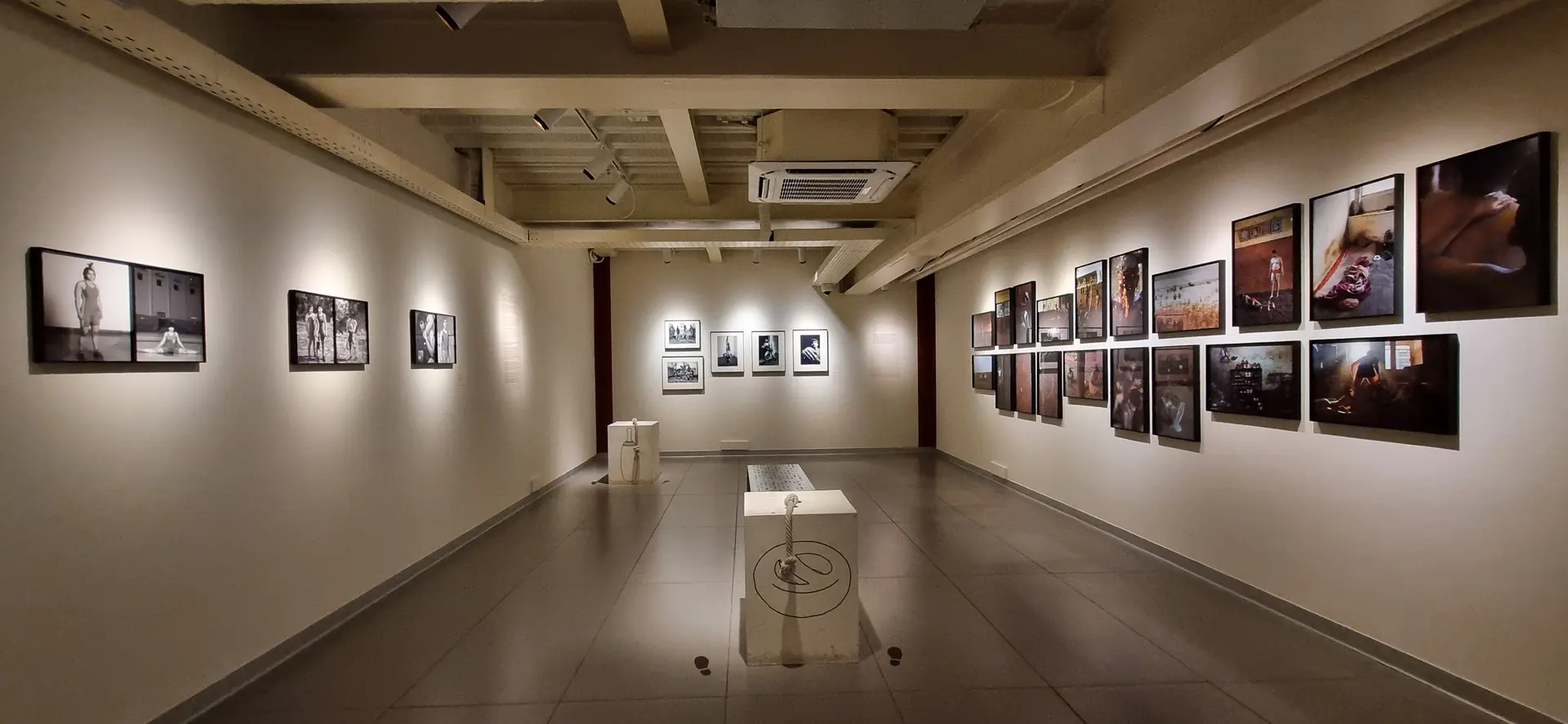
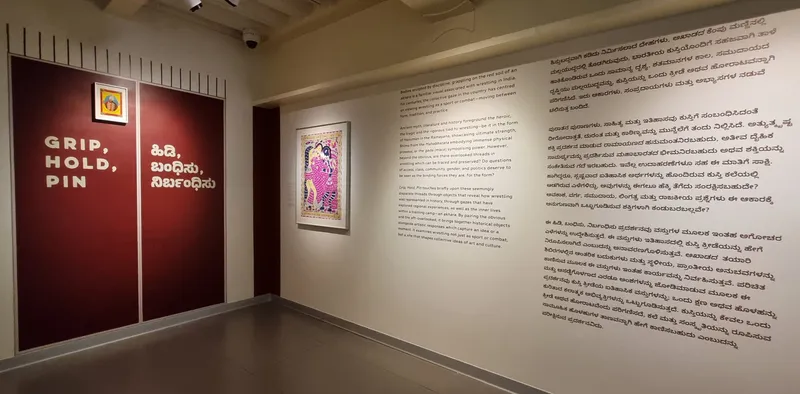
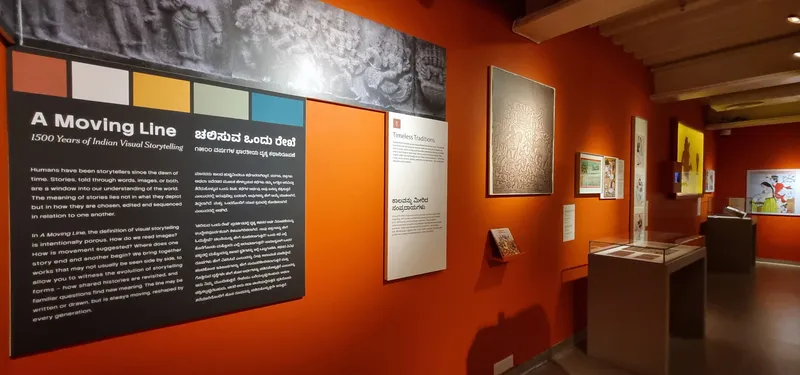
The Museum of Art & Photography (MAP) is featuring two outstanding exhibitions: Grip, Hold, Pin, and A Moving Line. Both will run until November this year (see our earlier photo essays from this popular Bengaluru cultural hub here).
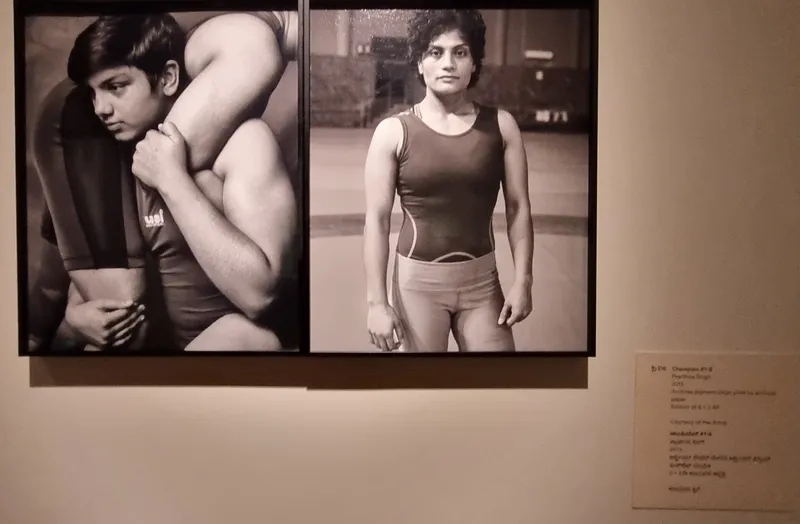
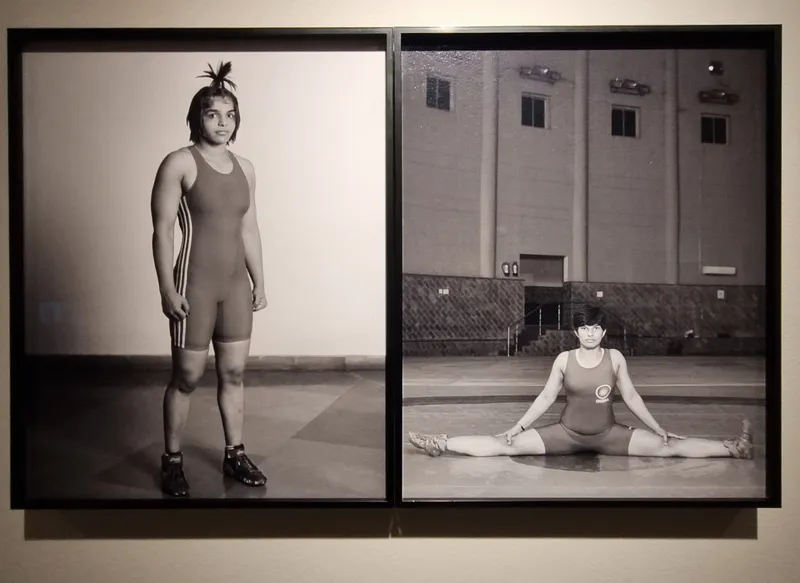
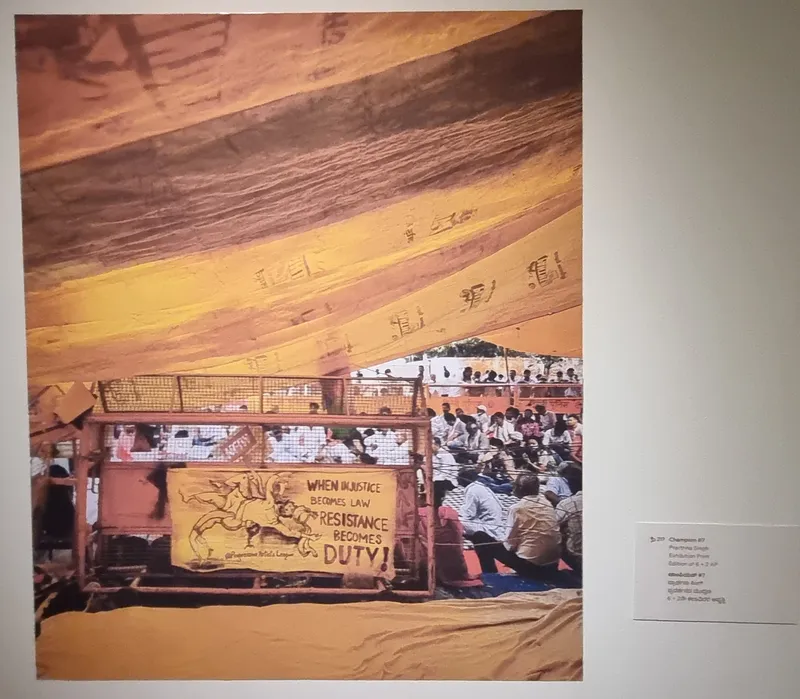
Curated by Aayati Sengupta, the first exhibition includes historical objects as well as contemporary photography that explore Indian wrestling as a living cultural tradition. “Long before cameras documented wrestlers inside the akhara, artists were already recording the rituals, discipline and symbolism that surrounded wrestling,” Sengupta tells YourStory.
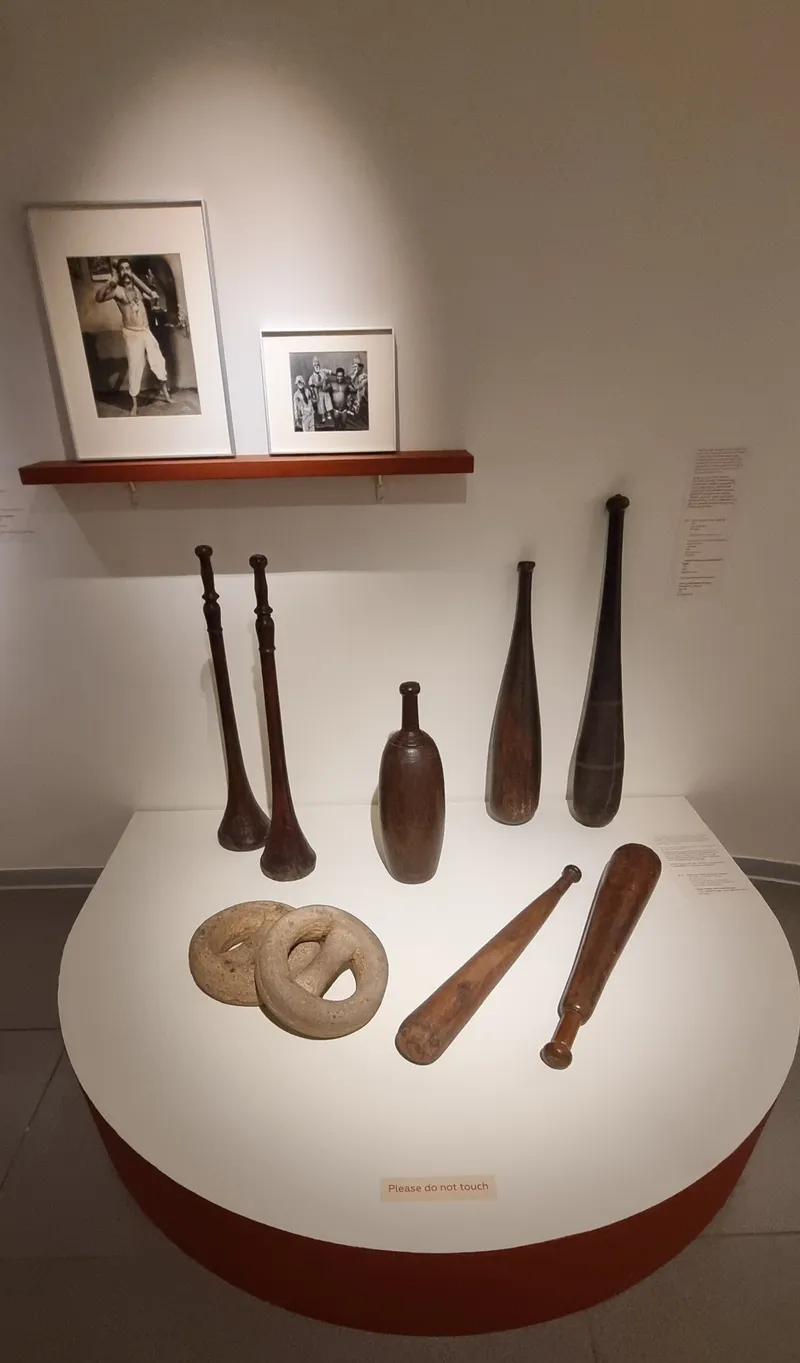
For example, early Ragamala paintings and textile labels showed how wrestling was not just a show of force but an expression of community, identity and labour. The exhibition highlights the social, cultural and artistic worlds that have shaped wrestling.
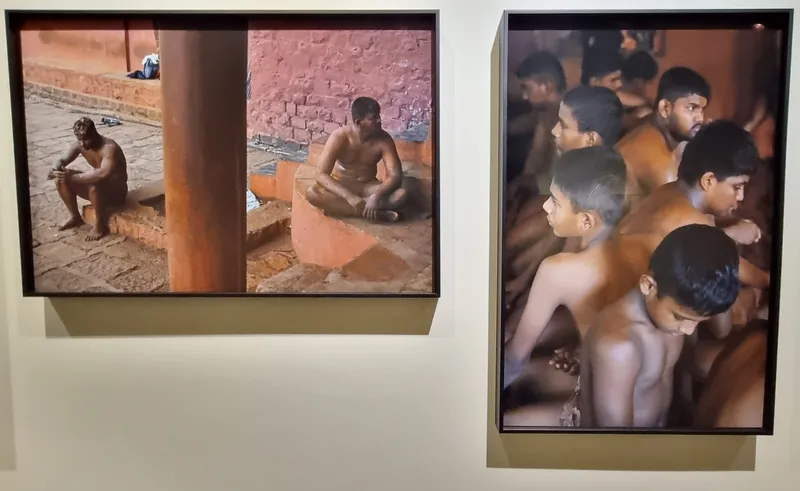
Aspects such as discipline and vulnerability are showcased through the lenses of Jyoti Bhatt, Raghu Rai, TS Satyan, Indrajit Khambe, and Prarthna Singh. Contemporary practitioners and some of the recent political controversies are also featured.
“For me, wrestling has never been just about competition. It is a way of life shaped by discipline, community and generations of shared tradition,” Khambe explains.
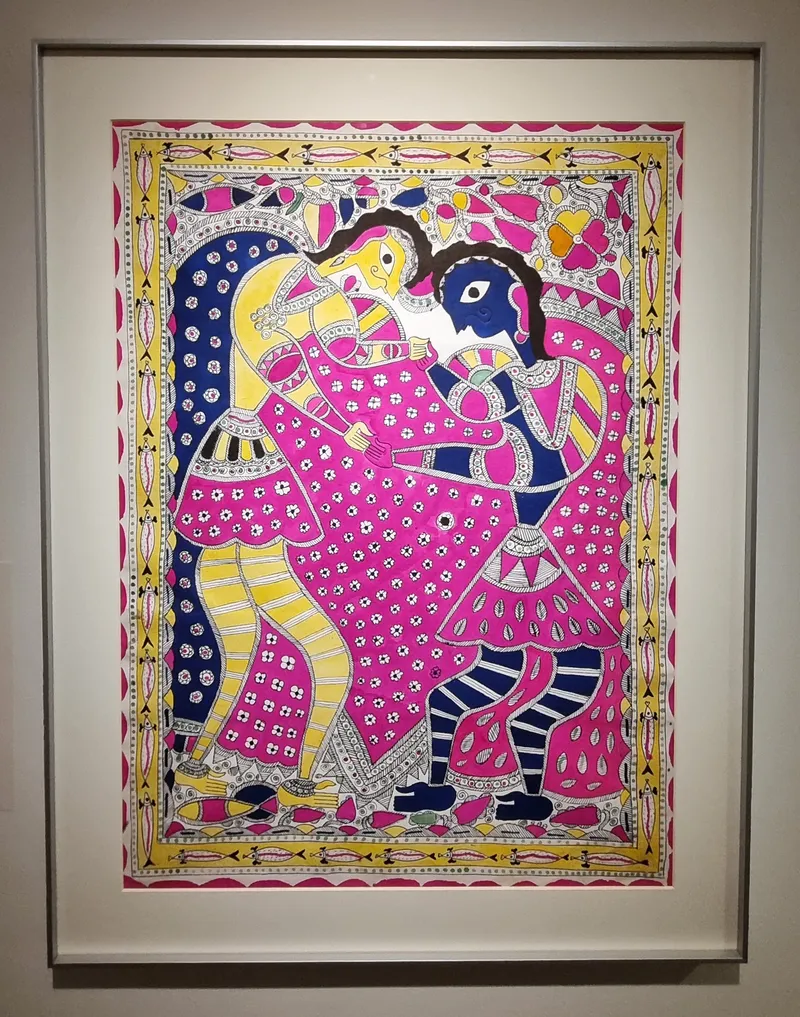

The physicality of the sport becomes a form of expression through which values such as courage, endurance and respect are communicated. At the same time, wrestling has evolved alongside changing social conditions, moving between traditional akharas, organised competitions, and contemporary sporting institutions.
Wrestling is thus a living practice rather than a fixed tradition. The earth of the wrestling pit, training equipment, and ritual objects all tell stories about how wrestling is not simply about winning a bout – it is connected to place, memory, community, and inherited knowledge.
Singh expresses interest in the lives, aspirations and resilience of women wrestlers. “I hope that the photographs which are a part of the exhibition invite viewers to see strength not only in competition, but also in everyday acts of courage,” she says.
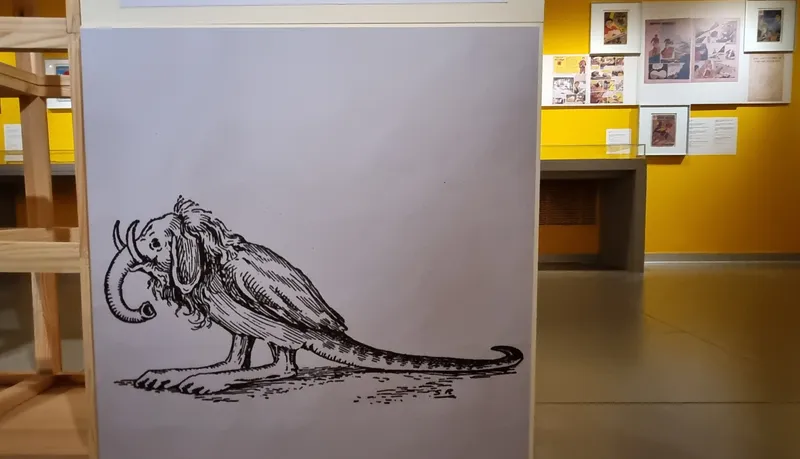
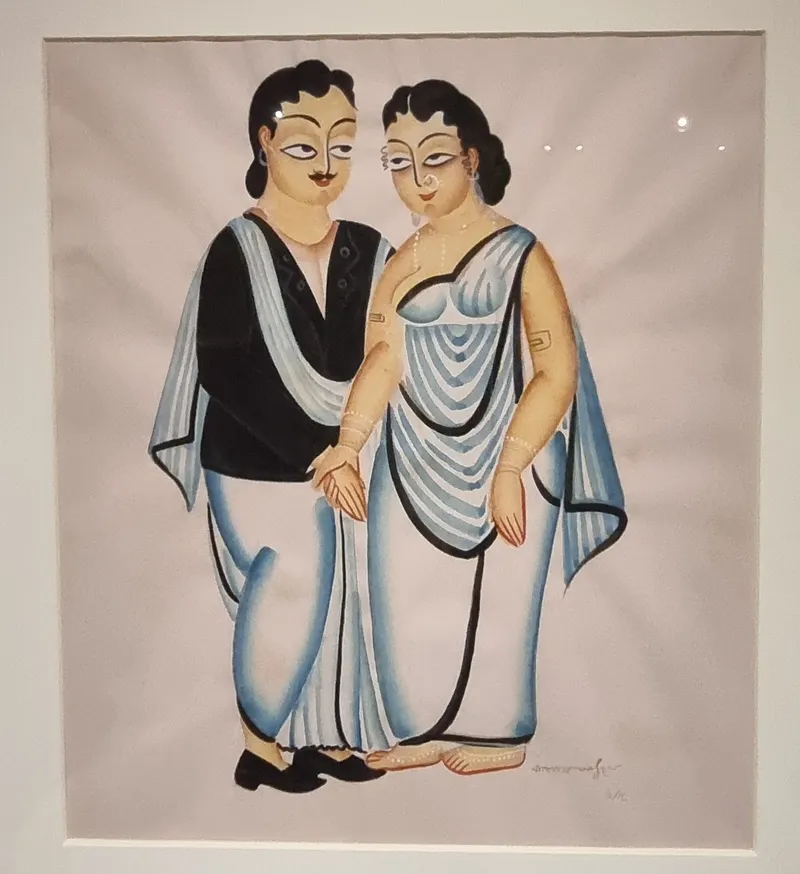
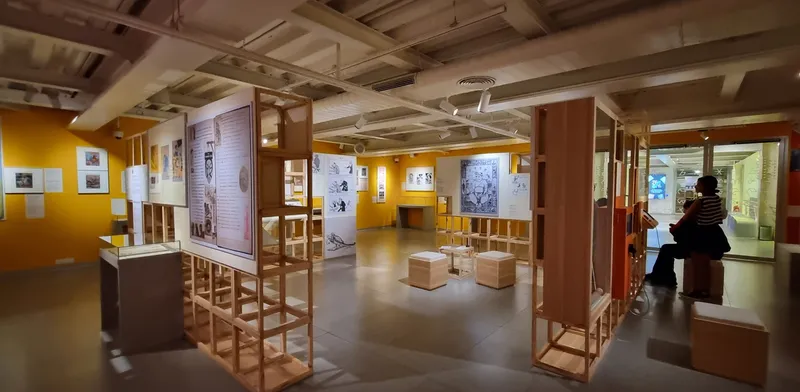
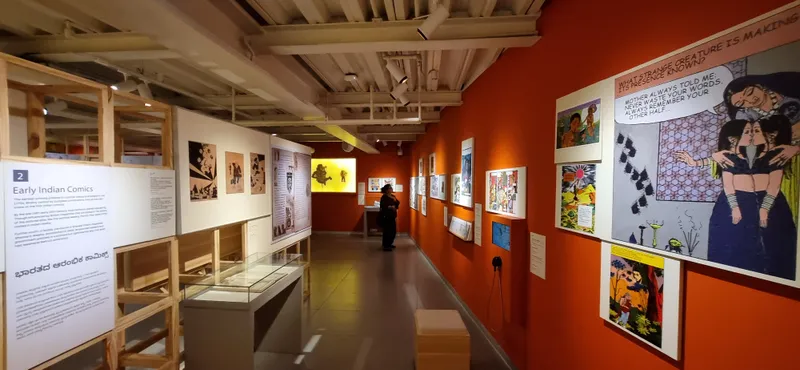
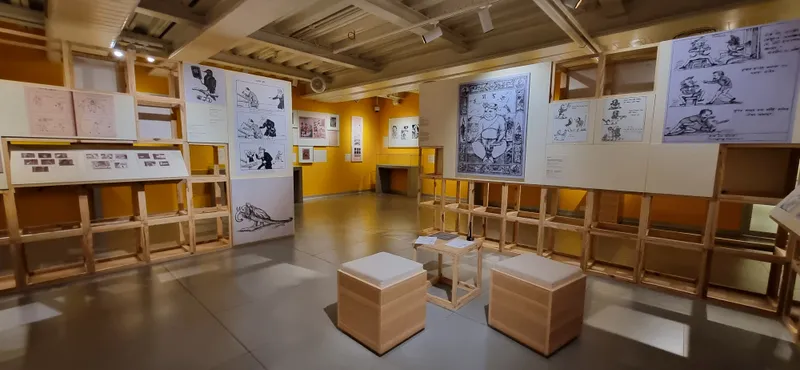
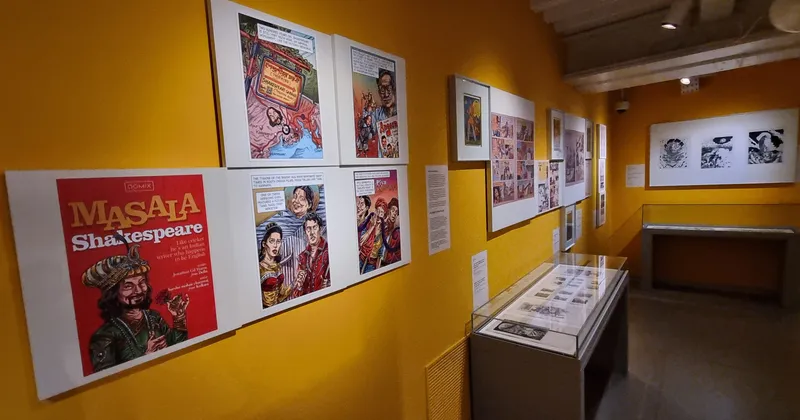
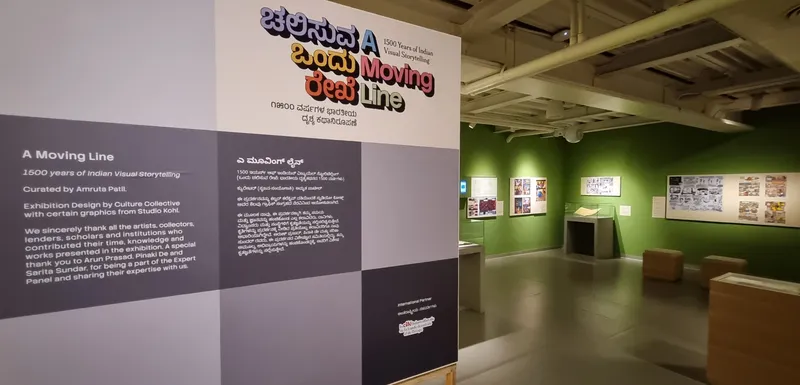
The second exhibition is titled A Moving Line: 1500 Years of Indian Visual Storytelling. Curated by graphic novelist Amruta Patil, the exhibition has more than 250 works that trace how India has told stories over the centuries.
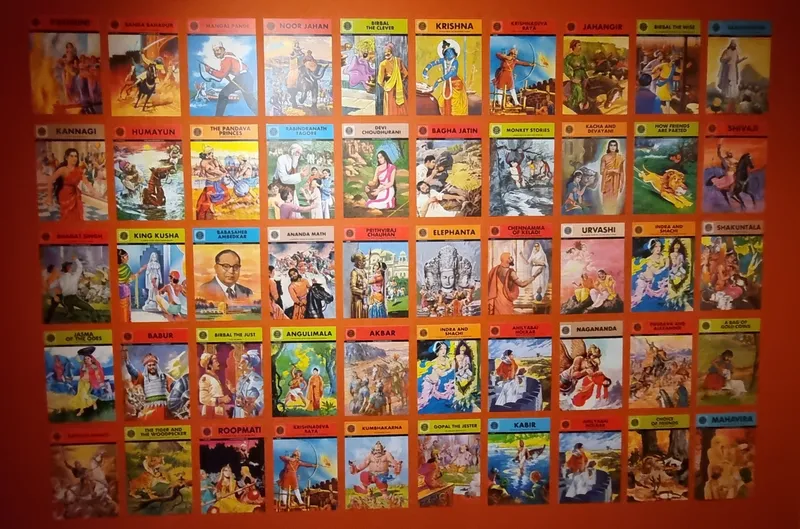
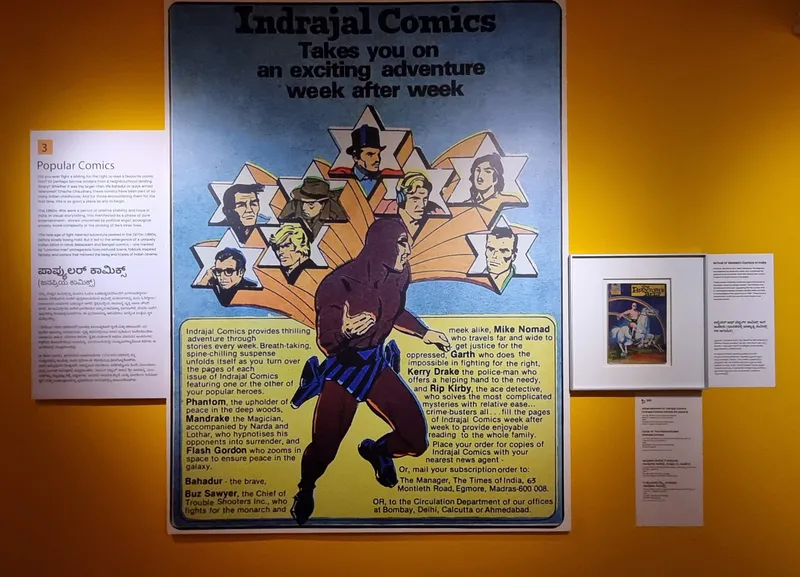
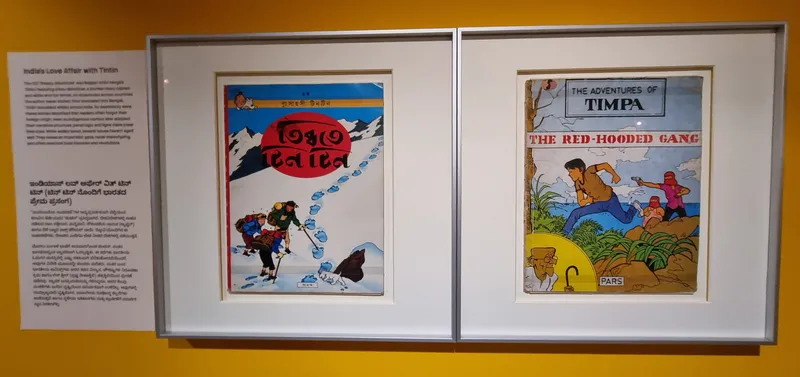
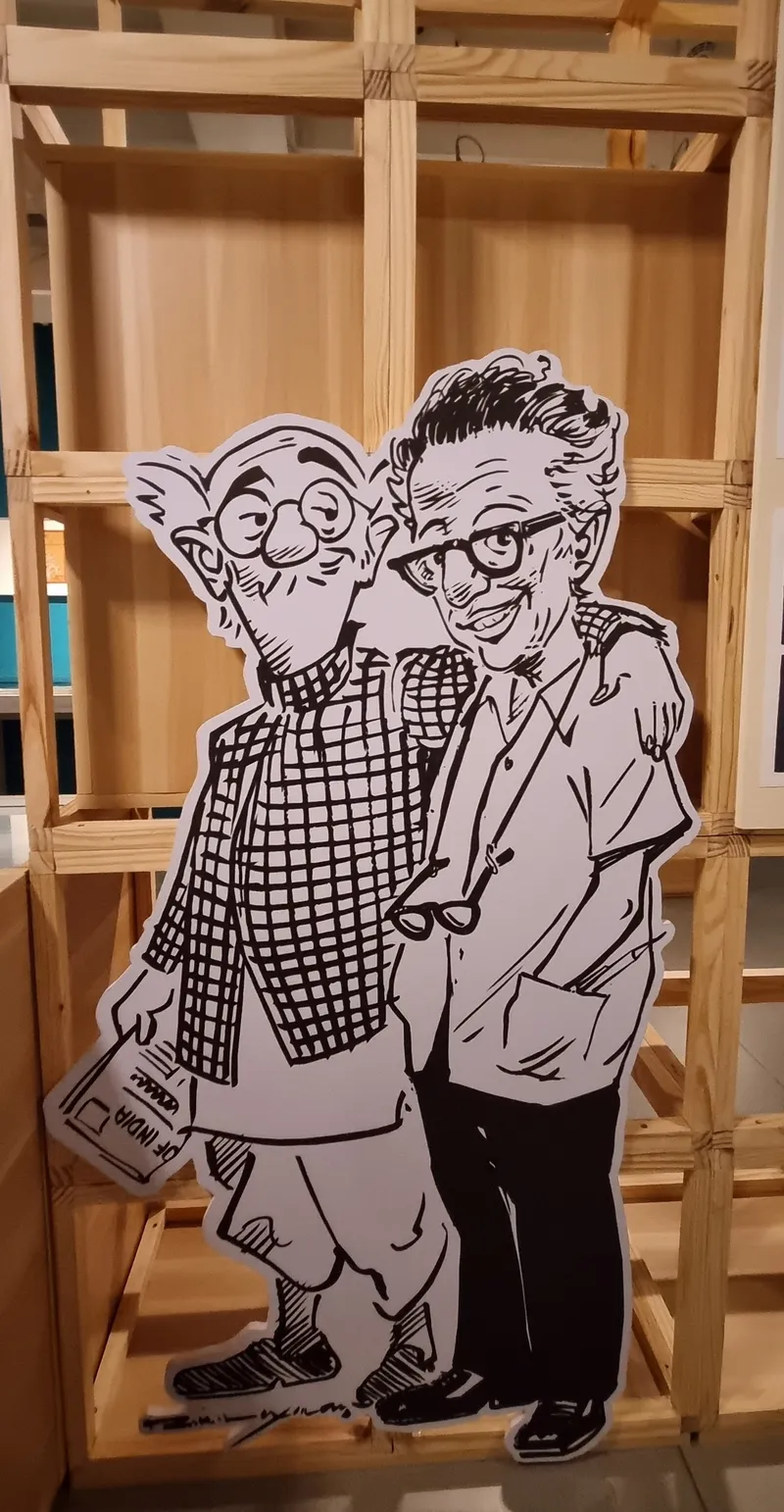
It places India's living storytelling traditions such as kaavad and pattachitra along with more recent comics and publishers such as Amar Chitra Katha, Tinkle, and The Phantom. Contemporary graphic novels and web comics have continued such conversations in new formats.
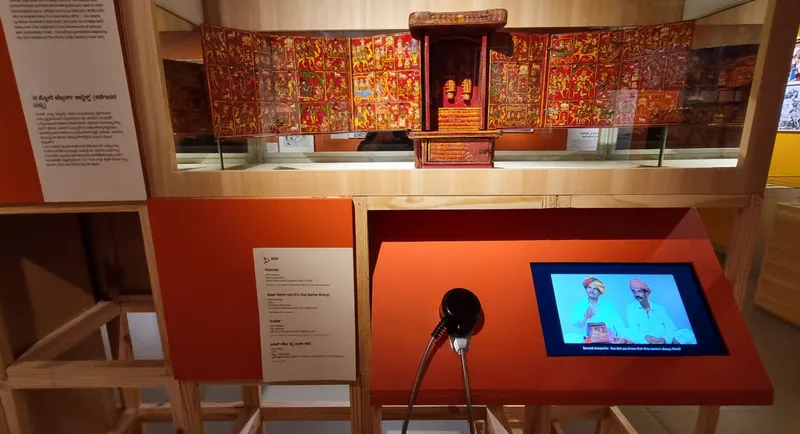
Kaavad is a portable wooden shrine-like display from Rajasthan, where painted panels unfold to reveal successive scenes and characters. The act of opening it panel by panel creates a participatory experience, where storytelling becomes a shared encounter between the narrator, object and audience.

Pattachitra brings narrative and visual art together, with cloth paintings depicting mythological figures and stories. The decorative borders and sequential scenes allow complex stories to be communicated through a visual language.
Other comparable traditions include cheriyal scroll paintings from Telangana and phad painting from Rajasthan. There are also puppetry traditions such as Rajasthan's Kathputli, Yakshagana in Karnataka, Kathakali in Kerala, and Therukoothu in Tamil Nadu.
What connects these diverse practices is their ability to transform storytelling into a collective cultural experience. Stories are remembered and interpreted across generations not only as texts, but through gestures, images, sounds, objects, places, and performances.
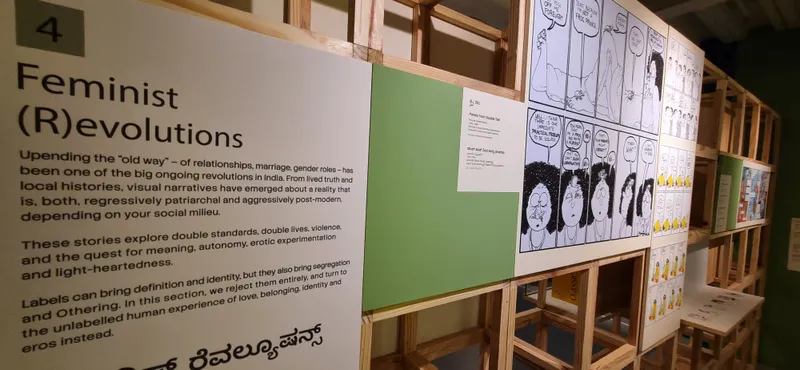
The exhibition also features political graphic novels, feminist and queer narratives, and digital formats. MAP has produced a special scholarly publication on this exhibition as well, along with interactive features such as audio guides, tactile displays, and a library of books to browse.
The diverse artworks show how creators conveyed motion, emotion and sound within a flat, two-dimensional medium. Though the mediums have changed over the years, the exhibition invites viewers to explore how storytelling has shaped us through our lives, and what the future of visual storytelling could look like in the era of AI.
In sum, viewing such different exhibitions within a museum can create a compelling experience because each exhibition offers a distinct way of understanding culture, history and human experience. Moving from one gallery to another allows visitors to encounter different practices and perspectives, while also noticing connections between them.
Themes such as professional community and embedded knowledge encourage visitors to think about how diverse cultural practices can share deeper connections. The museum experience creates space for reflection because it allows visitors to engage with objects at their own pace.
The museum therefore becomes more than a space for displaying objects; it becomes a platform for observation, discovery and contemplation. Each exhibition contributes to a larger experience in which visitors ultimately leave with perspectives that may continue to develop beyond the museum visit itself.
Now what have you done today to pause in your busy schedule and harness your creative side for a better world?
(All photographs taken by Madanmohan Rao on location at MAP.)