



Tazapay to be acquired by Circle in $400M stock deal; GalaxEye wins US patent for satellite imaging
US-based Circle Internet Group will strengthen its position in the APAC region following the acquisition of Tazapay; GalaxEye’s US patent for its OptoSAR satellite imaging technology strengthens its intellectual-property position as India’s private Earth-observation sector expands.


Dear Reader,
India’s healthcare and deeptech sectors are drawing fresh capital and attention. Healthcare-focused VC firm W Health Ventures has closed its second fund at Rs 700 crore, above its Rs 630 crore target, and plans to back 8–10 early-stage startups across the US-India corridor over the next four years. It has already invested in oncology startup Everhope Oncology and healthtech firm Everbright Health through the new fund.
Meanwhile, Circle Internet Group has agreed to acquire Singapore-based cross-border payments firm Tazapay to expand its payments network across APAC and emerging markets. The deal is expected to close in 2027, subject to regulatory approvals, including from Singapore’s MAS.
Karnataka is also looking to deepen its deeptech ecosystem, inviting tech companies, startups, researchers, and investors to help shape its proposed Quantum City. The initiative will build on the state’s IT and aerospace strengths while accelerating work in quantum computing, spacetech, dronetech, and AI. Under its Space Technology Policy 2025–30, Karnataka aims to capture half of India’s space market and attract $3 billion in investments by 2033.
Meanwhile, enterprise digital adoption platform Whatfix has appointed Co-founder Vara Kumar as CEO following the death of long-time CEO and Co-founder Khadim Batti on September 1. Kumar, who previously led product engineering and research, will oversee the company’s global strategy and operations.
On the regulatory front, the NCPCR has summoned Meta India’s Managing Director and Head on September 9 as part of its inquiry into allegations that paid Instagram ads promoted child sexual abuse material in India. The probe was launched after a BBC Eye investigation published in July.
In other news, HCLTech has launched a Rs 185 crore semiconductor lab in Bengaluru, spanning 40,000 sq ft with advanced cleanrooms for post-silicon engineering, testing, and failure analysis. The facility will support R&D, pre-production, and production qualification for global customers.
In today’s newsletter, we will talk about
- GalaxEye wins US patent for satellite imaging
- 5 initiatives making literacy accessible in India
Here’s your trivia for today: What was the name of the first chatbot, and when was it created? (Scroll down for the answer)
News
GalaxEye wins US patent for satellite imaging
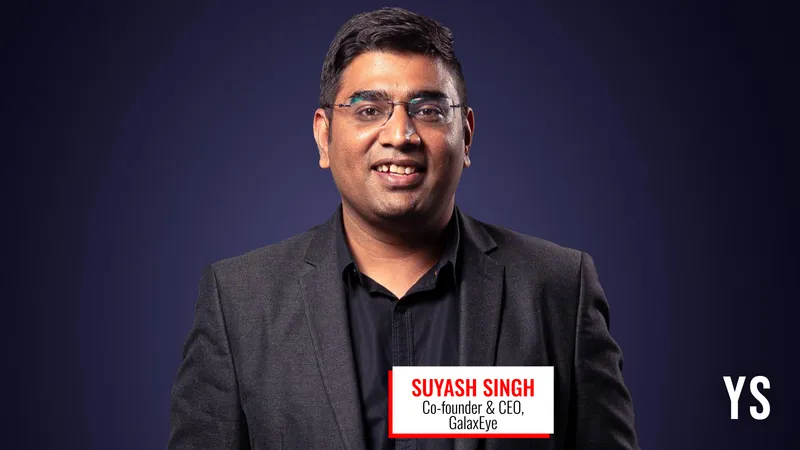
Bengaluru-based space startup GalaxEye has secured a US patent for the core technology behind its OptoSAR imaging system, marking a significant step in its effort to build advanced Earth-observation capabilities. The technology combines optical and radar imaging to capture consistent, high-quality data across weather and lighting conditions.
Key takeaways:
- The US patent covers the core architecture that synchronises optical and Synthetic Aperture Radar (SAR) sensors, allowing them to capture aligned imagery from a single satellite platform.
- By combining optical clarity with SAR's all-weather, day-and-night capabilities, the technology is designed to provide more consistent Earth-observation data when conventional optical imaging is limited.
- The patent strengthens GalaxEye's IP as it scales its commercial ambitions. The startup plans to build a 30-satellite constellation over the next five years, targeting applications including agriculture, insurance, security and disaster response.
Social Impact
5 initiatives making literacy accessible in India

For millions of children and underserved communities, literacy is still limited by access to schools, teachers and books. Across India, grassroots initiatives are finding new ways to bring learning closer to those left out of the formal education system—from street classrooms and roadside libraries to community-led learning and technology-enabled programmes.
Key takeaways:
- Street schools and community-led classrooms are reaching children who face barriers to formal schooling, while also providing the academic and emotional support needed to stay engaged with education.
- Roadside and community libraries are bringing books closer to children in underserved and remote areas. The focus is not just on access, but also on creating a habit of reading through activities, local-language content and reading programmes.
- Newer approaches to foundational learning are incorporating numeracy, critical thinking, digital and AI literacy, helping children develop skills that go beyond the ability to read and write.
News & updates
- Apple: Apple is entering a new product cycle, with a foldable iPhone and deeper generative AI integration in focus as John Ternus takes a larger role in shaping the company’s technology roadmap.
- Social Media: Australia plans to let social media users over 16 opt out of algorithm-driven feeds under its proposed “My Feed, My Way” legislation. Users who opt out would see only content from friends and creators they choose to follow.
What was the name of the first chatbot, and when was it created?
Answer: ELIZA, created in 1966
We would love to hear from you! To let us know what you liked and disliked about our newsletter, please mail [email protected].
If you don’t already get this newsletter in your inbox, sign up here. For past editions of the YourStory Buzz, you can check our Daily Capsule page here.