



Natural seasons, human seasons: An exploration by artist Meena Das Narayan
In this photo essay, we showcase a range of artworks by artist Meena Das Narayan, along with insights from her creative journey.

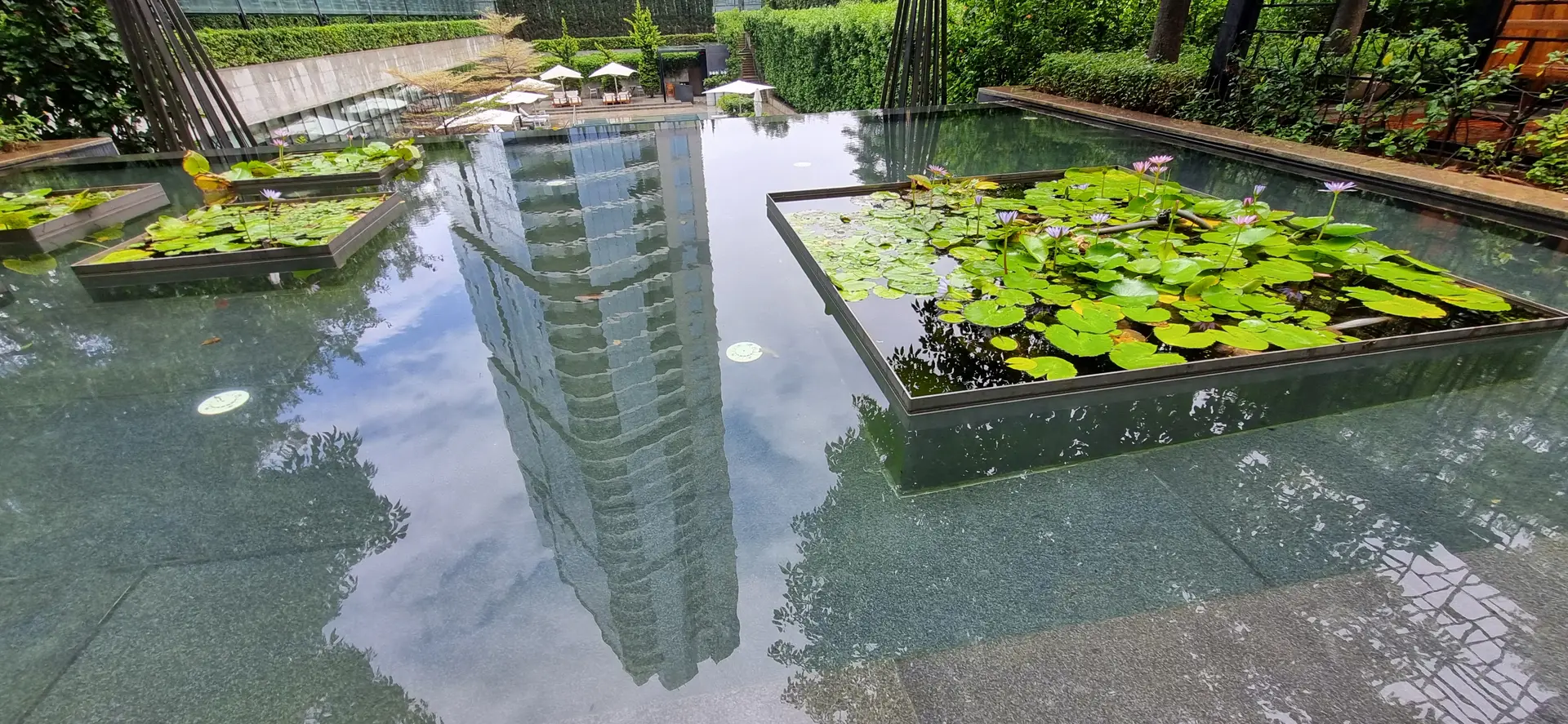

Launched in 2014, PhotoSparks is a weekly feature from YourStory, with photographs that celebrate the spirit of creativity and innovation. In the earlier 1,015 posts, we featured an art festival, cartoon gallery. world music festival, telecom expo, millets fair, climate change expo, wildlife conference, startup festival, Diwali rangoli, and jazz festival.
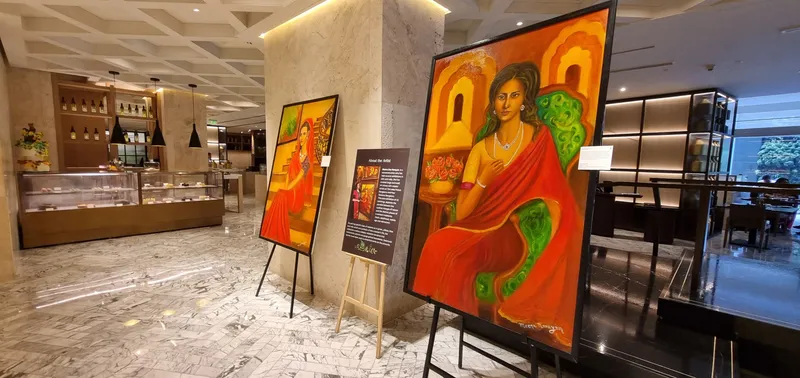
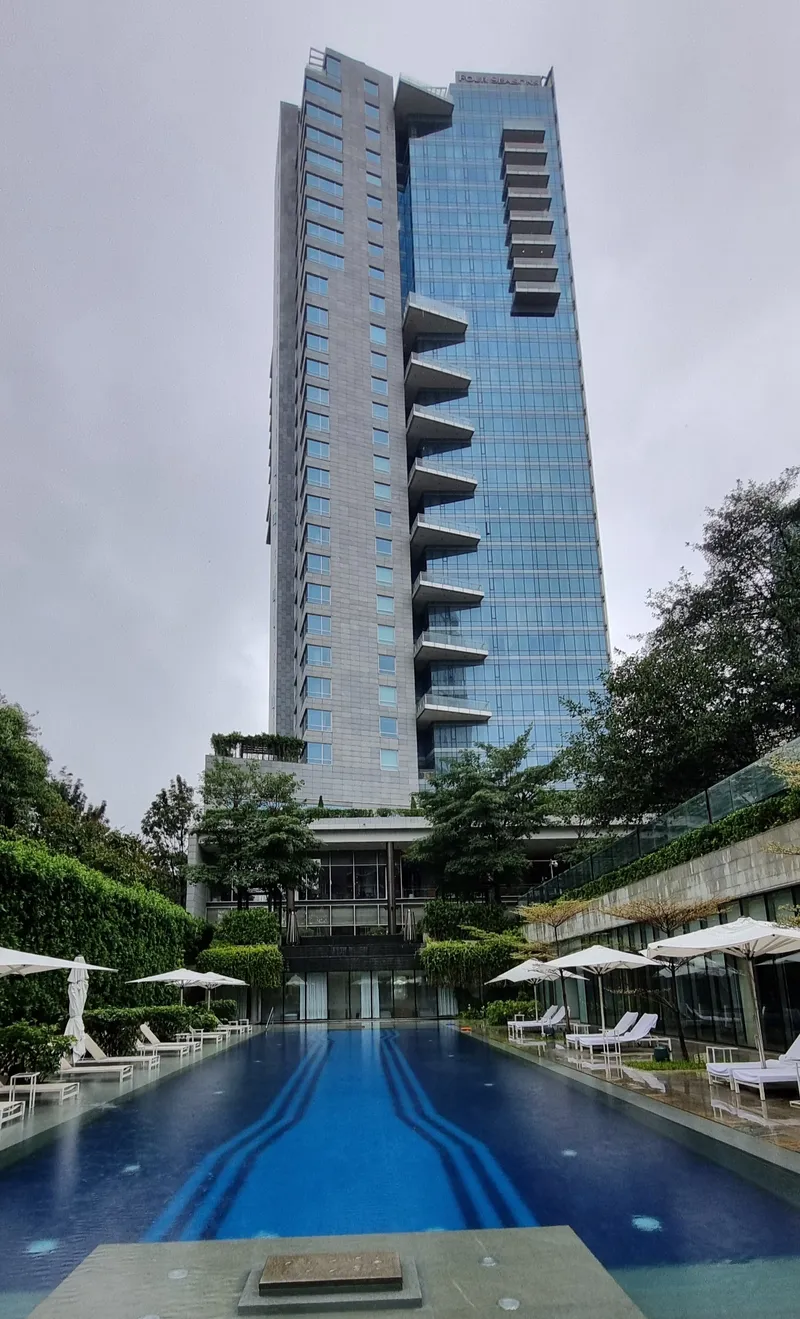
The Four Seasons Hotel at Embassy One, Bengaluru is featuring an exhibition titled The ‘Haveli’ Collection: A Celebration of Womanhood Through Art. See our earlier photo essay from its CUR8 Art Gallery here.
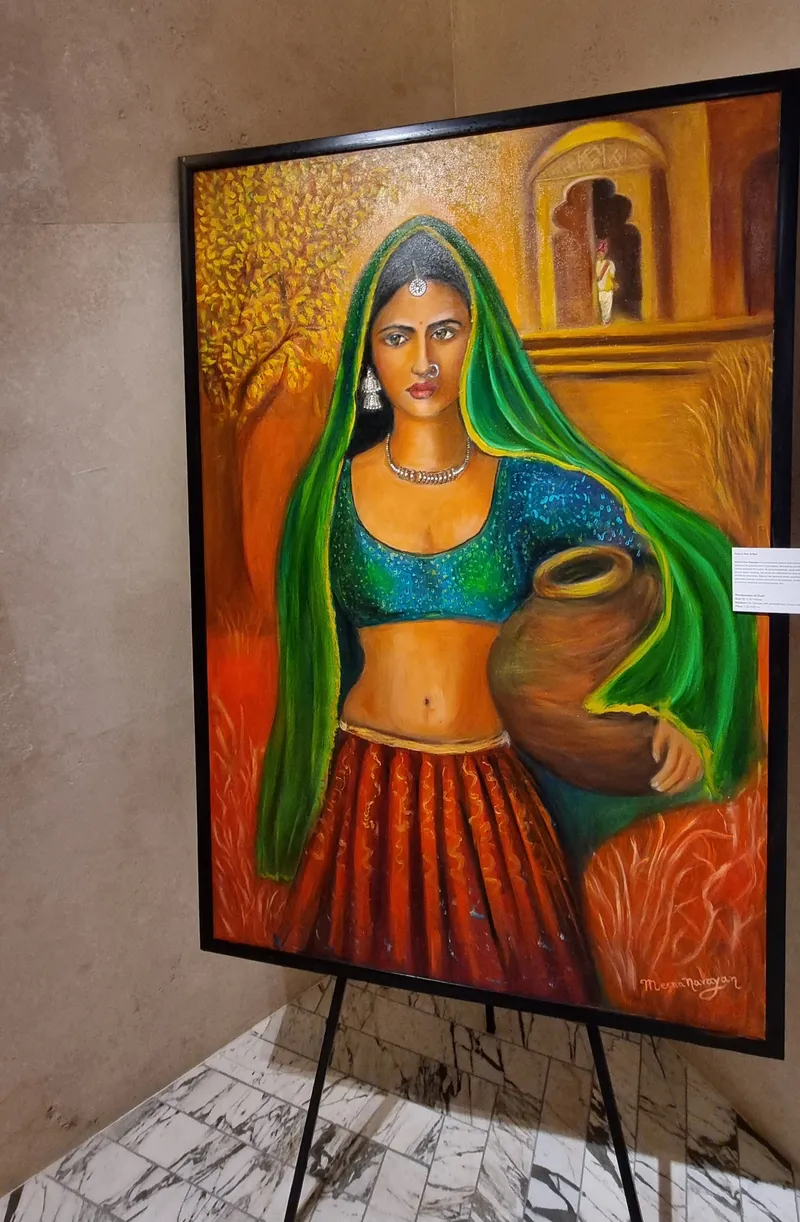
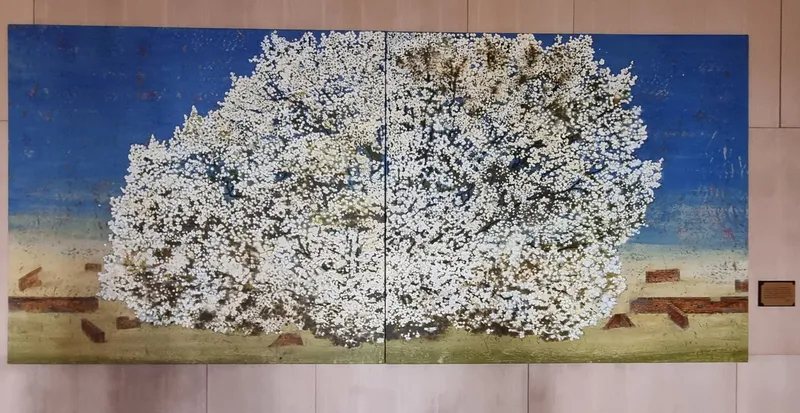
The exhibition represents a thematic journey that brings the changing colours and seasons of life onto canvas through the works of artist Meena Das Narayan. It explores the parallel between the cyclical changes of nature and the distinct phases of a woman’s life.
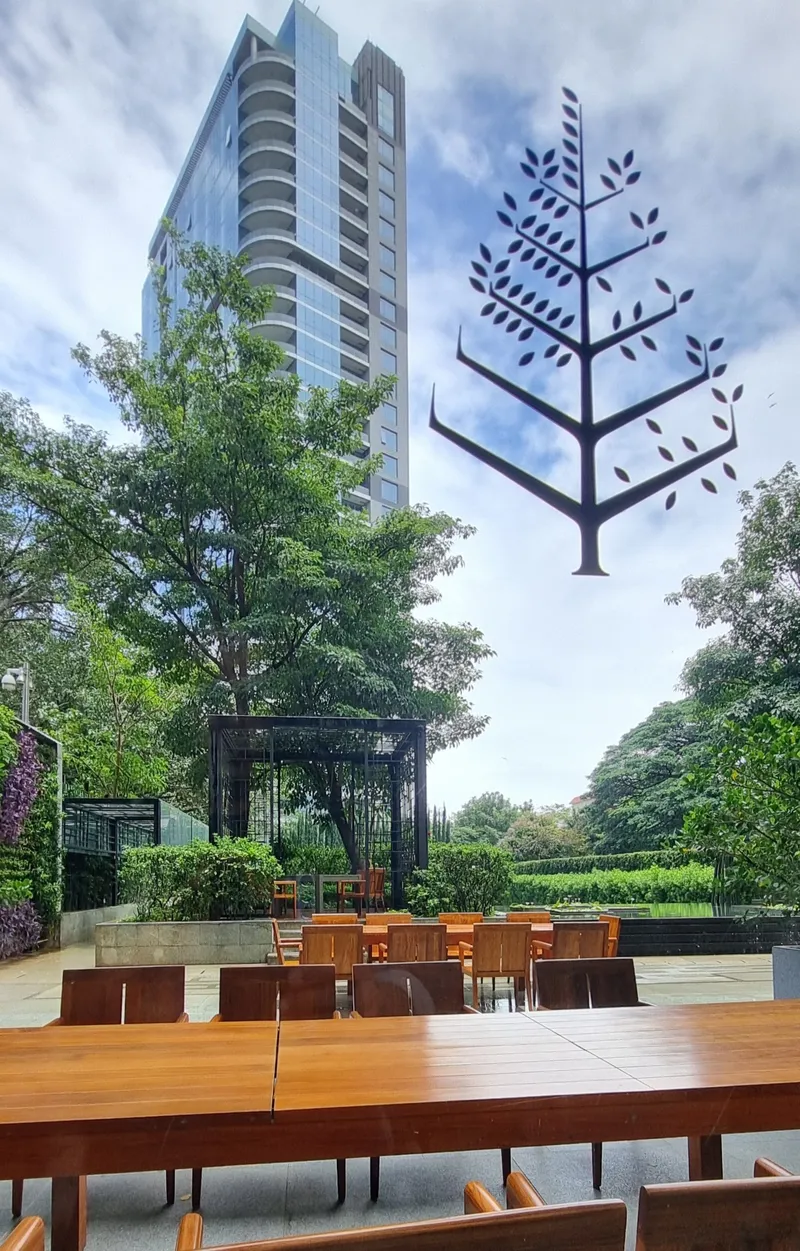
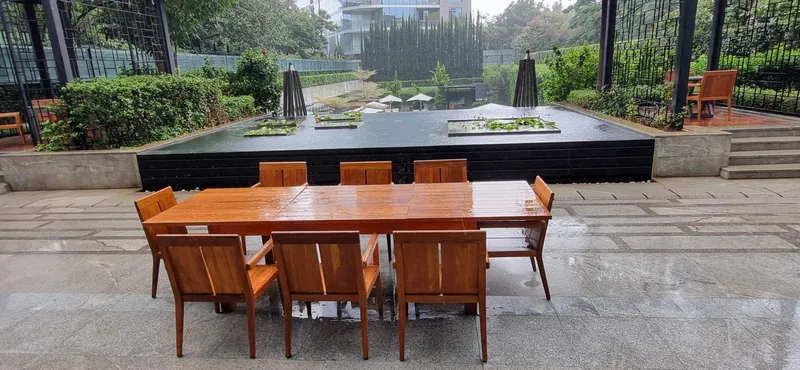
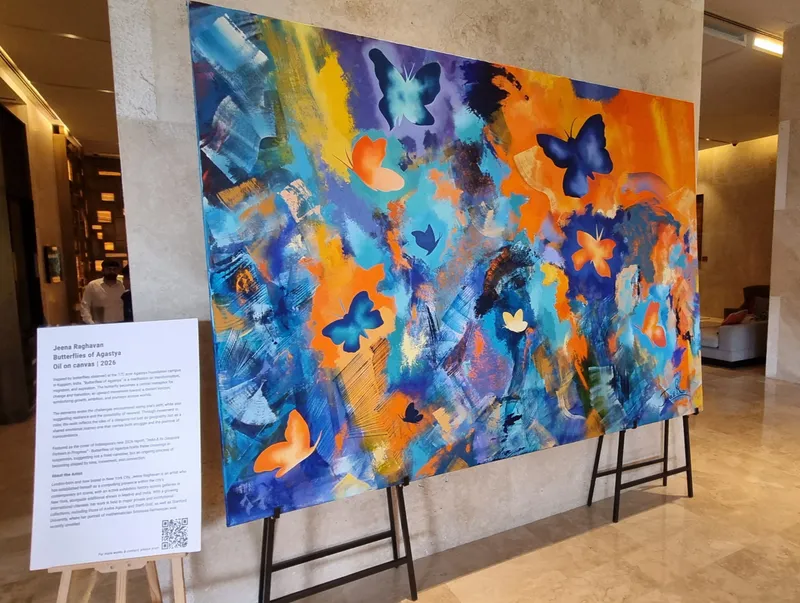
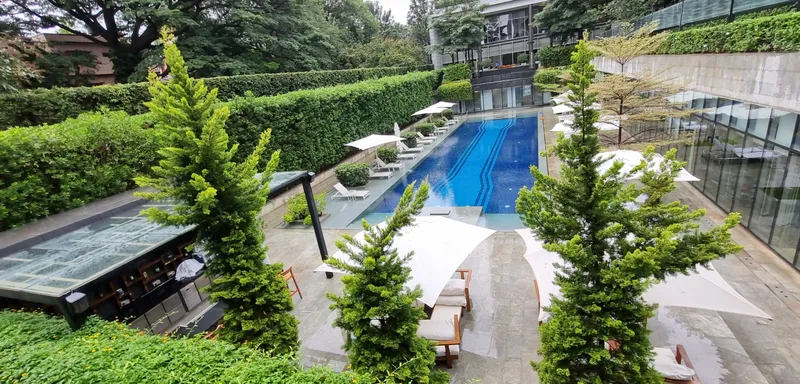
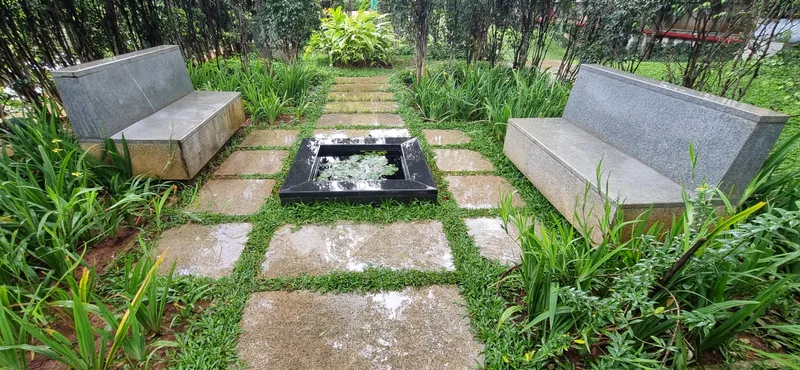
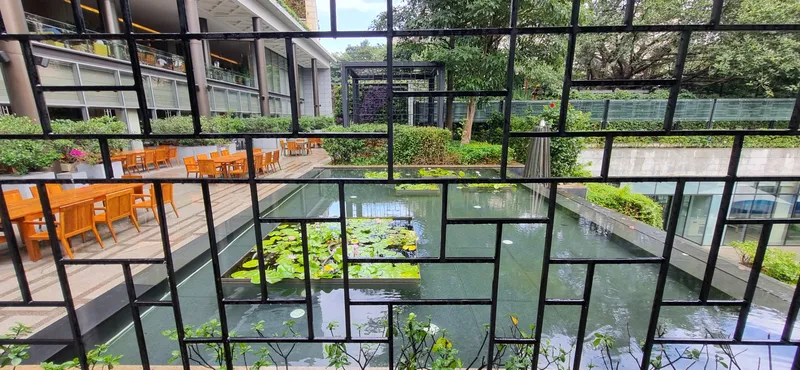
Art and design can help hotels resonate with local and international creative communities. Landscaping, commissioned installations, and curated exhibitions can take experience and storytelling to the next level, as seen in this photo essay. The monsoon rains add a new level of delight to the hotel’s courtyards and gardens, providing an additional apt metaphor for the ongoing exhibition.
The narrative of the exhibition is deeply relatable, and transcends cultural and geographical boundaries. Some of the exhibited artworks are featured in this photo essay from the luxury hotel, which is also host to original works by more than 25 contemporary Indian artists.
“At Four Seasons Bengaluru, we believe art has the ability to create meaningful connections and offer a space for reflection and discovery. The exhibition by Meena Das Narayan celebrates the many chapters, emotions, seasons, and experiences that shape a woman’s life,” says Biswajit Chakraborty, General Manager, Four Seasons Bengaluru.
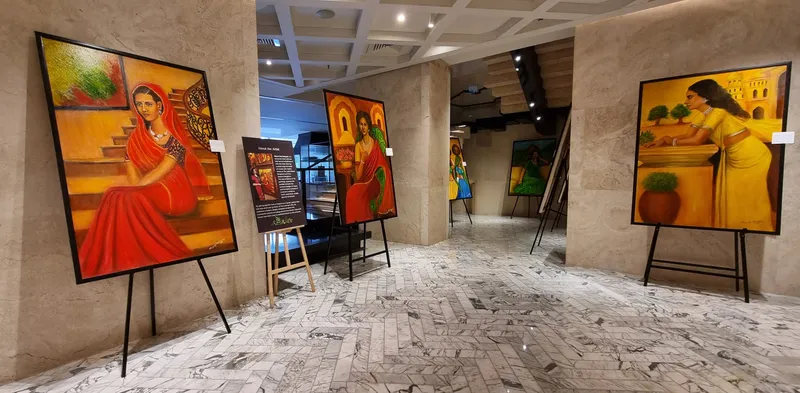
The green of spring symbolises youth and the yellows of summer represent adulthood. The blue hues of monsoon reflect a woman’s journey in having a family of her own, and the red of autumn conveys accomplishment and reflection.
“When a viewer stands before one of these paintings and recognises a phase of her own life in the texture, colour or pose, a bridge of empathy is built. Art becomes a shared conversation. The collection thus invites every woman to feel seen, celebrated and deeply connected to the collective spirit of womanhood,” Narayan explains.
She was born in Delhi, studied in Pune, and then moved to Baghdad at the age of 13 when her father was posted there as an irrigation expert. “Though we read a lot about the wars in Iraq, their people are very kind and welcoming,” she tells YourStory.
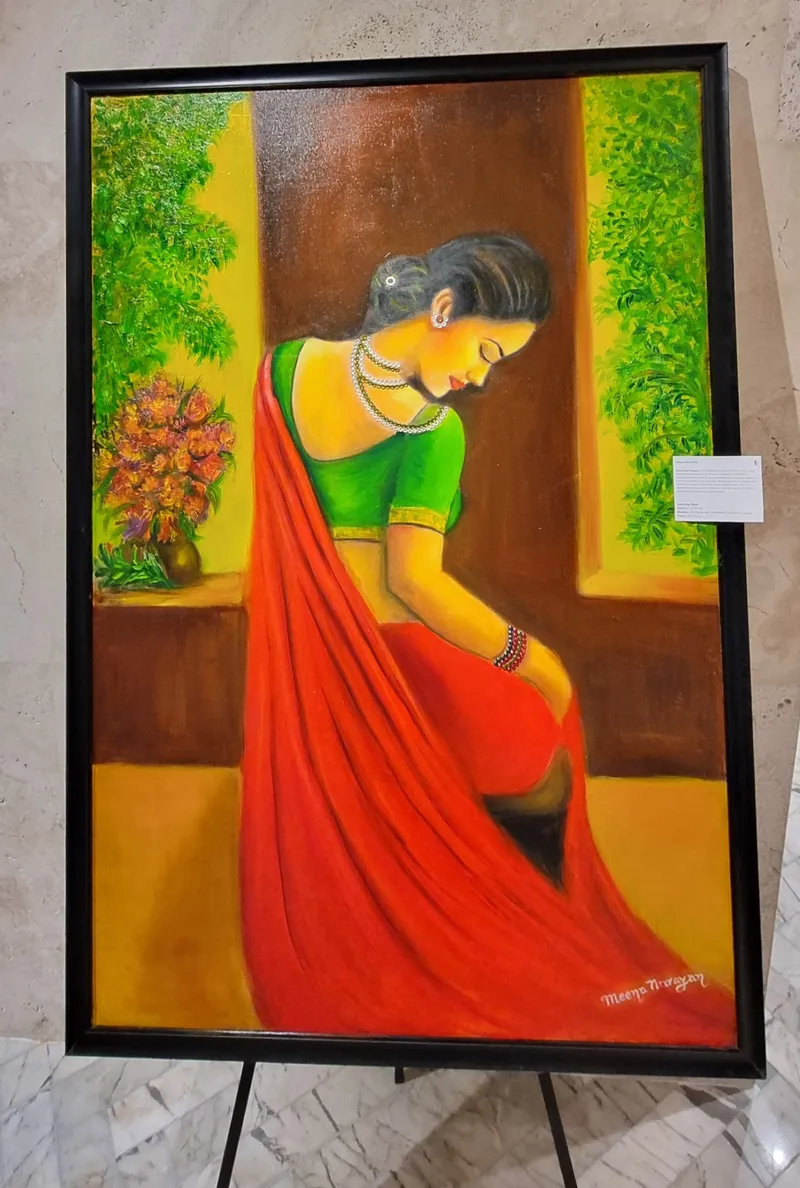
“The experience of travel made me much more broad-minded. I got a little world of diverse cultures in the university itself,” she adds.
Her writing and artwork began after she moved back to Delhi and got married. “We then moved to Dubai, where I worked in the newspaper and magazine industry before starting my own luxury magazine,” Narayan says.
She enjoys painting in oils because of the depth it makes possible. “I also love watercolours,” she describes.
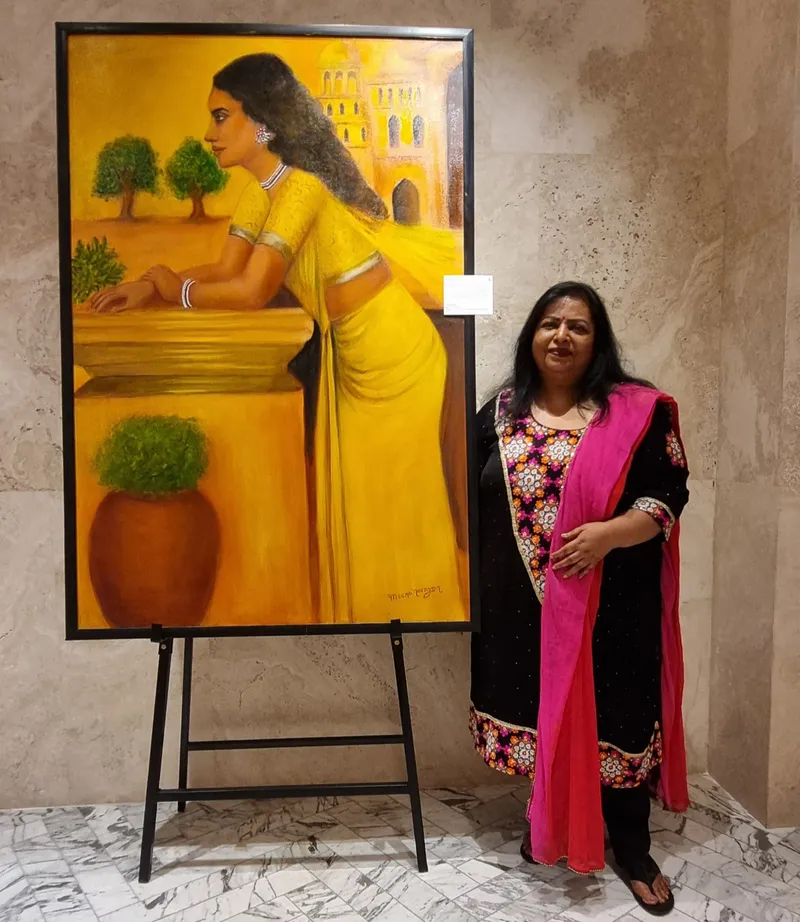
Meena Das Narayan
The idea for the painting series in a haveli or townhouse came from a friend’s suggestion. “There are many canvases in my house, which are in different stages of finishing. I complete an artwork whenever I feel in the mood,” she says, describing her creative process.
“Currently, 10 of the paintings in the series are on display, the others are already sold. I prefer to paint what I like, not what others tell me to paint,” Narayan affirms.
“Saleable art often suits the interiors of homes and offices. Other art delivers beauty and originality and can even be regarded as an investment,” she explains.
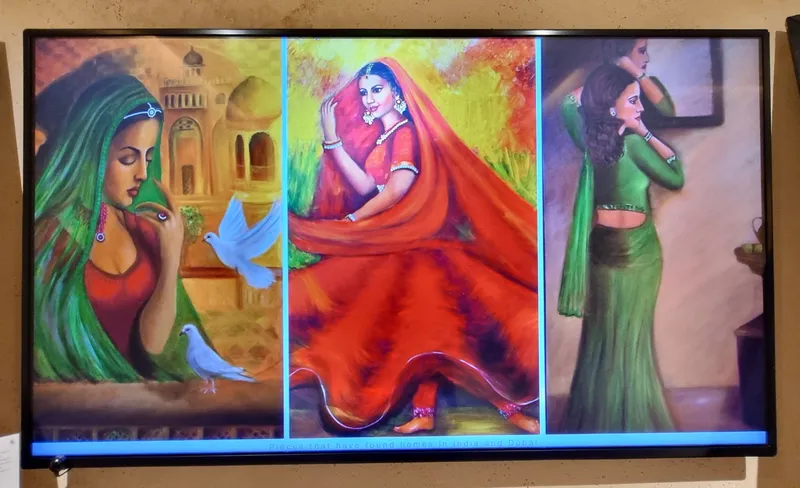
She feels the online medium has some shortcomings when it comes to appreciating and selling art. “Somehow, I feel that online photographs of artwork do not do full justice to the creation,” she observes.
Narayan is also writing books about her uncle and great-grandfather, who were accomplished in the cultural fields. She runs a YouTube channel with commentary and analysis, and co-founded the Bangalore Club for Kathakali and the Arts (BCKA).
“I have directed and produced mythological operas which have Sanskrit songs, and music that is appealing to youngsters,” she adds. Another upcoming project is her second cultural movie, on the Yakshagana traditional theater and dance-drama art form from the coastal districts of Karnataka and Kerala.
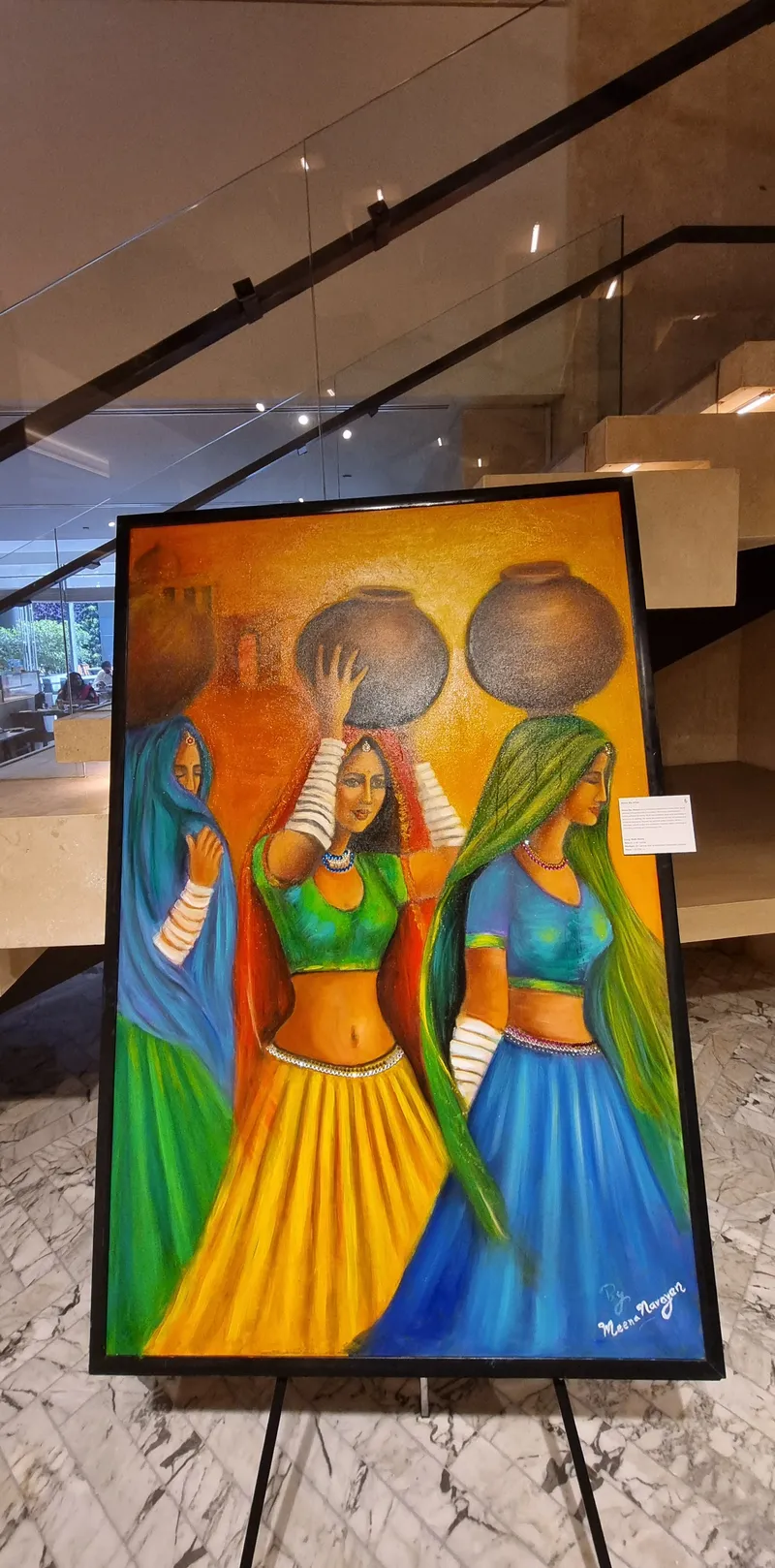
An important decision many artists have to take is whether to sell a painting or keep it. “My paintings are my babies, I love seeing them. But if they go to a house where they are appreciated, that makes me happy as well,” she describes.
“It is important to move on in art, and in life. You have to know when to cut your connections – even in life, your children go and your mother goes. You just have to accept these things,” Narayan comments.
She has now come back to India from Dubai to look after her mother. “She is 91, and doesn't have anyone to look after her. I am very attached to her, this is my duty. It gives me fulfilment to look after her and see her smiling,” she says.
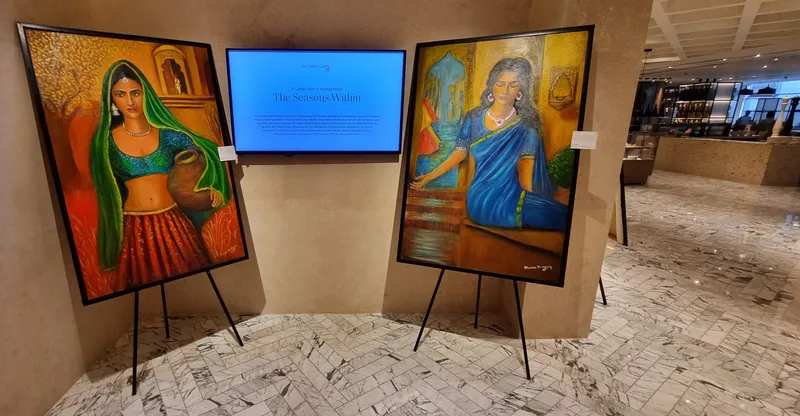
“I don't want to be too rich. Too much money can lead to burdens and less of happiness, though it may seem to give people a jet-setting lifestyle,” she says.
She has also curated exhibitions at the Leela Palace in Bengaluru. Last year, she curated an exhibition at The Four Seasons called Threads of Tradition, with the works of seven artists.
The lineup included Krishna Shetty CS, V Hariraam, Paresh Hazra, Shraddha Rathi, Ganesh Doddamani, and SG Vasudev. Collectively, they showcased abstract works, everyday life, folk themes, identity, and a blend of traditional and modern life.
Narayan cautions aspiring artists that it can be hard to make a living only with art. “You may need to have another job to support you – if you have that, you can do what you like and won’t be curtailed by what other artists tell you,” she advises.
“From a very young age, I hated being dictated at. I did not want to listen to people, because if you listen to others, you are molding yourself to their tastes – even if they are your own parents,” Narayan signs off.
Now what have you done today to pause in your busy schedule and harness your creative side for a better world?
(All photographs taken by Madanmohan Rao on location at The Four Seasons Hotel at Embassy One, Bengaluru.)