



Karnataka’s new Devadasi law is a step from stigma to empowerment
A practice once cloaked in devotion continues to leave generations of Dalit and marginalised women vulnerable. Karnataka’s latest Devadasi law seeks to confront this legacy with tougher penalties and long-overdue protections.

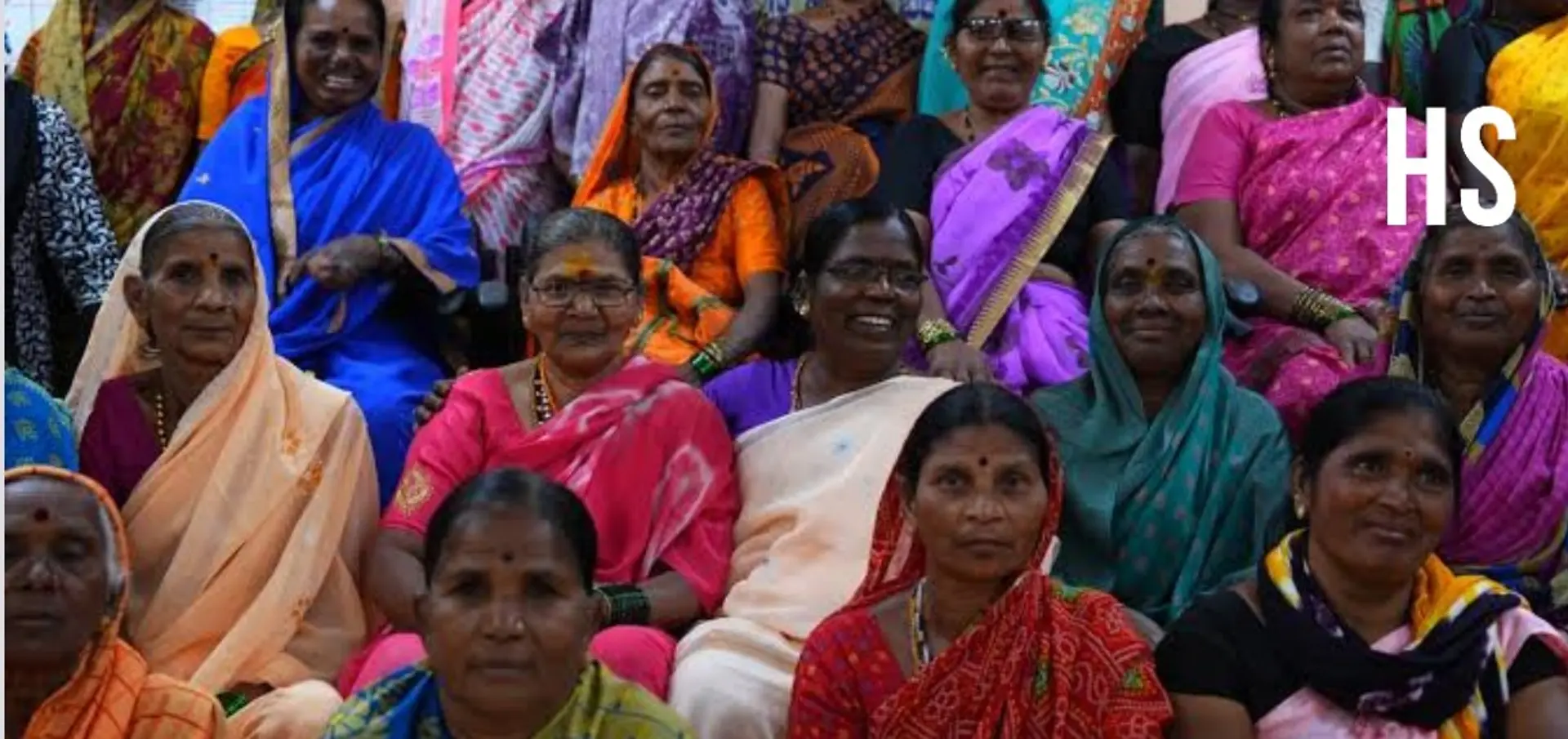

Vidya (name changed on request) was just 12 years old when she was ‘dedicated’ to the gods at a Yellamma temple in Belagavi district.
In the Devadasi system, “dedication” refers to the act of formally “offering” or “marrying” a girl to a deity. The ceremony, usually carried out when a girl is still a child or adolescent, is presented as a religious ritual in which she becomes the symbolic “wife of the deity” and is therefore forbidden from marrying a man.
A community priest or elder typically conducts the ritual, which may involve tying a tali (sacred thread) or placing bangles or a mangalsutra to signify marriage.
While framed as an act of devotion, in practice, it leaves the girl vulnerable to lifelong exploitation, as many are subjected to sexual abuse by dominant caste men in their villages and denied the right to family or social security.
Despite the Karnataka Devadasis (Prohibition of Dedication) Act, 1982, Vidya was forced into sex work by men in her community who justified it as part of her “ritual duty.” With no access to schooling or legal protection, she spent her life raising two children who were denied state benefits because official documents required a father’s name.
These persistent violations revealed the inadequacy of earlier laws and shaped the push for a more stringent and inclusive policy response. It is against this backdrop of ineffective enforcement and continuing exploitation that Karnataka has introduced a landmark reform, the Karnataka Devadasi (Prevention, Prohibition, Relief and Rehabilitation) Bill, 2025, aimed at dismantling one of India’s most longstanding practices of caste and gender-based oppression.
The law criminalises dedication ceremonies—imposing a minimum two-year prison sentence and Rs 1 lakh fine, increasing to up to seven years and Rs 2 lakh for repeat offences. When these ceremonies occur within temple premises, the law treats the offence as non-bailable and empowers authorities to investigate temple officials and management.
Historically, Devadasis were temple artists and custodians of ritual art, enjoying social esteem and economic support. Over time, however, the collapse of royal patronage and temple economies, especially during colonial times, stripped them of status and pushed many into systemic exploitation, often tied to poverty and caste marginalisation.
“Devadasis were attached to temples as singers, dancers and ritual caretakers, but with the decline of temple patronage under colonial rule, dedicated women were increasingly forced into sex work and bonded labour. Because dedication is rooted in caste hierarchies, Dalit and marginalised caste girls are disproportionately affected, perpetuating systemic oppression,” says T. Ramanjaneya of SNEHA India, an NGO at Vijayanagara, Karnataka.
SNEHA India works with the Devadasi community by organising networking and education forums for adolescent girls; offering training on child rights, protection laws (like POCSO and the Child Marriage Prohibition Act), as well as guidance on avoiding child marriage and sexual exploitation.
Though the 1982 Act outlawed the practice, and the 2025 Karnataka Bill seeks to further strengthen prohibition and rehabilitation, reports about covert dedications continue, particularly during local fairs and goddess festivals.
In addition, women who are primarily from Dalit and other marginalised communities, are frequently excluded from mainstream services. The National Commission of Women (NCW) reports that tens of thousands of Devadasis remain, with one 2008 estimate citing 40,600 Devadasis in Karnataka, which according to a survey by the Karnataka State Women’s Development Corporation, escalated to over 80,000 by 2018.
Community-based studies highlight systemic exclusion, finding that a majority of children from Devadasi households have been continuously denied government aid due to missing paternal data.
Wider inclusion needed
In 2022, the National Human Rights Commission (NHRC) issued notices to multiple state governments—including Karnataka, Andhra Pradesh, Telangana, and Maharashtra—after noting the continued existence of the Devadasi system years after its legal prohibition. They estimated over 70,000 women in Karnataka alone remain affected and called for accountability and detailed state action plans.
The new bill includes a crucial provision ensuring that children born to Devadasi women are entitled to inherit property from both parents, even if the father's identity isn't provided.
Notably, it affirms that these children can establish paternity through biochemical methods, including DNA testing, and claim inheritance from both parents.
The children will receive legal legitimacy, and naming a father on official documents is now optional. District legal services will offer free support to navigate these rights. This legal recognition shields them from exclusion due to missing paternal data, as children can claim their father's property if paternity is established — for instance through DNA testing — but listing the father's name is not mandatory on official documents.
Community pushback and the promise of inclusion
The Bill was shaped through extensive consultations led by National Law School of India University (NLSIU’s) Centre for the Study of Social Inclusion, involving more than 15,000 Devadasi women and children across 16 districts—marking a rare move toward participatory, justice-oriented policy-making.
Advocates have welcomed the law as transformative, yet critics caution that flaws in earlier surveys are being repeated.
On 23 June 2025, the Karnataka State Human Rights Commission issued a directive to the Chief Secretary to carry out a comprehensive statewide survey of all Devadasi women, with a deadline set for 24 October 2025.
While the Department of Women and Child Development is now preparing for this survey, its plan to include only women aged 45 and above has attracted strong criticism for repeating the exclusionary flaws of past surveys.
Poornima Ravi, director of the documentary ‘God’s Wives Men’s Slaves’ on the Devadasis of Karnataka, argues that many Devadasi women dedicated at a young age are currently under 40, and excluding them from data collection perpetuates invisibility and denial of rights.
Excluding younger survivors from the survey risks neglecting current victims and undermines rehabilitation efforts, says Ravi.
Among the repercussions, Human rights activists worry that the Bill doesn’t automatically resolve the systemic invisibility of younger Devadasi women, as those who are in their 20s, 30s or early 40s will not even be counted, meaning their needs for rehabilitation, livelihood support, or healthcare remain unacknowledged.
Furthermore, children may get access to schemes, but their mothers—the first-generation survivors—remain structurally excluded. A survey that only captures women over 45 produces skewed statistics, underreporting the scale of the problem. That, in turn, weakens the basis for designing targeted rehabilitation programmes for current victims, say community workers.
What lies ahead
For Devadasi survivors, the law is a beacon of justice—a chance to break free from entrenched stigma and obtain the respect, rights and protections long denied. It criminalises ritualised exploitation, legitimises children and affords them inheritance rights, and opens pathways to rehabilitation and state support.
However, real change rests on rigorous implementation: ensuring inclusive surveys that reach younger women, appointing vigilant protection mechanisms, operationalising legal aid and rehabilitation services, and guaranteeing that community voices remain central in enforcement.
Edited by Affirunisa Kankudti