



Why menstrual leave is essential for women’s health and workplace equity
The Karnataka government’s decision to offer one-day paid menstrual leave to women from all sectors sets a powerful precedent that other states should follow.

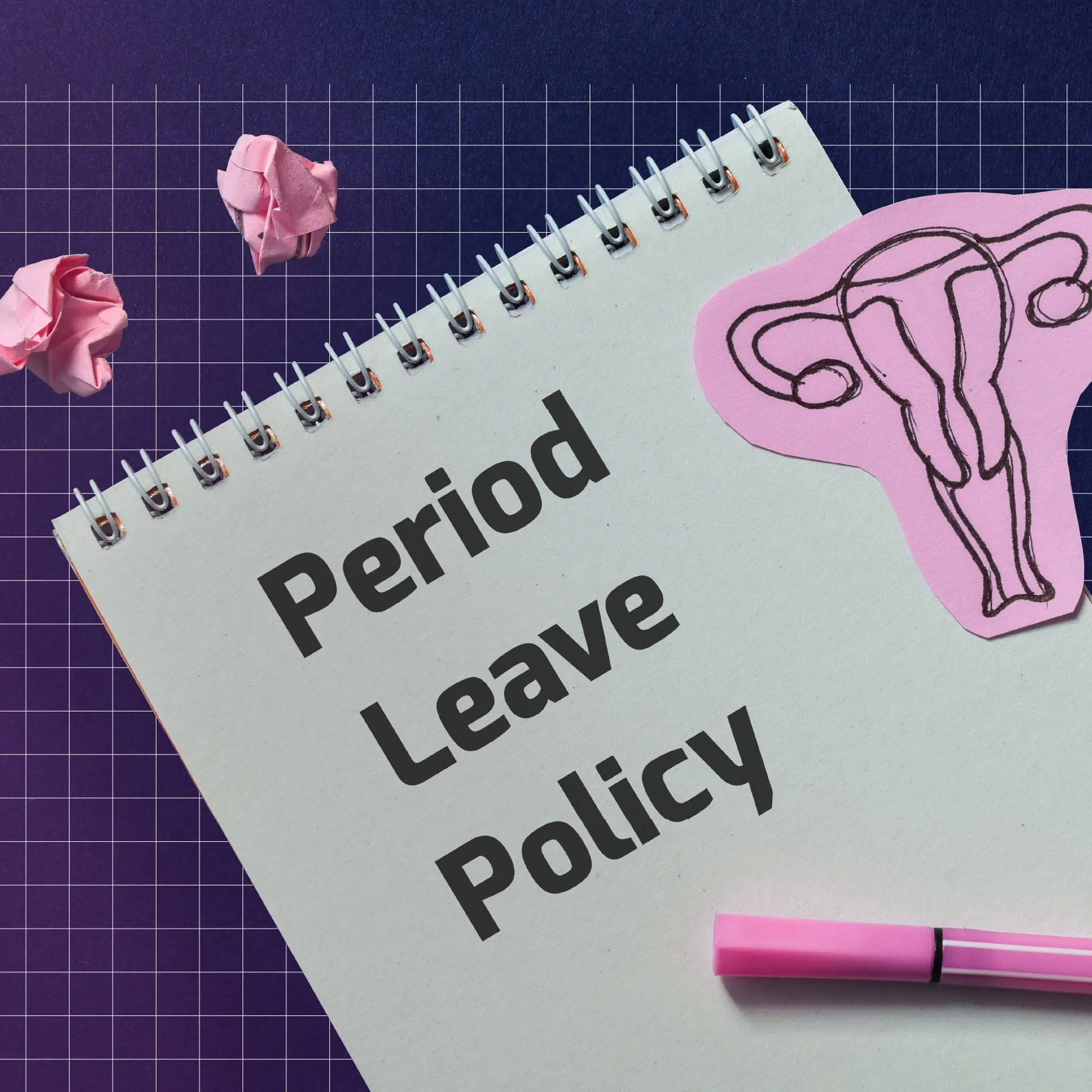

Last week, the Karnataka government announced a one-day paid period leave a month for women employees, bringing menstrual health and women’s health into the mainstream.
What makes the state’s Menstrual Leave Policy 2025 a landmark one is that it has included women employees across all sectors—public, private, and industrial, making Karnataka the first state in the country to do so.
Initially proposed as a six-day policy last year, it was revised to 12 days after consultations with stakeholders. This progressive move is expected to impact millions of women across the state, especially in IT, garment, manufacturing, and government sectors, setting a precedent for other states to follow.
Far ahead of the global discourse on menstrual leave, Bihar announced a two-day paid menstrual leave in a month in 1992. Odisha followed with a one-day paid menstrual leave a month for women. However, both states include only women in the government sector. Meanwhile, Kerala has a menstrual leave policy for females in state-run higher education institutions and Industrial Training Institutes (ITIs).
In the corporate sector, some private companies offer menstrual leave, including Zomato, Swiggy, Larsen & Toubro and Gozoop.
In a country of 355 million menstruating women, menstrual leave has been treated more as an exception than a norm.
During their menstrual cycle, women may experience a range of symptoms, including premenstrual syndrome (PMS), heavy bleeding, abdominal cramps, nausea, headaches, fatigue, and a general sense of unease or listlessness.
Common menstrual disorders include dysmenorrhea (painful cramps), oligomenorrhea (infrequent periods), and metrorrhagia (irregular bleeding). In addition, conditions such as endometriosis and polycystic ovary syndrome (PCOS), which affect a large number of women, can make periods more painful and debilitating.
In a 2023 Menstrual Hygiene Survey by feminine hygiene brand everteen, which included responses from nearly 10,000 menstruating women aged 18 to 35, 73% of women said they wanted companies to offer menstrual leave. Interestingly, 71.7% of them preferred these leaves to be unpaid, fearing that paid menstrual leave might make employers hesitant to hire women. The survey also found that 68.9% of women had taken leave from work during their periods, and 51.2% had availed it two or more times, underscoring the real impact of menstrual health on work attendance.
Which is why the Karnataka government’s decision is both inclusive and a bold policy intervention that recognises that the physical and mental well-being of menstruating women is integral to a healthy, equitable workplace.
For women’s health and dignity to take centre stage in workplace discourse, more state governments must follow Karnataka’s lead and introduce paid menstrual leave policies.
At the same time, Karnataka must ensure that its ground-breaking policy is effectively implemented, not just in large corporations but also in smaller private firms and the informal sector, including the rapidly growing gig economy. There should also be greater awareness about how menstrual leave can support women experiencing discomfort during their periods, without fear of stigma or judgment. For this, a cultural shift and acceptance are equally important.
(The story has been updated to correct a typo.)
Edited by Jyoti Narayan