



Auto Queens captures life beyond the spectacle of women’s empowerment
A new documentary on Chennai’s women autorickshaw moves beyond the usual narratives of inspiration and achievement, and instead, focuses on their everyday lives—friendship, anger, humour, and care.

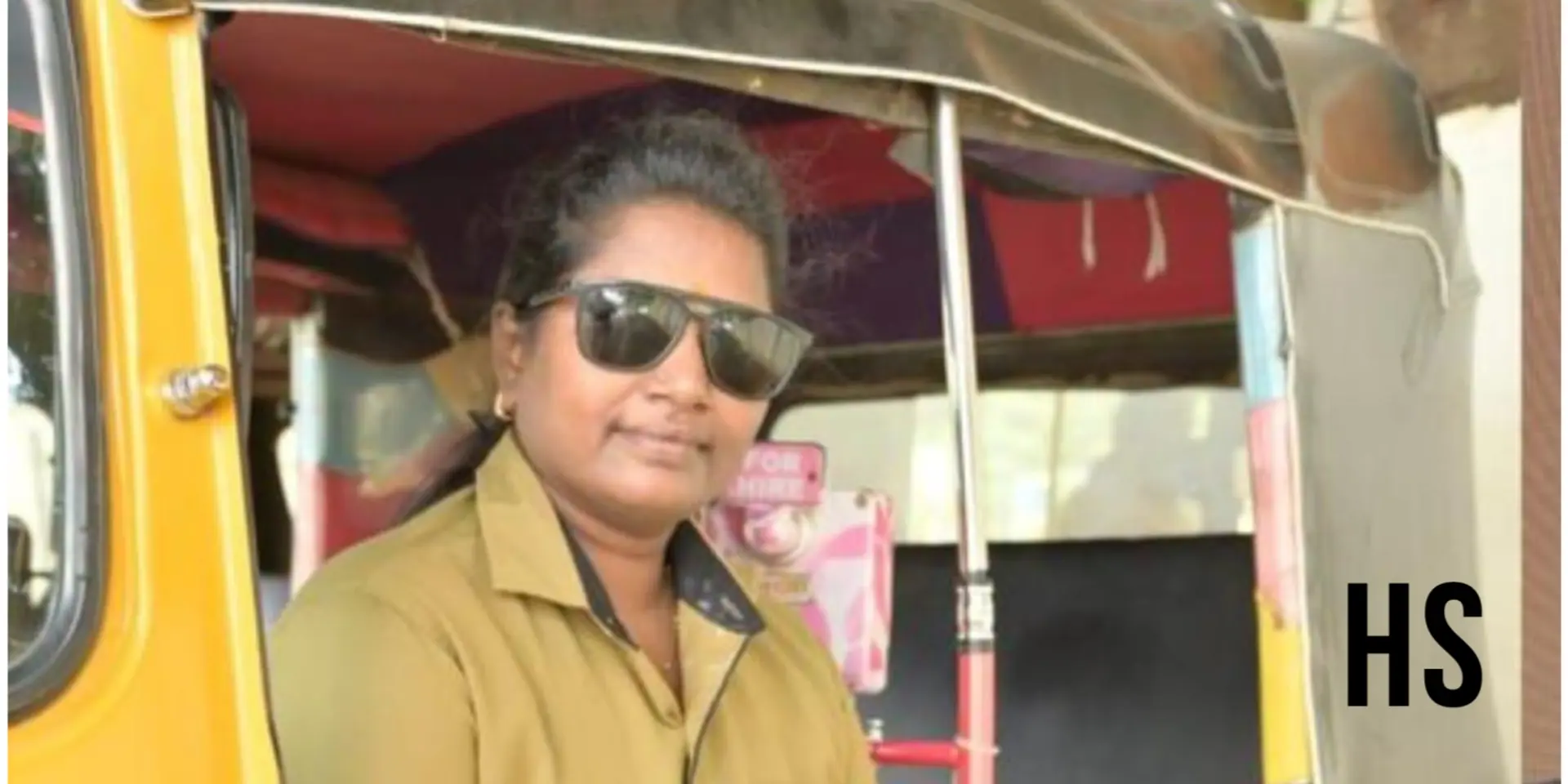

Stories of women “breaking barriers” have become a celebratory genre designed for inspiration. At a time when such hero-making narratives dominate public storytelling, Auto Queens, a documentary directed by H Sraiyanti, goes beyond virality and spectacle.
The documentary follows the Veera Pengal Munnetra Sangam (VPMS), India’s first registered union of women autorickshaw drivers in Chennai. Rather than positioning its subjects as exceptional figures battling adversity, it chooses to show us the unvarnished, often imperfect textures of their everyday lives.
Autorickshaw driving in Chennai is governed by formal transport regulations requiring commercial permits and licensed drivers. Yet, the system functions through unregulated networks. In this deeply male-dominated occupation, male drivers have control over auto stands and daily negotiations with traffic police, passengers, and fellow drivers—spaces where women’s presence is often contested. For women drivers, this translates into heightened vulnerability in the form of routine harassment, verbal abuse, and attempts to push them out of shared workspaces.
VPMS emerged in response to this vulnerability. It started as a small WhatsApp group where women drivers checked in on each other, shared warnings, and vented about daily humiliations. Over time, it grew into a registered union offering support for women drivers through small monthly contributions, low-interest loans, and legal and emergency support during illness or crisis.
The union also helps women drivers claim these spaces by standing by them when they are pushed out of auto stands, stepping in during conflicts with male drivers or authorities, and insisting on dignity in the profession.
Auto Queens largely follows the friendship between Mohana Sundari, President of VPMS, and Leela Rani, the union’s treasurer. Their bond, initially forged in shared resistance, has grown into a tender companionship shaped by small, everyday joys.
The film follows them not only through moments of confrontation, but through spending long hours on the beach, grieving their pasts, recounting their current struggles, but also spontaneously breaking into songs, sharing fresh fried fish and playful banters.
“This attention to the ordinary was intentional. I’ve always wanted to make films like this,” says Sraiyanti. She adds that the problem lies not in telling stories of struggle, but in how narrowly those stories have come to be told.
“Usually, the documentaries that are available for us to watch are very standardised, interview-based. You get snippets of people’s lives, but you don’t really get into it.”
Over time, she began noticing how much of people’s lives—including humour, rest and contradiction—remained outside the frame.
Also, films about marginalised communities cater to the curiosity of those far removed from those realities, says Sraiyanti. “It becomes about the struggle,” she says, “but no one’s life is just about the struggles. People live, laugh, celebrate, indulge in inane things. Fixating on suffering and struggle flattens lives, turns them into rags-to-riches stories or endlessly repeated tales of endurance.
While Auto Queens does not shy away from conflict, Rani’s fiery confrontations with men who harass or threaten her are central to the film. Known for her sense of justice, she often meets harassment head-on, sometimes getting into physical altercations with men. Sundari, by contrast, is more grounded and calm, leading Rani and other women drivers in the union towards resilience and community solidarity.
But the film is less interested in this contrast than in what emerges when the two are alone together.
This philosophy became evident during Sraiyanti’s early meeting with VPMS members at Sundari’s home. The conversation began predictably—how they entered the profession, the harassment they face, the changes they want the world to see. “But the minute everybody left, their dynamic was totally different,” recalls Sraiyanti.
“They suddenly became like sisters.” Watching them talk casually and tease each other, the filmmaker decided that she would capture the solidarity that stemmed from their friendship.
The film also tries to trace how women drivers navigate different parts of Chennai, and how caste, religion, and neighbourhood shape their experience of public space.
“The initial idea was always space,” she says. “What it means for women to occupy, traverse, and be contested within a city already deeply segregated by colonial and caste histories.
Sraiyanti’s choice to focus on the “everyday” also shaped how the film approaches politics. “When people hear the word union, they immediately take a step back,” she says. “It creates distance. But politics is personal. Politics is daily life, and this can be seen only beyond the big headlines,” she says.
Sound, she adds, was crucial. “Often, we overlook sound in documentaries,” she says, “but without it, everything falls flat.”
She says her sound team—Puthira Balan and Raghav—paid close attention to what was being said by the women, how anger and defiance were being voiced, and how they all carried meaning.
Capturing it required the team to remain invisible during shoot, while ensuring clarity and allowing the city’s noise to coexist with the women’s voices.
The film was shot by cinematographer Prem Akkattu for 16 days over a period of one year, giving the women ample breathing space and to capture their lives evolving through time.
When VPMS members finally watched the film together, the response affirmed this approach. The screening was filled with cheering and laughter.
“It felt like we were watching a big hero film,” Sraiyanti recalls. “But beyond that, I could see people feeling that they were seeing themselves on screen—their own lives reflected back to them.”
Edited by Megha Reddy