



How Gen Z is rewriting the mental health narrative, one vulnerable conversation at a time
Often called the anxious generation, Gen Z is rewriting the rules on mental health. They are having open conversations, understanding their challenges and vulnerabilities, and are not afraid to seek help.

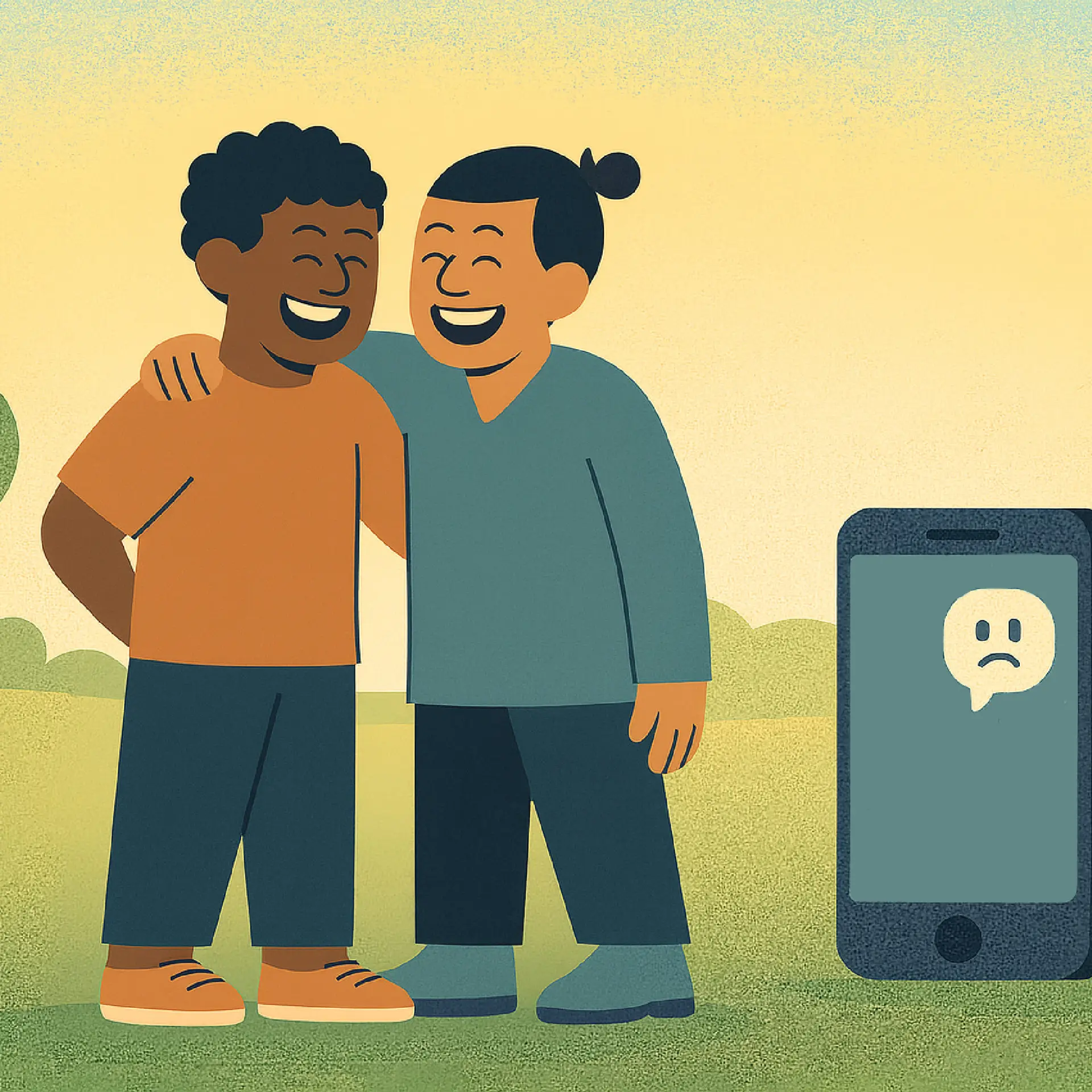

India is home to over 374 million Gen Z youth who are navigating mental health challenges like never before. According to Deloitte’s Gen Z and Millennial study 2025, four in 10 (about 40%) Gen Z respondents say they feel stressed and anxious most of the time.
The Economic Survey 2024-25 backs this up, flagging a 15% spike in mental health concerns among youth, with suicide risks increasing by 22% and general distress cases by 17%.
In his book, The Anxious Generation, Jonathan Haidt delved into the mental health crisis affecting Gen Z, and attributed it to the "great rewiring" of childhood. This transformation is characterised by a shift from play-based to phone-based childhoods, significantly impacting adolescents’ mental well-being.
This shift has contributed to Gen Z being called the “anxious generation.” But here’s what the numbers don’t capture: whether this generation is truly more anxious, or simply more willing to acknowledge it and take action.
SocialStory takes a deep dive into how Gen Z is navigating the complexities of mental health in a hyper-connected world by speaking up, seeking help, and rewriting the narrative.
Sasha Ranganath, 25, a communications specialist in Bengaluru, took a bold step towards self-awareness by deleting his Instagram account last month.
“I kept catching myself doomscrolling and it was really numbing my mind. So many different emotions being triggered in such a short span of time is like a shock to the brain,” he says.
Social media and the cost of constant comparison
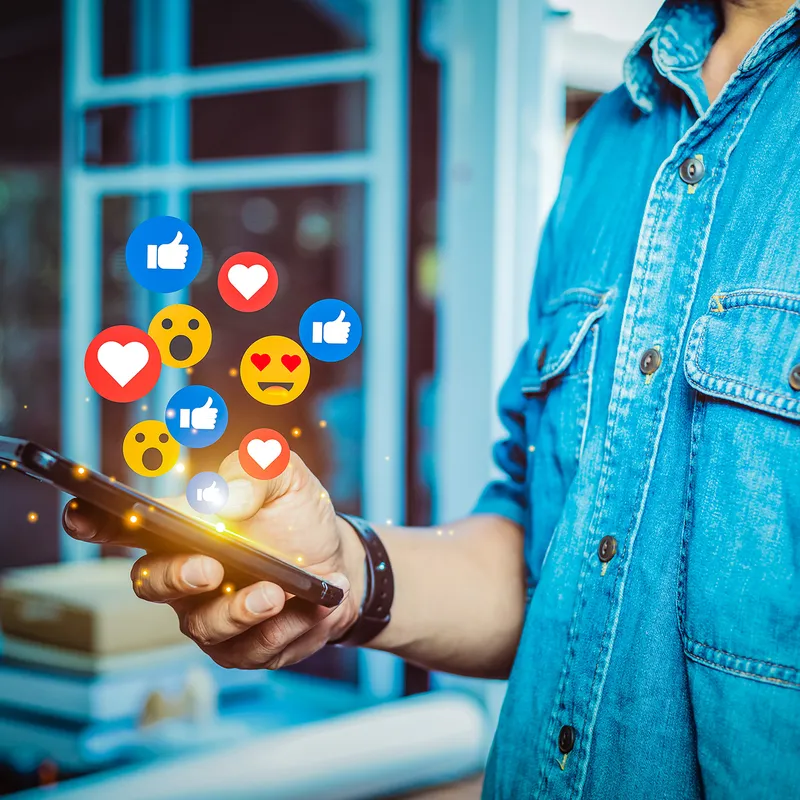
Social media offers the validation Gen Z craves but extracts their self-worth in return.
Despite being a great connector, Gen Z has a complicated relationship with social media. It offers the validation they crave but extracts their self-worth in return.
“Social media is the boon and bane of our generation. It is paradoxical because on one hand, it has made us well-informed and kept us connected, but on the other it has affected our ways of living in the real world and engaging with others,” points out Manasi Prabhabkaran, a 23-year-old Delhi-based research communications and advocacy specialist.
Sarah Sarosh, 26, a Mumbai-based beauty and lifestyle creator, started making content in 2017 to address the gap she saw—real Indian skin, hormonal acne, unfiltered beauty. But even she feels the pressure.
“There’s an unspoken pressure in the digital space to always look your best, to be polished, upbeat, and camera-ready. In the beginning, it used to affect me a lot. When you pour your energy into a video and it doesn’t perform, it can feel personal,” she explains.
Bidisha Samanta, clinical psychologist at Rocket Health, puts this into perspective. She believes social media has its positives and negatives.
“The positive is probably that there’s a lot more awareness about certain things and increased scope of information sharing and connection. But yes, social media can also influence a lot of things and especially in age groups that might be more vulnerable or impressionable,” she says.
Aditi Gupta, 23, observes, “Pictures or updates online creates a fake sense of intimacy and connectedness while our effort to meet in real life has gone down. After seeing only airbrushed pictures and unobviously heavily edited pictures on my feed, I occasionally feel terrible about my skin.”
Kashika Kumar, 18, says, taking a gap year has led to anxiety compounded by social media.
“I keep seeing people my age or younger than me with four internships under their belt, building their own business before they have turned 21. I've been told that everyone's journey is different and what matters is the path you take, but sometimes it's hard to focus on the journey when you feel like your path isn't leading you anywhere,” she says.
But recognising the signs of social media fatigue has paved the way towards self-awareness and understanding realities.
For 21-year-old Adithya V from Bengaluru, the solution was radical: he quit social media entirely and accepted that “life is a lot better on the other side.”
“It gets quieter, slower, and a lot more real. I actually started noticing how much unnecessary space it used to take up in my head."
Sarah has learned to separate self-worth from the analytics. “The algorithm may fluctuate, but what stays constant is the bond with my audience. I remind myself that even if a video reaches a thousand people instead of a hundred thousand, if it impacts even one person positively, that's enough to keep going,” she notes.
The relationship conundrum
In a world of extreme “connectedness”, Gen Z is navigating a marketplace of swipes, matches, and situationships that often leave them feeling exhausted and disillusioned.
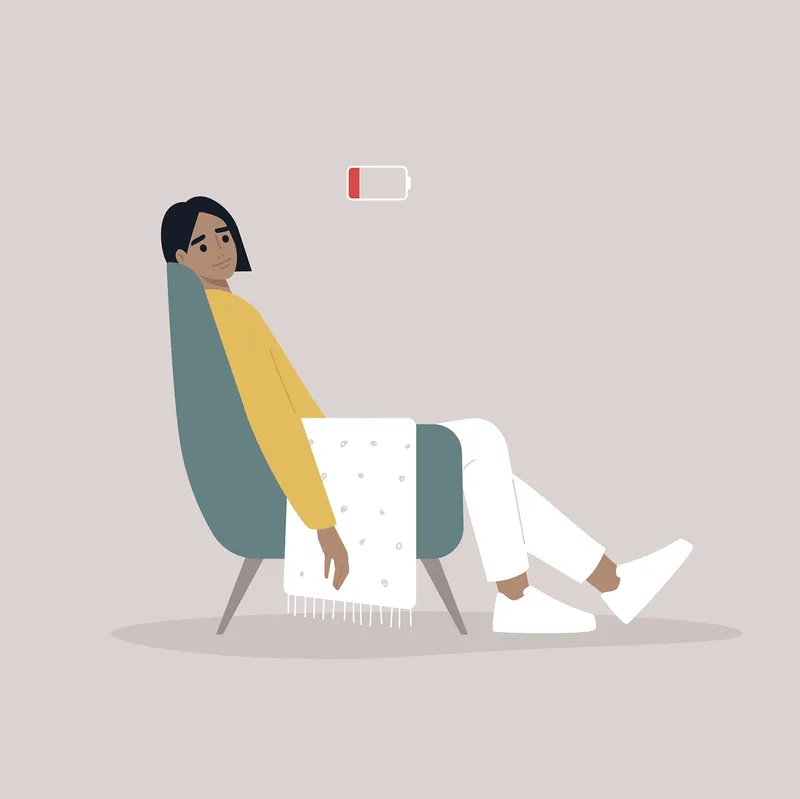
Navigating relationships can often leave Gen Z feeling exhausted
Sarah believes that dating apps have made connections more accessible but also more complicated.
“'Situationships can blur emotional boundaries—you think you're okay with casualness, but sometimes it leaves you feeling drained or uncertain. I think it's important to know what you are looking for and communicate that honestly. Emotional clarity is underrated in this generation,” she says.
Sasha's experience elaborates on this exhaustion: "Having several short-lived romantic pursuits burns me out. Meeting people through dating apps puts pressure to feel romantic feelings towards them and only pursue romantic relationships with them. The baseline friendship is non-existent,” he adds.
Bidisha confirms that relationship stress figures hugely in her interactions with Gen Z.
“People often tell me that they are exhausted with dating apps—lack of seriousness, ghosting, transactional nature of relationships, repeated rejections, but are also wary of the traditional route of arranged marriage where there is typically much less time to get to know a person or form a connection,” she says.
Not afraid to seek help
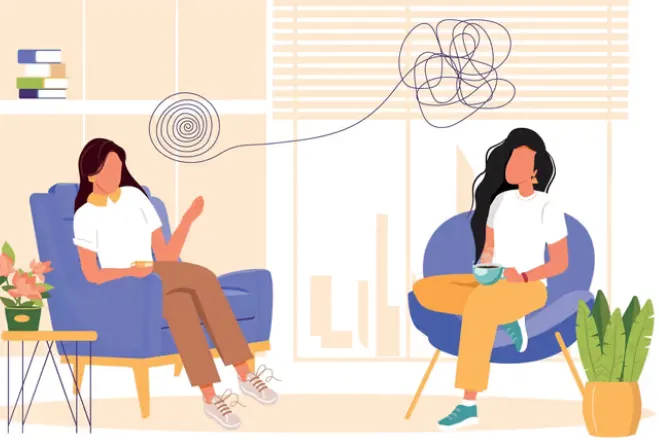
Gen Z is open about having conversations about mental health and seeking therapy
As a generation largely informed on mental health, Gen Z does not treat its feelings as a shameful secret or view therapy as a stigma, even if it resorts to online AI tools for support.
Manasi's therapy experience transformed her: "It has changed my life. I have been able to navigate difficult situations and it has helped me process a lot of emotions and past experiences. I often leave the therapy room feeling a lot more authentic as a person,” she reveals.
Sarah echoes this: "I started therapy when I was feeling overwhelmed juggling multiple roles—content creation, running a business, and just being a 20-something figuring life out. Therapy helped me understand that it's okay to not have everything under control. It gave me better coping mechanisms, and a safe space to just talk without being judged."
Bidisha says, “Gen Z is definitely more proactive when it comes to reaching out for help." However, she emphasises the irreplaceable human element.
"From my professional experience, it is difficult to replicate the expertise, empathy and the sheer human connection of the therapeutic relationship which an adequately trained mental health professional can bring in.”
However, beyond therapy, this generation also has its own coping strategies.
Aryan Pandey, a 22-year-old Delhi-based social sector consultant, says, “I try to calm myself down. I solve the Rubik’s Cube, listen to music, or if nothing works, just sleep for a few hours.”
Kashika finds comfort in simple activities like taking naps, or playing with her cat.

The “anxious generation” label
Is Gen Z more anxious than previous generations or just open about and honest about their feelings?
Manasi argues that generations before have had their own anxieties but have not found the space to express those.
Sasha agrees: "I think we accept our anxieties. There is more recognition of the things that worry us. We admit when we are stressed instead of just grinning and bearing it. It's just that ours is more visible."
Devashish Pandey, 27, who works at the intersection of education and social change says: "I think we are the aware generation. We see the cracks, we want to fix them. The anxiety comes from caring deeply, not from weakness."
Aditi believes that her generation has the words for what they feel. “We are able to label things better when it comes to mental health.”
Aryan offers another perspective: "Gen Z is not the anxious generation. However, it is a generation that has to battle amnesia. Digital memory is what frames our consciousness in this generation and that memory is very easily malleable."
Kashika defends her generation by pointing at the disproportionate burden it has to carry—navigating a global pandemic, the rise of AI and other challenges.
“I think we are labelled as anxious because we are constantly looking for ways to level up and upscale and make sure we are not left behind.”
Sarah is pragmatic in her acceptance. “We are navigating a world that's louder, faster, and more connected than ever before, which naturally comes with anxiety. But at the same time, we are also the generation talking, healing, unlearning, and seeking help.”
Adithya looks at both sides: “Yes, because people are so invested in social media and often end up comparing themselves to others, which can make life feel heavier and stressful. But no, because openly talking about mental health and seeking help doesn't really make an entire generation anxious.”
“They are more open, vulnerable and flexible and I see a readiness to 'unlearn' which is very encouraging. They also aim to make their own choices and find support in each other. They are also able to see and know much more about the world and what's going on in it more than any other generation before them and this is a privileged position,” says Bidisha.
Finding reasons for optimism
Despite the disconnect between social media perceptions and reality, the loneliness, pressures, and uncertainties, it’s heartening to see Gen Z being optimistic about what they want.
Manasi wants to work in the mental health policy space to create safeguards and support within larger systems for individual well-being, particularly for young people and marginalised communities.
For Sarah, hope comes from connection. “Every message, every comment from someone saying my content made them feel seen or confident,” she says.
Sasha finds it in the conversations that Gen Z is having about mental health. “The more we talk about it, the more seen and safe we feel."
“They just need the right role models, people who live their values quietly but consistently. That gives me real hope," says Devashish, who is convinced of the potential of his generation, its energy, creativity, and courage.
Kashika simply says, “Gen Z finds a way out. We always do."
For Adithya, positivity is grounded in the belief that how you see life is how life happens to you.
Aryan finds hope in humanity. “The common people, and their humaneness despite everything that's happening to them. That makes me feel that there's still hope!"
Aditi borrows words from comedian Vir Das to drive home her point. “It is the prerogative of every generation to challenge the norms before us. Sure, we might be heading towards an irreversible climate doom but racism, slavery, independence has been fought for before us. Perhaps this is how every generation feels? There's still time and I choose to remain hopeful and actionable during that."
Bidisha has simple words of advice for Gen Z. “You are a generation which is more open and unapologetic about themselves and this is great. However, there is no harm in slowing down, being patient and doing things at your own pace instead of succumbing to the 'rat race'."
Edited by Megha Reddy