



How Mishika Singh is cutting through India’s legal red tape to make rights real for citizens
For women, workers, and families caught in the maze of legal bureaucracy, Delhi-based Neev Foundation is bridging the distance between knowing one’s rights and being empowered to use them.

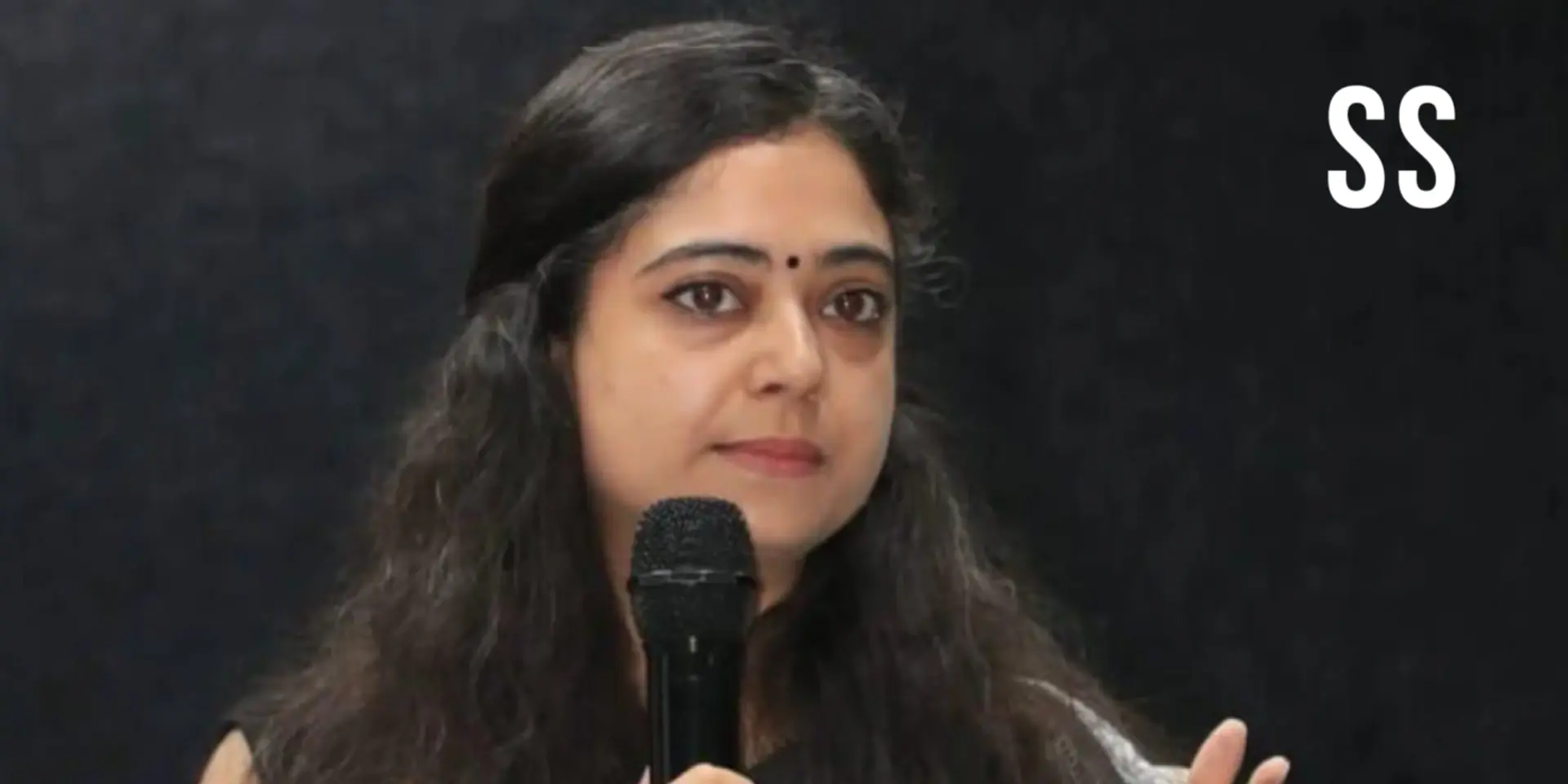

In a country where laws promise protection but access remains a privilege, Mishika Singh's Neev Foundation is a rare bridge cutting through the procedural grind that defines most legal processes in India.
The Delhi-based lawyer says Neev grew from a simple yet unaddressed understanding that the law, while meant for everyone, is accessed by only a few. Singh’s organisation steps into that gap—meeting women, workers, and families—where rights exist only on paper, and helps translate them into reality.
When the Delhi riots broke out in February 2020, Singh had already begun mobilising volunteer lawyers to help detained protestors during the Citizenship Amendment Act demonstrations a few months earlier.
“I created a group called Lawyers for Detainees, and within a day, it reached a WhatsApp limit of 256 members,” she tells SocialStory. Those initial days soon evolved into a more sustained mission.
After the riots, Singh, along with other volunteers, entered the ravaged neighbourhoods of northeast Delhi and found survivors holding forms for government compensation, but with no idea what to do next.
“So many of them couldn’t read or understand the forms. They didn’t know what documents to attach or where to submit them. And to top it all, they were already very traumatised,” says Singh.
The team started with legal camps—not to represent these people in court—but to help them navigate the process. The team registered First Information Reports (FIRs), filed claims, and followed up relentlessly with police stations. Within weeks, they were assisting more than 400 families.
When the COVID-19 lockdown was imposed soon after, the lawyers could no longer travel, and riot victims who had fled their homes were trapped elsewhere. “When people returned, they discovered their homes destroyed. But by then, the government had closed applications for compensation. We argued that it was unconstitutional to set deadlines when people were still under lockdown,” Singh says.
This case became a turning point as it exposed how opaque the compensation process was. Singh explains, “There were no clear criteria for assessing damage. Most people got less than a lakh, and no one knew how these amounts were calculated. You can’t challenge a number when you don’t know how it’s been derived.”
Neev Foundation was born from that frustration in July 2020. Its name, meaning ‘foundation’ in Hindi, symbolising the structural work it set out to do.
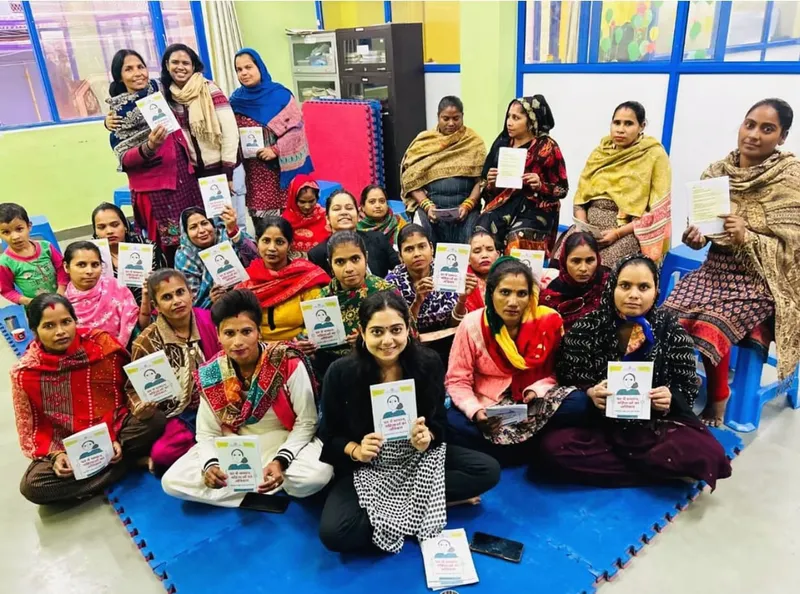
Neev works on three broad fronts—access to justice, gender-based violence, and human rights awareness. Its clients include riot victims, survivors of domestic violence, women workers in informal sectors, and families entangled in bureaucratic or civic disputes.
Today, Neev works on three broad fronts—access to justice, gender-based violence, and human rights awareness. Its clients include urban poor with little to no education who are riot victims, survivors of domestic violence, women workers in informal sectors, and families entangled in bureaucratic or civic disputes. The organisation’s approach is participatory—blending legal awareness, mediation and legal aid.
“We realised that the people we work with can’t just Google ‘what to do if my cheque bounces’ or ‘how to file for maintenance.’ So, we start with awareness sessions,” says Singh.
The sessions, held in partnership with local NGOs, cover the Protection of Women from Domestic Violence Act, POSH (Prevention of Sexual Harassment), and Protection of Children from Sexual Offences (POCSO).
“We make it clear at the very beginning that we’re not here to ask anyone to go to court or fight their families,” she adds. “We just want them to know what the law says for them—because it’s theirs.”
What emerges from these sessions is often an important shift. Knowing one’s rights, says Singh, doesn’t always lead to immediate litigation, but it can restore a sense of agency. “Once women understand that the law acknowledges their suffering, even if they don’t act on it immediately, they start seeing violence for what it is, not just as destiny.”
While Neev handles various forms of community disputes—from evictions to workplace harassment—gender-based violence remains at its core. Singh, who has practised family and matrimonial law since her early years as a lawyer, speaks with the fatigue of someone who has seen how slow justice can be.
“Matrimonial litigation drains people. There’s never just one case. A woman may file for domestic violence, demand maintenance, get an FIR registered—all of which can take years. Even getting interim relief can take months.”
That’s why Neev’s model prioritises mediation before litigation. Singh explains, “If mediation can work, it saves years of trauma. A year of dialogue is still better than 15 years of court dates.”
The team’s mediators—all external—help parties reach settlements that can then be legally formalised. “We tell our clients honestly what to expect. Court isn’t quick, and no amount of money compensates for the years lost fighting.”
Singh’s insistence on steering clear of court cases is deliberate. “Criminal work is important, but it’s also all-consuming,” she says. “I wanted Neev to remain accessible—to focus on people who fall through the cracks of the legal system, not get lost in its machinery.”
Her experience during the riots reaffirmed that decision. “We weren’t fighting ideological battles. We were just trying to make sure people could file an FIR, claim compensation, or get back on their feet.”
In a system where legal rights often stop at the courthouse gate, Singh has created an alternate model of justice—one grounded in everyday access, empathy, and education. Its walk-in office functions as both a legal aid centre and a listening space. For many first-time visitors, Singh says, “it’s the first time someone has explained their rights to them without judgment.”
Reflecting on her journey, she remains clear-eyed about what drives her. “The law is supposed to be for everyone, but if people don’t know their rights, it fails them. Our work is to make that knowledge usable.”
In a country where justice often moves more slowly than healing, Neev stands for being a foundation—just as its name promises—on which ordinary people can begin, once again, to stand their ground.
Edited by Suman Singh