



6 organisations breaking barriers in menstrual health and hygiene across India
Across India, several social impact organisations are redefining menstrual health through awareness, access, and innovation.

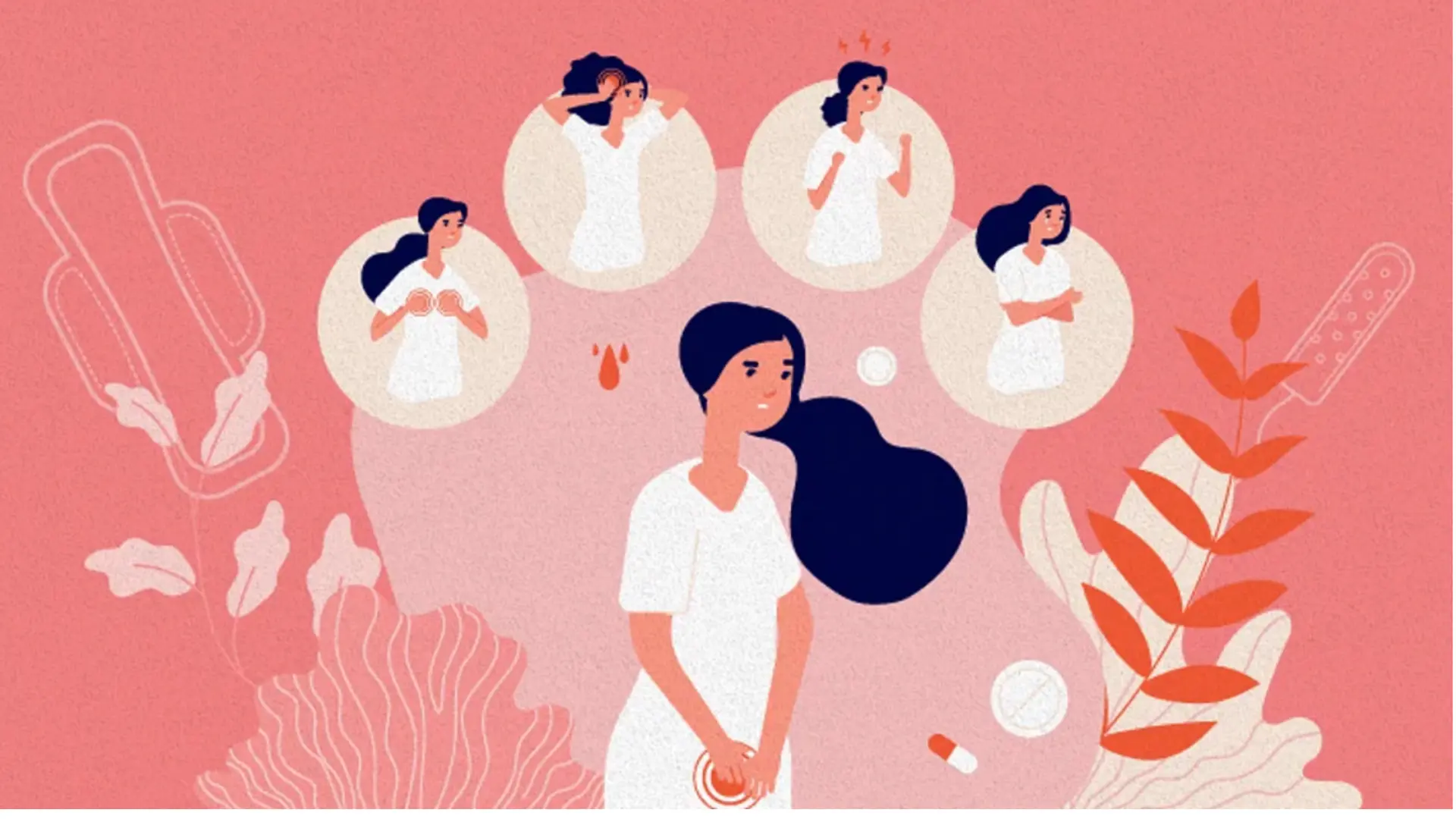

For millions of women and girls in India, menstruation still remains taboo. The lack of access to affordable products, hygiene facilities and awareness of menstrual health can negatively affect their health, education, and economic opportunities.
To dissipate the stigma around menstrual health, the need is to have more conversations that pave the way for awareness, acceptance, and dignity for every woman.
A number of organisations are designing sustainable menstrual products, leading community initiatives to spread awareness, and working towards changing mindsets on menstrual health.
Here’s a look at impact-driven organisations working in this space in India:
Sanitree
Founded by Ishu Shiva and a group of University of Edinburgh students, Sanitree combines education, sustainability, and livelihood creation to tackle period poverty at its roots. Its mission is to ensure that “periods should never be a barrier to opportunity for menstruators.”
Located in the slums of Jaipur, Sanitree’s “Her Shakti Centre” is a grassroots production hub where local women stitch and craft reusable cloth menstrual pads.
To date, Sanitree’s reusable pads have reached over 11,500 women in India and abroad, with more than 95% of users from disadvantaged backgrounds. The pads are designed to last for 150-200 washes (about two years of use), significantly reducing waste and cost compared to disposable pads.
Beyond product manufacturing, Sanitree emphasises education and informed choice: it has delivered sessions in 109 schools, reached 3,100+ women with outreach, and offered training that includes other menstrual products like cups, tampons, and cloth pads, emphasising choice rather than pushing a single product.
FLOW Pads
A project of the Sanshil Foundation, FLOW Pads was founded in 2020 when Aanvi Kanodia, aged 15 at the time, noticed girls in her school stopped attending once they began menstruating. She found that the lack of period products and cultural taboos were keeping girls out of school. This discovery prompted the launch of the initiative focused on rural Haryana/Delhi.
The team conducted community research, prototype testing and design revision, showing various menstrual product options to mothers, collecting feedback, adjusting features (for example, adding buttons for adjustment), and then training women in a village stitching unit to produce cloth pads. The initiative also created employment for rural women.
FLOW Pads distributes about 100 “kits” per month (each kit includes 2-3 cloth pads and an instruction manual with pictorial guide to cleaning). It has distributed 25,000 kits (~80,000 pads) so far. The production cost per kit is about Rs 150. The team source fabric waste from industrial units (in Manesar, Gurugram) for the products, blending sustainability with social impact.
Chuppi Todoh
Chuppi Todoh (“Break the Silence”) is an initiative founded by Delhi school students, led by Priyanshi Bagga, to tackle menstrual taboos in rural India. The organisation is run by young changemakers in rural settings, seeking to address the infrastructure, awareness and stigma around periods.
Their efforts include installing sanitary pad vending machines in government schools, running menstrual hygiene workshops, and building connections with self-help groups so that women can access affordable sanitary products. They emphasise both infrastructure and dialogue; they want girls not to drop out of school simply because of menstruation.
Ujaas
Ujaas is a non-profit initiative under the Aditya Birla Education Trust, started in 2021 by Advaitesha Birla. Its inaugural drive was to bring menstrual health awareness and hygiene to grassroots levels across India.
Its flagship project was the “Menstrual Health Express”—a mobile awareness van that travelled across 25 states and 106 cities in 2024, covering 10,000+ kilometres. The van arrived on location, distributed reusable pads, conducted baseline surveys into local practices and beliefs, and ran awareness sessions, including street plays, talks, and engaging mothers/fathers/teachers.
So far, Ujaas has organised over 17,000 awareness sessions, distributed 50 lakh sanitary napkins, and impacted 6 lakh lives.
Gramalaya
Gramalaya is an NGO working for 36+ years (in Tamil Nadu, and other rural/tribal/coastal areas) focusing on water, sanitation and hygiene (WASH). Its project “WASHMAN” (Water, Sanitation, Hygiene education, Menstrual hygiene & Nutrition) is specifically designed for villages with low toilet coverage to provide integrated sanitation, menstrual hygiene, and nutrition.
In one village in Pudukkottai district (Mullikapatti), women previously had to wake early, go out into fields, use a single sanitary napkin for long hours, and face infections and pain. Under Gramalaya’s intervention, the village has built 260 homes with concrete bathrooms and shifted almost all women of menstruating age to use washable, reusable cloth pads, with trained volunteers in each village helping with education, cloth-pad use, sterilisation and drying.
Gramalaya also links menstrual hygiene to broader issues: open defecation, water-borne diseases, sanitation workers’ safety, and environmental impact of disposable sanitary pads (which take ~800 years to degrade). They train women volunteers, create SHGs (self-help groups) to stitch pads, and help raise awareness about how products and practices affect health, environment and gender dignity.
Her Haq
Delhi-based youth-led NGO Her Haq, founded by Aanya Wig and Soumya Singhal, promotes gender equality through menstrual hygiene management, legal literacy, and financial literacy.
Under its menstrual hygiene work, Her Haq runs offline workshops in Delhi, educating girls and women about menstruation, what products they can use, addressing the myths and stigma around it, and helping them navigate reproductive health issues such as PCOS and endometriosis. Over 10,000 sanitary napkins have been distributed via its #SpotTheStigma campaign.
Edited by Kanishk Singh