



One in three children in India still lacks essential services, finds UNICEF
With 206 million children lacking access to at least one essential service, and 62 million facing multiple deprivations, UNICEF’s findings show how deep structural gaps continue to shape childhood wellbeing despite decades.

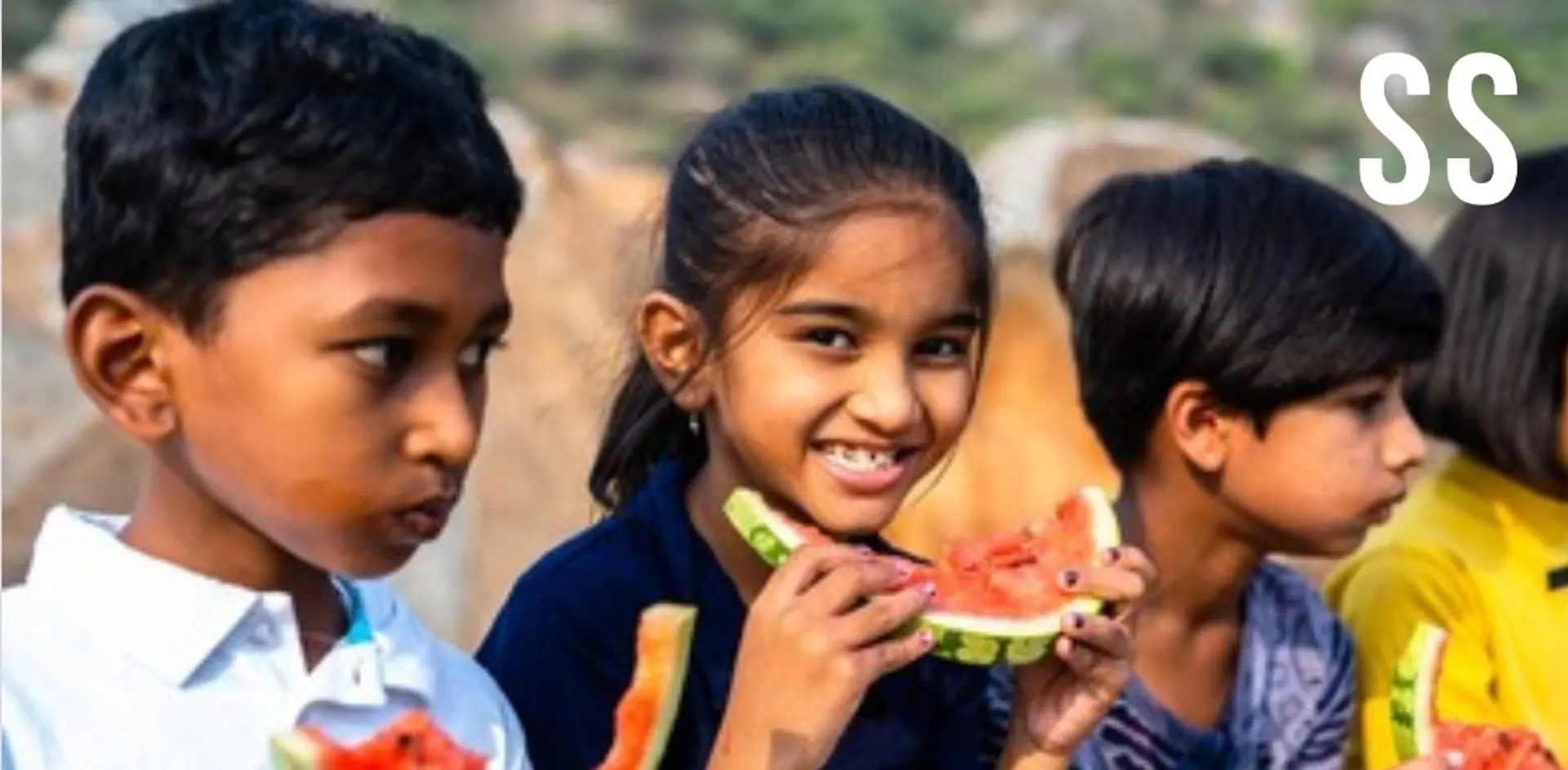

Last week, UNICEF released its 2025 edition of The State of the World’s Children report—its flagship study and one of the most widely cited annual examinations of children’s wellbeing across the world.
And it is a sobering reminder of how far the world still is from giving every child a secure chance at a healthy, creative life. Mapping deprivation across six essential needs of childhood—education, health, nutrition, housing, water and sanitation - the report shows that even today, more than one in five children in low and middle-income countries remain “severely deprived” in at least two of these vital areas.
According to the UNICEF report, India is expected to have 365-370 million children by 2050. Overall, it is home to roughly 460 million children, making it home to the largest child population in the world. The report says 206 million of them lack access to at least one of the six essential services, and 62 million endure multiple deprivations.
These numbers are a reminder that even as the country works toward poverty-reduction goals, a large portion of its children continue to face structural deprivation that cuts across health, nutrition, sanitation, housing and education, impairing wellbeing on a day-to-day basis, in addition to their futures.
Where India remains trapped
India’s economic progress has not necessarily translated into better nutrition for children. While the overall undernourishment among children has declined over the decades, recent data shows an ongoing malnutrition crisis.
According to official data from the National Family Health Survey (NFHS) 5, 35.5% children under 5 years are stunted, 19.3% severely malnourished and 32.1% underweight.
State-level evidence further substantiates this. In a recent report, Odisha’s Women and Child minister Parvati Parida revealed that nearly 9,877 children aged between six months and five years in the state were recorded as suffering from severe acute malnutrition (SAM). Similarly, in Maharashtra, the official registry for early 2025 listed roughly 1.82 lakh children as malnourished, including 30,800 with SAM and many more with moderate acute malnutrition (MAM).
Analysts call this ‘nutrition enigma’, which refers to how even as incomes and food supply rise, many children remain undernourished because of poor dietary diversity, inequality, inadequate sanitation, and gaps in food-security programmes.
Compounding this, rising food inflation in 2024–2025 has eroded the nutritional quality of school-meal programmes, and this has affected marginalised children the most.
Institutional gaps, service delivery lags and uneven social protection
The UNICEF report itself identifies the lack of access to basic services as an often structural problem compounded by poor sanitation, inadequate housing, limited water supply, gaps in education and health systems, and insufficient social protection.
On the ground, these gaps can be seen in day-to-day realities. For example, in some regions, children with severe malnutrition “vanish” from nutrition-surveillance systems, most likely due to migration, administrative lapses or poor record-keeping. This shows how even existing programmes (like anganwadi-based food distribution) struggle with implementation.
In states like Maharashtra, malnutrition remains high in urban zones, affirming that deprivation is no longer only a rural issue, reports by BMC, NHFS5 and UNICEF show.
Meanwhile, overlapping deprivation, say, a child lacking both clean water and adequate nutrition, or sanitation and schooling, creates a complex web of disadvantages that simple income-based poverty measures miss or never address.
Considering these factors, UNICEF’s report offers a multidimensional framework matters, as it captures the compounded risks many millions of children continue to live under.
Recent research based on national health data also shows how socioeconomic inequalities deepen the challenge; several policy outcomes vary sharply with disparities of income, caste, gender, and geography, even when aggregate indicators seem to be improved.
Food security and inflation
In recent years, rising prices, climate shocks and growing inequality have made it harder for many families to afford enough nutritious food.
A 2025 review of food-security data shows India continues to have some of the highest rates of child wasting in the world. Inflation has also weakened the impact of school meals and other food-support programmes, with teachers and researchers warning that poorer diets with less protein, fewer vegetables and watered-down milk could harm children’s growth and development.
Where things are improving and what works
However, not all data is bleak. Some state-level interventions show improvement and promise
In 2025, a community-based nutrition pilot in the tribal districts of Maharashtra significantly reduced severe malnutrition among 21,000 children in just under a year by almost 50%. The programme combined locally prepared nutritious food, community participation and stronger anganwadi engagement to deliver successful results.
In rural Maharashtra, concerted efforts under supplementary nutrition have also improved anganwadi staffing and better monitoring, reducing malnutrition numbers. Urban pockets, however, continue to lag according to reports.
At the policy level, the same UNICEF report says that more than half of India’s children now have access to six basic services (a rise from previous years): education, health, nutrition, housing and water, demonstrating the impact of expanded social protection and public-service investments.
Where to go from here
All this data and ground reports show that eliminating child deprivation in India requires more than economic growth. It requires systemic commitment to nutrition, sanitation, social protection, equitable service delivery, and responsive institutions.
Policymakers must recognise that deprivation is multidimensional, which means fiscal commitments must prioritise holistic child welfare that goes beyond just food or cash benefits, but includes sanitation, safe housing, education access, water, health and regular monitoring.
There is also a need to scale up community-based and context-specific interventions like locally run nutrition programmes. The success in tribal districts shows that locally adapted solutions, when backed by political will, can outperform one-size-fits-all solutions.
Social protection must also reach the most vulnerable groups, including migrants, urban poor, children with disabilities, tribal communities, and transient populations. Implementation, record-keeping and continuity must improve so no child “vanishes” from the system.
Finally, improving child wellbeing must be central to India’s development paradigm. The fact that 206 million children still endure deprivation, despite decades of development, should spur greater urgency in policymaking.
What remains is the collective will to turn insight into action.
Edited by Affirunisa Kankudti