


Six groups using art for social healing in India
From street theatre and murals to dance therapy and cultural festivals, these initiatives use creative expression to address trauma, stigma, and exclusion in marginalised communities.

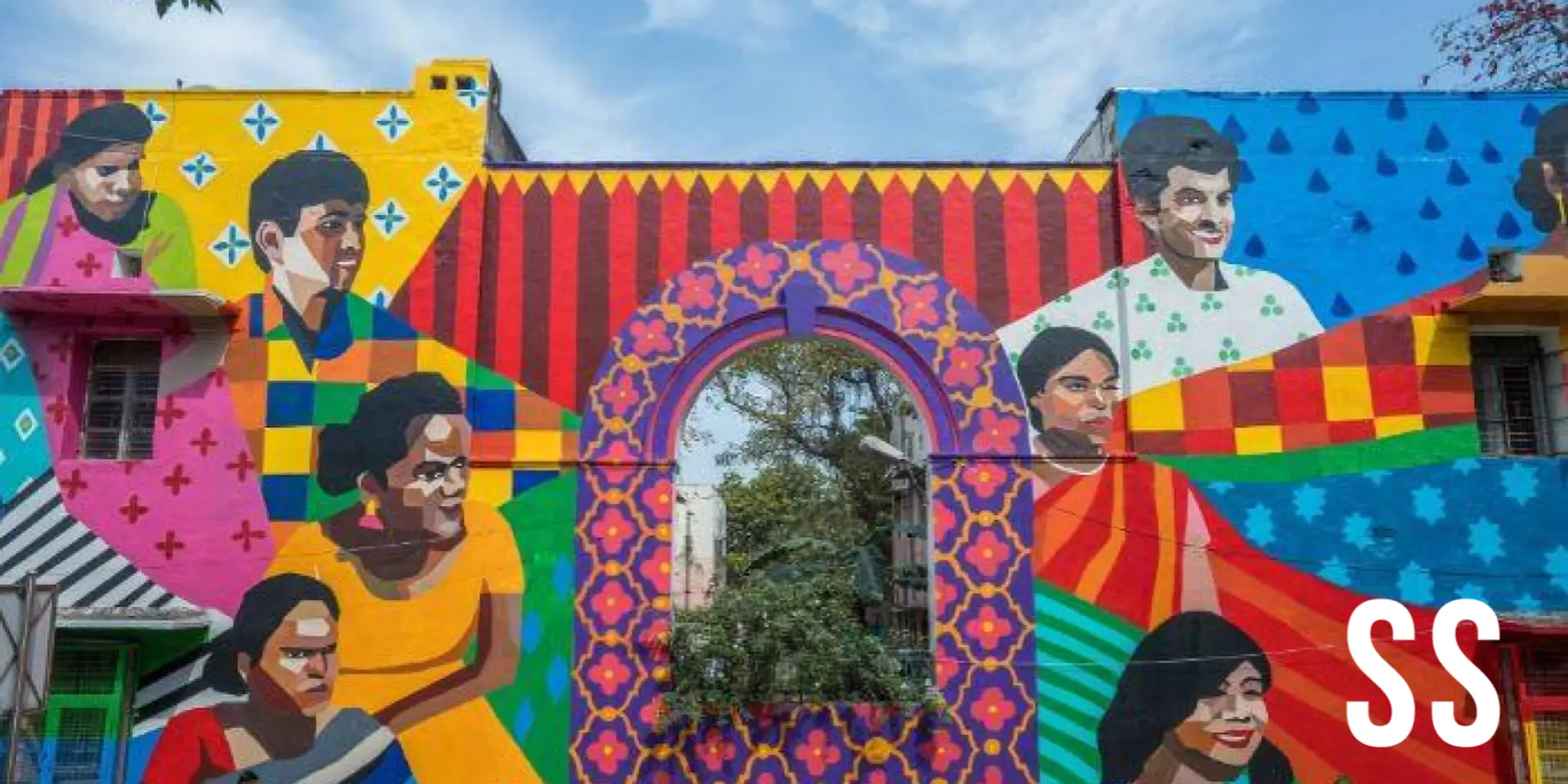

Across India, artists, communities, and organisations are using creative expression to respond to social challenges. From theatre groups confronting caste-based stigma to murals amplifying transgender voices—these initiatives go beyond performance or aesthetics to create safe spaces for people to process trauma, challenge discrimination, and reclaim dignity through storytelling, movement, music, and visual art.
Budhan Theatre: Transforming stigma into a stage for justice
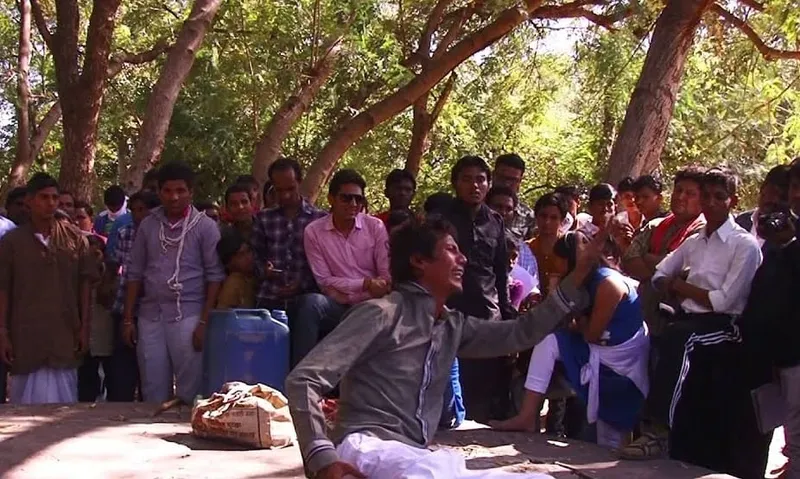
Budhan Theatre, an Ahmedabad-based community theatre group, uses performance as a tool of social advocacy to challenge deep-rooted discrimination against de-notified tribes, especially the Chhara community from Gujarat.
Founded in 1998 by cultural activist Prof. Ganesh Devy, with support from writer Mahasweta Devi, the group found its roots in the legacy of Budhan Sabar, a tribal man murdered after labelled as a criminal under colonial laws.
Performing street plays and experimental theatre, Budhan Theatre—named after Budhan Sabar—tackles historical trauma, police violence, and social exclusion faced by de-notified tribal groups. Its members, primarily Chhara youth, bring lived experience to works such as Budhan Bolta Hai (Budhan Speaks) and other productions that blend art and activism.
Over the decades, the group has become a platform for community pride and identity reclamation. It has helped members pursue professional arts education and has won recognition for its role in reframing public perceptions.
The group expands its reach through workshops, theatre education, and media projects that elevate tribal voices for justice.
Hasiru Dala: Using creative arts to heal children from marginalised communities
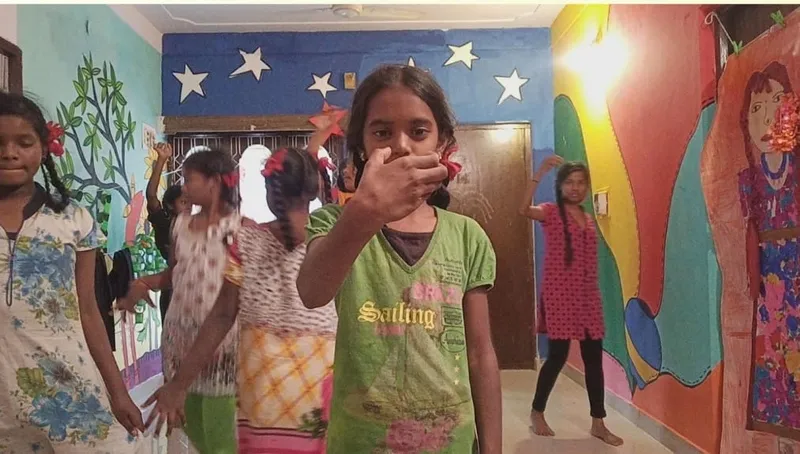
Hasiru Dala’s creative arts therapy programme in Bengaluru incorporates art, movement, and storytelling to support the emotional well-being of children from informal waste picker communities.
The organisation, founded in 2010 by social activist Nalini Shekar, along with Shekar Prabhakar and Marwan Abubaker, works to improve the livelihoods, dignity, and rights of waste pickers in Karnataka.
Through its community-based arts sessions, children engage in drama, music, movement, and visual arts to express emotions, build confidence, and develop coping skills. The programme is designed to create safe spaces, where children can process everyday stress linked to poverty, social exclusion, and unstable living conditions.
Hasiru Dala has been widely recognised for formalising waste picker work in Bengaluru and integrating social welfare, education, and mental health support into its community model. The organisation expands its child-focused well-being initiatives alongside environmental justice work.
Protsahan India Foundation: Healing trauma through art and movement
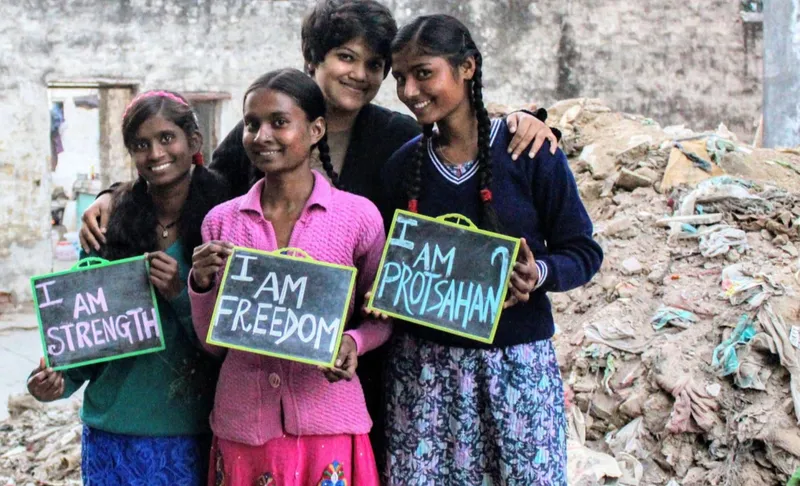
Delhi-based Protsahan India Foundation uses art, dance, and storytelling to support adolescent girls who have experienced abuse, neglect, and systemic violence in urban areas.
Founded in 2010 by social entrepreneur Shobha Sarma, the organisation works with girls from red-light areas, low-income settlements, and vulnerable family environments.
Its ‘Healing with Art’ programme combines dance movement therapy, theatre, photography, painting, and narrative storytelling to help participants process trauma, build self-esteem and strengthen emotional resilience. These creative sessions are integrated into Protsahan’s broader education and life-skills model.
Over the years, Protsahan has supported thousands of girls through residential education, counselling, and creative therapy. The organisation has received national and international recognition for its trauma-informed, girl-centred approach.
Aravani Art Project: Murals amplifying transgender voices
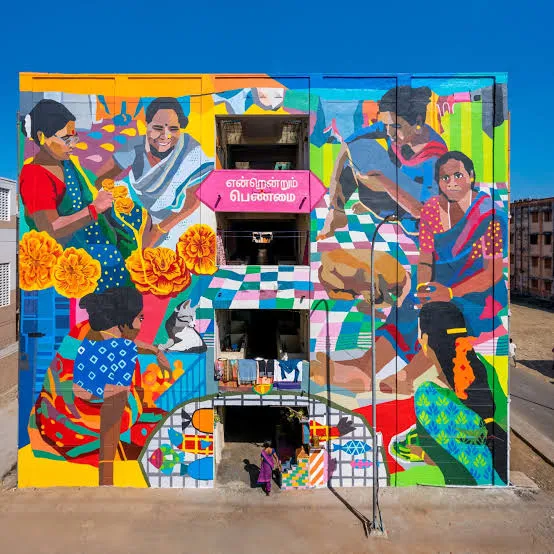
Chennai-based Aravani Art Project is an arts collective that uses public murals to centre transgender and gender-diverse voices in India’s urban spaces. Founded in 2016 by artist and activist Poornima Sukumar, the collective brings together transgender, cisgender, and ally artists to create large-scale street art rooted in lived experiences of marginalisation, identity, and belonging.
The group has painted murals across Indian cities, including Chennai, Bengaluru, Kochi, and Mumbai, often in collaboration with local communities and cultural institutions such as the Kochi Biennale Foundation. Its work highlights themes of gender justice, visibility, and inclusion in public life.
By transforming walls into platforms for queer and trans storytelling, the Aravani Art Project challenges stigma while creating opportunities for transgender artists to lead creative projects.
The collective holds workshops, exhibitions, and city-based collaborations that use art to spark dialogue on gender diversity.
Vaanam Art Festival: Reclaiming identity through collective expression
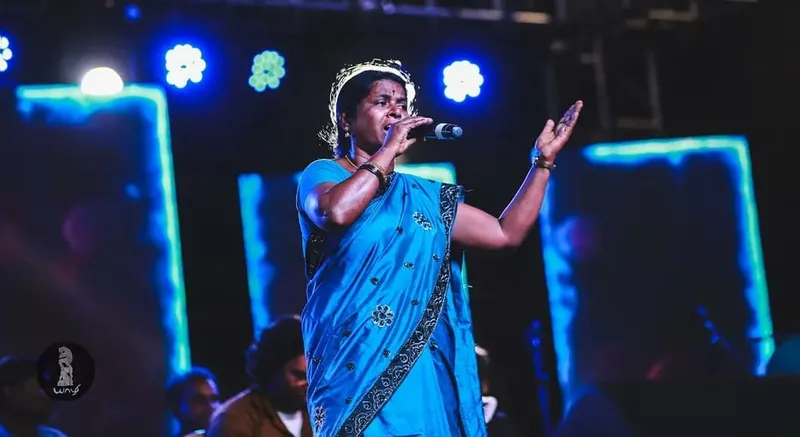
The Vaanam Art Festival in Chennai uses art and performance to foreground Dalit histories, identities, and resistance. Organised by the Neelam Cultural Centre, the festival was launched in 2017 as a platform for Dalit artists to showcase theatre, music, visual art, poetry, and storytelling rooted in lived experiences of caste oppression.
Held annually, Vaanam brings together artists, writers and activists to celebrate Dalit culture while addressing structural discrimination through creative expression. The festival has featured performances, exhibitions and talks that centre on dignity, self-representation and social justice.
By creating a dedicated space for Dalit voices in the arts, Vaanam challenges mainstream cultural narratives that often exclude marginalised communities.
The festival has grown into a cultural movement, strengthening community visibility and preserving Dalit artistic traditions through contemporary forms of expression.
Culture Monks: Storytelling for social change
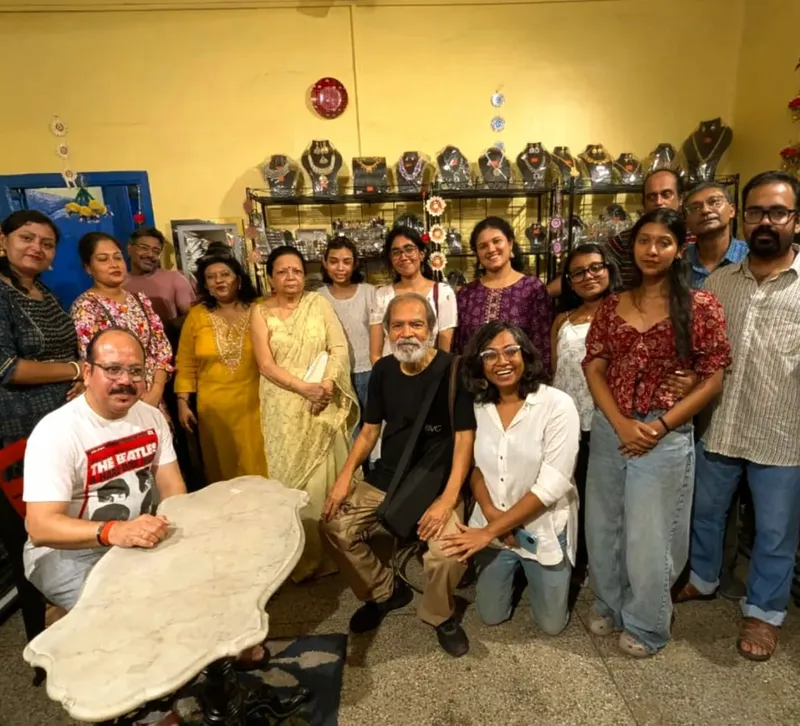
Kolkata-based creative organisation Culture Monks uses theatre, storytelling, and performance art to drive social engagement and community dialogue. Founded in 2013 by theatre practitioners Soham Sen and team, the group works at the intersection of arts, education, and social development.
Through interactive theatre, street performances and workshops, Culture Monks addresses issues such as gender equality, mental health, child rights, and social inclusion. Its productions are often designed for schools, communities, and public spaces, using participatory formats that encourage reflection and conversation.
The organisation has collaborated with educational institutions, NGOs, and development agencies to create arts-based learning programmes that build empathy and critical thinking.
By blending creative expression with social awareness, Culture Monks uses performance as a tool for dialogue, civic engagement, and community-centred change across urban and semi-urban spaces.
Edited by Suman Singh