



The seriousness of play: Madhya Pradesh Tribal Museum blends education with empathy
In this photo essay from Bhopal, we showcase a range of artworks depicting the tribal ways of play.


Launched in 2014, PhotoSparks is a weekly feature from YourStory, with photographs that celebrate the spirit of creativity and innovation. In the earlier 910 posts, we featured an art festival, cartoon gallery. world music festival, telecom expo, millets fair, climate change expo, wildlife conference, startup festival, Diwali rangoli, and jazz festival.
The Madhya Pradesh Tribal Museum in Bhopal is an outstanding example of how design and art can be blended to create immersive cultural experiences. See Part I of our photo essay on the rituals, myths, homes, and spirituality of tribal communities (see also our earlier coverage of the State Museum next door).
The six large galleries (dirghas) in the museum are focused on different dimensions of tribal life. For example, Rakku Dirgha has a diverse representation of children’s games.
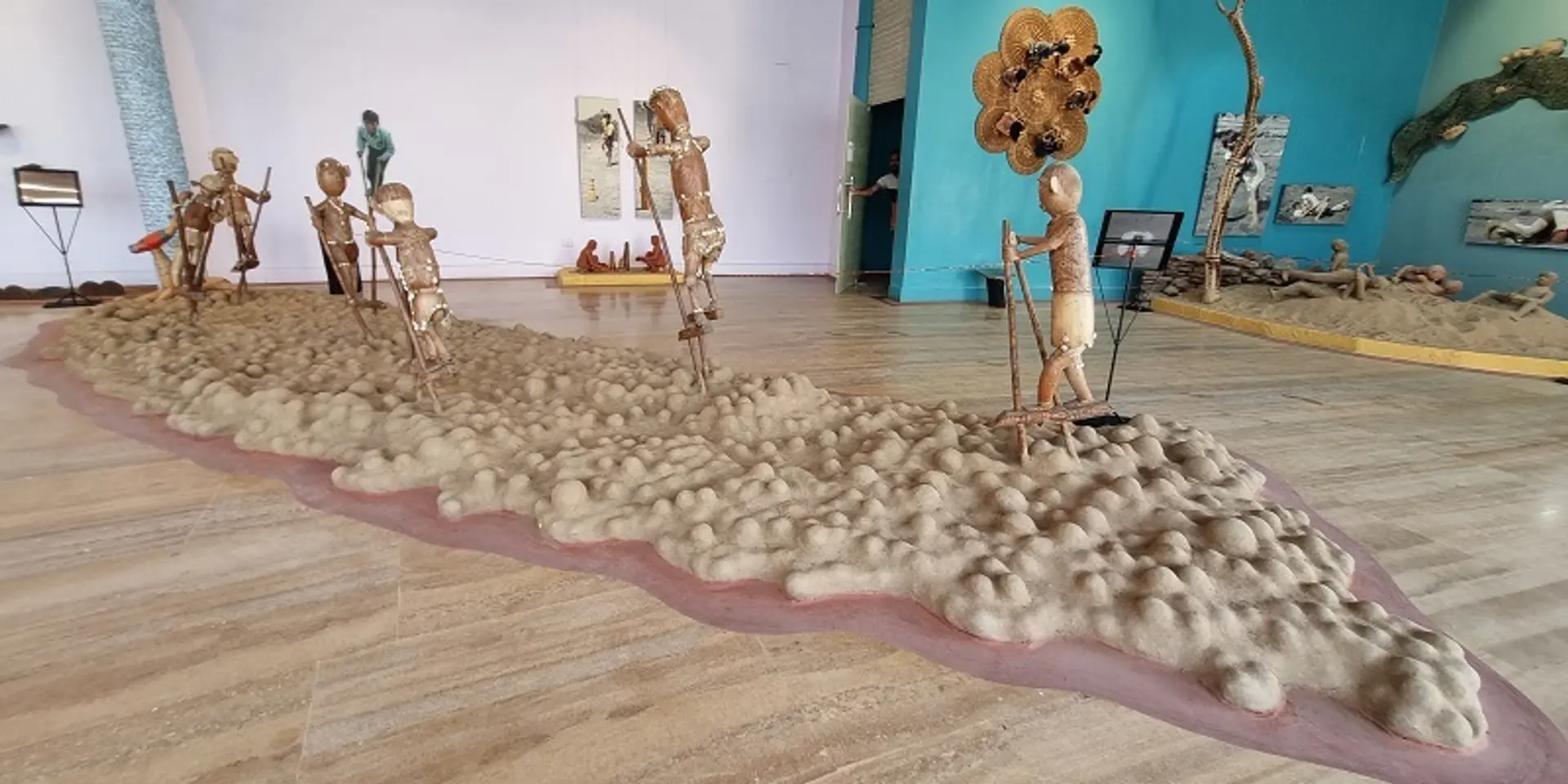
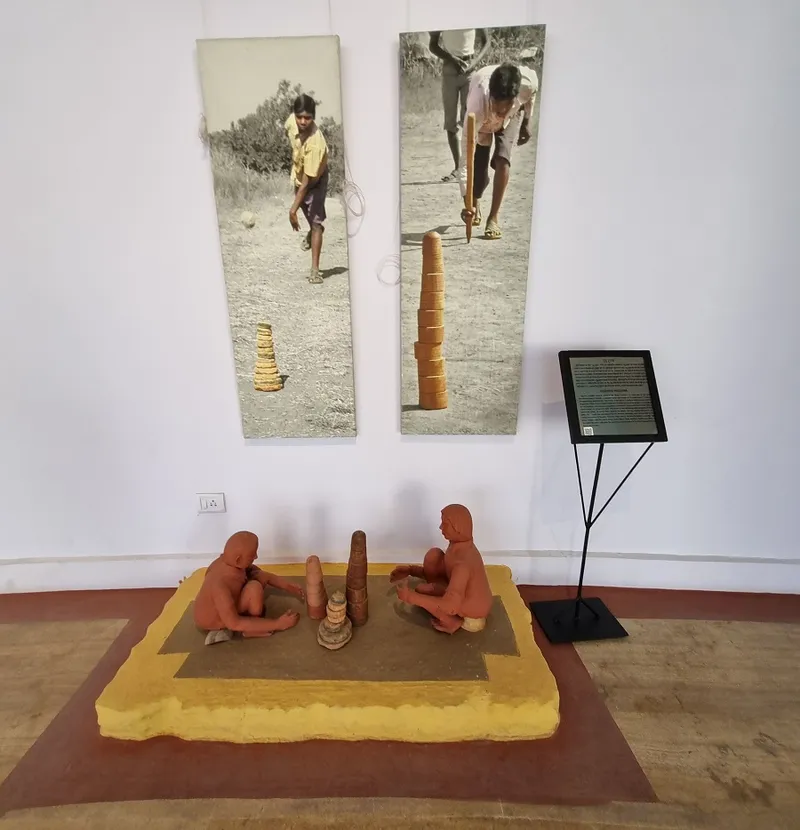
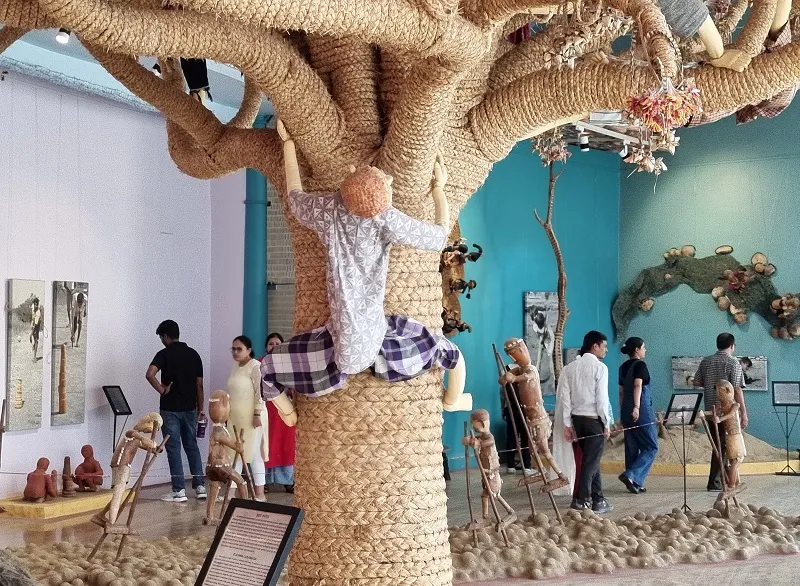
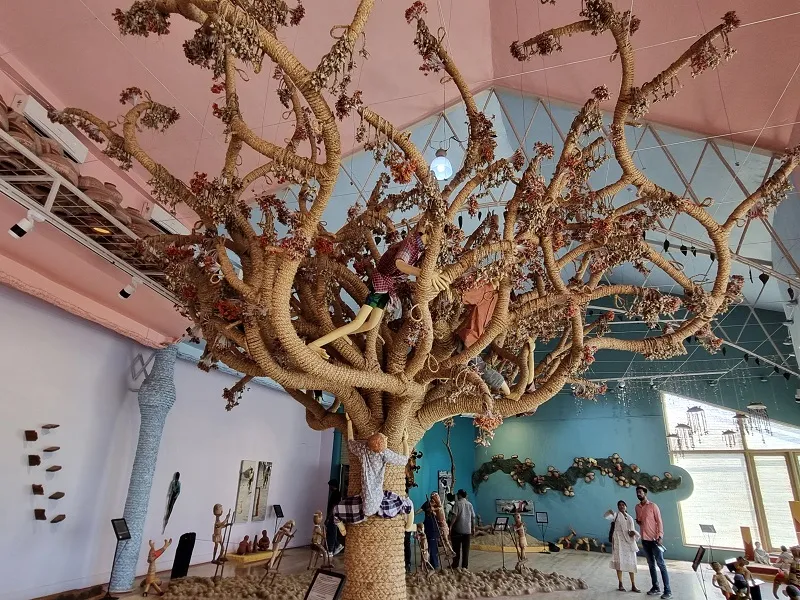
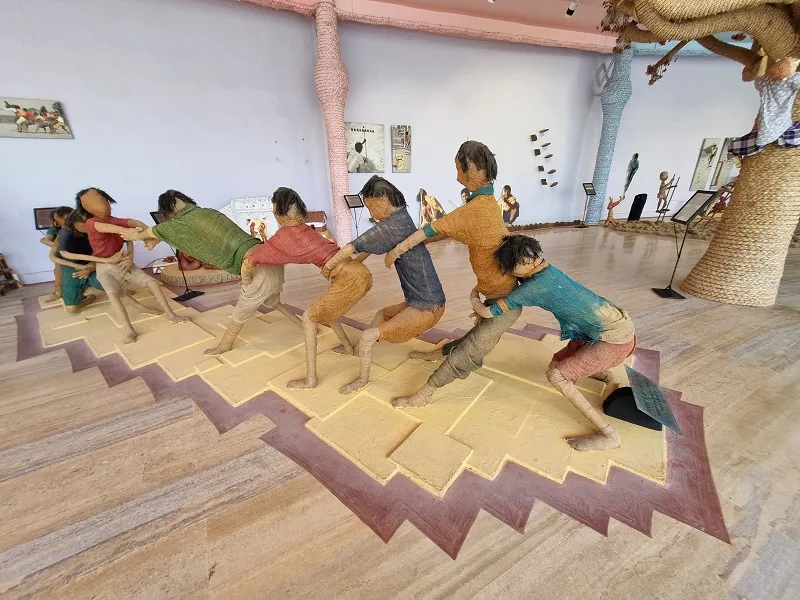
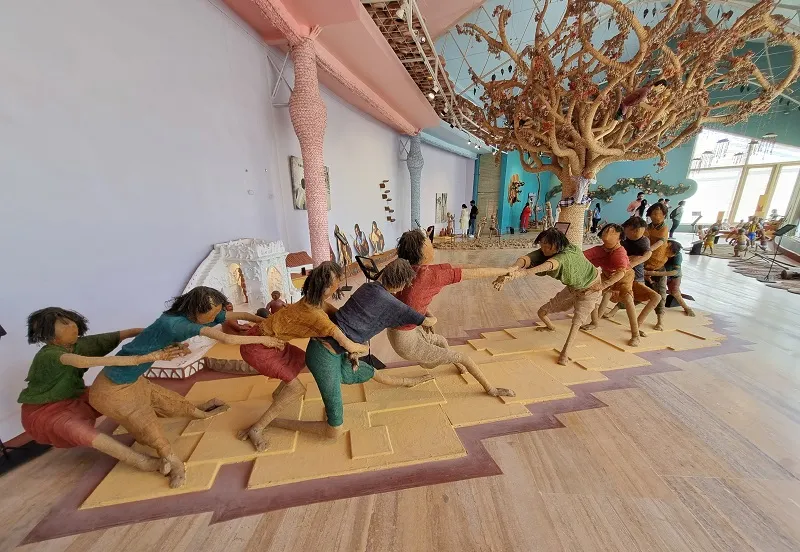
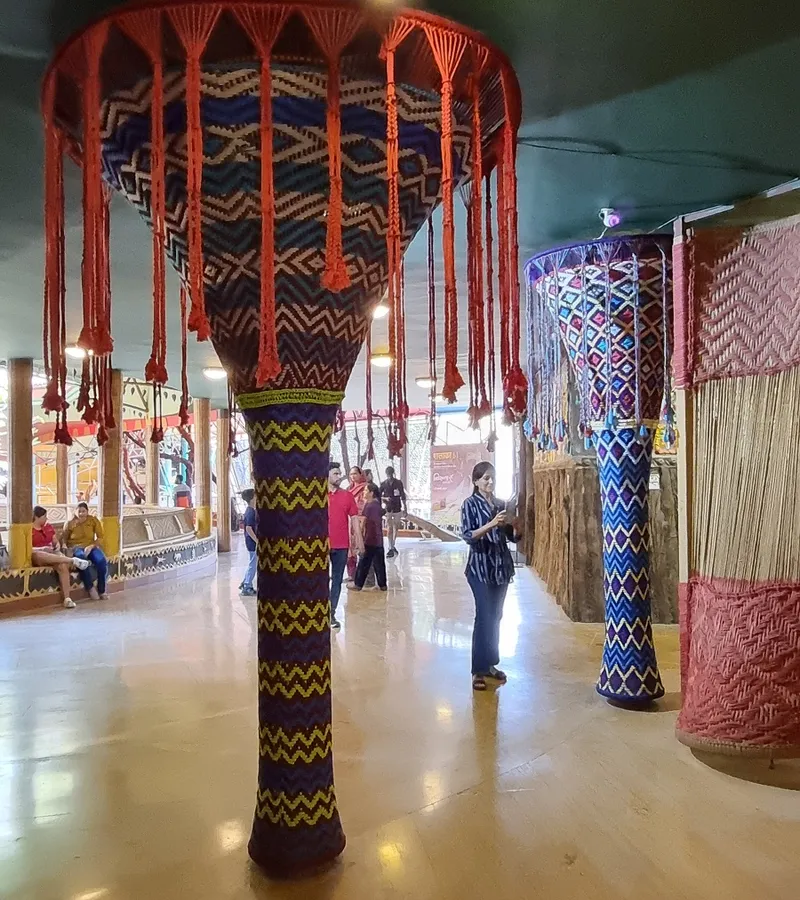
Like the museum’s other spaces, this gallery uses life-sized installations, sculptural pieces, collected objects, and photographic and textual documentation. They evoke how children learn, play, move and socialise within tribal settings, thus reflecting lived practices rather than abstract visualisations.
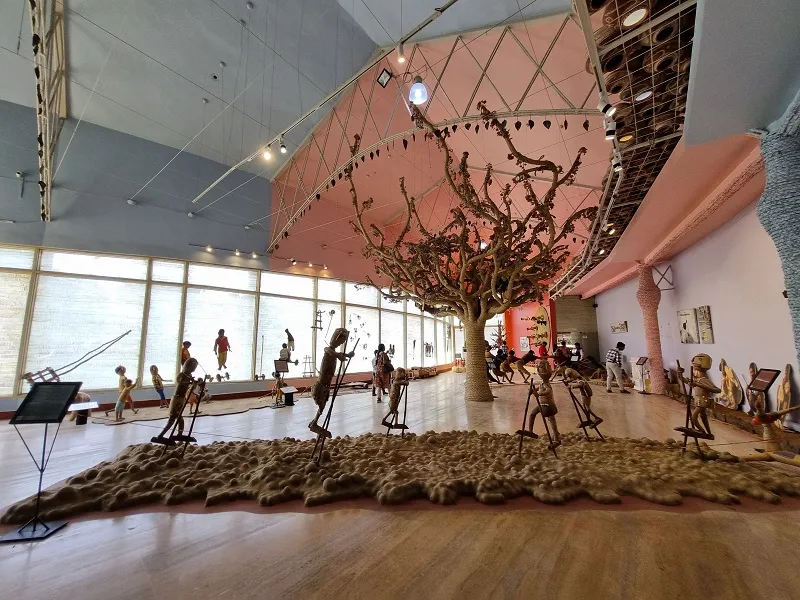
Rakku Dirgha is arranged so that visitors can move from broad immersive installations to more intimate displays. Large sculptural installations and play settings recreate village courtyards, paths and play spaces.
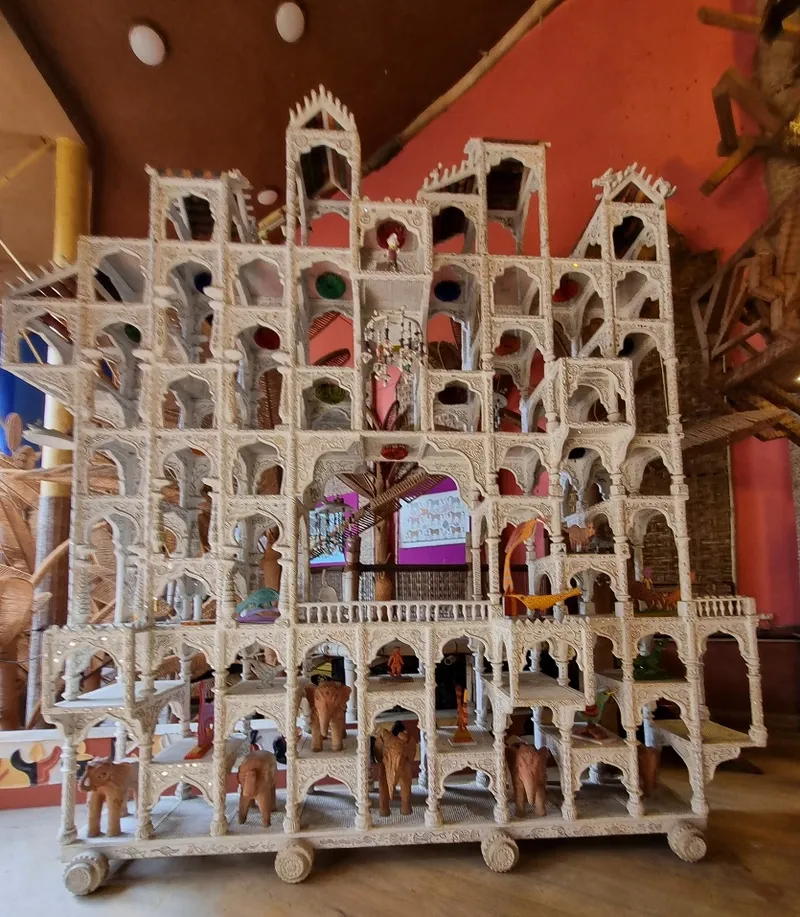
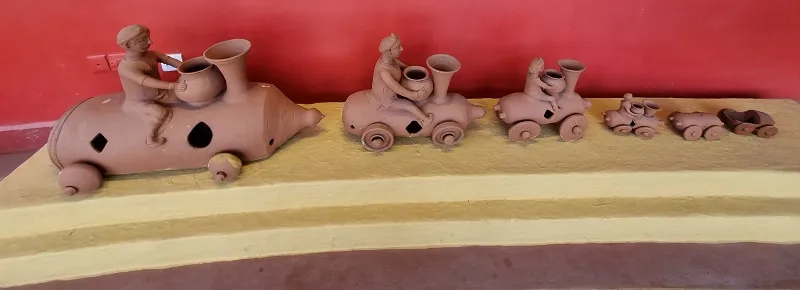
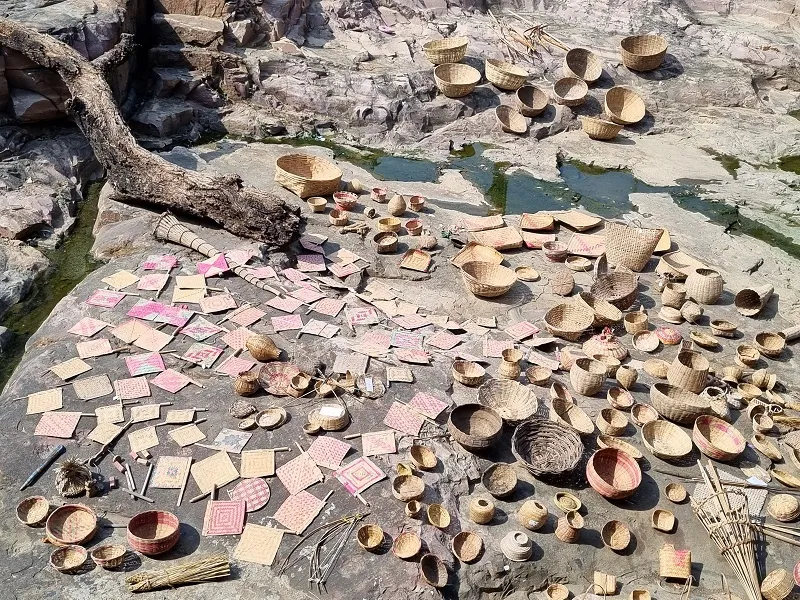
The exhibits on the walls and the expansive floor show how children invent rules, make toys from natural materials, and stage games. The small toys are carefully arranged, such as clay whistles, spinning tops, slings, miniature carts, and carved animals.

Many of these objects and models are made from clay, twine, bamboo and gourd, accompanied by notes on how they were created and used. These objects highlight the frugal ingenuity of low-resource, high-creativity cultures.
There is ample photographic and oral documentation as well. Panels and audio-visual stations show children actually playing the depicted games, with short captions or audio clips explaining rules, regional names for games, and the social meanings attached to certain play rituals.
Special interactive learning spots are designed for school groups and families to try out simple traditional games. These include learn local counting rhymes, or making miniature toys under supervised conditions.
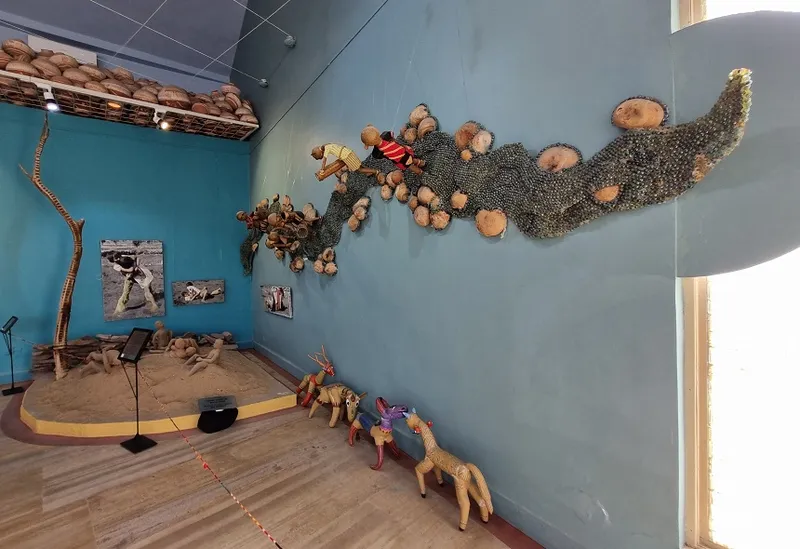
Such galleries showcase best practices in the preservation of intangible culture. Games, songs, and counting rhymes are classic examples of intangible heritage that rarely feature in object-focused collections.
Deeper analysis of simple games and play reveals social roles, gender norms, rites of passage, and the distribution of labour and imagination among children. In different ways, Rakku Dirgha shows how play is a rehearsal space for adult life in many tribal societies.
Many toys are made from locally available, biodegradable materials. In contrast with mass-produced plastic toys, such practices offer lessons about low-waste creativity. Toys and games are also how elders transmit memories about origin myths or map seasonal cycles, such as harvest seasons.
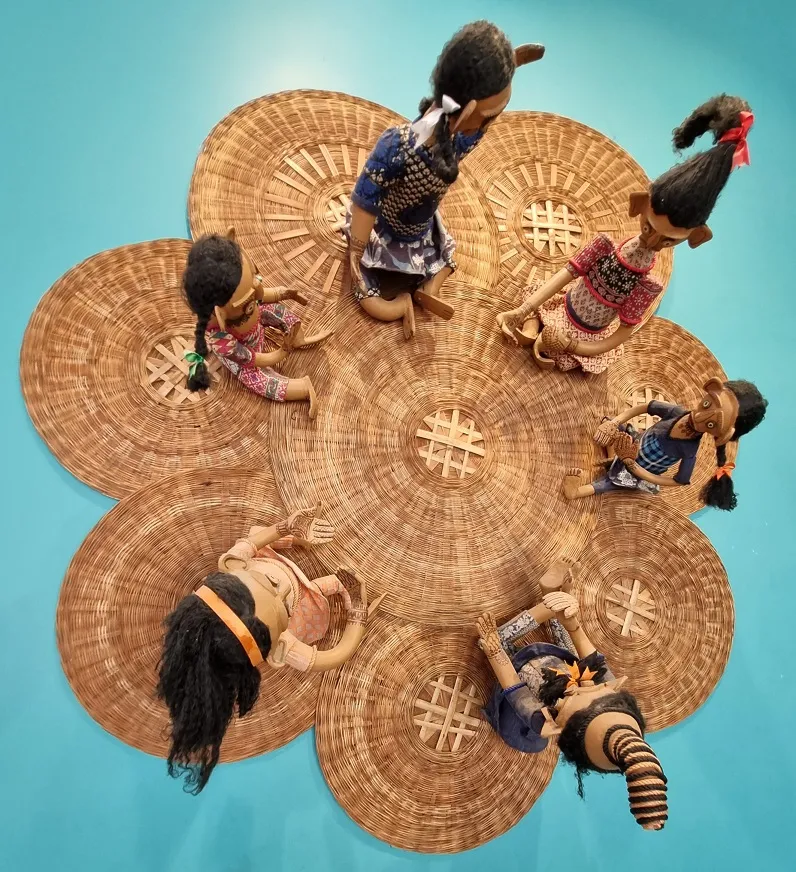

Rakku Dirgha is a tribute to the extensive fieldwork conducted by curators who visited villages to photograph games, record elders singing rhymes, and collect toys with permission. The Tribal Museum explicitly frames its galleries as collaborative—the objects and stories belong to the communities, and are exhibited with due respect to local voices rather than imposition of outside readings.
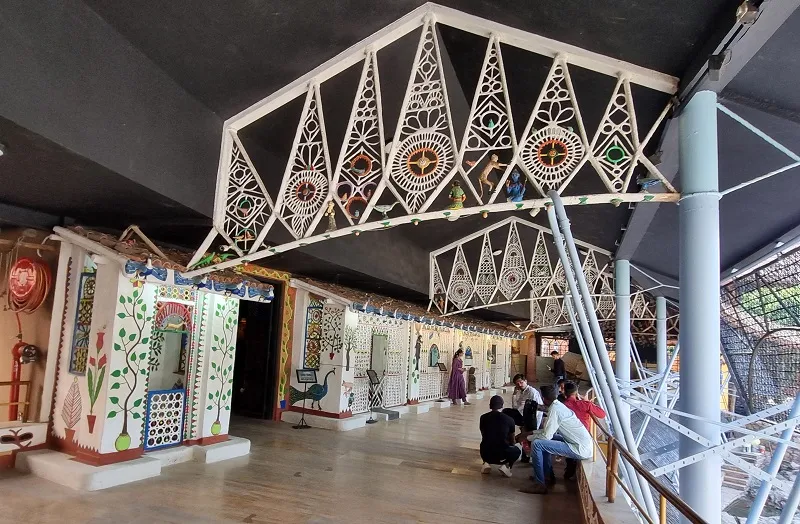
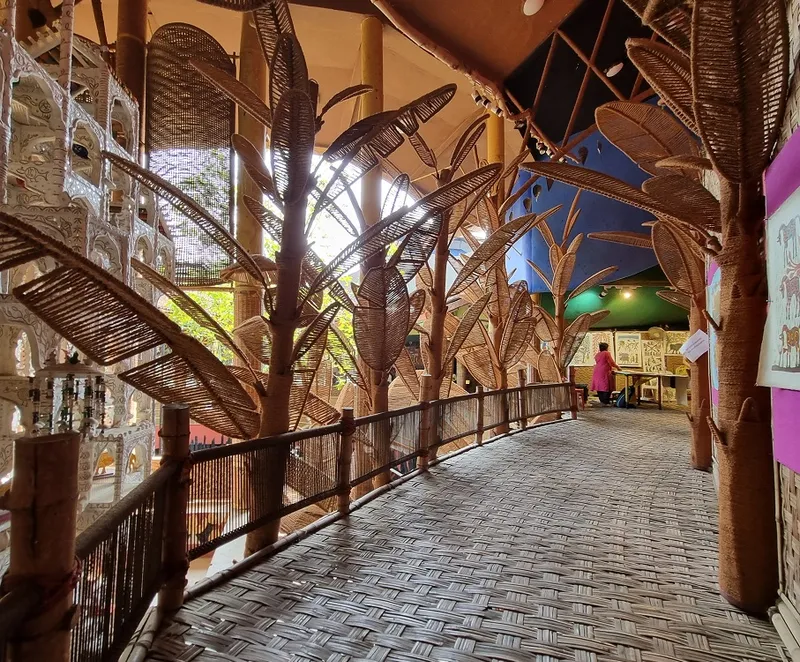
The Tribal Museum’s architecture is conceived to feel earthy and tactile. The buildings are carved into the Shyamla Hills contours, and use natural textures, woven screens and warm lighting.
The large installations convey a sense of space and scale, while other displays invite closer inspection. The flow of visitor movements alternates between domestic interiors and outdoor play.
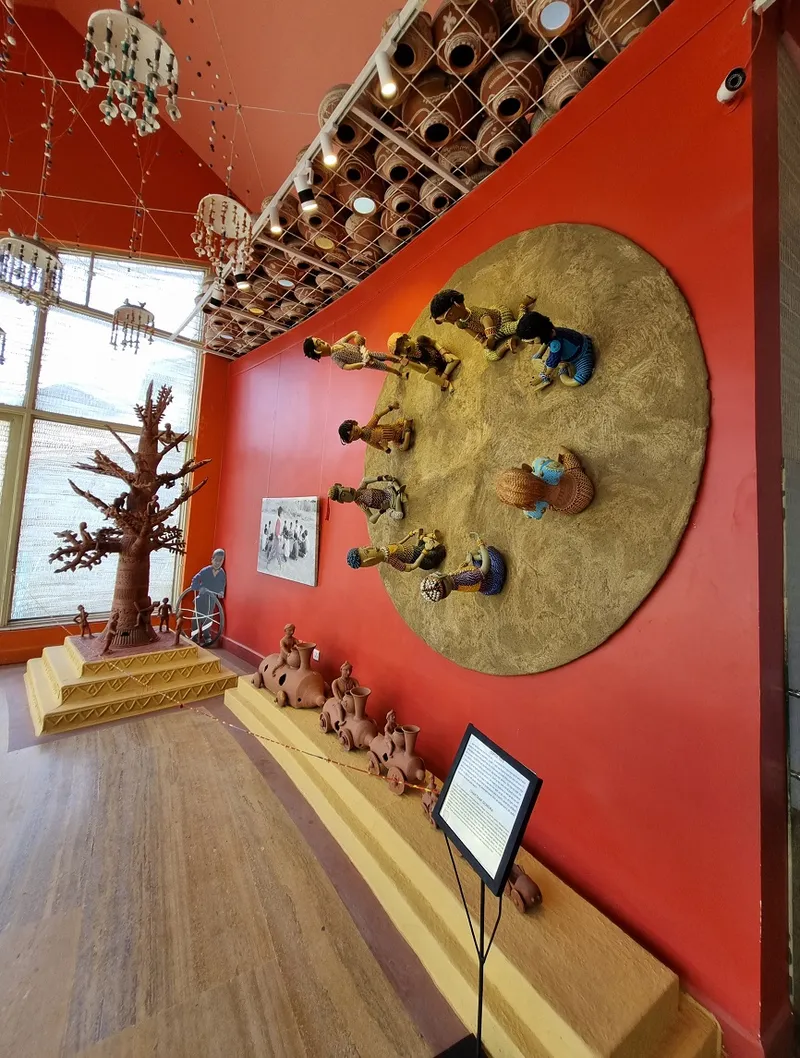
For urban viewers, the gallery offers invaluable insights into how tribal communities thrive in balance with nature. For children, it offers empathic encounters with another way of growing up.
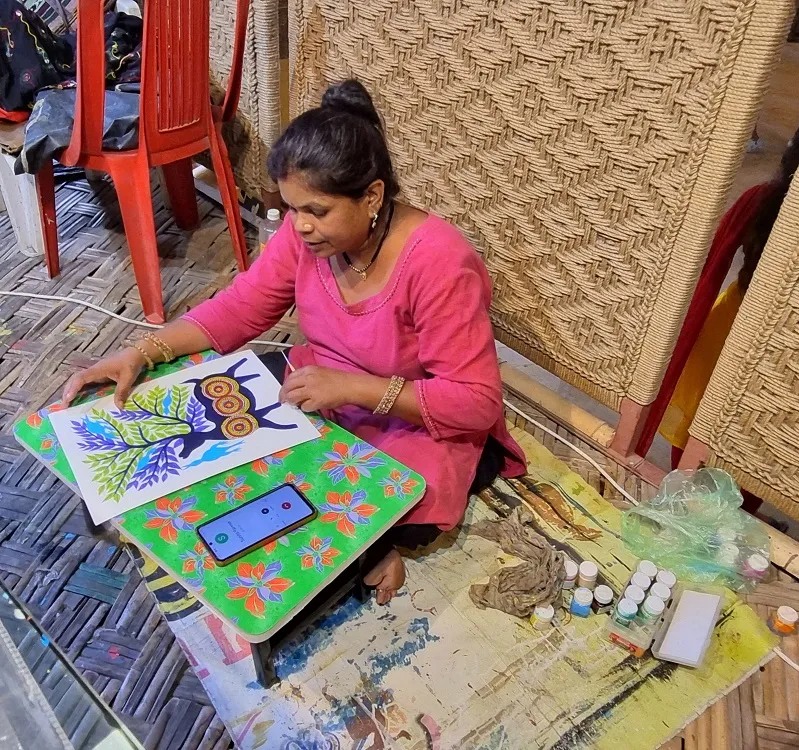
Other spaces of the museum feature live demonstrations of tribal artists creating artworks. The merchandise section offers a valuable collection of resources for future education.
In sum, the Tribal Museum offers inspiring experiences on the lives and stories of tribal communities. This in turn provokes reflection about modernisation, schooling, migration and how childhood itself is changing.
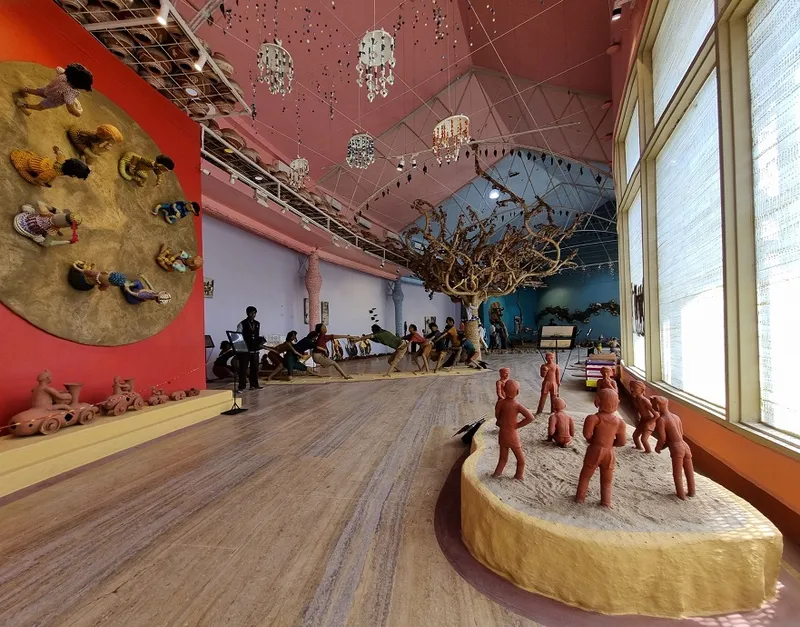

Rakku Dirgha comes across as an imaginative and thoroughly researched gallery. It treats children’s games with the respect that they deserve as serious cultural processes and research gateways.
As a vibrant museum space and educational resource, it invites visitors to learn from the resourcefulness and social richness of tribal play cultures. It is important to understand and preserve such tribal cultures because they represent some of the country’s oldest and most diverse living traditions, embodying unique knowledge systems, art forms, ecological wisdom, and community values.
Now, what have you done today to pause in your busy schedule and harness your creative side for a better world?
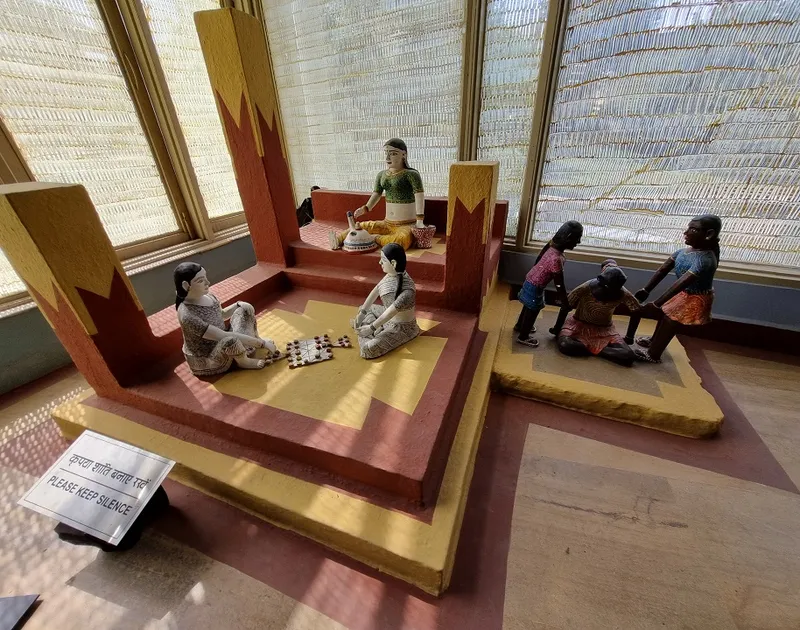
(All photographs taken by Madanmohan Rao on location at the Tribal Museum.)
Edited by Kanishk Singh