



Japan Foundation’s traveling exhibition promotes appreciation of Yakashime ceramic art
In this photo essay, we showcase a range of Japanese ceramic artworks on display at Karnataka Chitrakala Parishath in Bengaluru.


Launched in 2014, PhotoSparks is a weekly feature from YourStory, with photographs that celebrate the spirit of creativity and innovation. In the earlier 925 posts, we featured an art festival, cartoon gallery. world music festival, telecom expo, millets fair, climate change expo, wildlife conference, startup festival, Diwali rangoli, and jazz festival.
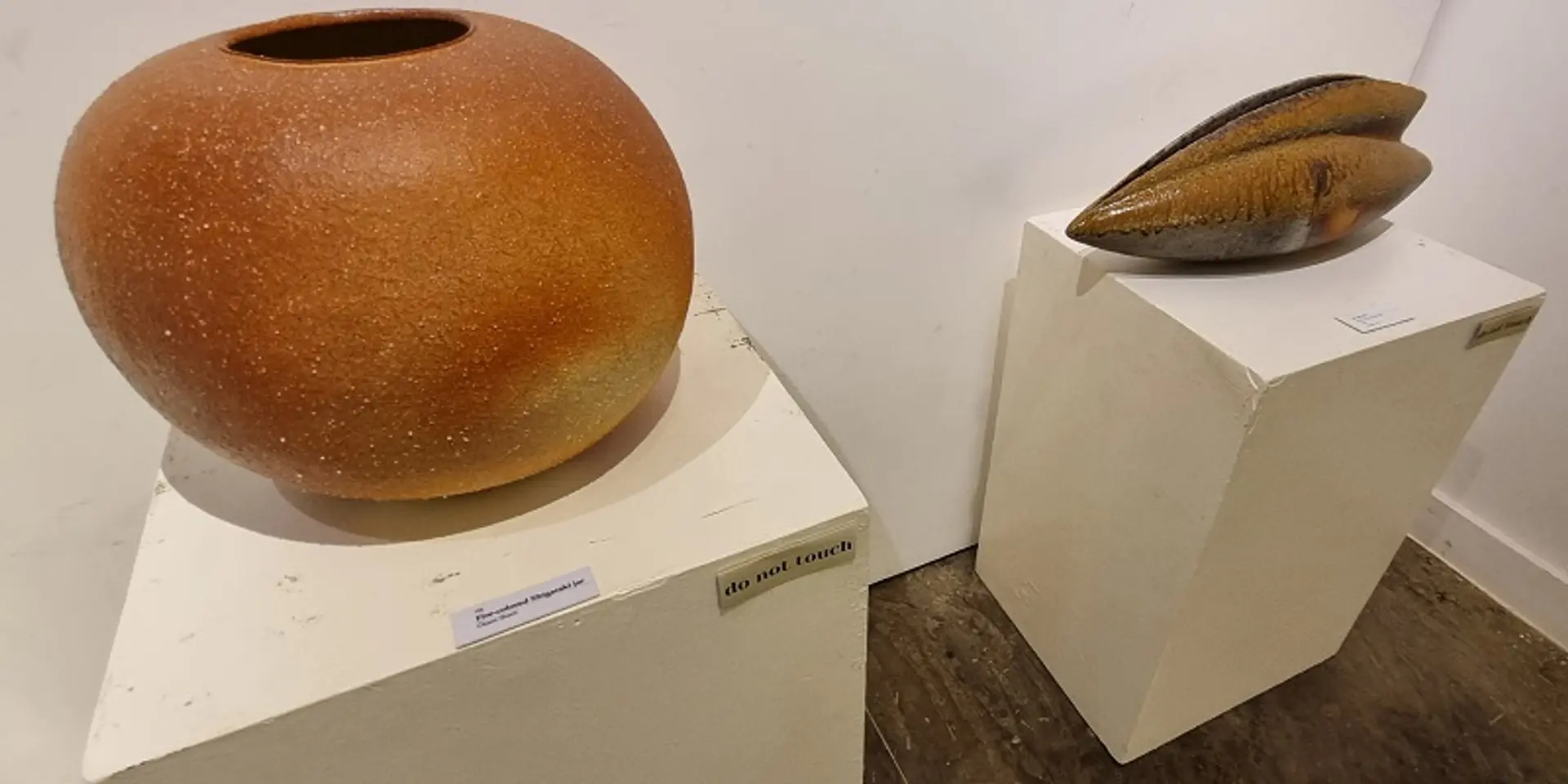
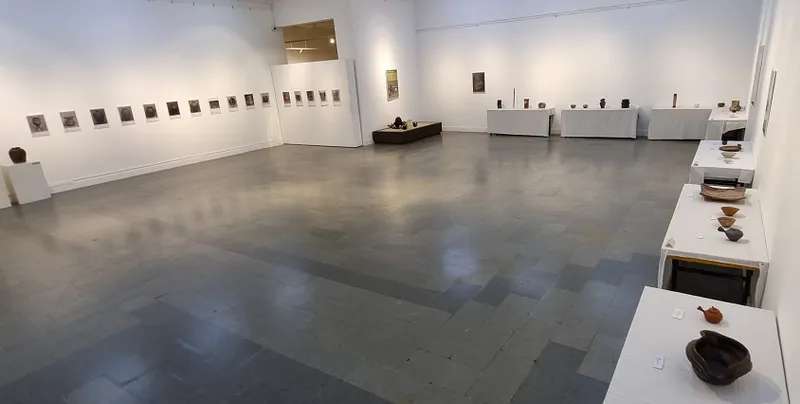
The Japan Foundation and the Consulate-General of Japan in Bengaluru recently organised an exhibition titled Yakishime: Earth Metamorphosis. It was held at Karnataka Chitrakala Parishath (see our coverage of earlier exhibitions at this popular art hub here).
The exhibits included many unglazed ceramics, tracing the history of this ceramic technique from its origins in the 12th century to the present day. See also our coverage of exhibitions at Japan’s Aichi Triennale and Mori Art Museum.
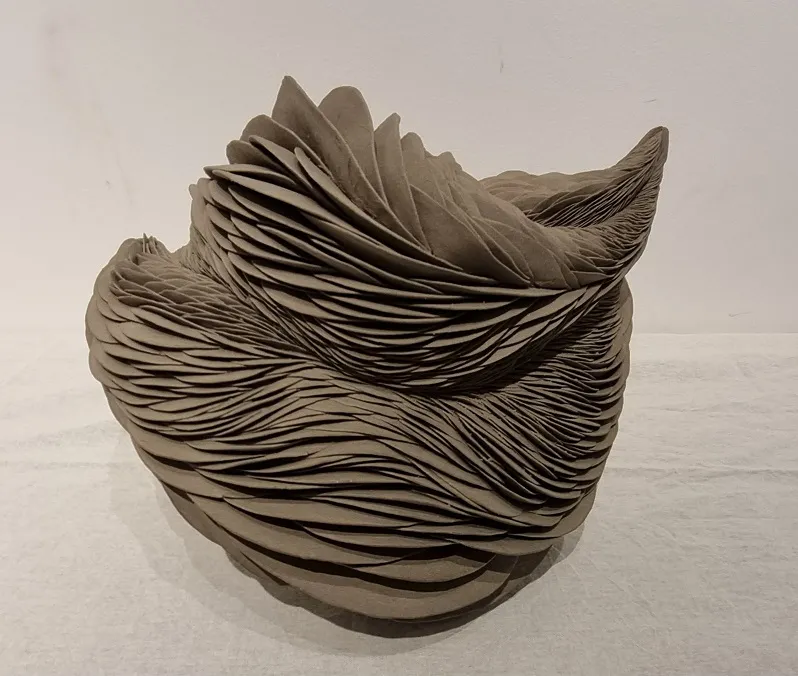

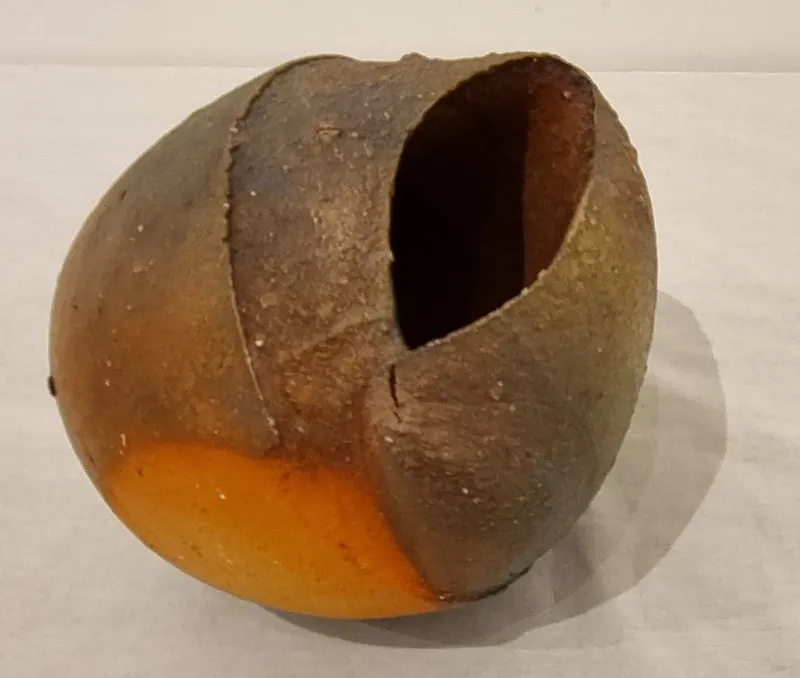
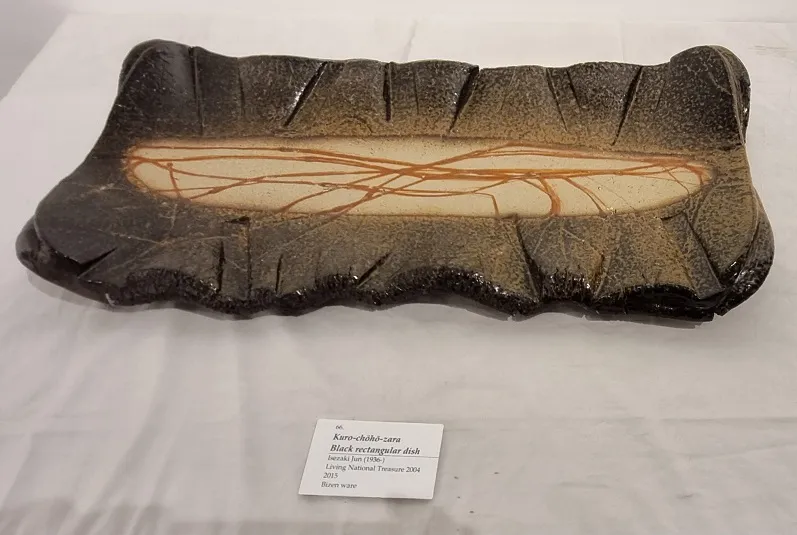
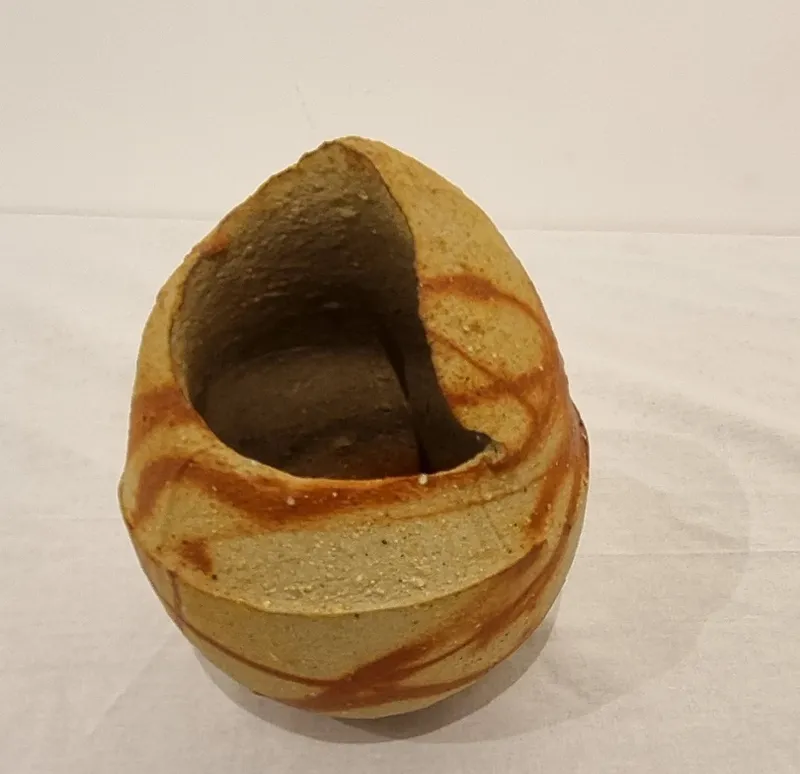
The name Yakashime combines yaki (‘to fire’) and shime (‘to harden’). The process involves firing pottery at high temperatures without any glaze. Natural ash, wood, and other elements that are present in the kiln create unique patterns, colours and speckles on the surface.
The Japan Foundation is dedicated to carrying out comprehensive international cultural exchange programs throughout the world. Its mission is to cultivate friendship and ties between Japan and the world.
As seen in this photo essay, the foundation creates opportunities to foster awareness, appreciation and friendship. Art and culture serve as impactful foundations for cultural engagement and dialogue.

The Japan Foundation is headquartered in Tokyo and has overseas offices in 25 countries. In 2022, foundation celebrated its 50th anniversary, and published a series of special feature articles and project profiles across the world.
“Due to rapid postwar economic growth, Japan became an economic power. This increased its international role and there were voices both at home and abroad calling for a specialised institution that would introduce Japanese culture to the rest of the world,” Umemoto Kazuyoshi, former President of the Japan Foundation, explained in the commemorative publication.
The Japan Foundation was established on October 2, 1972 as a special legal entity under the auspices of the Ministry of Foreign Affairs. Its predecessor organisation was the Society for International Cultural Relations.

“The Japan Foundation contributed to the successful launch of the first Yokohama Triennale in 2001, attracting 350,000 visitors from Japan and abroad,” Kazuyoshi adds.
The triennale’s aim was the positioning of contemporary art within society at large. It also explored how art can help revitalise urban communities.
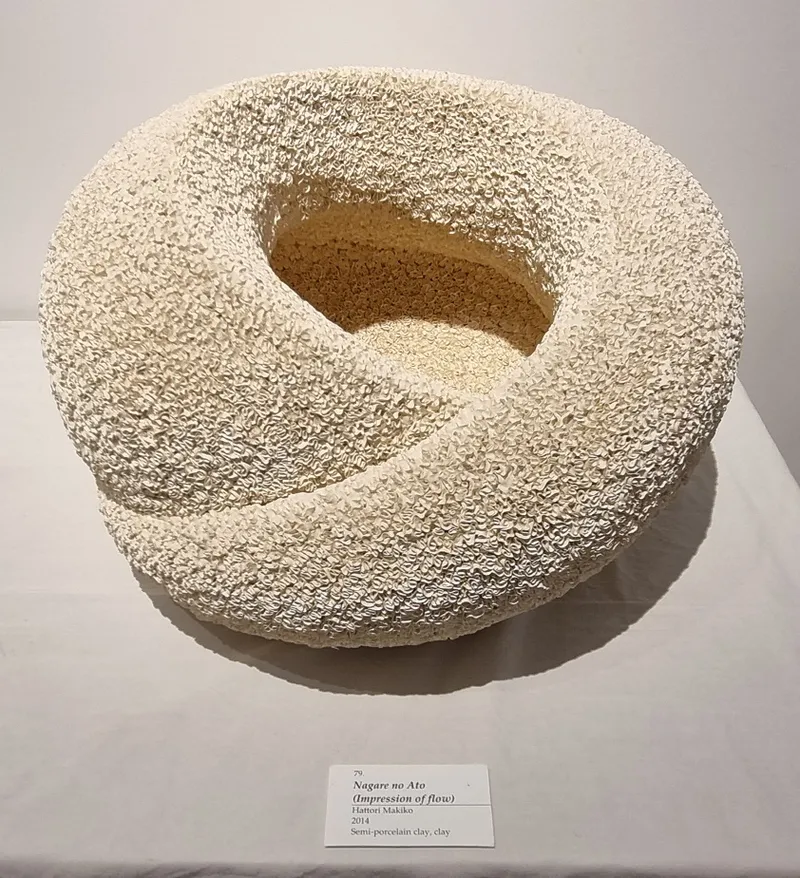
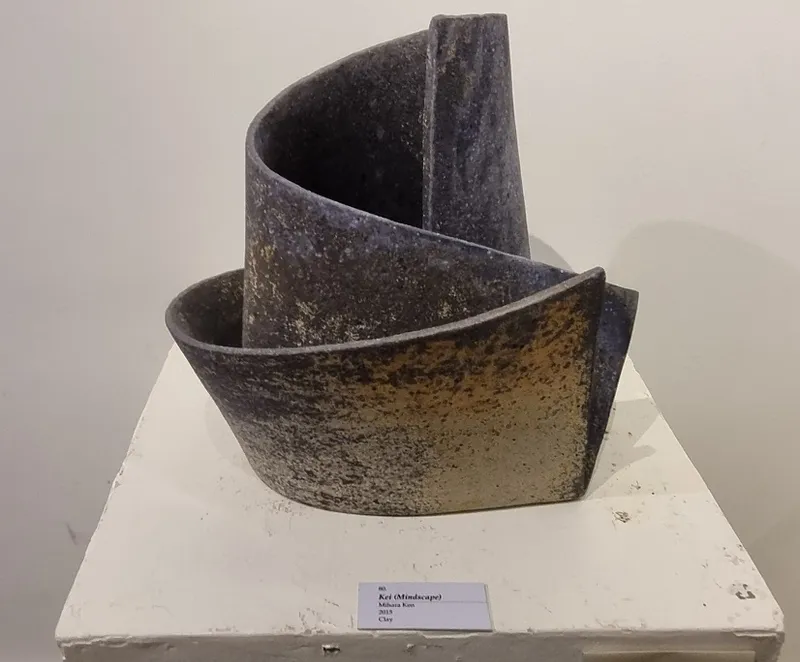
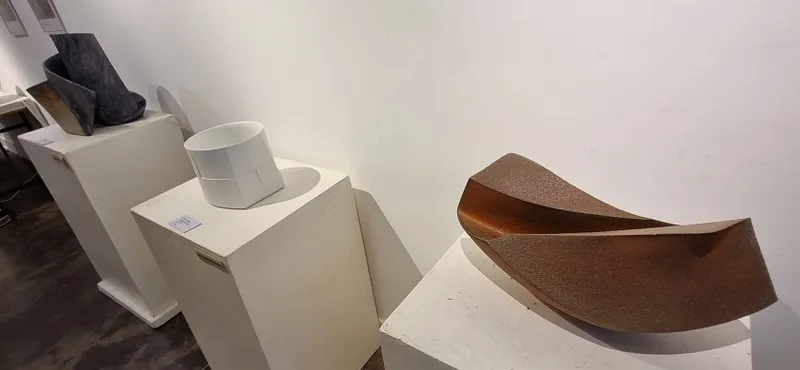
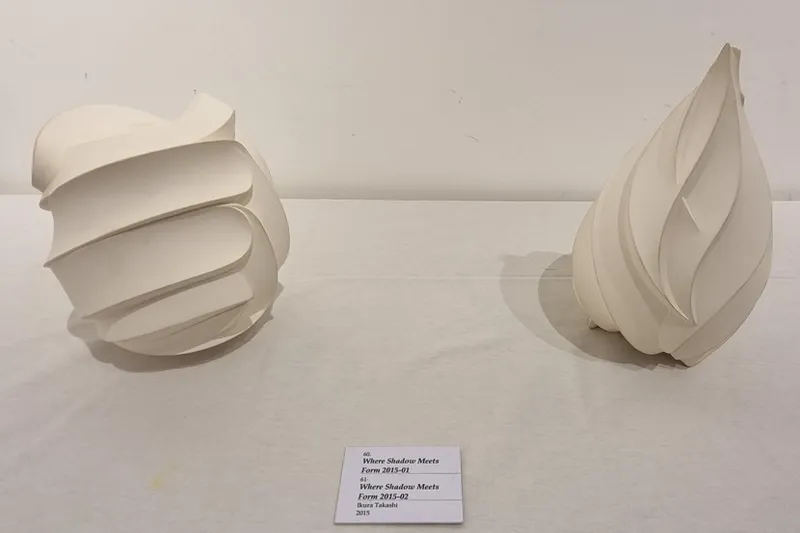
Yakishime art is centered on hard-fired, unglazed pottery. Traditional and contemporary works in this style are presented in Japan Foundation’s international travelling exhibition, and showcase varied forms of creativity.
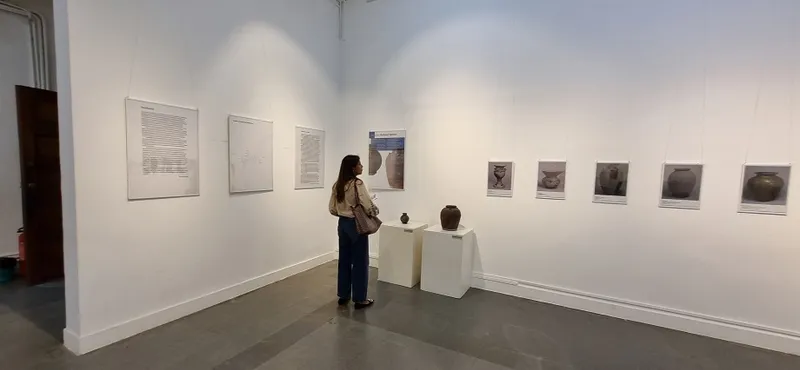

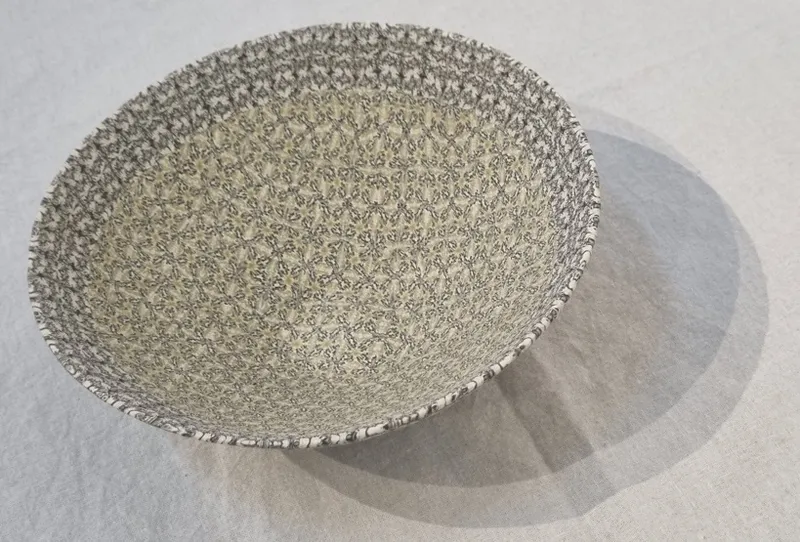
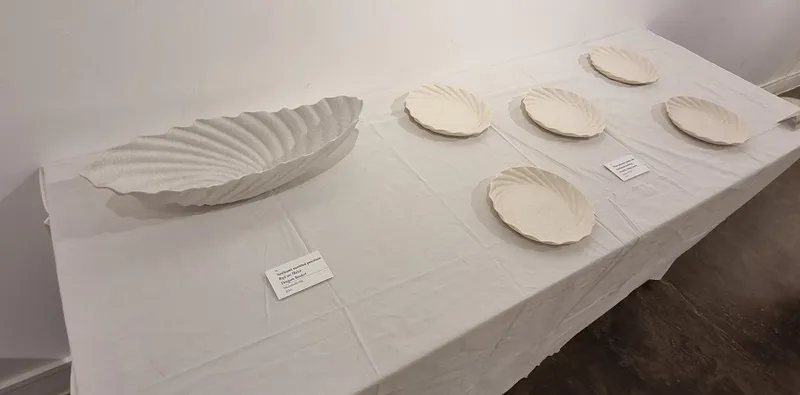
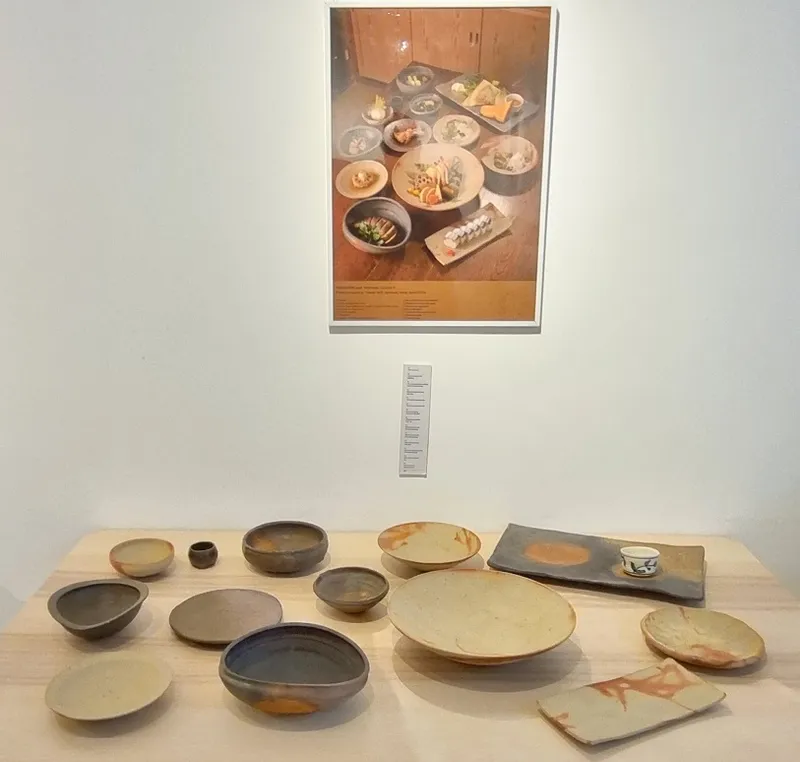
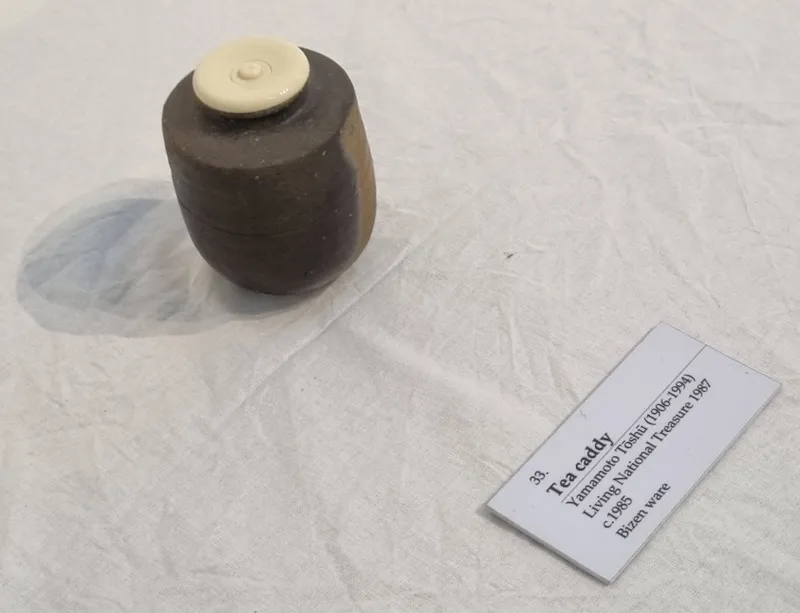
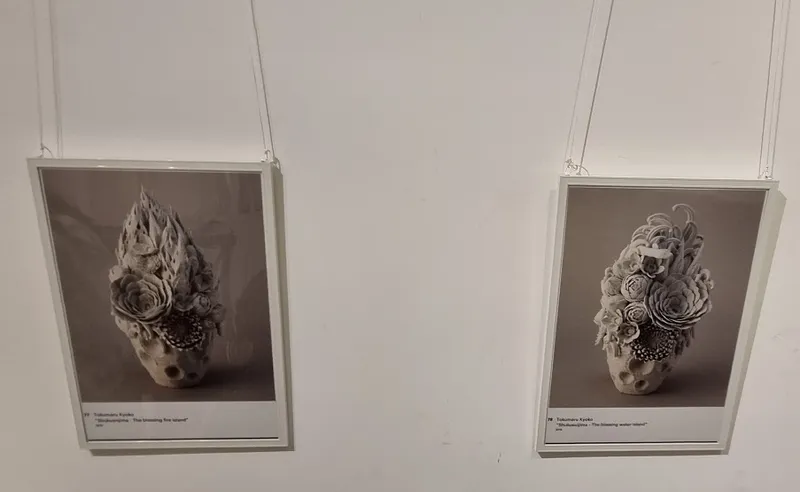
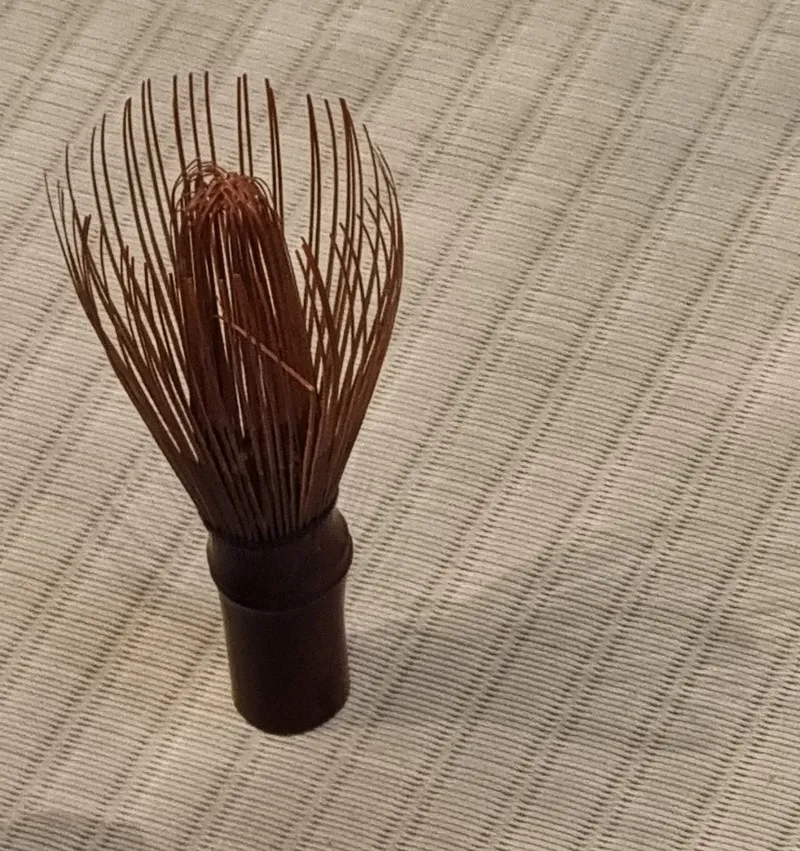
This style is known for its natural, earthy textures and creative elements shaped by flame and ash. The exhibition includes tea vessels, food containers, and works that represent transformations of Yakishime into non-utilitarian objects of art.
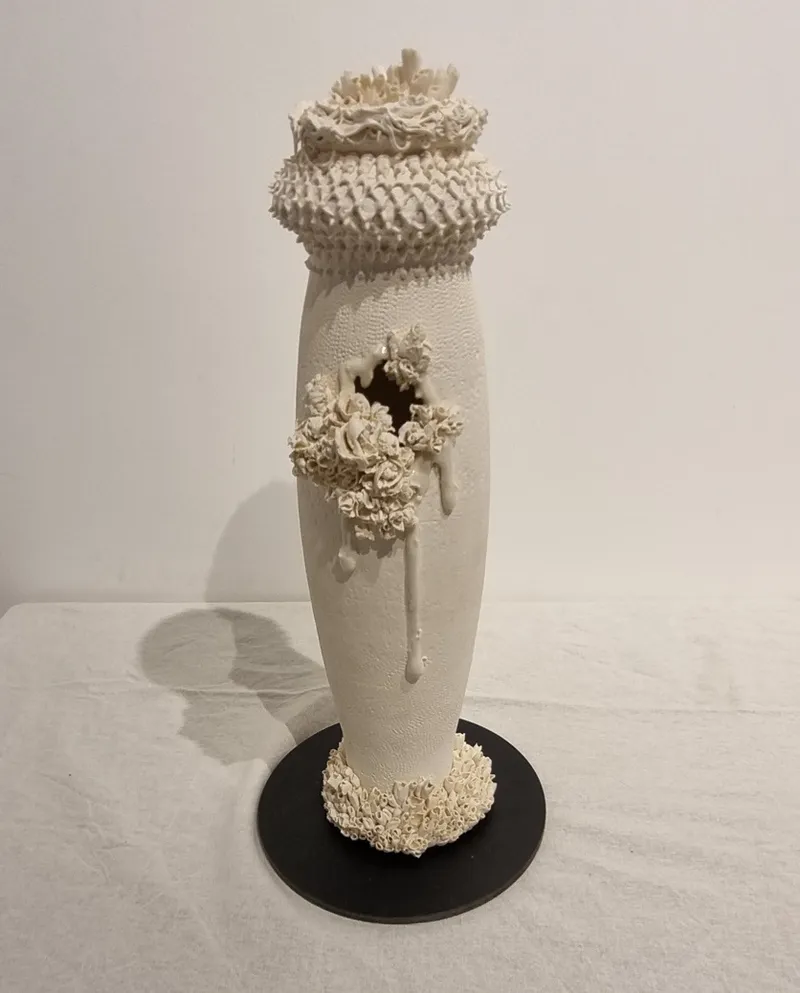
Over 60 works were displayed in the exhibition, with diverse functional and sculptural ceramics. Though rooted in functional pottery, Yakishime has evolved into a refined art form that embodies texture, simplicity, and respect for natural materials.
This pottery technique of firing unglazed wares at high temperatures causes the clay to vitrify and become durable and waterproof. Aesthetic elements arise via ash deposits and flame patterns. Regions like Bizen, Shigaraki, Tokoname, and Iga are renowned for their Yakishime pottery.

The Japan Foundation’s activities include arts and cultural exchange, Japanese language education, and international dialogue with other countries. “Today, for example, there are approximately 3.8 million people studying Japanese language overseas, an increase of approximately 30 times since the end of the 1970s,” Kazuyoshi explained.
“In an increasingly multi-polar and uncertain international society, it is more important than ever for Japan to strengthen its ties with people around the world,” Kazuyoshi signs off.
Now what have you done today to pause in your busy schedule and harness your creative side for a better world?
(All photographs taken by Madanmohan Rao on location at Karnataka Chitrakala Parishath.)