



Talent, traditions, tributes: this annual cultural festival in Goa promotes art across genres
In this photo essay, we showcase more outstanding artworks from the Serendipity Arts Festival in Goa.

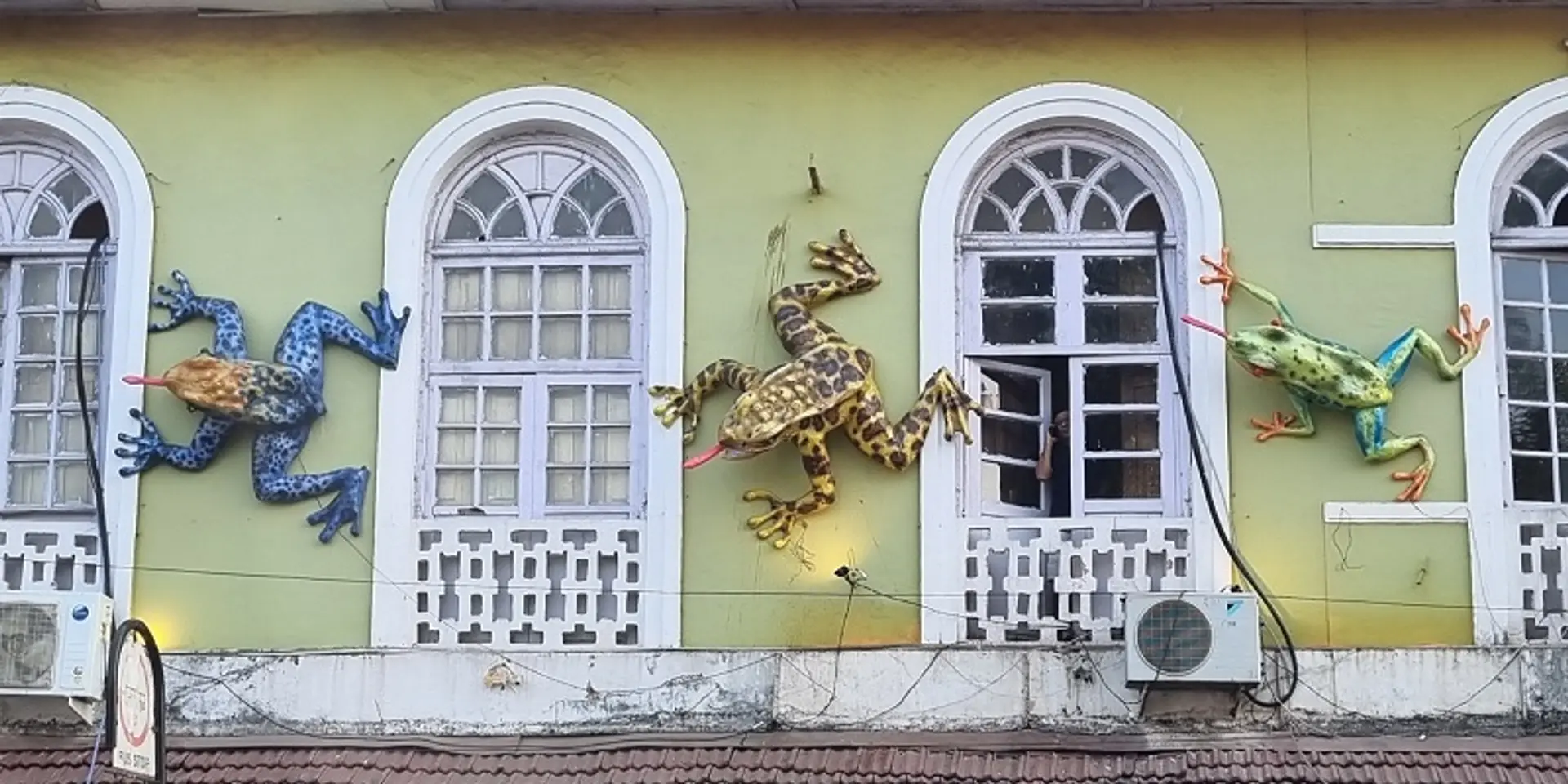

Launched in 2014, PhotoSparks is a weekly feature from YourStory, with photographs that celebrate the spirit of creativity and innovation. In the earlier 925 posts, we featured an art festival, cartoon gallery. world music festival, telecom expo, millets fair, climate change expo, wildlife conference, startup festival, Diwali rangoli, and jazz festival.
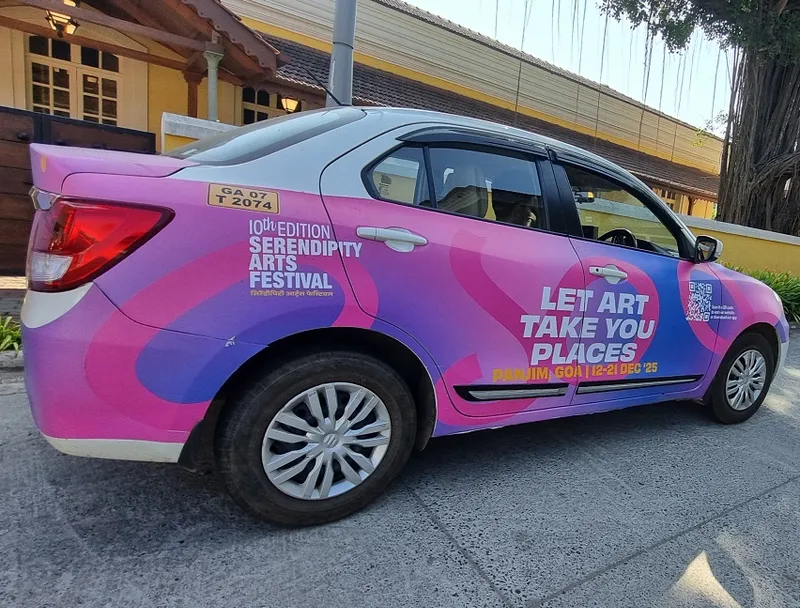
The Serendipity Arts Festival (SAF) celebrates its 10th annual edition this month in Goa. Regarded as South Asia's premier multi-disciplinary cultural platform, it spans a wide spectrum of artistic genres (see our coverage of earlier SAF editions here).
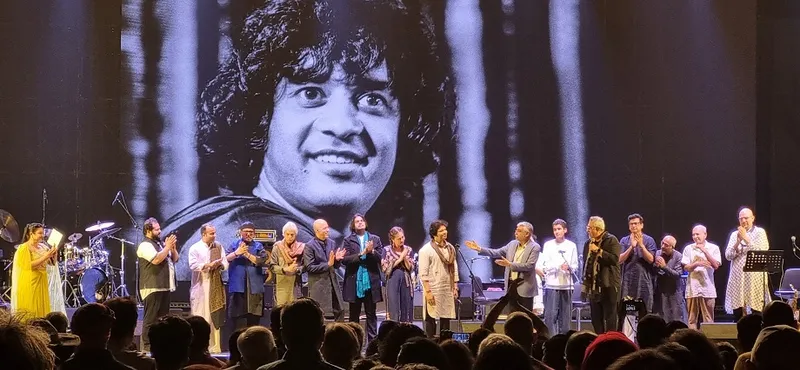
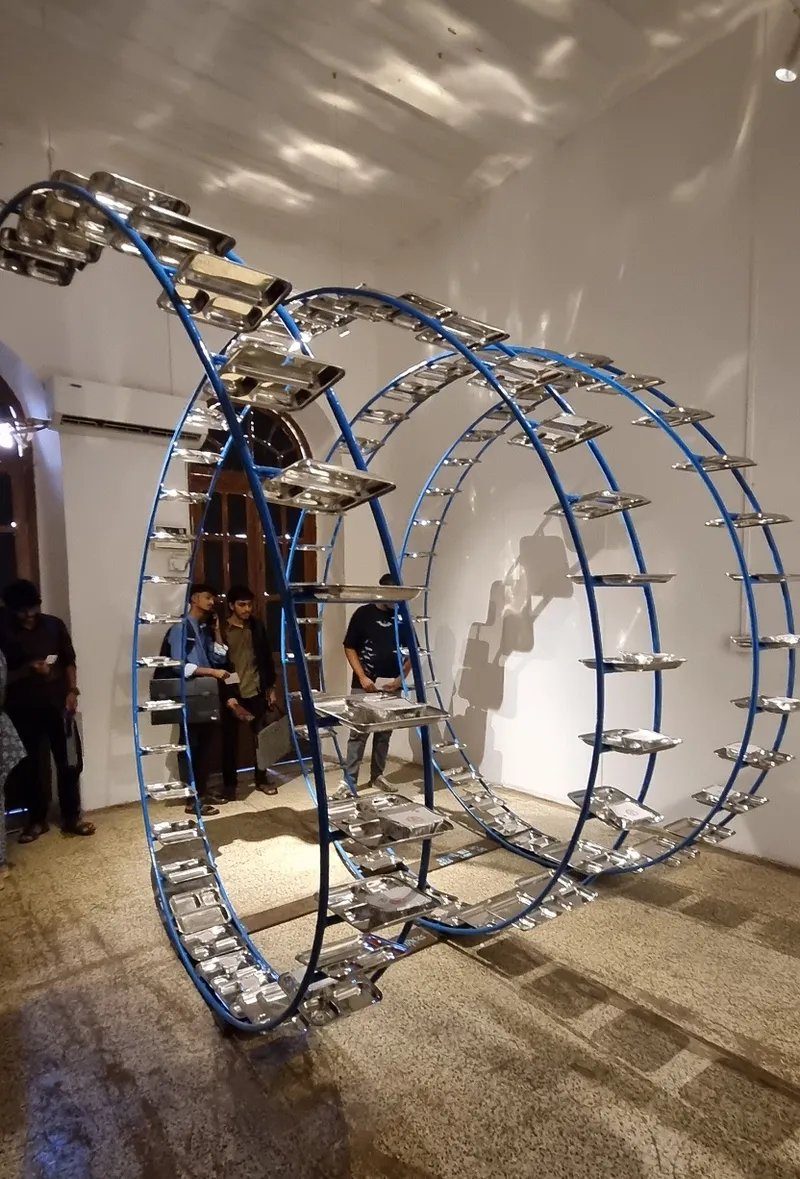
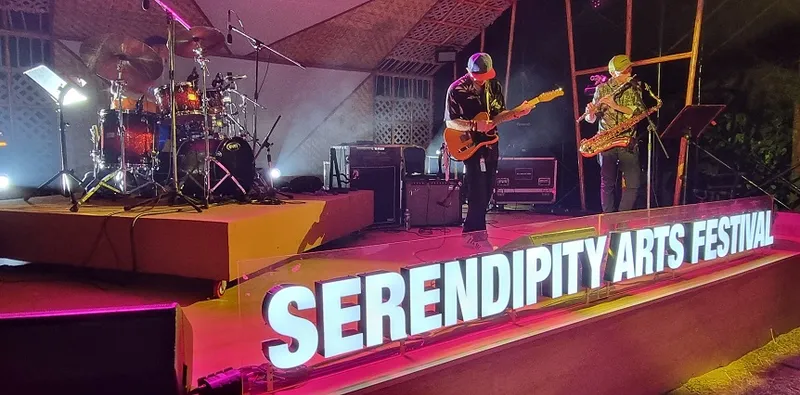
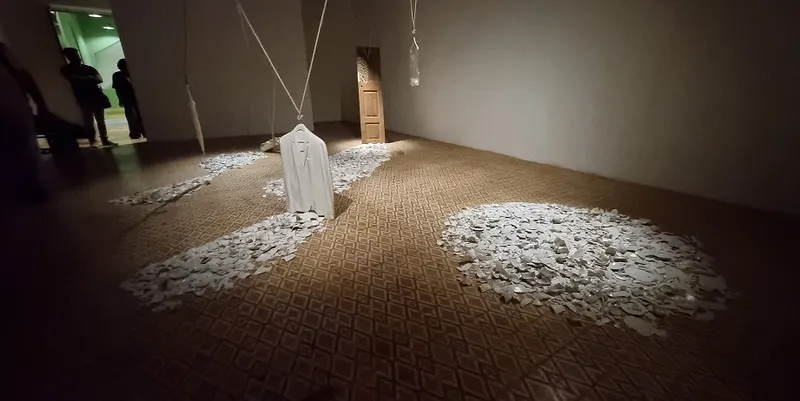
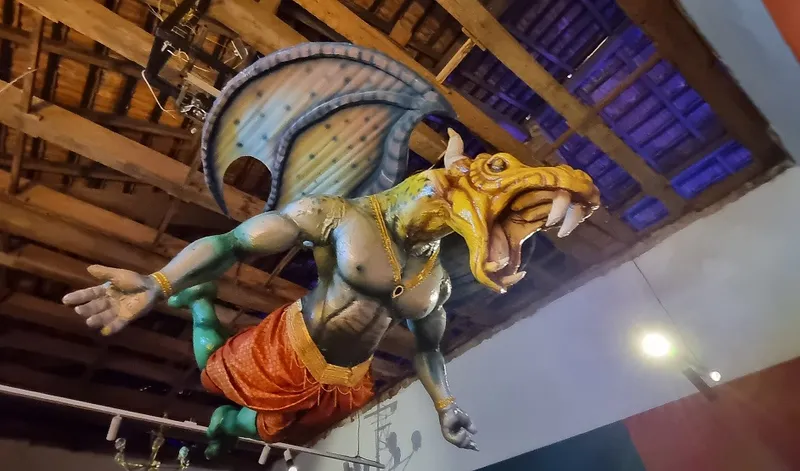
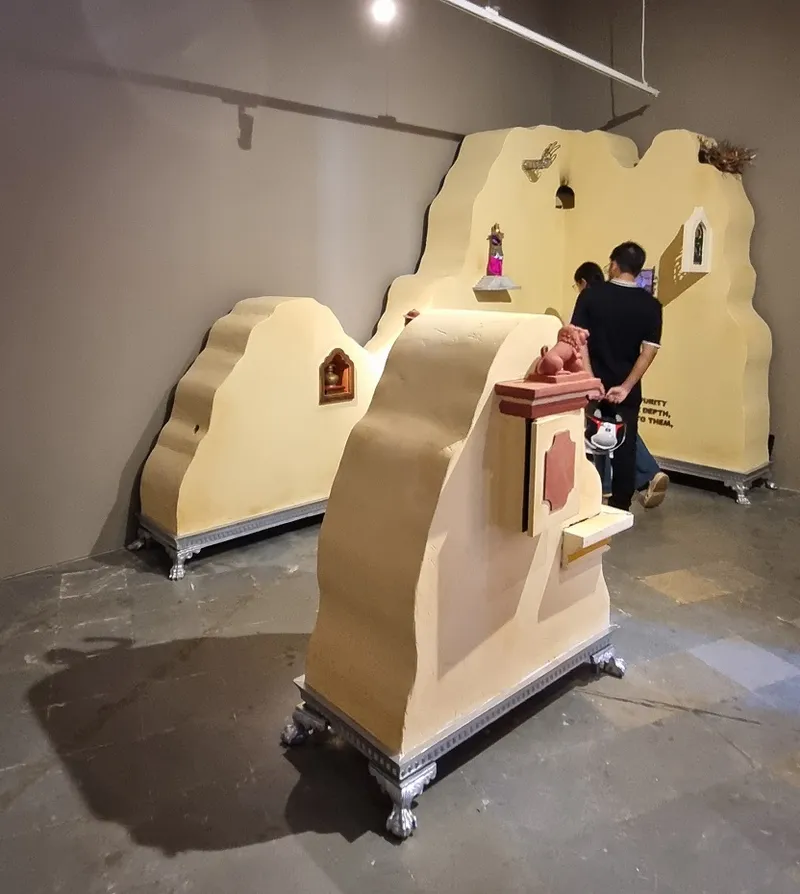
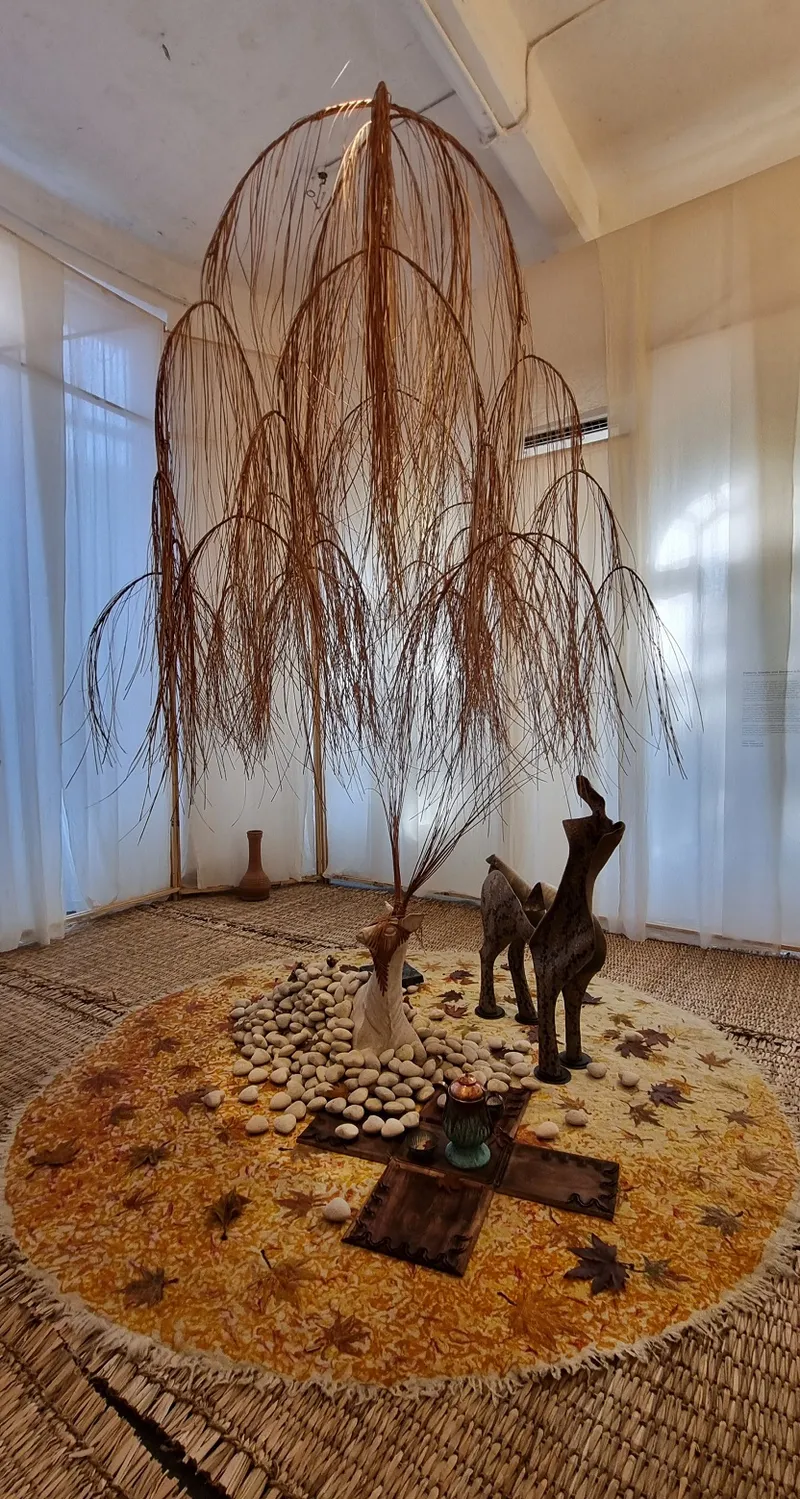
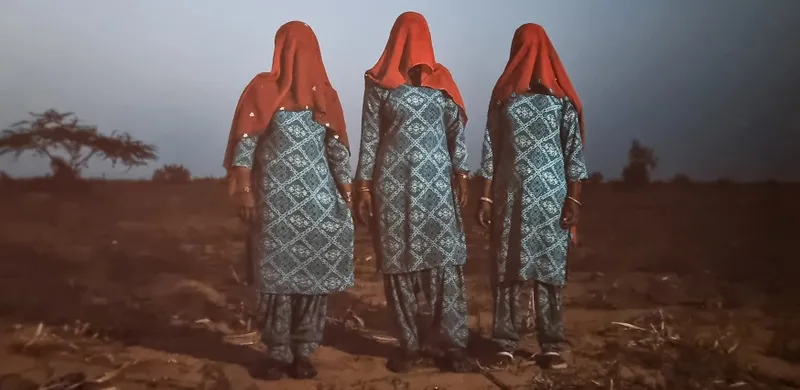
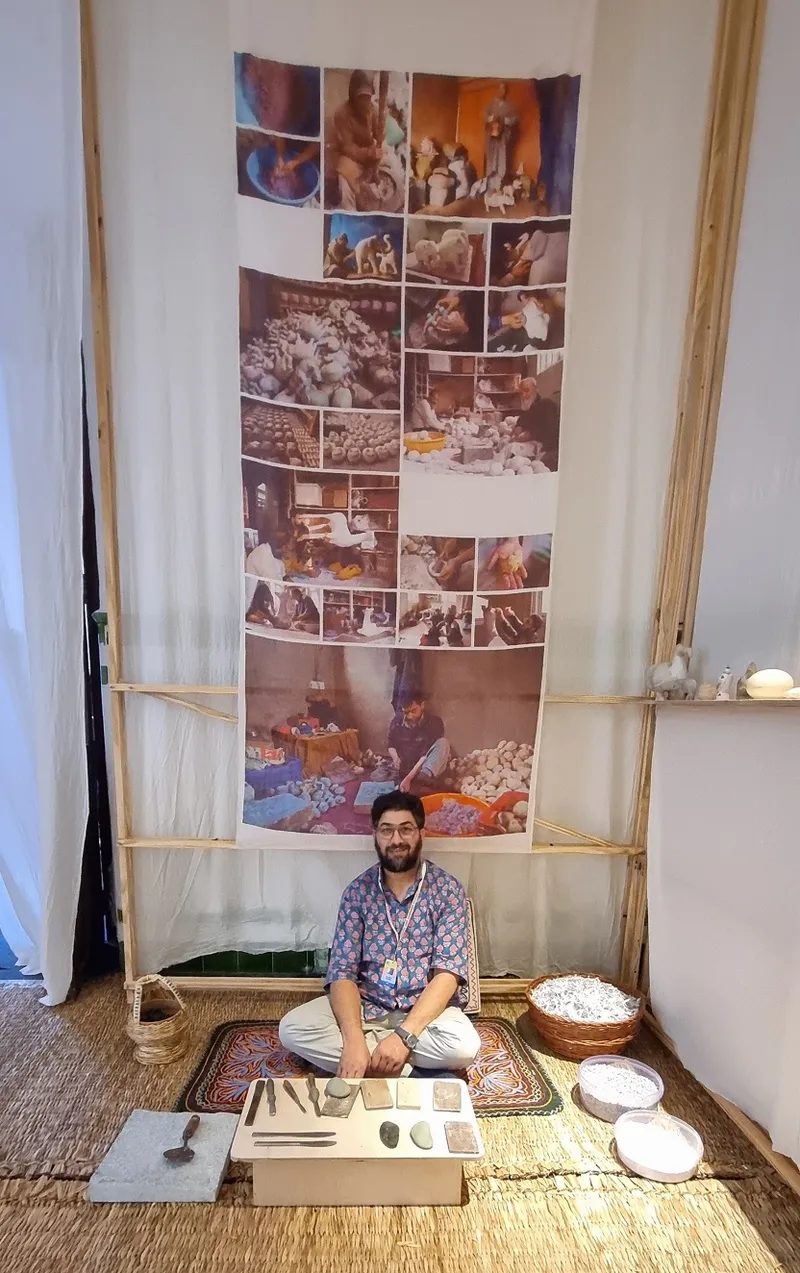
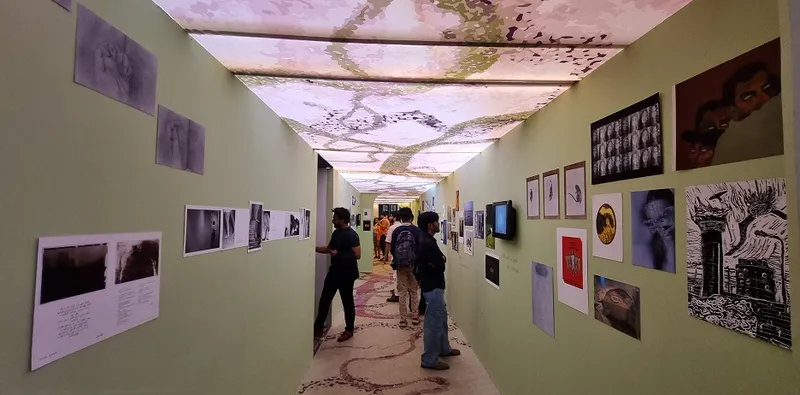
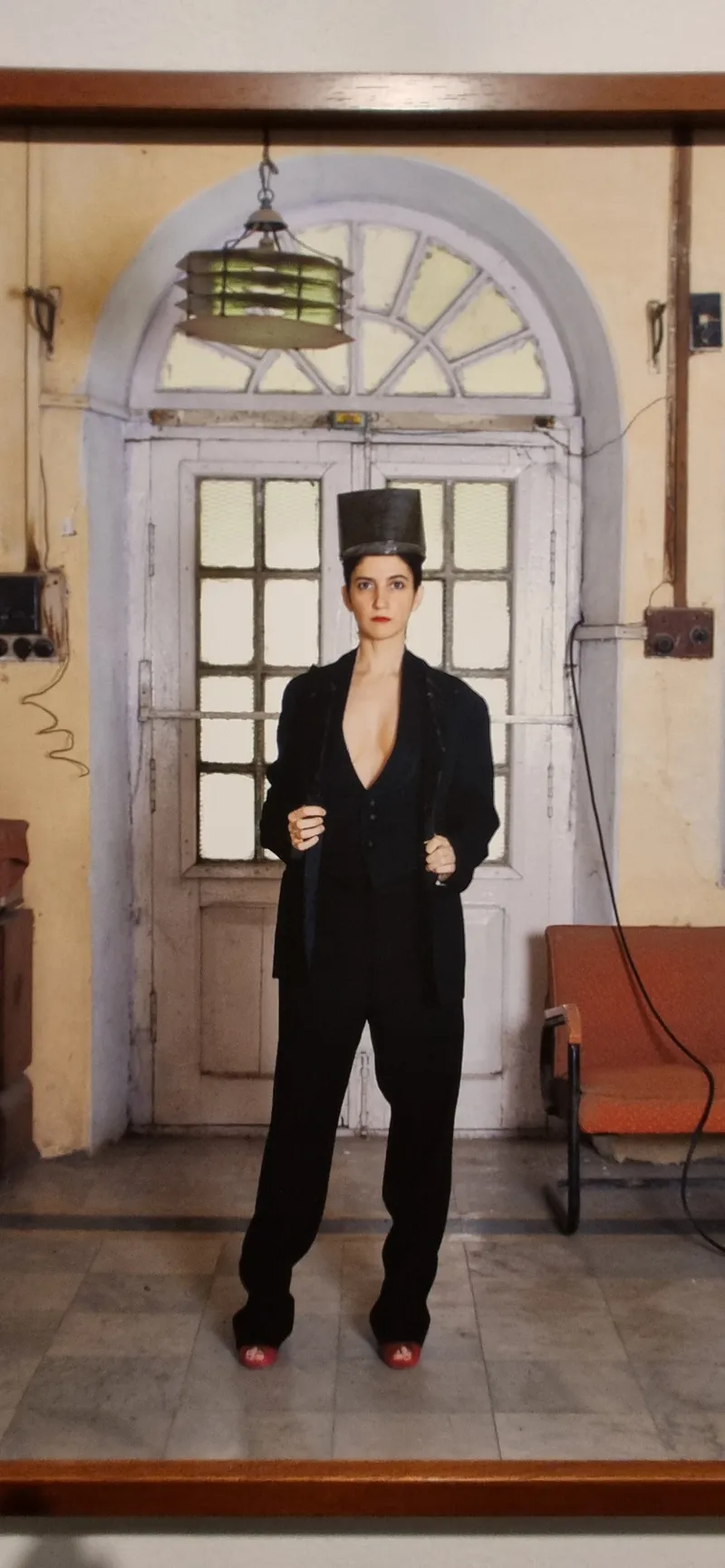
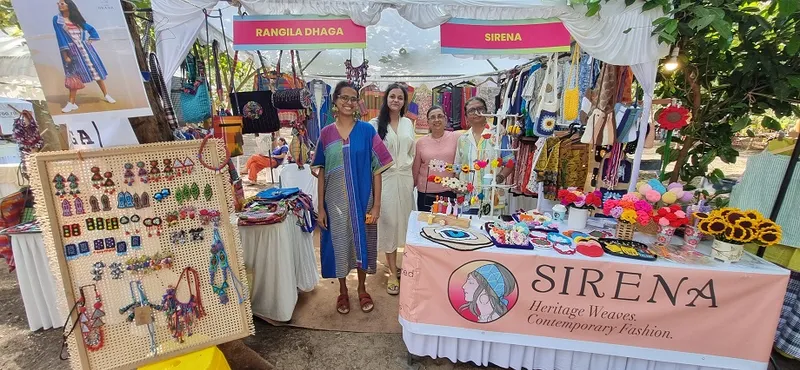
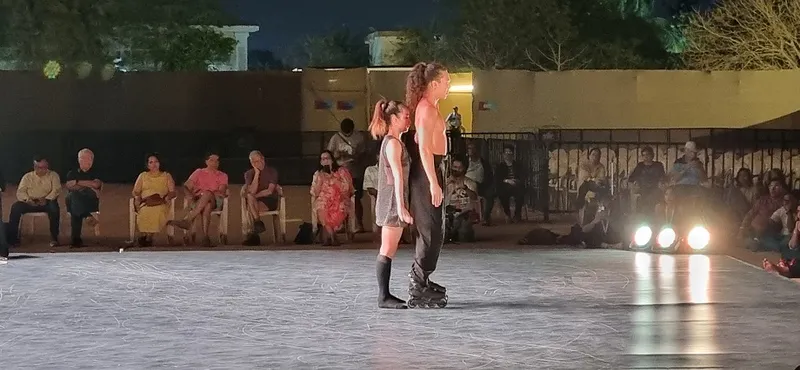
In this photo essay, we showcase artworks from multiple SAF venues in the city, such as Old PWD Complex, Art Park, Old GMC Complex, Azad Maidan, and Directorate of Accounts. We also feature the tribute concert to the late great tabla maestro, Ustad Zakir Hussain.
“We are building a new campus in Delhi called The Brij, with multiple institutions. The Serendipity Arts Foundation, which runs this festival, will become one of the many institutions there,” Hero Group’s Sunil Kant Munjal, Founder-Patron of Serendipity Arts, tells YourStory.
This will also include the BRIJ Incubator. “We are not waiting for all the buildings to get completed. We are starting to launch a few institutions every year so that when the campus opens, it does not do so with empty buildings. Some will be operational even before the others are completed,” he adds.
SAF features over 35 curators for its 10th edition. They are responsible for the multidisciplinary sections on visual arts, music, theatre, photography, dance, crafts, and food arts.

There are many independent studies which show that the impact of SAF is quite widespread. “It has had an impact on Goa's economy, ecology, social structure, people's behaviour, and also on Goa's reputation,” Munjal describes.
SAF invites visitors not only from across India, but also from many different countries. “Obviously, the message is going out and bringing in many others,” he adds.
The festival’s activities also span other cities and other countries. “Our mini-festivals this year went to Birmingham, Paris, Dubai, Ahmedabad, Varanasi, Chennai, and Delhi. We got a wonderful response and great press from the local communities there. We will go to London next summer,” Munjal says.
SAF has received multiple accolades over the years. They include the Cultural Impact Award at the Business Goa Lifestyle Awards 2025, for its role in shaping Goa's evolving cultural and creative landscape.
The festival was also honoured as Best Cultural Festival at the 8th annual Leading Culture Destination (LCD) Berlin Awards. This year, it received the Svayam Accessibility Award 2025 in the Accessible Tourism and Culture category for creating an inclusive, barrier-free cultural space.
This year, the Polish Institute in New Delhi joined the festival, deepening the cultural dialogue between Poland and India. For example, Polish jazz band Light Star Guiding played to a packed audience at the Art Park, with a blend of free jazz and electronic music.

Preservation and promotion of cultural heritage, along with adaptation to current tastes and trends, is one of the focuses of SAF. For instance, experts observe that Goa’s culinary heritage may be thinning.
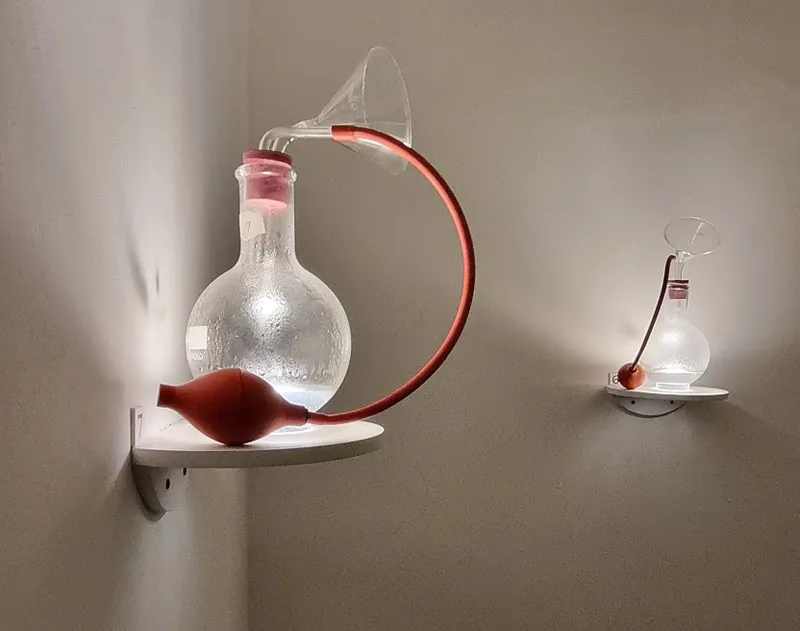
Furthermore, salt pans are drying up, everyday aromas are fading from neighbourhoods, and old food knowledge is slipping into the cracks of modern modular kitchens. Culinary curators Thomas Zacharias, Prahlad Sukhtankar, Odette Mascarenhas, Anushka Murthy, and Elizabeth Yorke are tackling this challenge by showcasing traditional foods and recipes of Goa.
The festival curators call for greater appreciation of art in society, and more ecosystem collaboration. “Education about art and other domains enlightens people and enriches their lives. This need not be linked only to employment,” music curator Aneesh Pradhan explains.
“One enriches one’s life by learning music, but this does not necessarily mean that the person can be or needs to be a professional musician. However, I feel music education, whether in the traditional guru-shishya format or the institutionalised system, needs to be reviewed,” he adds.
Art education should be revamped to make it relevant to present needs. “This includes research and practice as conducted today without losing out on history and tradition,” he says.
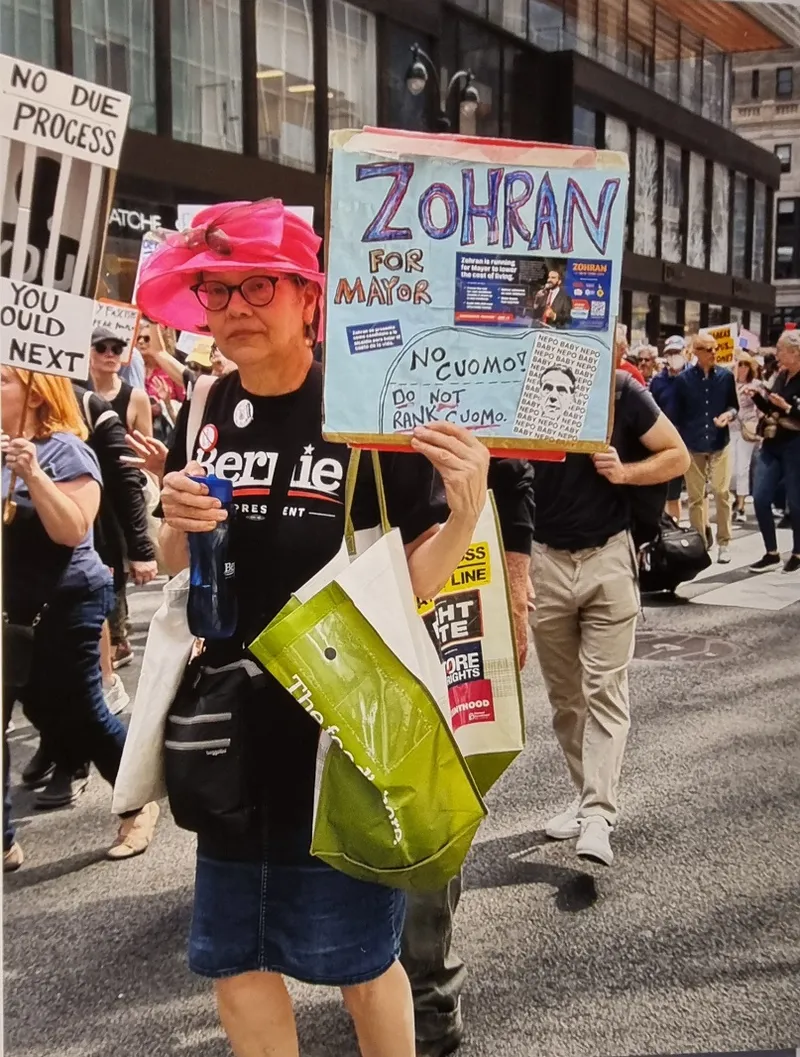
SAF also featured art historian Rahaab Allana, who curated the exhibition titled Displacement. “A hundred million people were displaced over the last year, 2024. That's a record in history,” he observes.
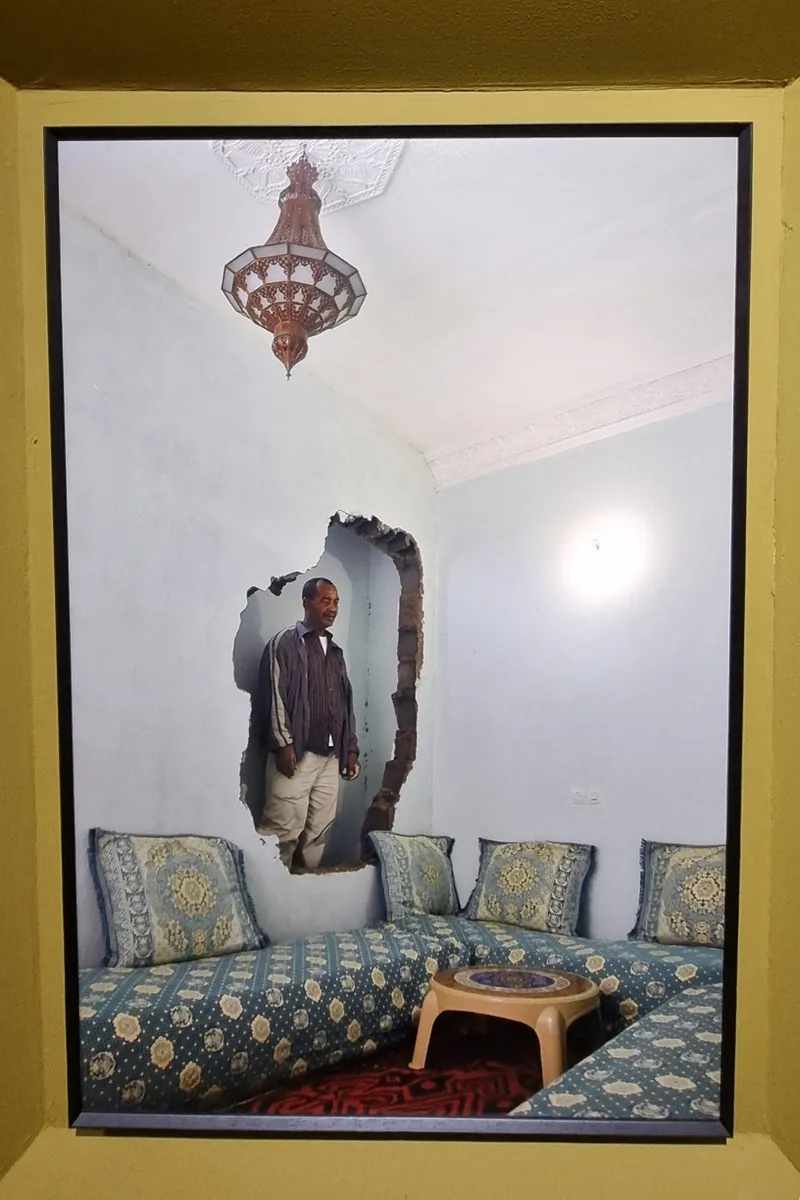

This migration activity included the Middle East and South Asia. The exhibition’s haunting photographs throw open contemporary image-oriented debates about justice and accountability in today’s volatile landscape.
“We make people think alongside their enjoyment. We are hoping that they go back with some messages which make them reflect further and get more engaged with arts, with crafts, with themselves, and with their culture,” Munjal signs off.
Now, what have you done today to pause in your busy schedule and harness your creative side for a better world?
(All photographs taken by Madanmohan Rao on location at SAF 2025.)