


Six decades of creative excellence: the journey of Natya Institute of Kathak and Choreography
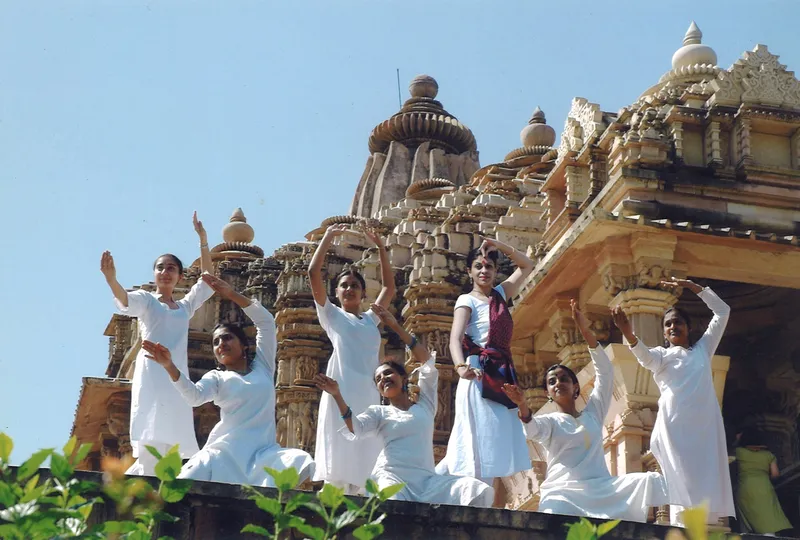
In this photo essay, we highlight the outstanding work of the Natya Institute of Kathak and Choreography, and insights about its upcoming conference.

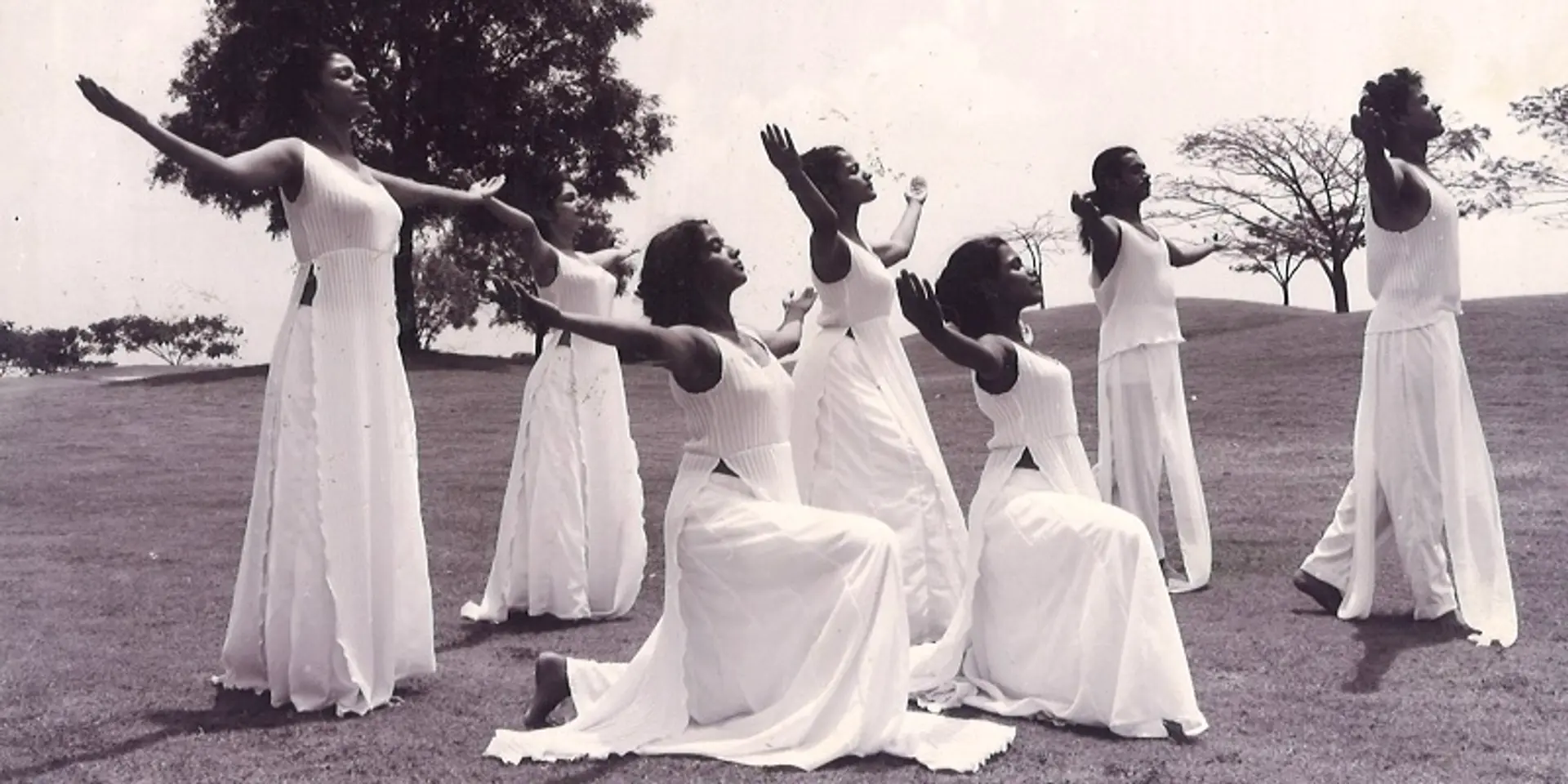

Launched in 2014, PhotoSparks is a weekly feature from YourStory, with photographs that celebrate the spirit of creativity and innovation. In the earlier 940 posts, we featured an art festival, cartoon gallery. world music festival, telecom expo, millets fair, climate change expo, wildlife conference, startup festival, Diwali rangoli, and jazz festival.
The fifth edition of the Dr. Maya Rao Kathak and Choreography Conference will be held next weekend at the Sabha venue in Bengaluru. The conference is led by Madhu Nataraj, daughter of renowned Kathak exponent Dr. Maya Rao, and hosted by the Natya Institute of Kathak and Choreography (NIKC).
NIKC is regarded as India’s premier institution for contemporary classical dance. It also positions choreography as an evolving continuum rather than a static inheritance. The 2026 conference addresses a core question: How do we carry legacy forward without fossilising it?
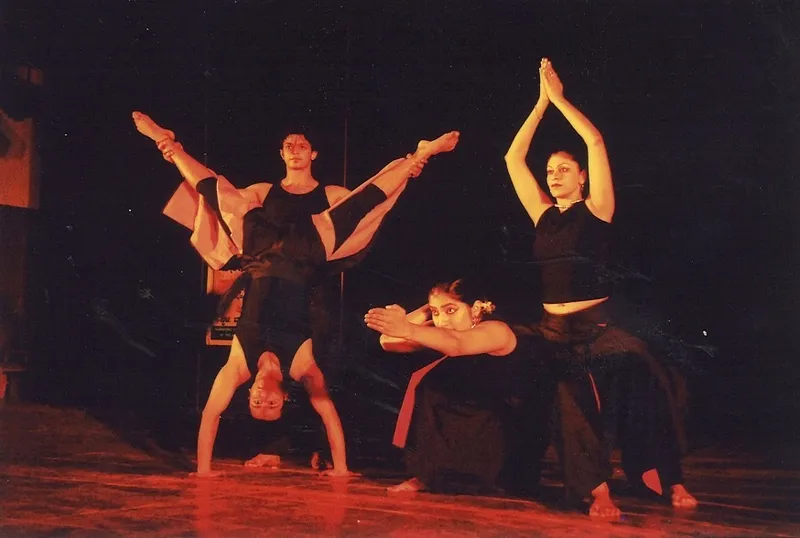
The conference features performances, panels, workshops, and illustrated talks by an exceptional line-up. Speakers will address and show how choreographic thinking evolves through time, responding to climate change, AI, healing, identity, and social transformation.
Dr. Maya Rao has often been described as the ‘Mother of Indian Choreography’. She was a pioneer in systematising choreography as a discipline in India, distinct from solo performance.
She explored interdisciplinary collaboration and positioned the dancer as thinker, not just performer. She co-founded NIKC in 1964 along with cultural visionary Kamaladevi Chattopadhyay, bridging classical rigour and contemporary imagination.
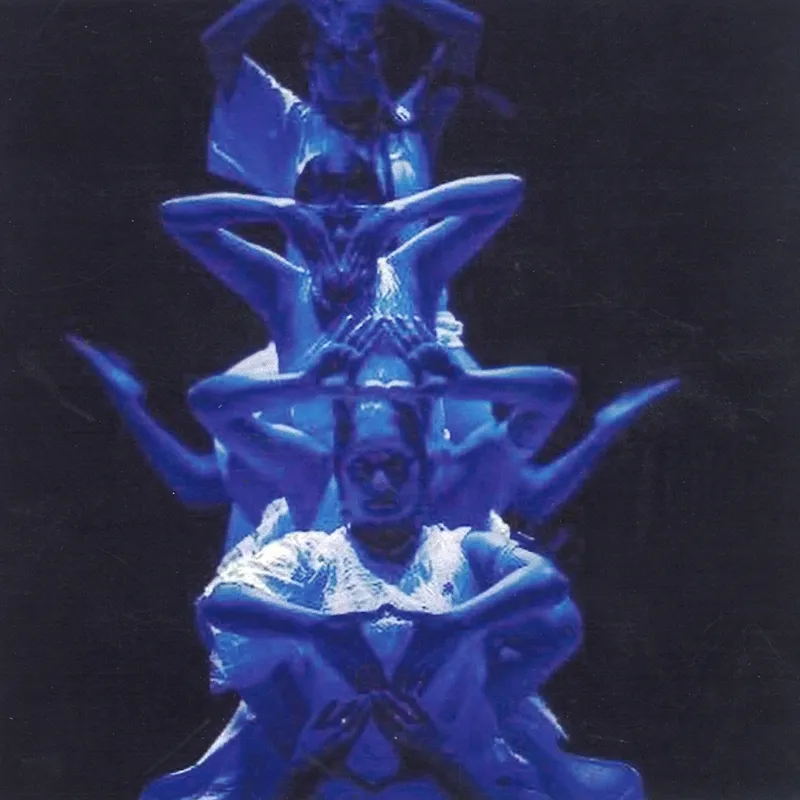

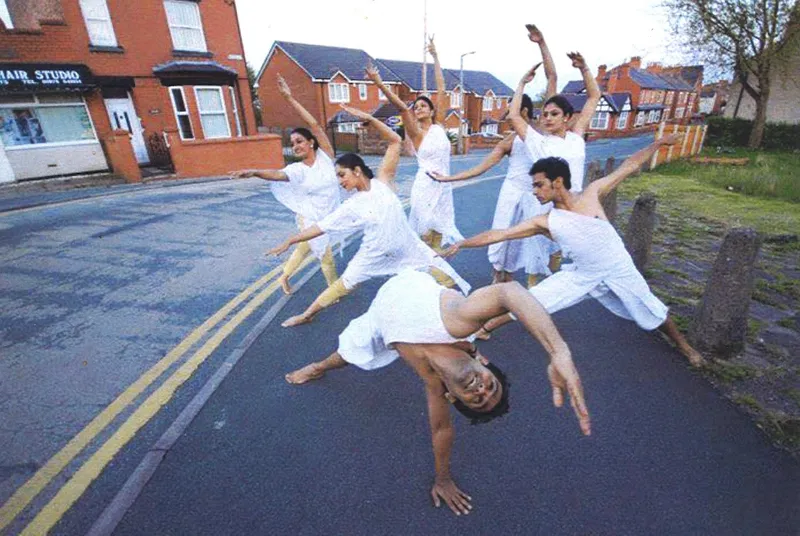
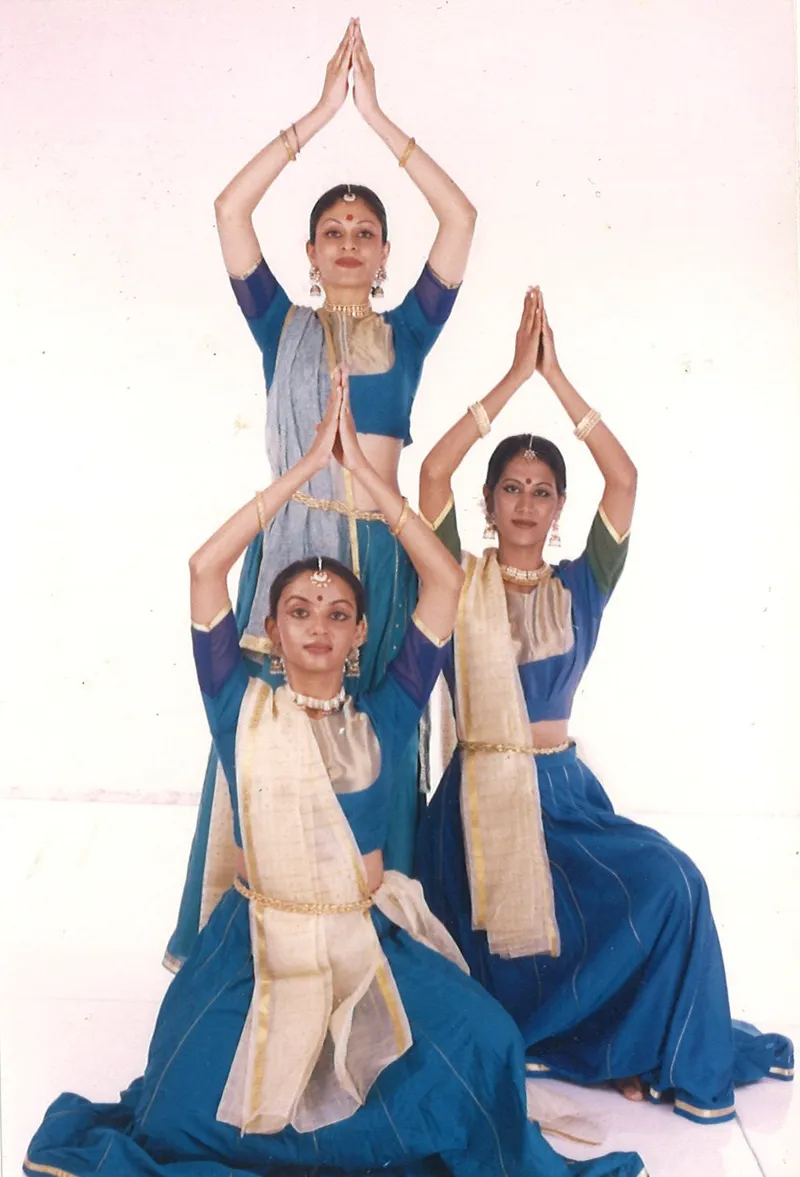
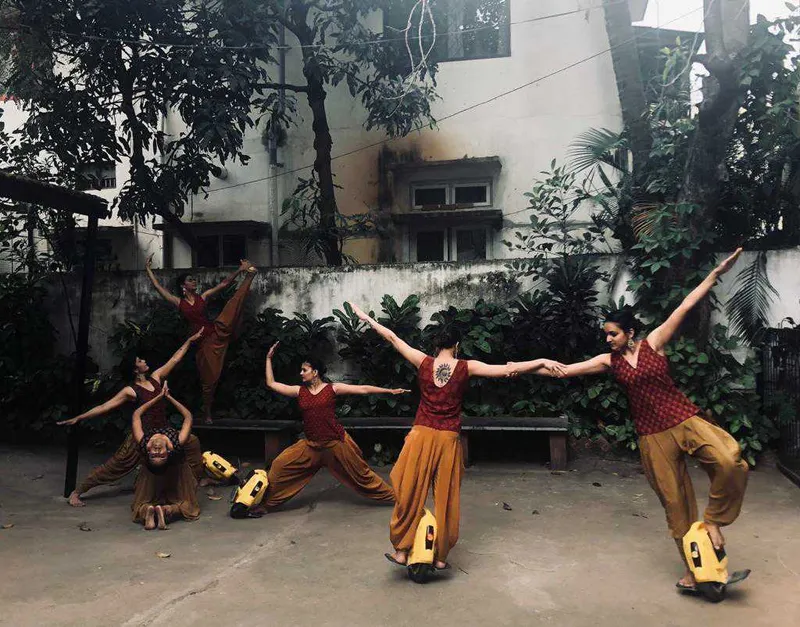
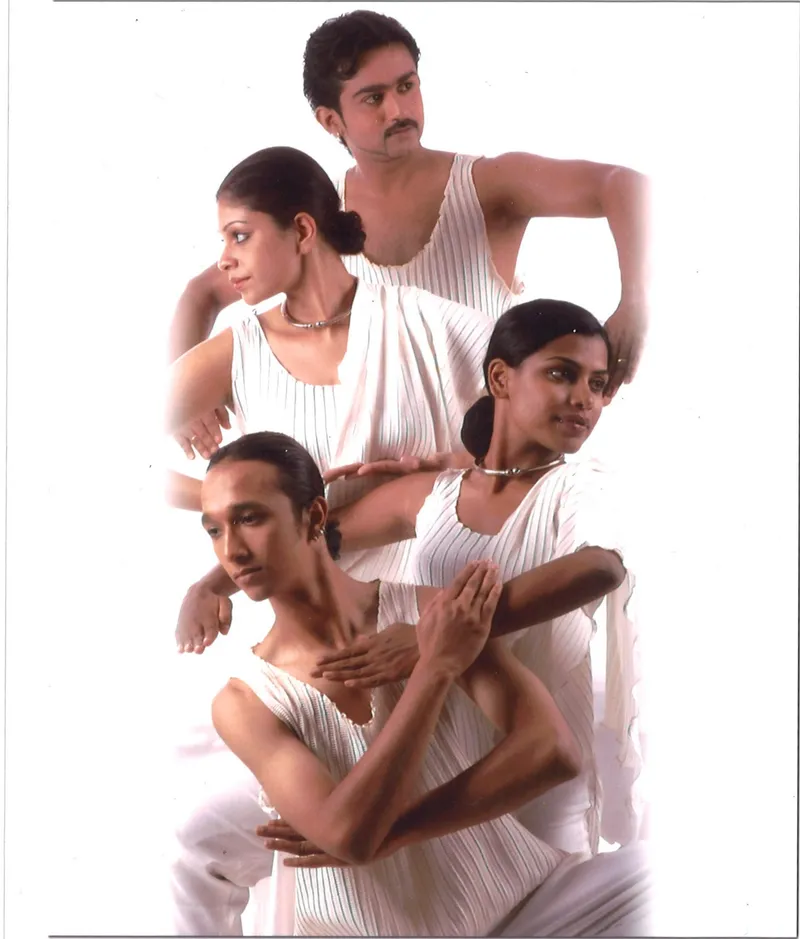
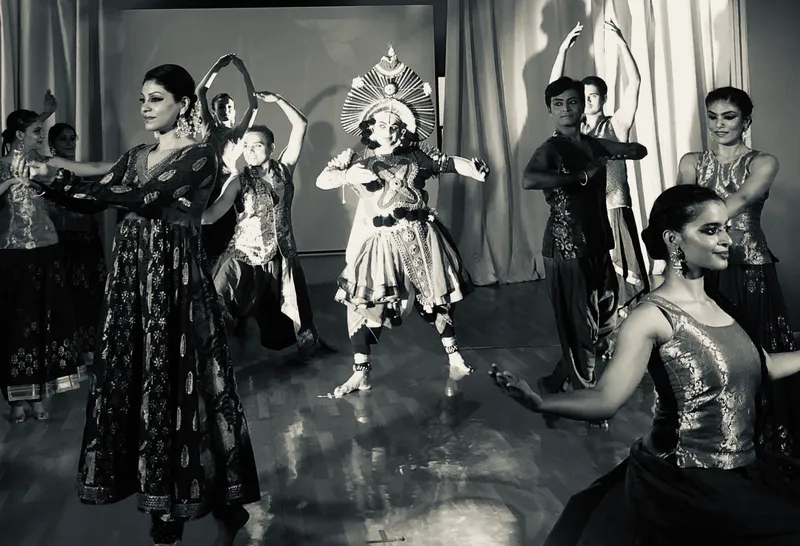
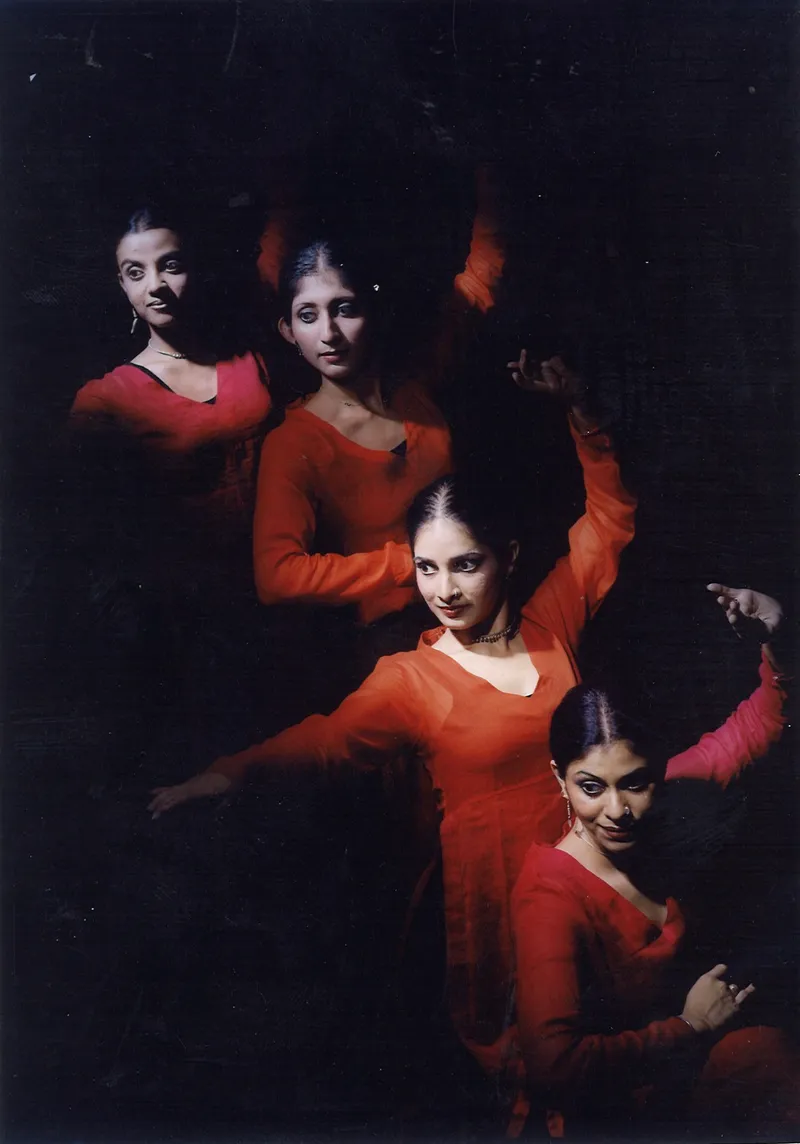
NIKC has trained generations of dancers, built large dance archives and documentation units, and toured to around 40 countries. It positioned choreography as a tool for education, social engagement, and cultural diplomacy
“One of its greatest highlights is its legacy of students. Over six decades, thousands of dancers have graduated through its diploma and degree programmes in choreography and Kathak, and through workshops conducted in over 50 countries,” Madhu Nataraj tells YourStory.
Upcoming plans include deepening research, archiving, and documentation, engaging choreography with contemporary concerns, and nurturing the next generation of artist-leaders who can respond meaningfully to the world through movement.
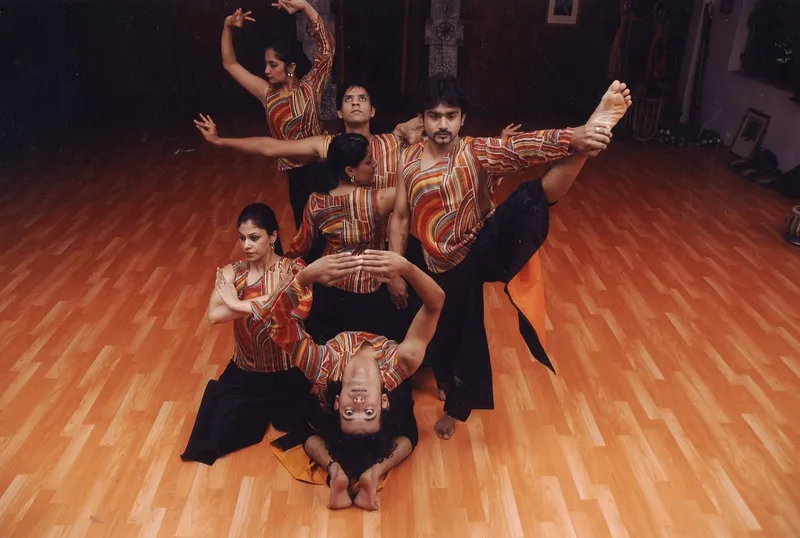
There are, however, many misconceptions about what fusion in the world of dance evolution and collaboration means. “The biggest challenge is the misunderstanding of fusion itself. Often, fusion is reduced to the superficial mixing of styles, which results in confusion rather than coherence,” Nataraj explains.
“True collaboration begins with deep understanding and respect for each form—its grammar, philosophy, rhythm, and intent. Only then can dialogue occur,” she adds.
For example, when jazz and Carnatic music meet, the common ground lies in improvisation. “But translating that into movement requires rigorous study, not shortcuts,” she clarifies.
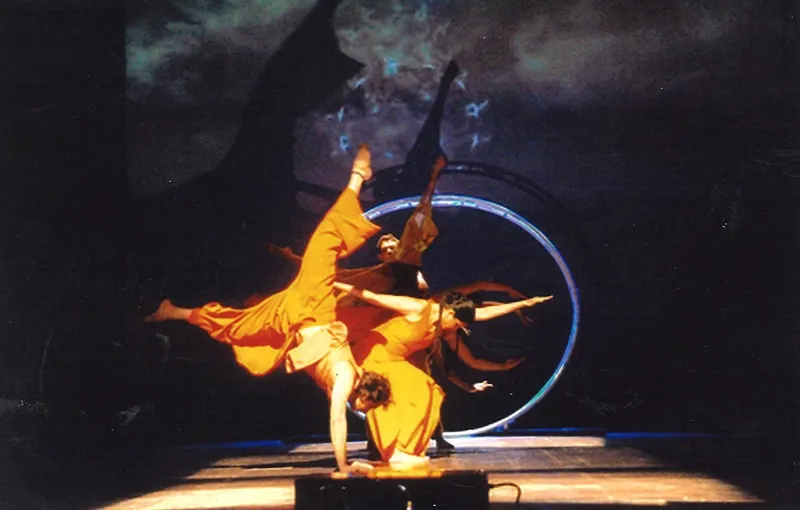

“Dr. Maya Rao’s own work exemplified this clarity. Rooted in South Indian traditions, she was never insular—integrating Kathak rhythms, martial traditions, or theatrical elements only when dramaturgically essential,” Nataraj says.
When approached thoughtfully, collaboration becomes a powerful tool for artistic innovation and social impact. “But it must always come from knowledge, not just novelty,” she affirms.
“Choreography is a spatio-temporal art form. Successful choreography integrates movement research and composition; musical understanding; dramaturgy and narrative logic; costume, lighting, and stage design; and writing, documentation, and conceptual clarity,” she explains.
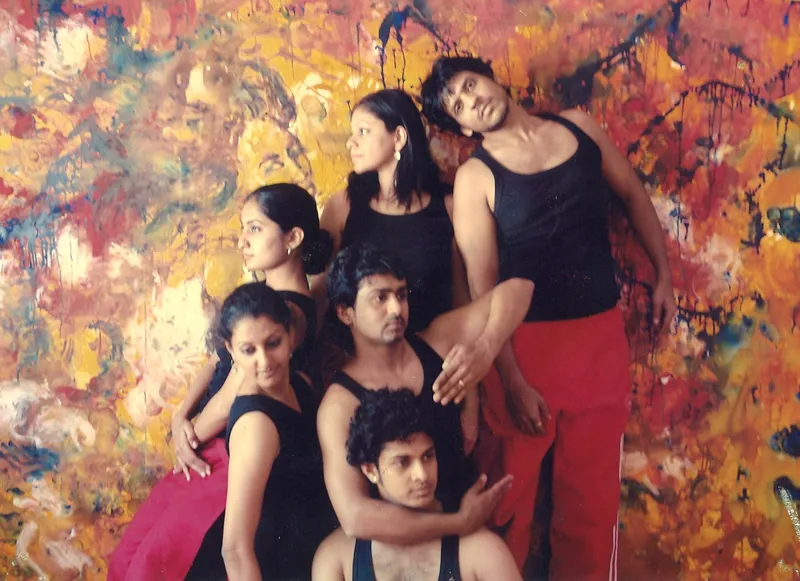
Integrity, excellence and audience awareness are essential. Choreography ultimately functions as communication, and must show clarity of message composition and reception.
“A choreographer therefore needs to be a well-rounded thinker, deeply engaged with the world beyond the studio,” Nataraj says.
For long-term sustainability, arts require committed partnerships, not one-off sponsorships. “Industry and philanthropy can support long-term institutions and training ecosystems, and invest in archiving, research, and education,” she suggests.
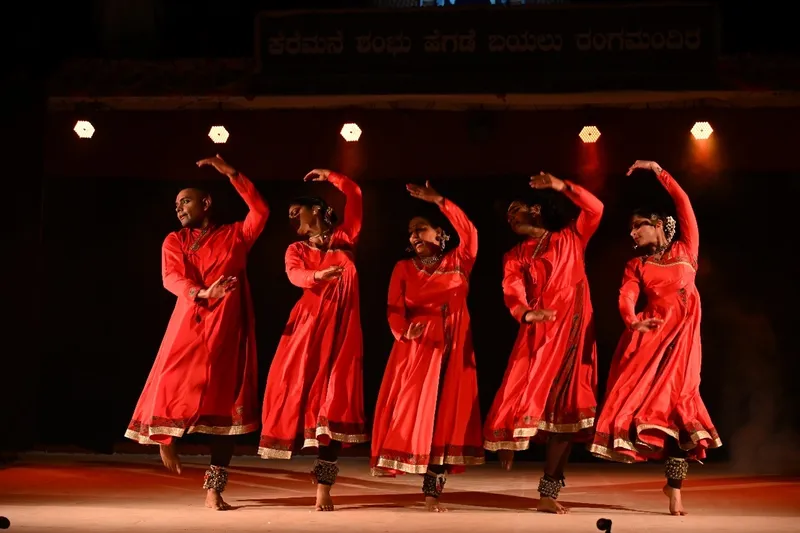

“They can enable access through outreach, scholarships and touring, and create platforms where dance intersects with business, technology and social dialogue,” she adds.
Dance builds empathy, discipline, creativity, and cultural literacy—qualities every society needs. “Strategic collaboration can ensure that dance is not seen as a luxury, but as a public good,” Nataraj affirms.
In the world of dance, she sees India’s greatest strength in its plurality of forms, philosophies, aesthetics, and histories. “Few countries have such a vast embodied knowledge system,” she describes.
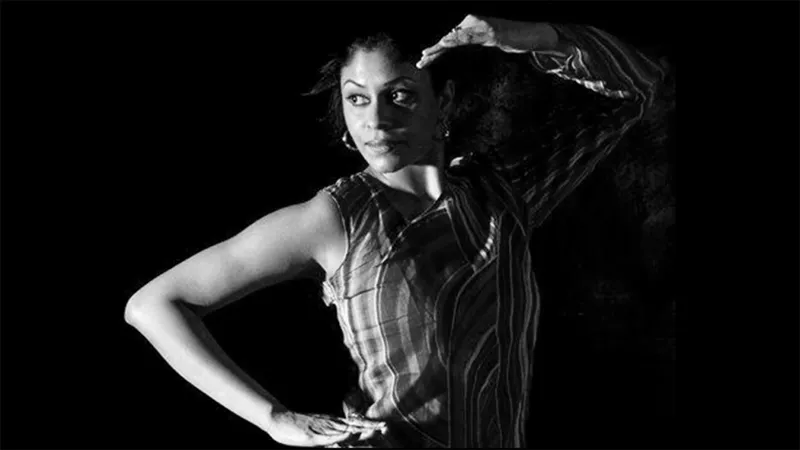
To realise this potential, she calls for stronger arts education policies, support for original choreography and not only preservation, platforms for dialogue between tradition and contemporaneity, and recognition of choreographers as thinkers and researchers.
“India does not need validation. It needs infrastructure, continuity and confidence,” she emphasises.
As trends in Indian dance, she points to increased interdisciplinarity and greater visibility through digital platforms. “There is also a surge of young dancers seeking global exposure,” she adds.

“However, there is also a risk of homogenisation driven by algorithms. The challenge is to balance accessibility with depth, and visibility with originality,” she cautions.
She firmly believes that dance productions can convey messages of social and environmental change. “Many contemporary productions engage with themes such as climate crisis, gender, displacement, mental health, and conflict—using movement as metaphor rather than didactic statement,” she observes.
“At NIKC, choreography has always been viewed as a tool for reflection and response. This allows complex issues to be experienced viscerally, not just intellectually,” Nataraj says.
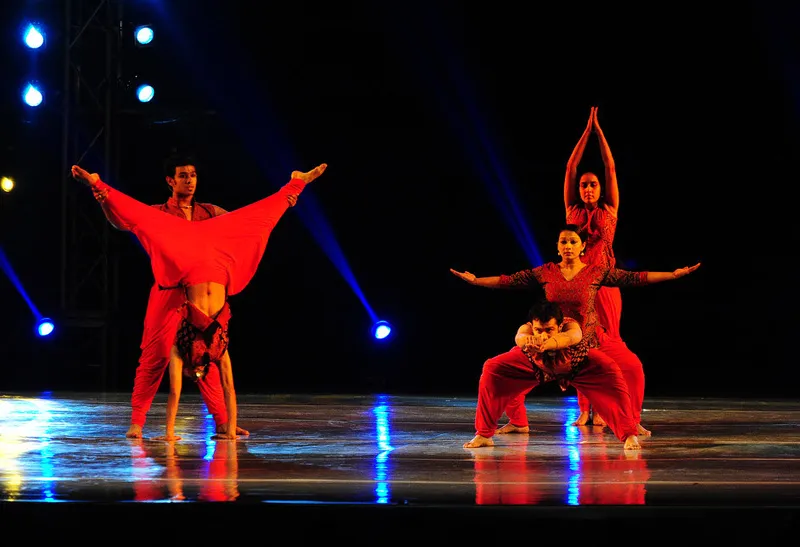
As for dance festivals, she believes that they become special when they are not just about scale, but curation and context. “Performances need to be supported by dialogue, scholarship, and audience engagement. Festivals that allow artists to take risks, present new work, and engage in conversation create lasting impact beyond applause,” she explains.
Commenting on the status of India’s national arts policy with respect to dance, she observes that while there is recognition of heritage arts, there is less support for choreography and contemporary practice.
“There is an urgent need for clear cultural policy for contemporary arts, funding structures for research and creation, and institutional support beyond festivals. Dance must be seen as a knowledge system, not just performance,” she affirms.
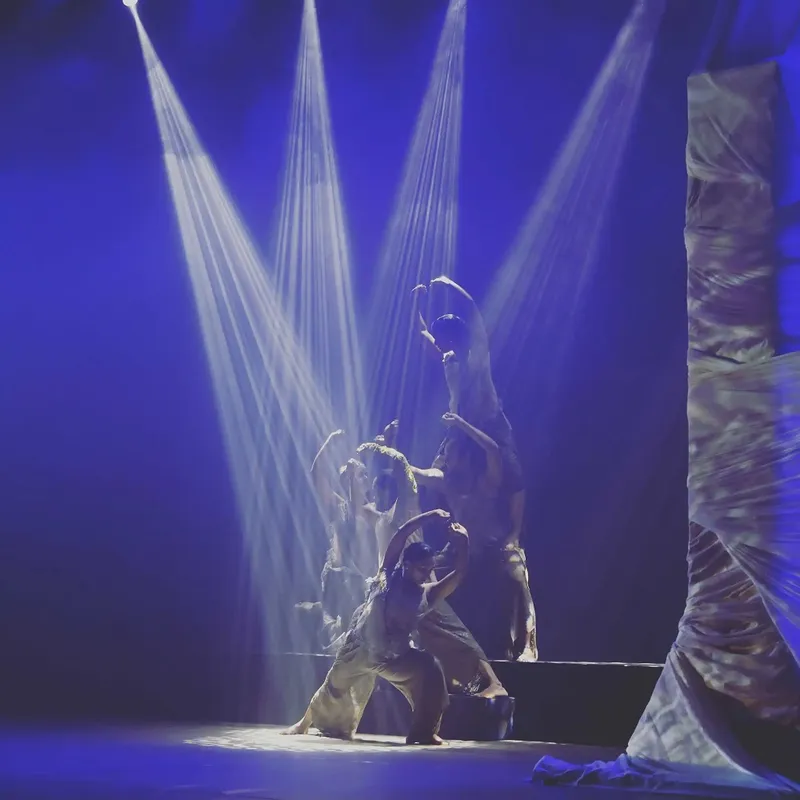

In this context, the Dr Maya Rao Kathak Choreography Conference has created a germination space for ideas. It brings together artists, scholars, curators, and audiences for more intergenerational dialogue, greater awareness of choreography as a discipline, and exposure to global and interdisciplinary perspectives.
“The upcoming edition deepens this vision, with a special exhibition tracing nearly 90 years of dance history. It makes archiving a sensorial, lived experience,” Nataraj says.
The arts have also been strengthened by entrepreneurship. “From founding companies and raising funds to building audiences and advocacy, dance requires entrepreneurial thinking, as seen in the leadership of NIKC. True leadership lies in building systems that outlast individuals,” she says.
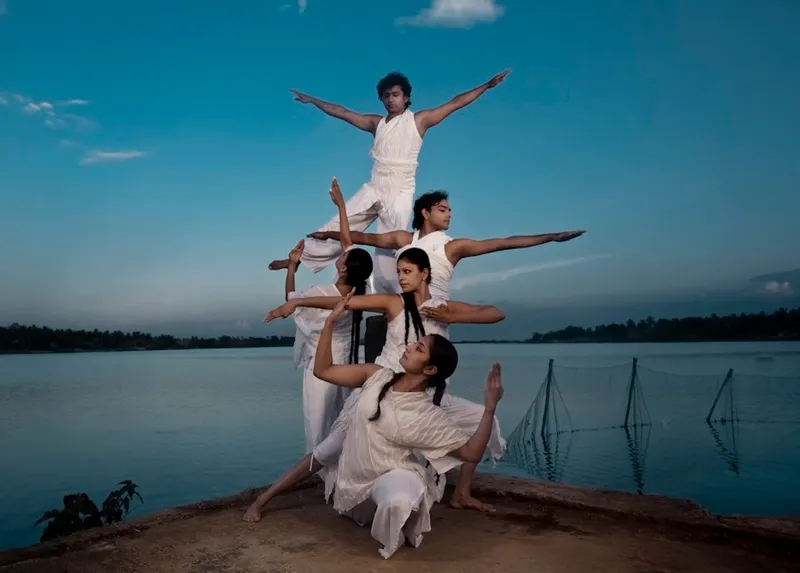
Nataraj also shares advice for aspiring dancers. “Keep your mind open. Study deeply. Don’t wear blinkers between tradition and modernity. In an age of instant trends, original thinking is your greatest asset,” she suggests.
She cites Dr Maya Rao in this regard: “If today’s innovation stands the test of time, it becomes tomorrow’s tradition.”
Nataraj also offers inspiring messages to audiences. “Dance is a dialogue. Artists cannot exist without audiences. By engaging with the arts—attending performances, asking questions, supporting institutions—you become part of the cultural ecosystem,” she says.
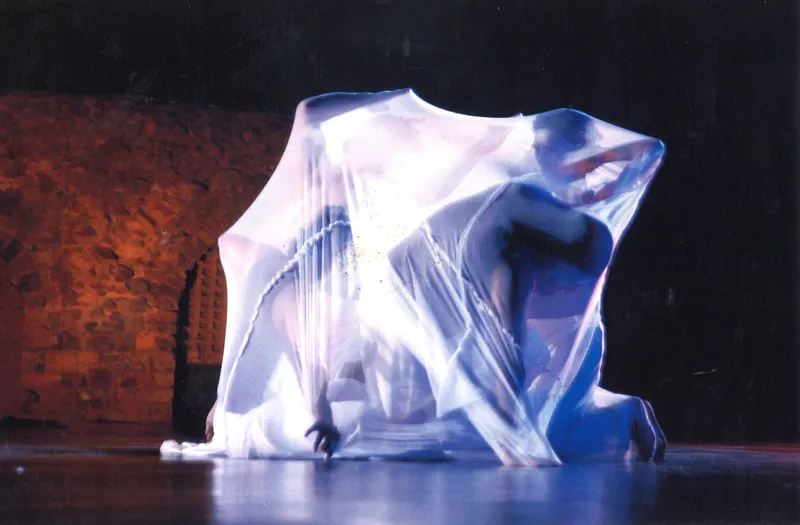

She invites audiences to think, to question, to move, and to imagine together. NIKC’s six-decade journey is not just about legacy—it is about continuity with relevance.
“Creativity is not optional. It is a survival skill for the 21st century,” Nataraj signs off.
Now what have you done today to pause in your busy schedule and harness your creative side for a better world?
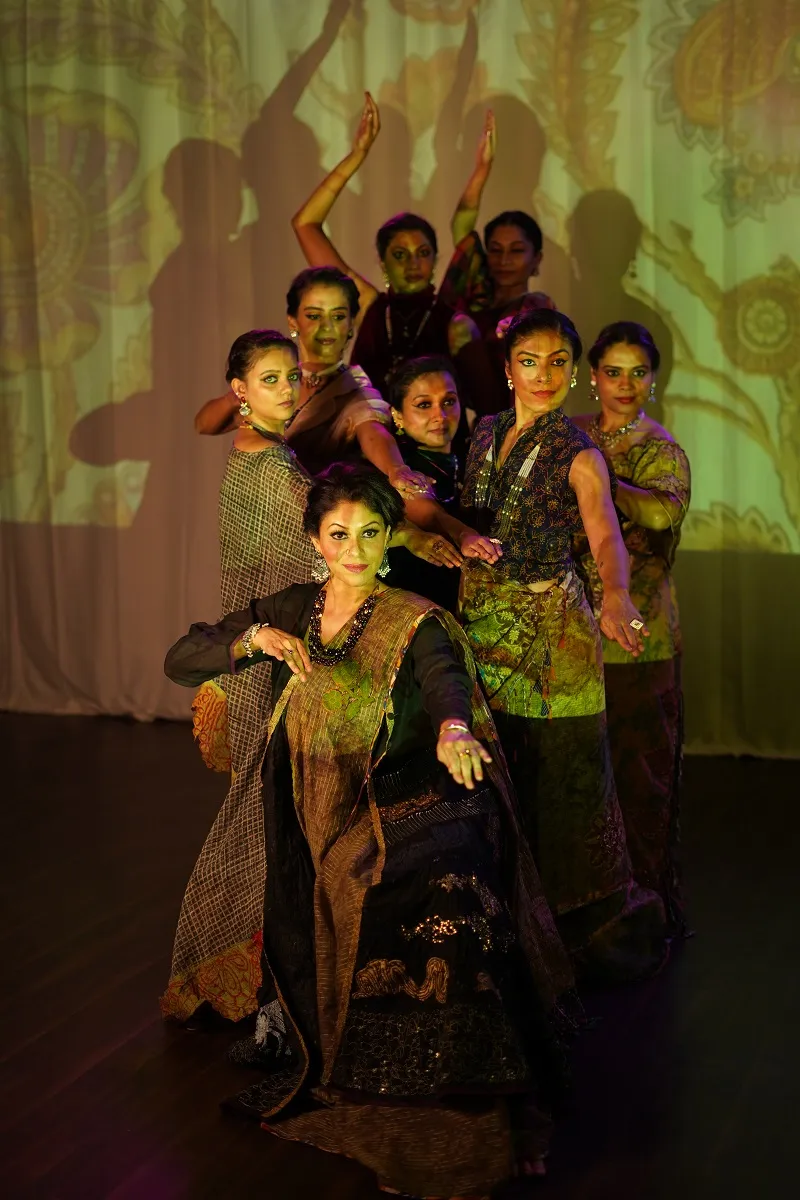
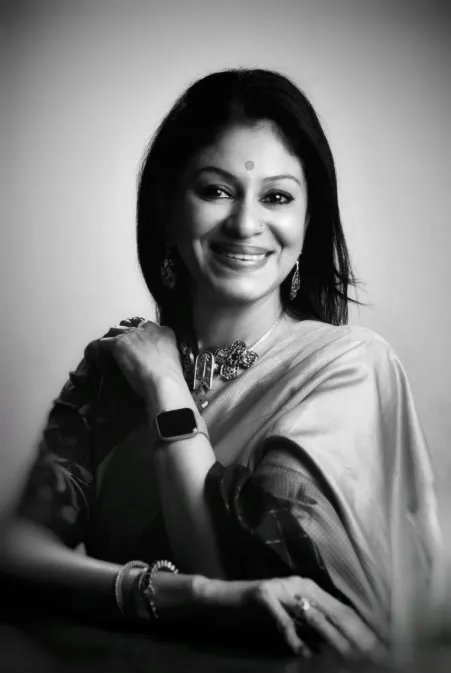
Madhu Nataraj
(All photographs courtesy NIKC.)
Edited by Jyoti Narayan