



Memory and medium: how Satish Gujral’s art showcases Indian modernism
In this photo essay, we feature highlights from an art exhibition at Bikaner House, curated by Raseel Gujral Ansal.

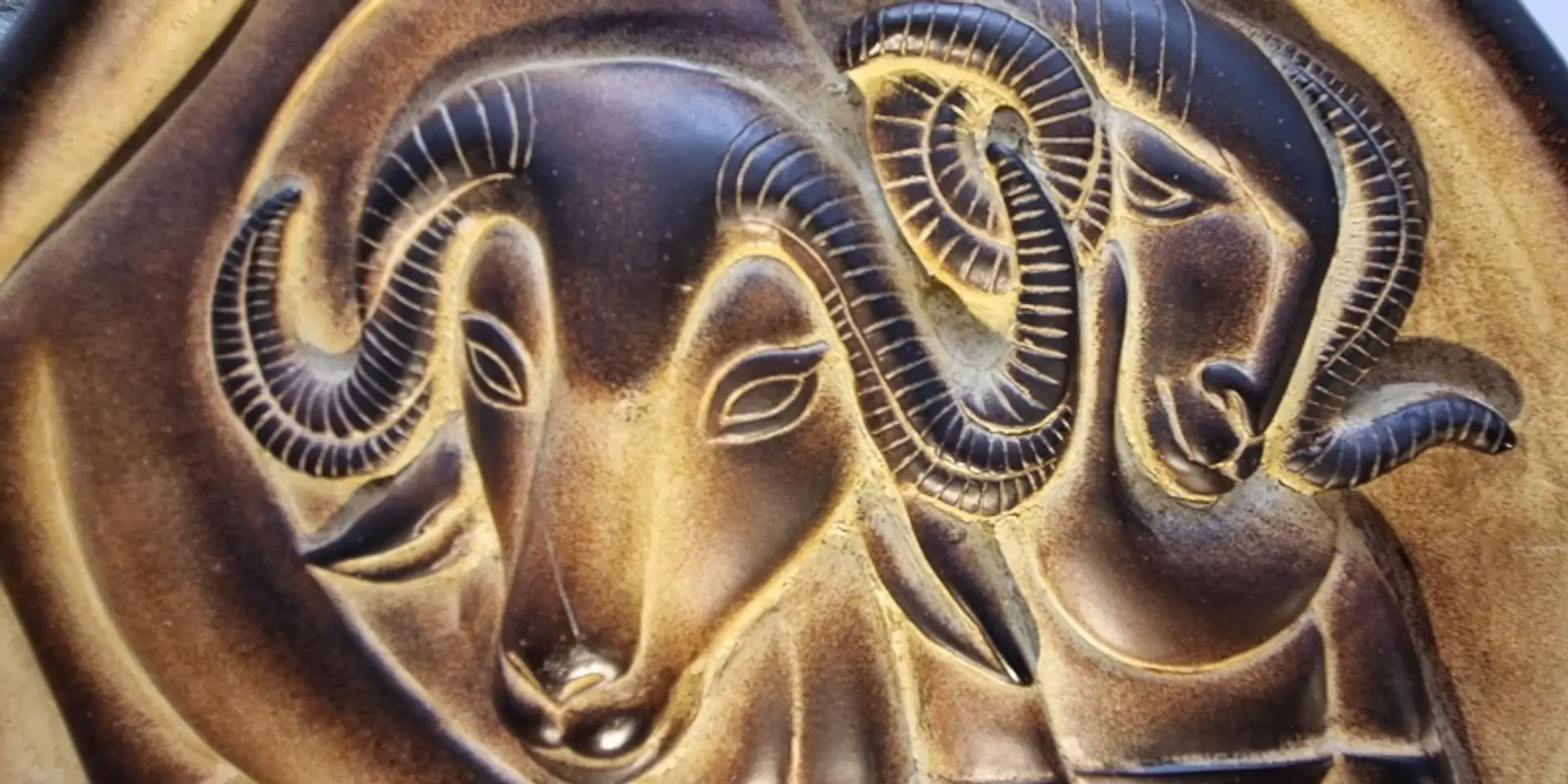

Launched in 2014, PhotoSparks is a weekly feature from YourStory, with photographs that celebrate the spirit of creativity and innovation. In the earlier 990 posts, we featured an art festival, cartoon gallery. world music festival, telecom expo, millets fair, climate change expo, wildlife conference, startup festival, Diwali rangoli, and jazz festival.
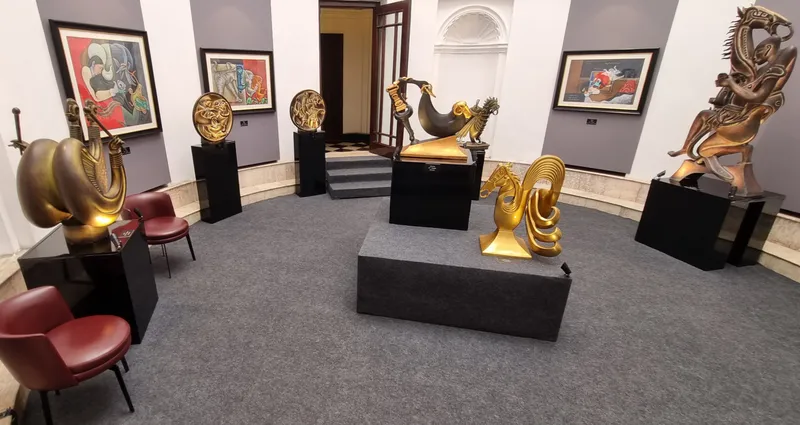
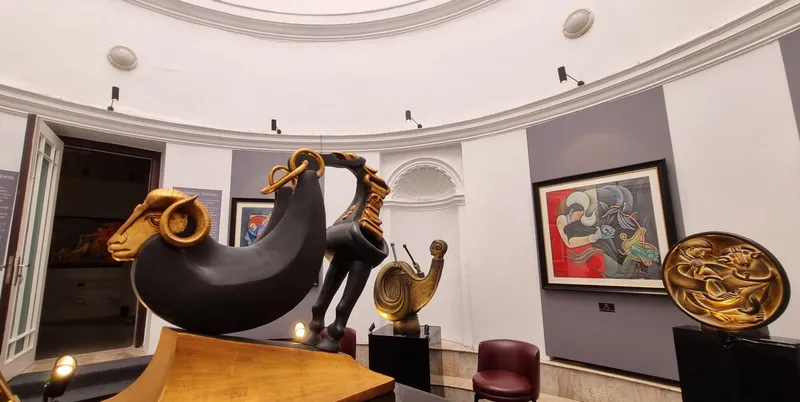
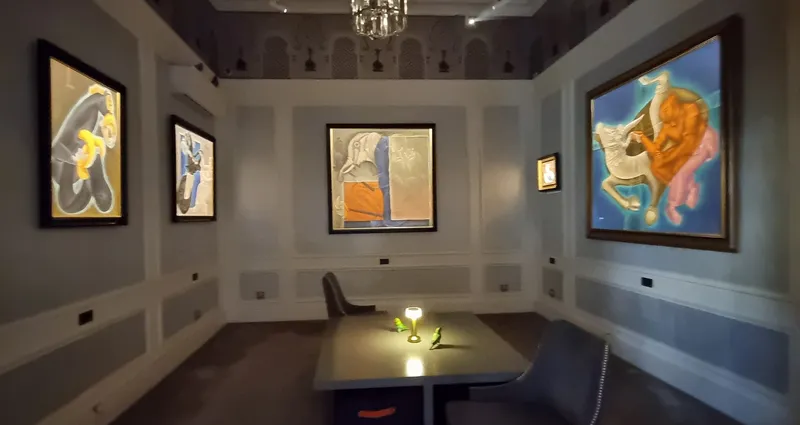
Bikaner House in New Delhi recently hosted an exhibition of creative works by renowned artist Satish Gujral (1925–2020). It was curated by his daughter Raseel Gujral Ansal, herself an accomplished designer.
Originally conceived as the Delhi residence of the Maharaja of Bikaner, the building today functions as a vibrant cultural hub. It blends Rajasthan’s royal legacy with contemporary art, design, and food, and regularly hosts exhibitions, literary events, performances, craft fairs, and curated cultural experiences.
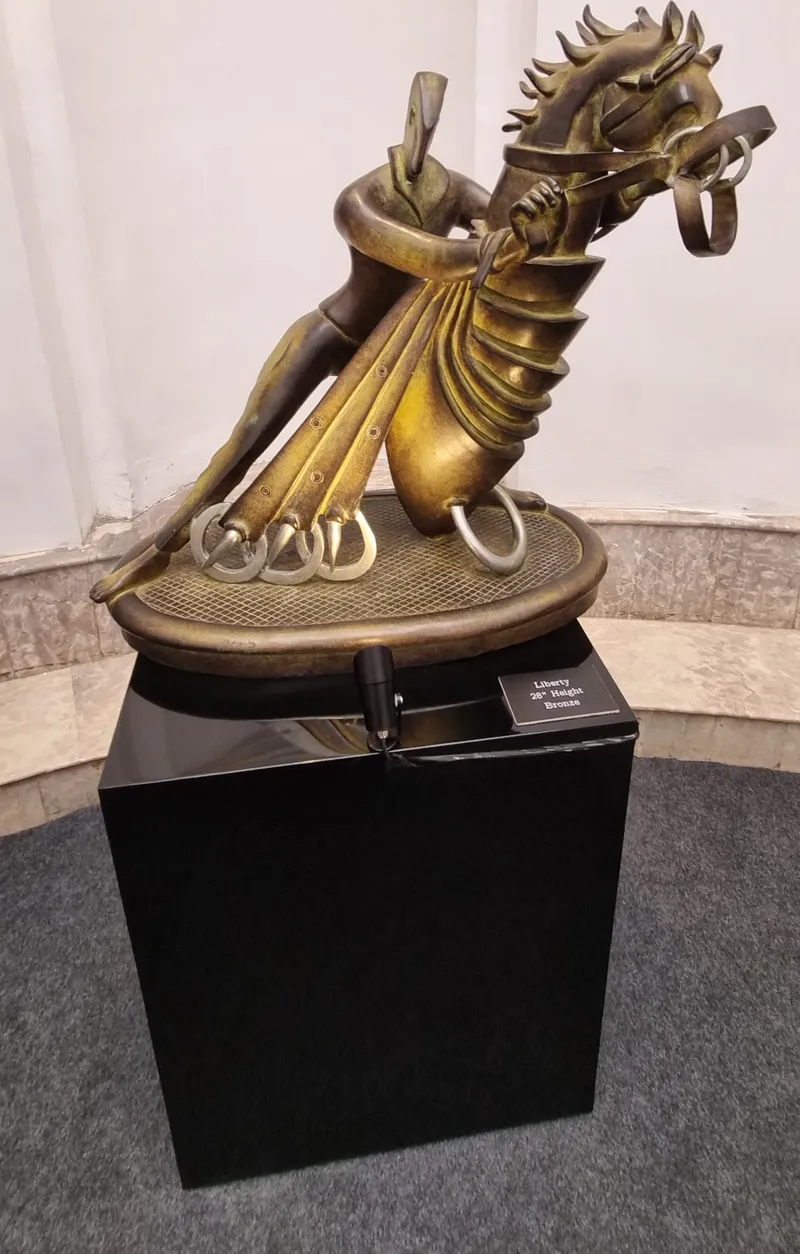

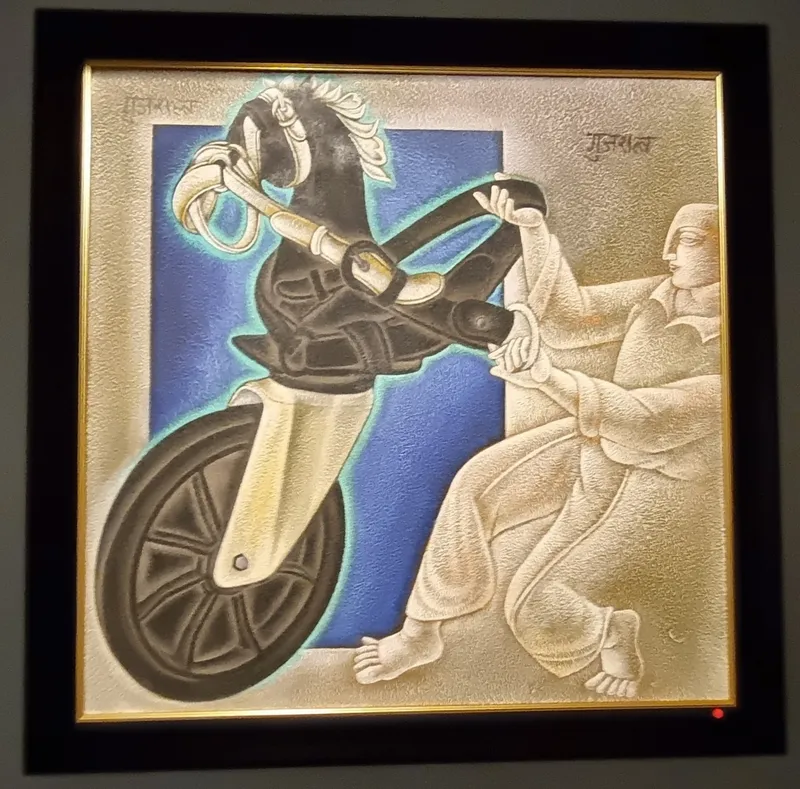
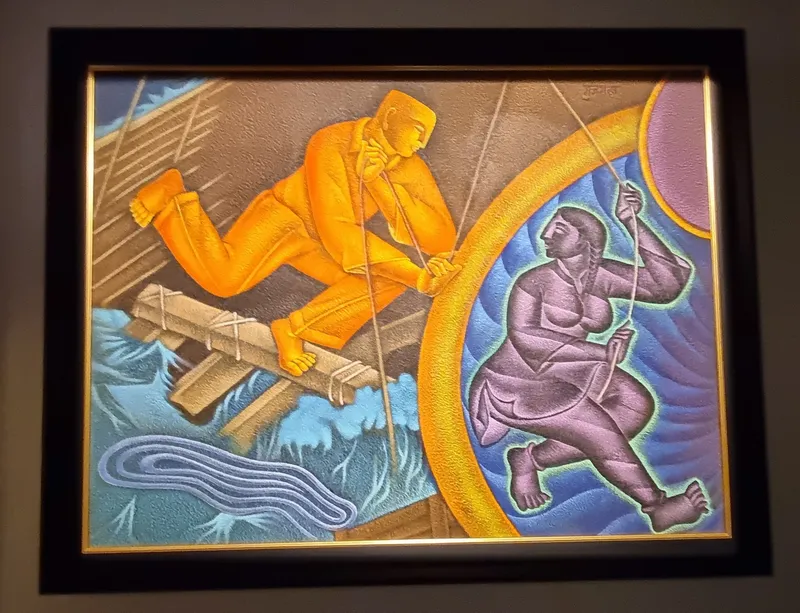
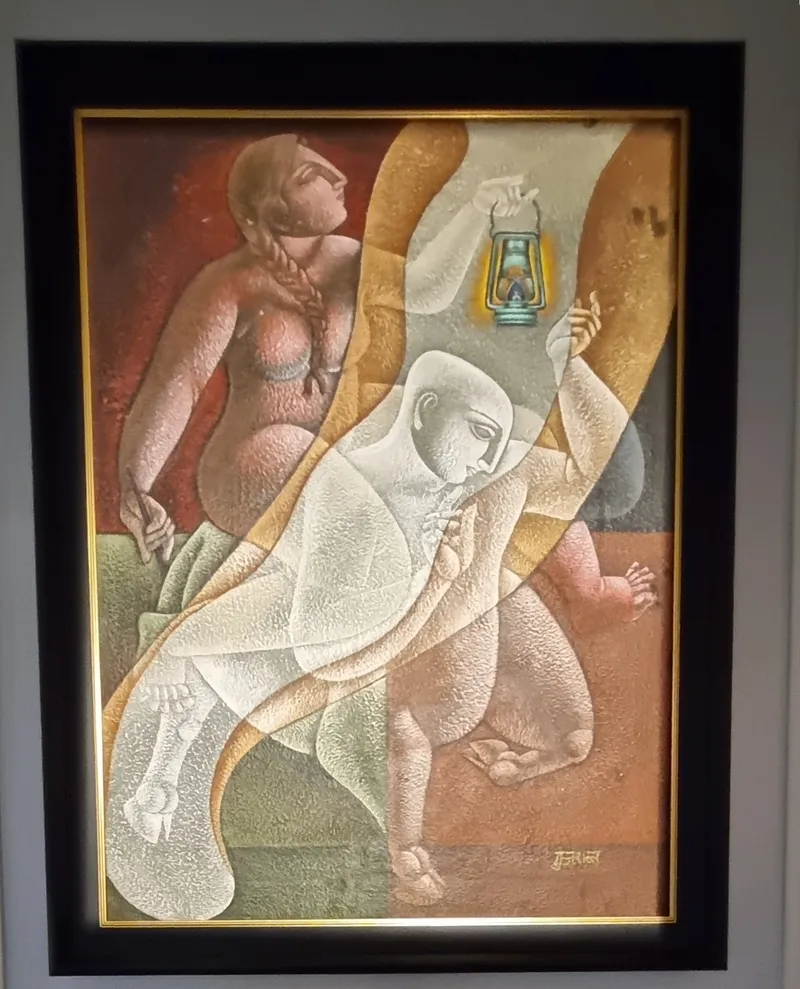
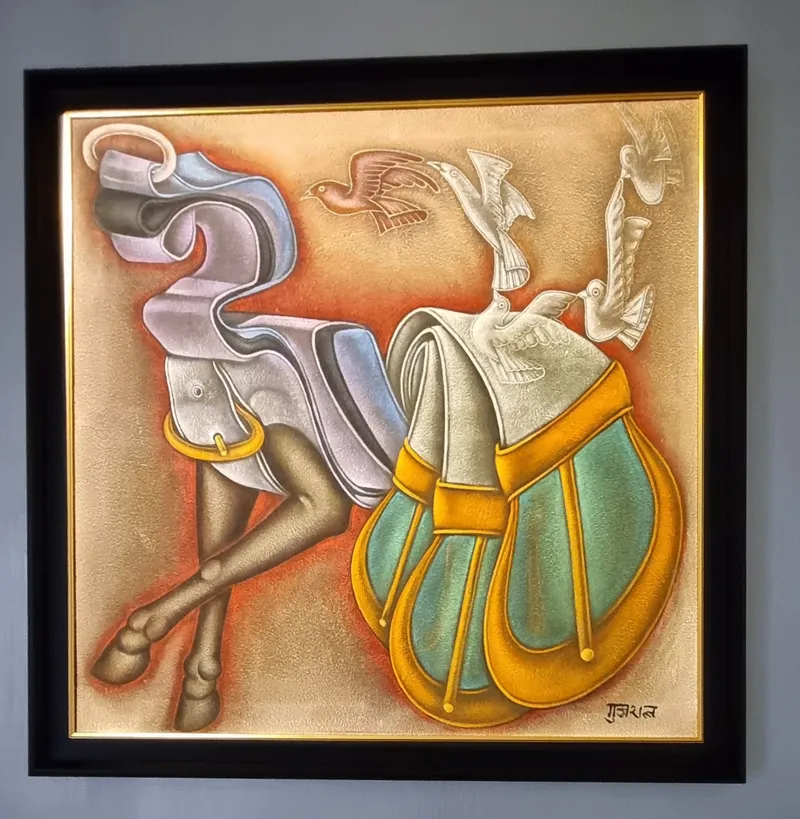
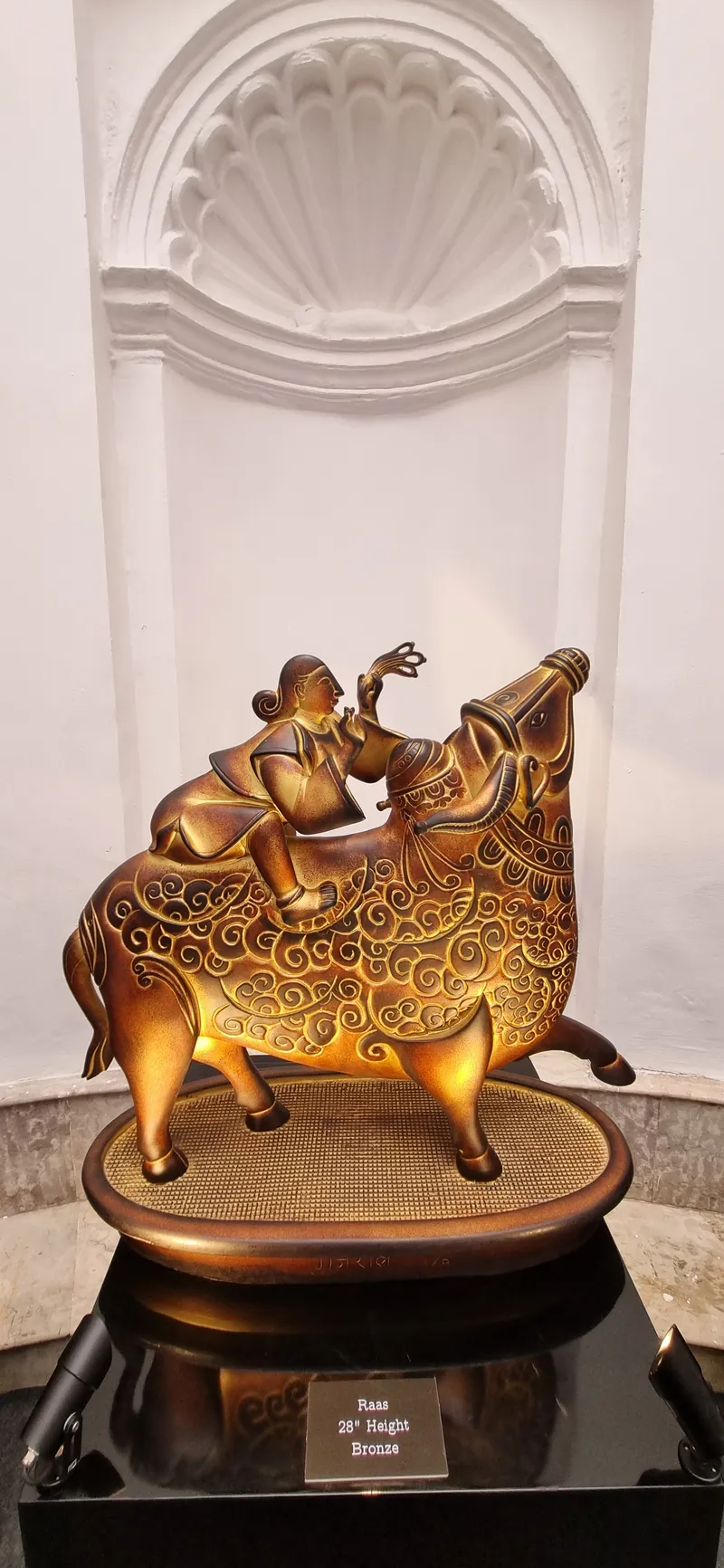
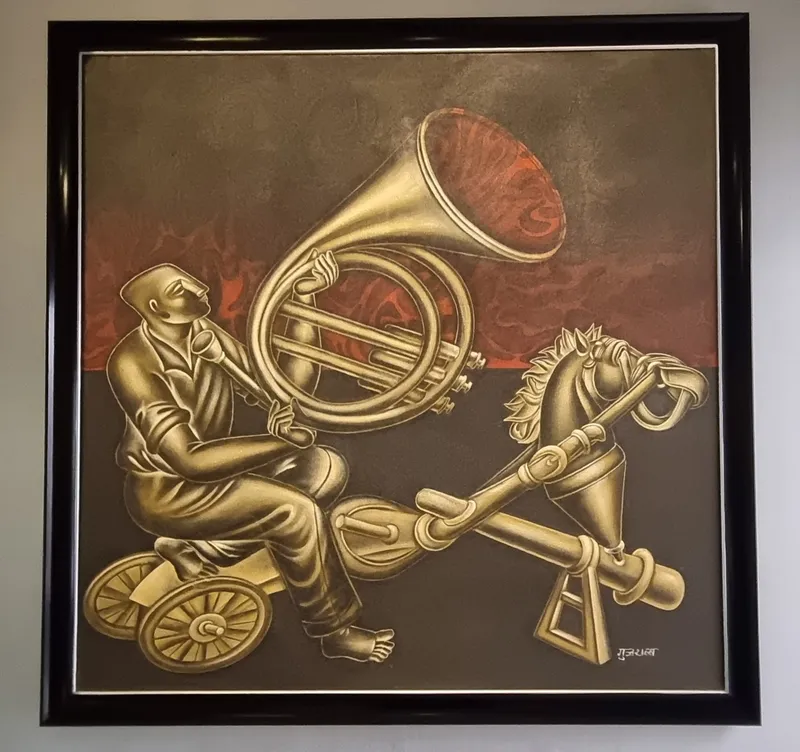
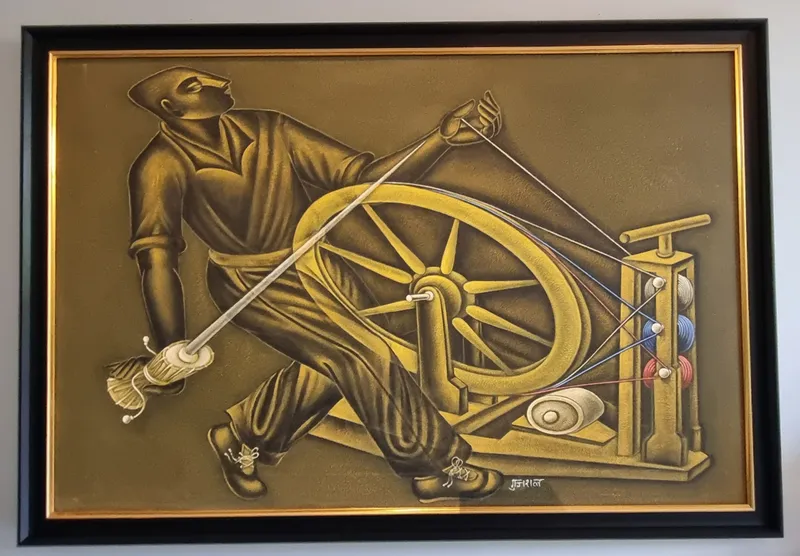
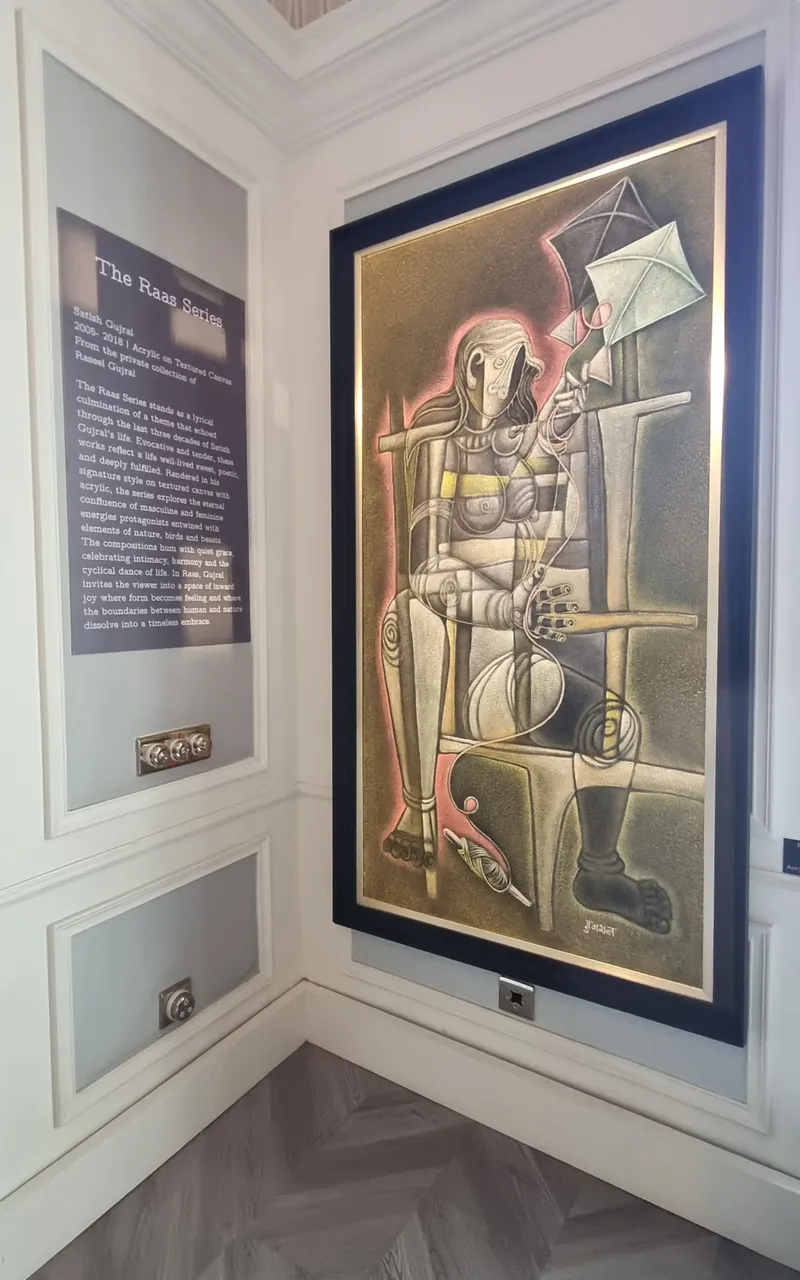
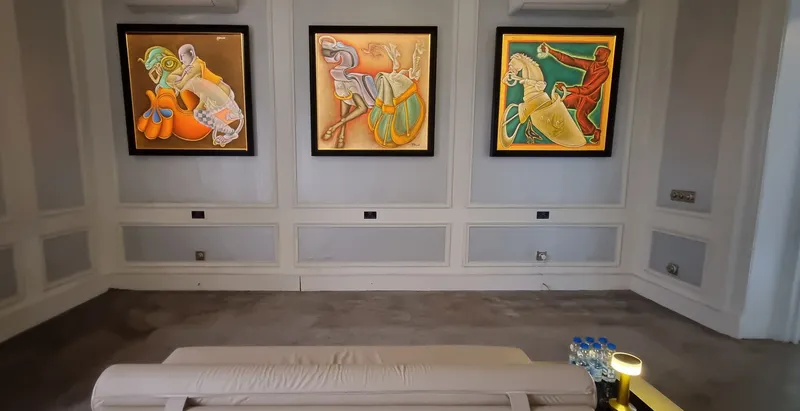
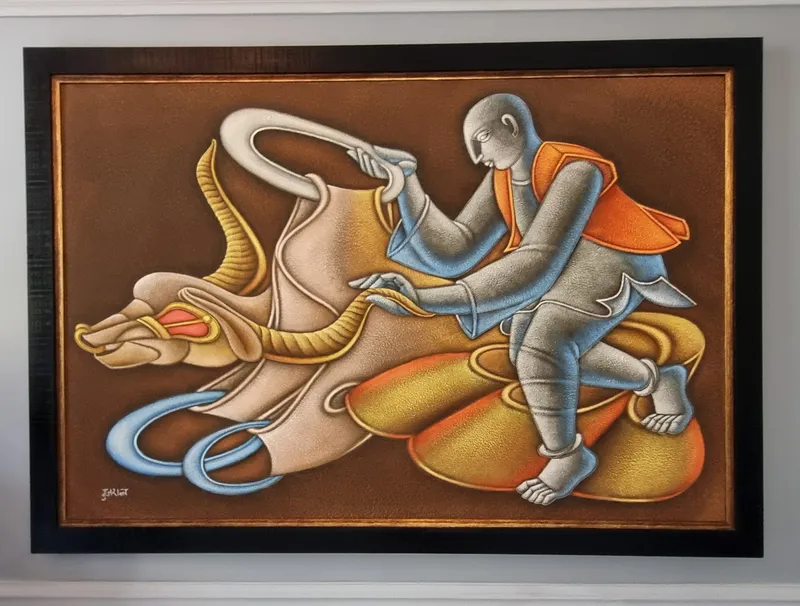
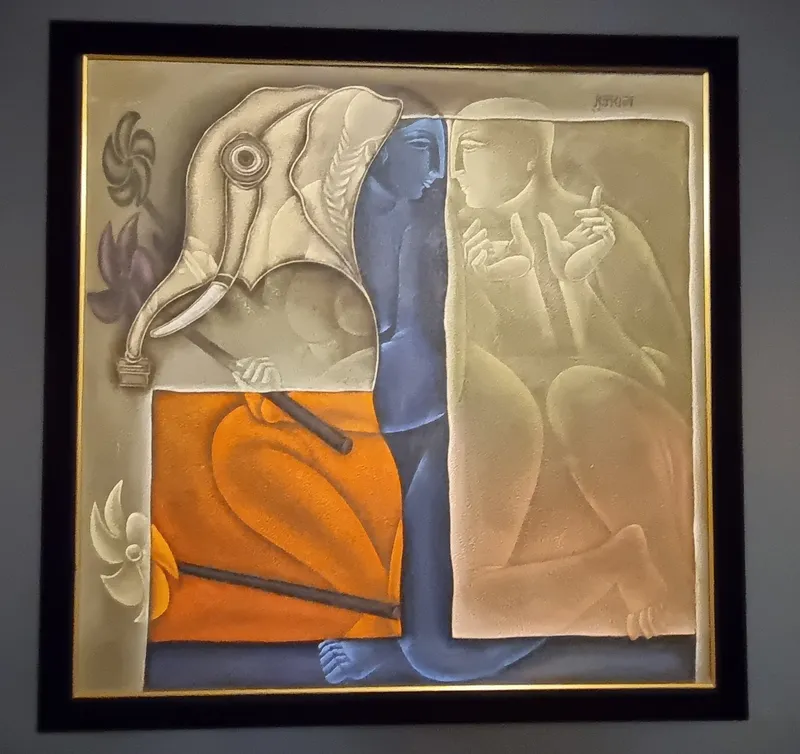
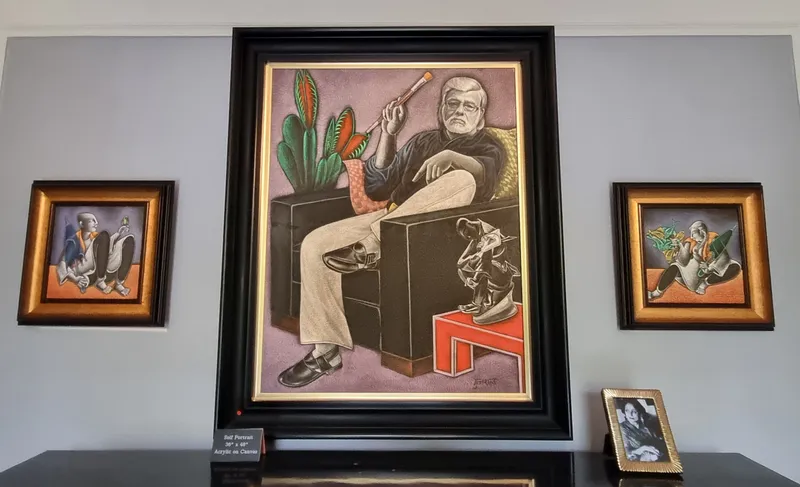
As seen in this photo essay on Gujral Within by Raseel Gujral, the artworks span a wide range of themes, genres, materials, and messages. Satish Gujral was talented across mediums as a painter, sculptor, muralist, architect, and writer. His works have helped define post-independence Indian modernism, combining emotion and experimentation, versatility and vitality.
Experiences like his hearing impairment and the violence of India’s partition shaped his artistic expression. He was also influenced by Mexican mural art during an international apprenticeship.
Gujral’s collection of works includes the haunting Partition Series. His large-scale layered murals often explored themes of civilisation, mythology, technology, and spirituality.

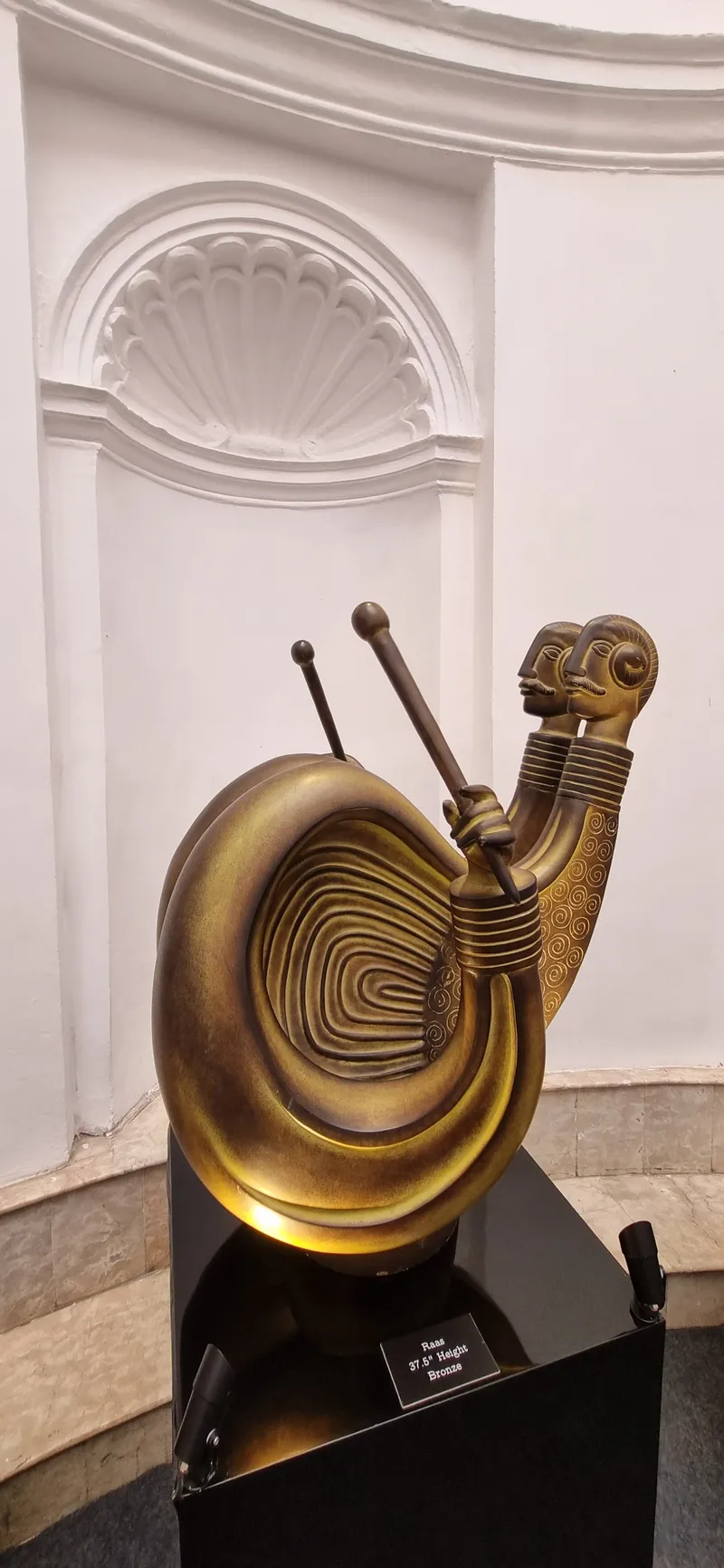
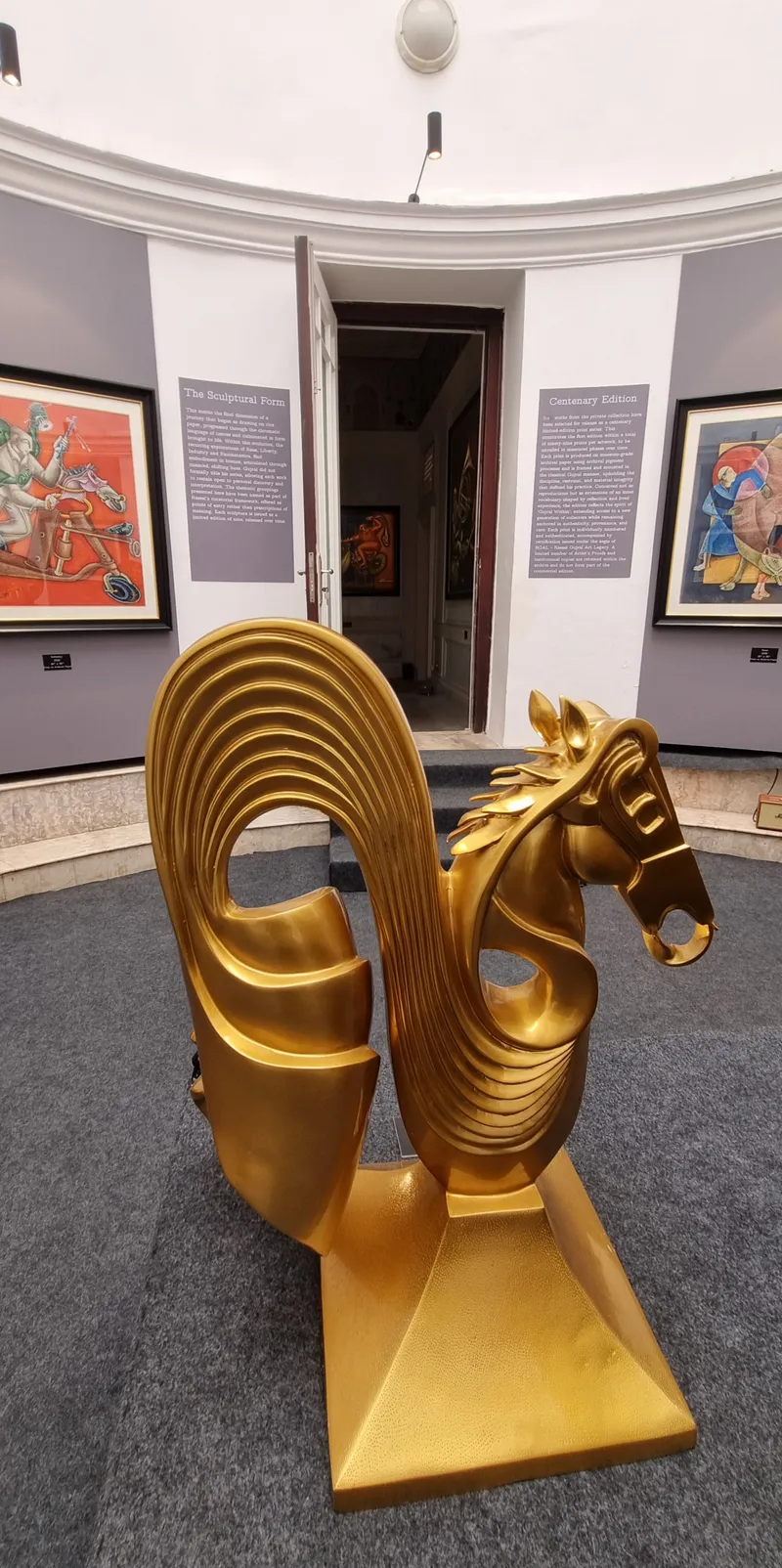
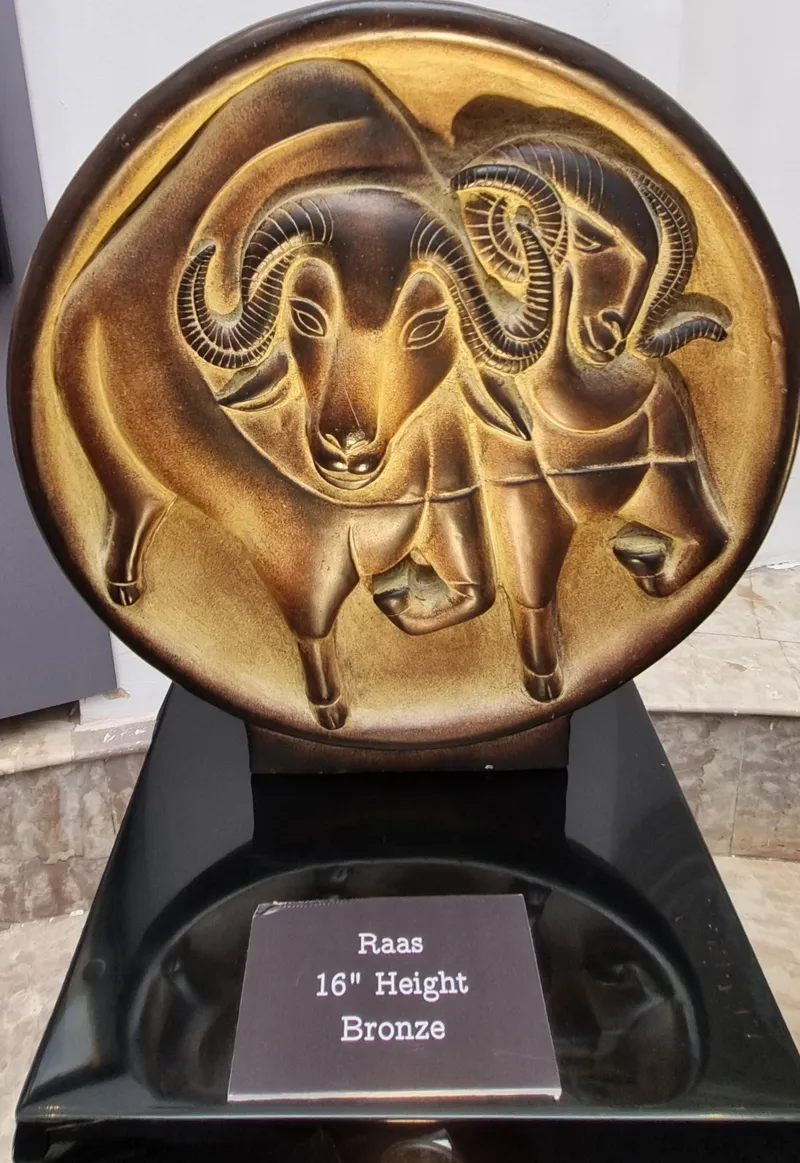
His sculptures were in bronze, burnt wood, steel, stone, industrial materials, and mixed media. His evolving styles frequently blended traditional Indian craftsmanship with modernist abstraction.
His daughter, Raseel Gujral Ansal, has established a reputation as an influential interior and lifestyle designer. Her works blend Indian heritage with modern luxury, as seen in her ventures Casa Paradox and Casa Pop.
Having grown up in an artistic family, creativity manifests itself not just as a profession but as an inheritance and instinct. Her designs treat interiors as expressive storytelling rather than mere decoration, and beyond products to narrative shaped by material, light and memory.

Raseel’s work affirms that spaces should reflect identity and lived experience rather than current trends. Her works reflect the influences of history, botany, graphic art, and typography, and even address ‘slow luxury’.
In addition to art, Satish Gujral’s architectural works include the Belgian Embassy in New Delhi, He also designed the Goa University campus, India Islamic Cultural Centre in New Delhi, Indian Embassy in Kathmandu, and the summer palace of the Saudi royal family in Riyadh.
Gujral demonstrated that Indian artists could engage with global artistic movements while remaining rooted in local history and experience. His works continue to influence a new generation of artists dealing with themes of violence, migration and political conflict.
In sum, Gujral’s legacy lies not only in the artworks he produced but also in the example he set that art can transcend medium, disability and historical trauma. Art is indeed a powerful force for cultural memory and human understanding.
Now what have you done today to pause in your busy schedule and harness your creative side for a better world?
(All photographs taken by Madanmohan Rao on location at Bikaner House.)