



Design, dining, delight: the positioning of JW Marriott Bengaluru Prestige Golfshire Resort
In this photo essay, we feature some pictorial highlights from the JW Marriott Bengaluru Prestige Golfshire Resort.


Launched in 2014, PhotoSparks is a weekly feature from YourStory, with photographs that celebrate the spirit of creativity and innovation. In the earlier 1,000 posts, we featured an art festival, cartoon gallery. world music festival, telecom expo, millets fair, climate change expo, wildlife conference, startup festival, Diwali rangoli, and jazz festival.
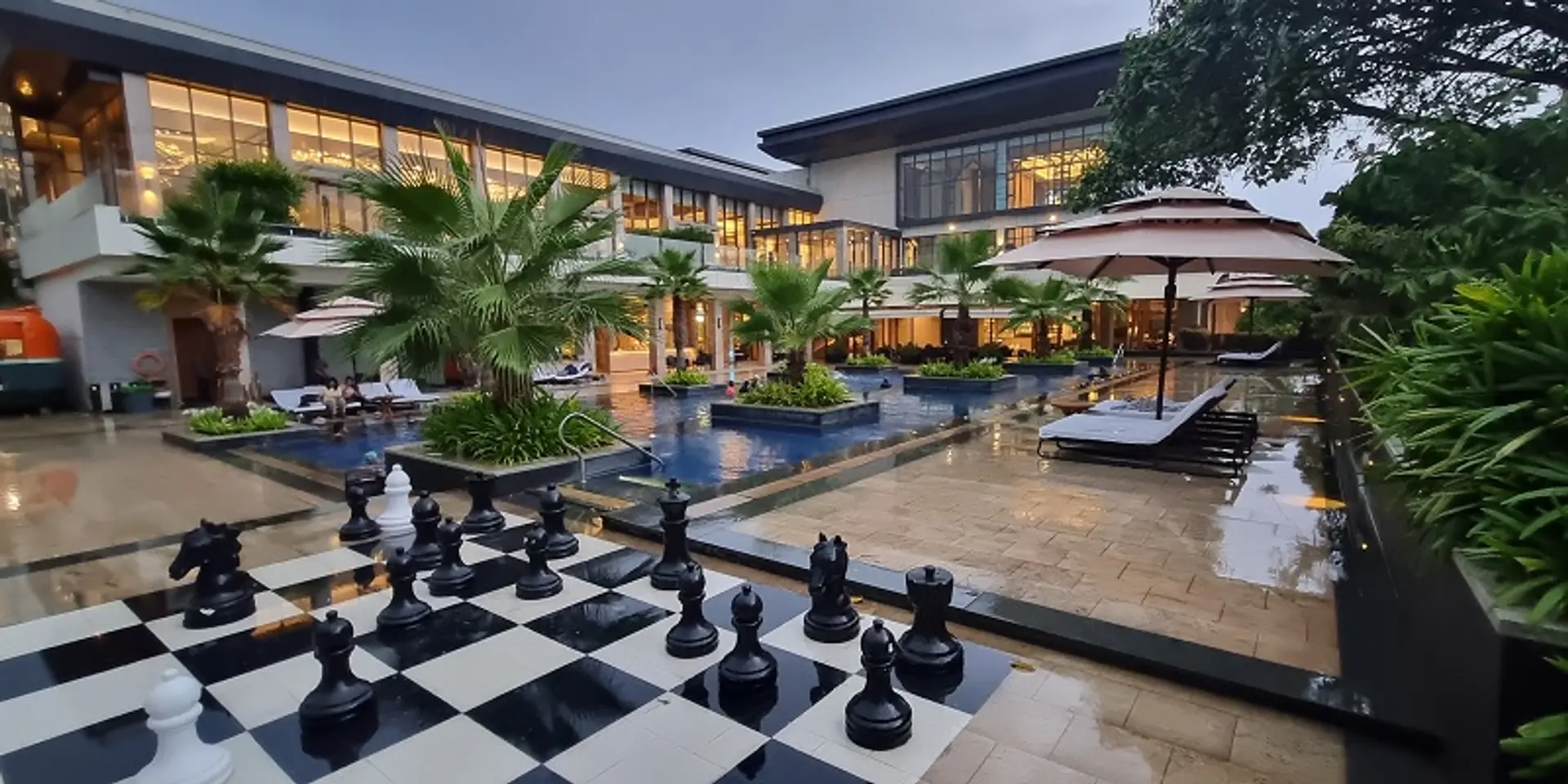
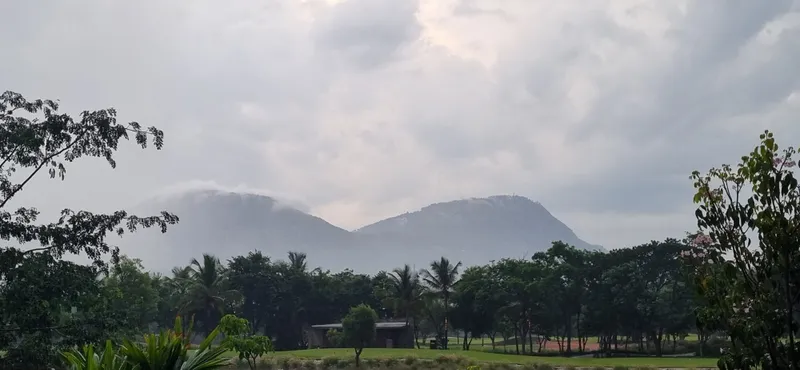
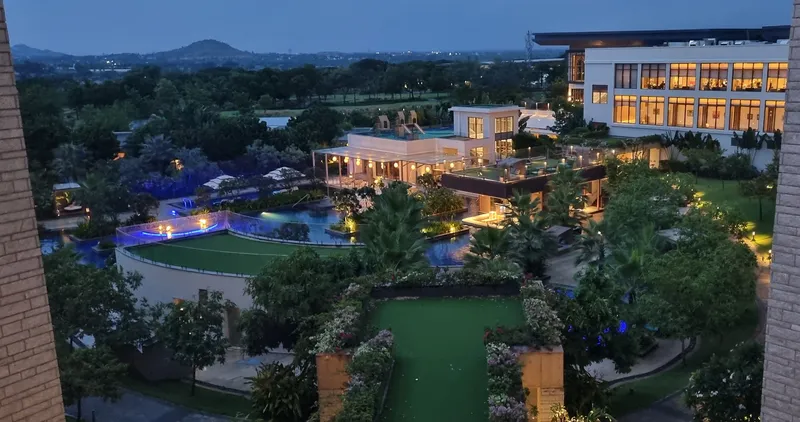
Nestled at the foot of the Nandi Hills, the JW Marriott Bengaluru Prestige Golfshire Resort and Spa is a unique luxury retreat. Located just over 20 km from Kempegowda International Airport, it is well-positioned as a relaxing get-away destination for Bangaloreans as well as visitors from other cities.
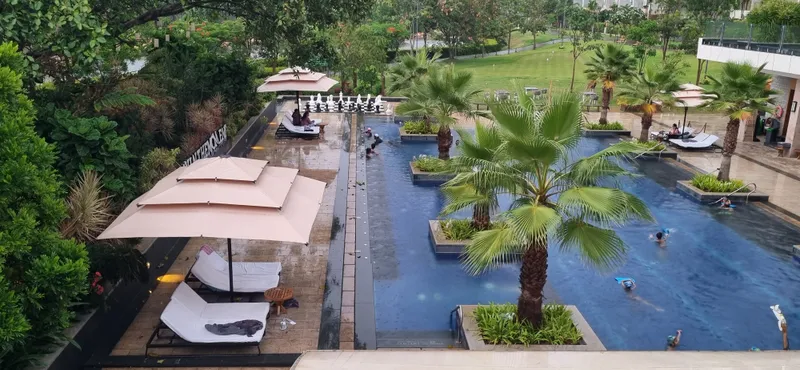
The sprawling property has a temperature-controlled lagoon, villas, saunas, cycling rentals, and a bowling alley. There are also six distinctive dining options, including the international restaurant The Falcon Green.

There are packages for family and business gatherings, with games such as mini badminton, golf, kite flying and life-size chess. The landscaping and views are particularly outstanding during twilight, as shown in this photo essay.
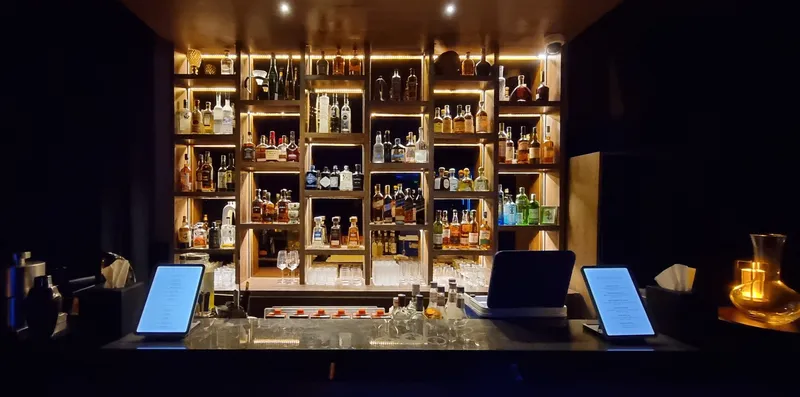
Days can begin with yoga or meditation, and end with sunset boat rides, sundowner cocktails, and DJ sessions at the Flamingo Pool Bar, followed by stargazing in the clear skies. Dining options include the open-air Aviary, delicatessen Truffle & Co., and Asian food restaurant The East, in addition to Vista Bar, Aaleeshan and WKND.
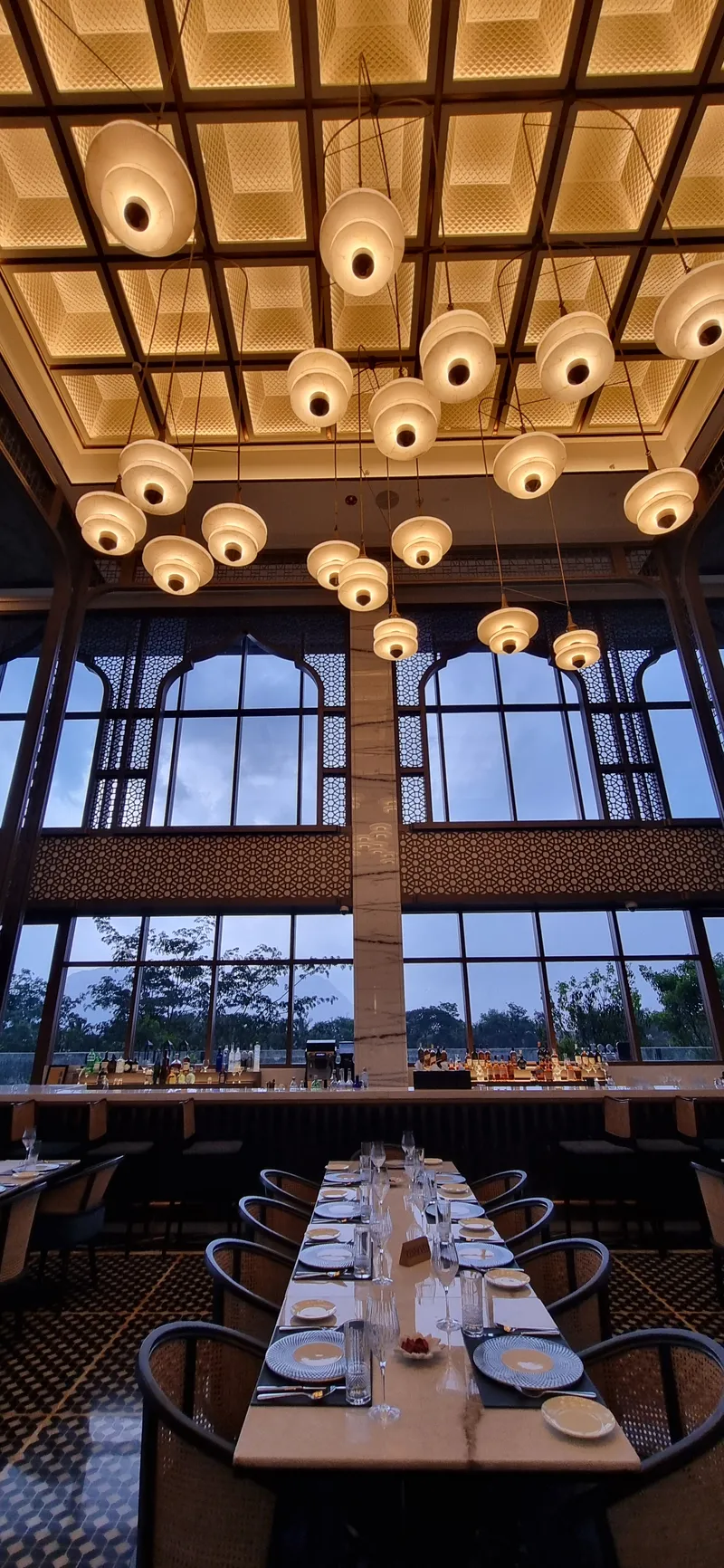
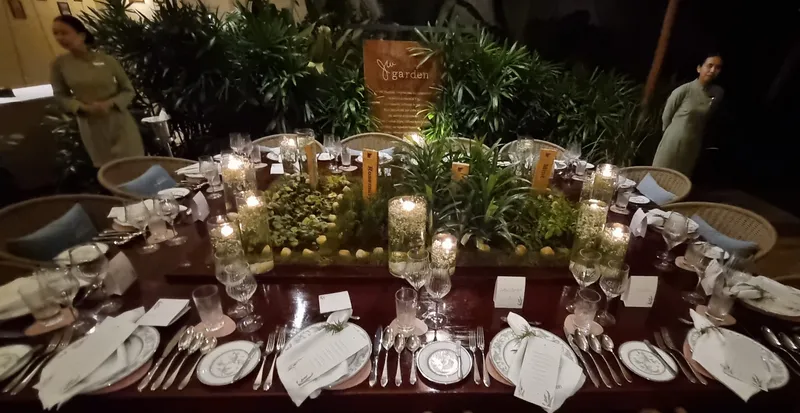
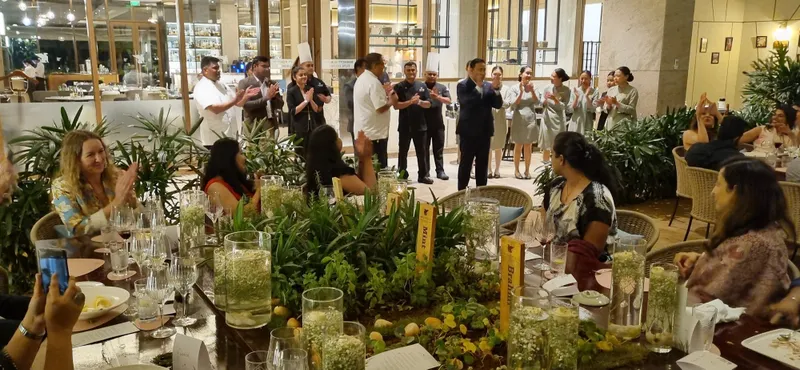
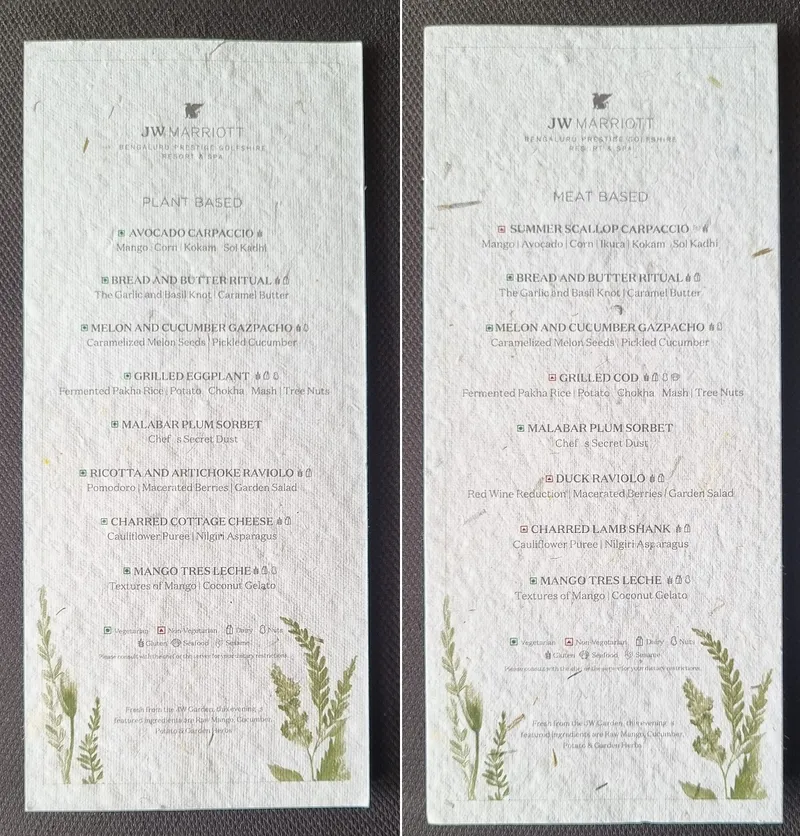
The JW Garden Party features a unique dinner experience curated by Chef Neeraj Rawoot. It features a farm-to-fork menu with ingredients sourced directly from the hotel’s gardens, some of them right at the dining tables.

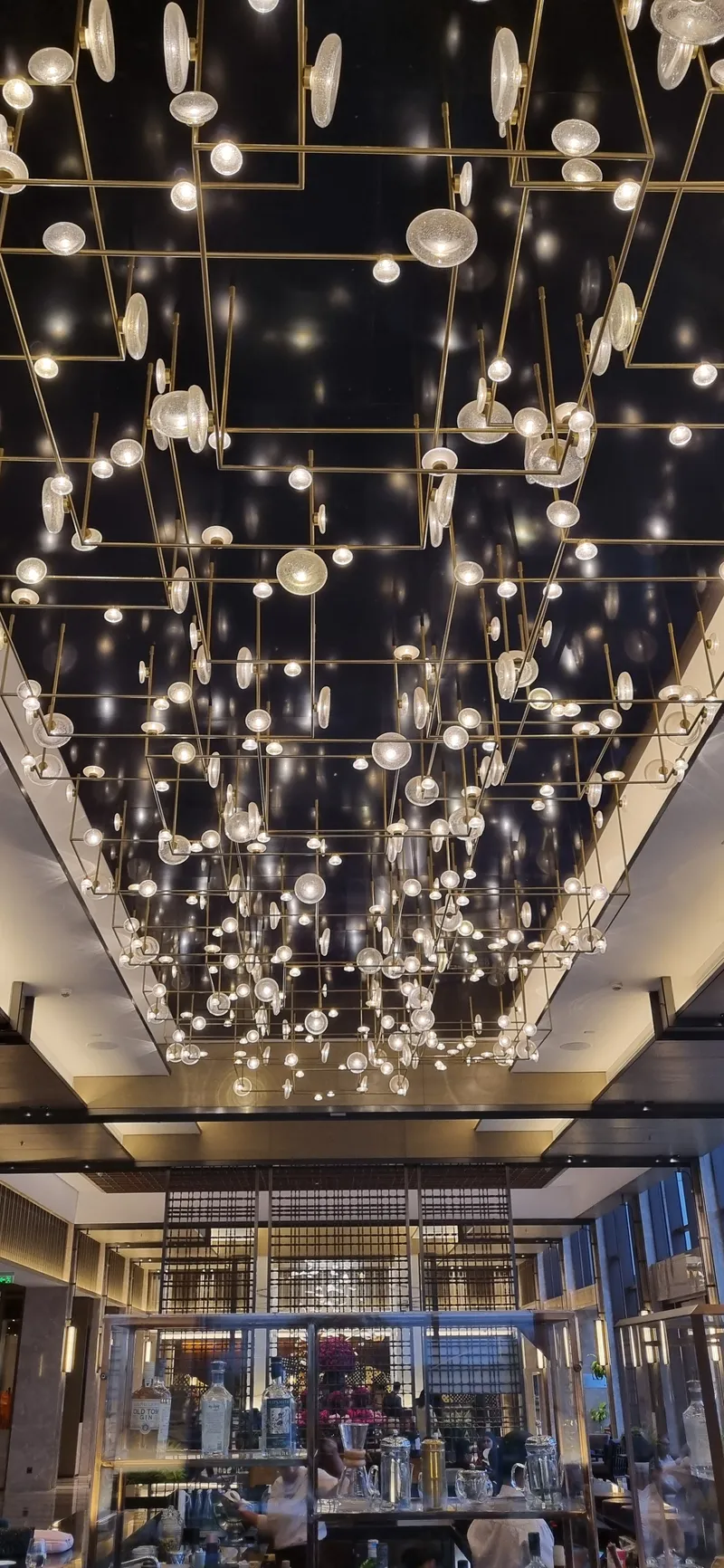
Conceptualised by the Bengaluru-based firm Thomas Associates Architects, the resort’s contemporary design draws inspiration from the region’s silk heritage, reflecting a refined sense of place. Headed by TM Thomas and his son Tilak Thomas, the firm’s contributions to the city’s landscape include the design of UB City, Kingfisher Tower, and large-scale tech parks.
The interiors were crafted by the hospitality design firm Hirsch Bedner Associates. The firm has over 1,500 professionals across two dozen offices in four regions, with clients in more than 80 countries each year.
Such credentials for excellence matter in the luxury hospitality market because design is no longer just about aesthetics — it is a core business strategy. As resorts compete for discerning travelers seeking unique, personalised and unforgettable experiences, design becomes a key differentiator that transforms a stay from a simple vacation into a lasting memory.

Architecture, landscaping, interiors, lighting, scent, materials, and spatial flow communicate a resort’s identity before a single service interaction takes place. A thoughtfully designed resort creates positive emotional reactions about the location’s specialty and uniqueness, leading to a viral effect as this experience is shared.
In a crowded luxury market, that emotional connection is a competitive advantage. Though many luxury resorts offer similar amenities, what separates the leaders is a distinctive sense of place.
It particularly helps if design reflects local culture and environment, thus creating a unique story and brand identity. This makes the resort recognisable and memorable, and prevents the experience from feeling generic or interchangeable.
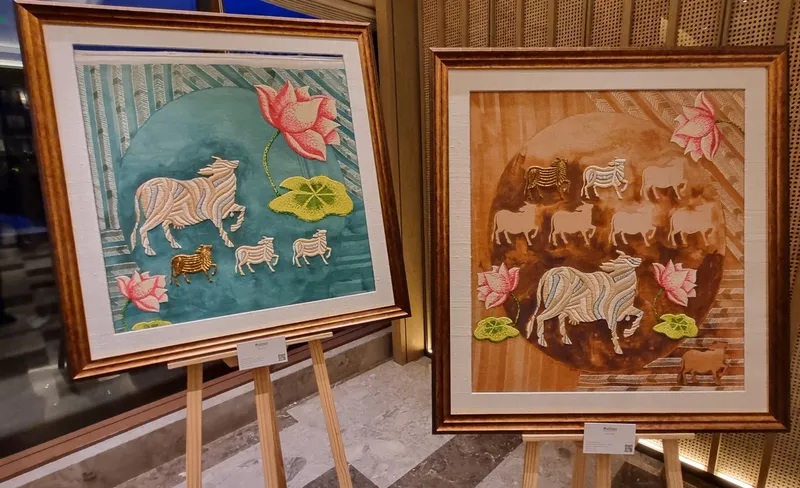

Luxury customers are not only buying comfort; they are buying feelings, discovery and moments worth remembering. Design creates those moments through dramatic arrival experiences, unexpected views and reveals, beautifully framed landscapes, private and intimate spaces, and signature architectural features.
Premium design allows resorts to command higher rates, increase guest delight, generate organic social media exposure, and strengthen brand reputation. Private areas that create exclusivity and seamless indoor-outdoor experiences help move the needle here.
Design creates competitive advantage. In today’s luxury resort landscape, competitors can copy amenities, menus and services — but they cannot easily replicate a truly distinctive design philosophy.
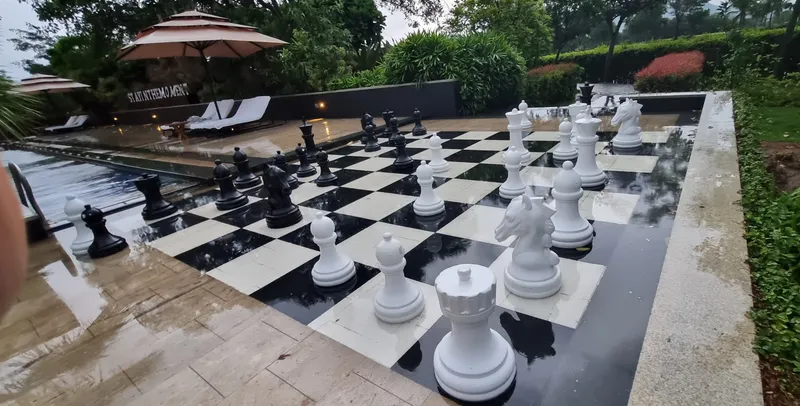

A differentiated design strategy thus becomes a brand signature, marketing asset, and foundation for long-term loyalty. For a luxury resort, design is not decoration — it is the physical expression of the brand promise.
The most successful resorts use design to create emotional connections and tell a unique story. In sum, such iconic spaces inspire, innovate and elevate hospitality to the next level.
Now what have you done today to pause in your busy schedule and harness your creative side for a better world?
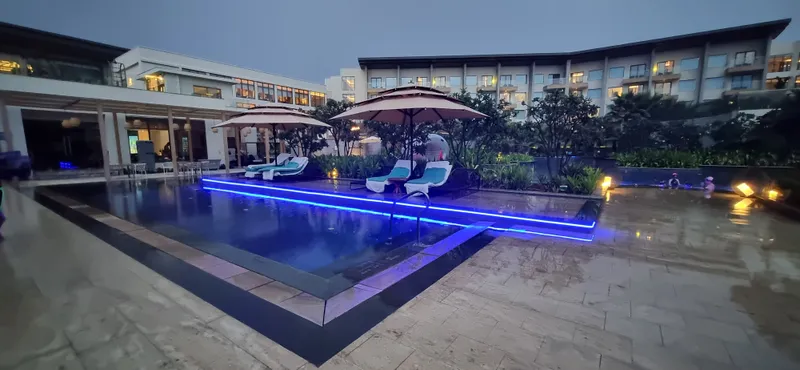
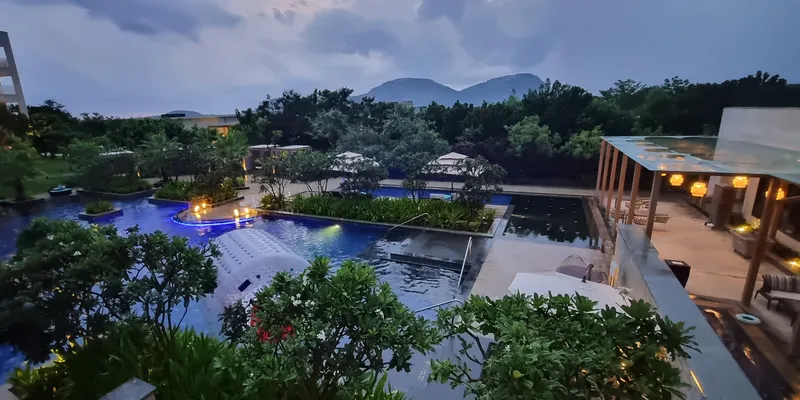
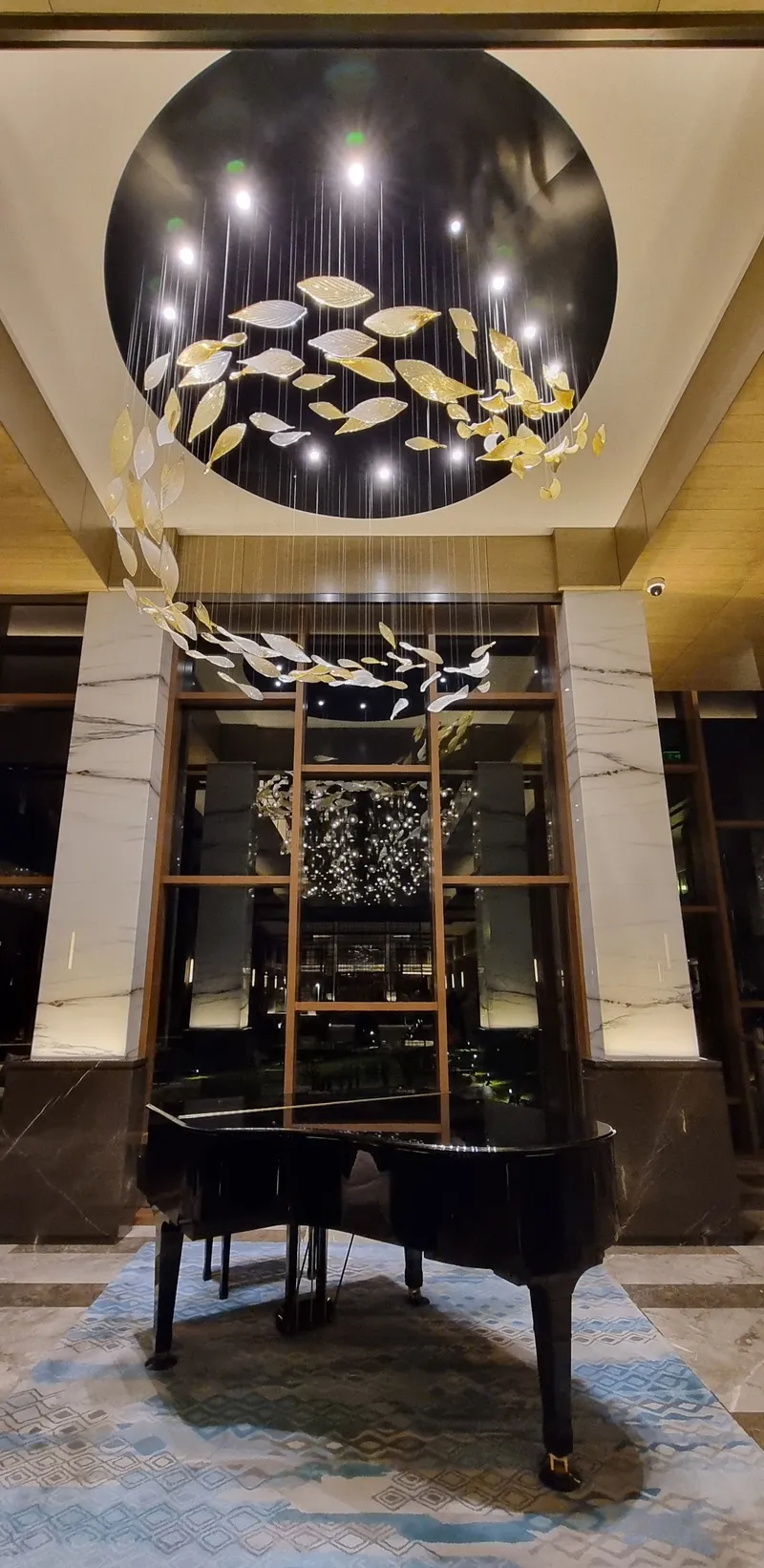
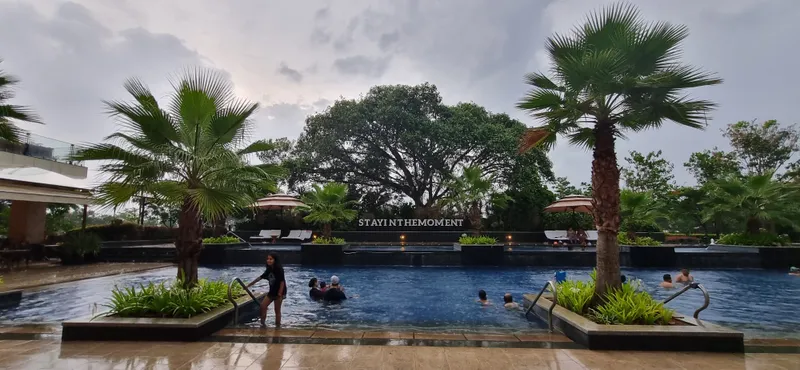
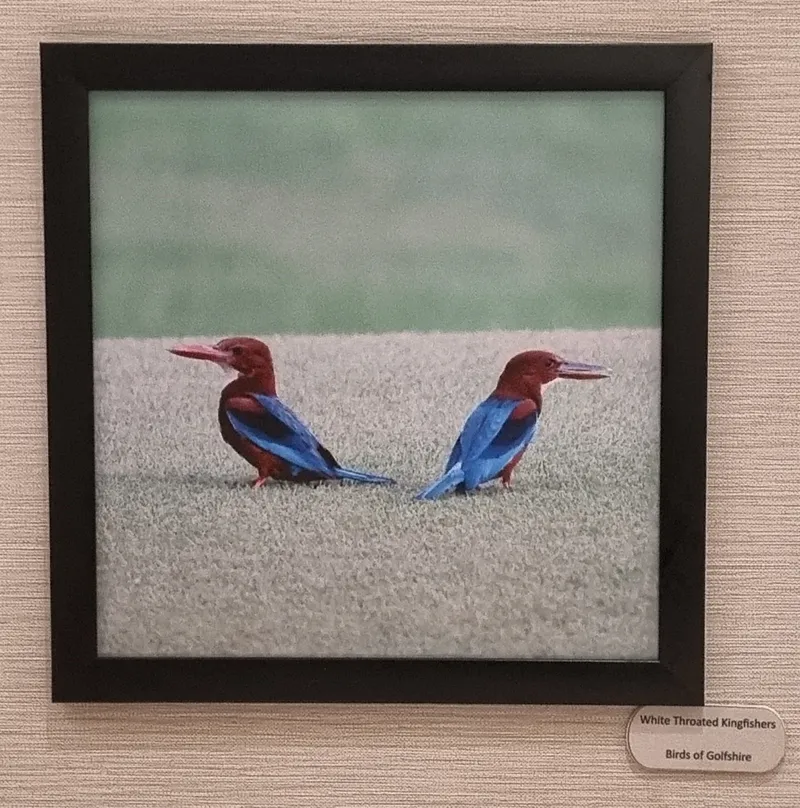

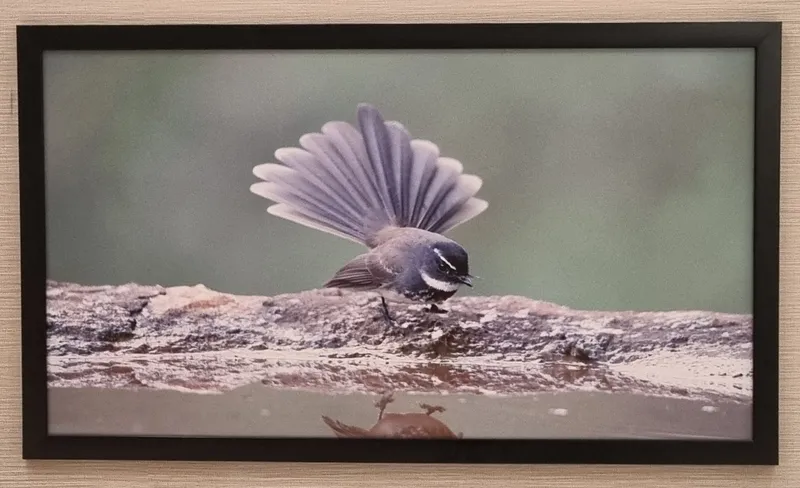
(All photographs taken by Madanmohan Rao on location at JW Marriott Bengaluru Prestige Golfshire Resort.)