


Heritage and design: how this Mithila transformation initiative empowers artisans
In this photo essay, we showcase artisan highlights from a recent Sabha centre exhibition in Bengaluru.

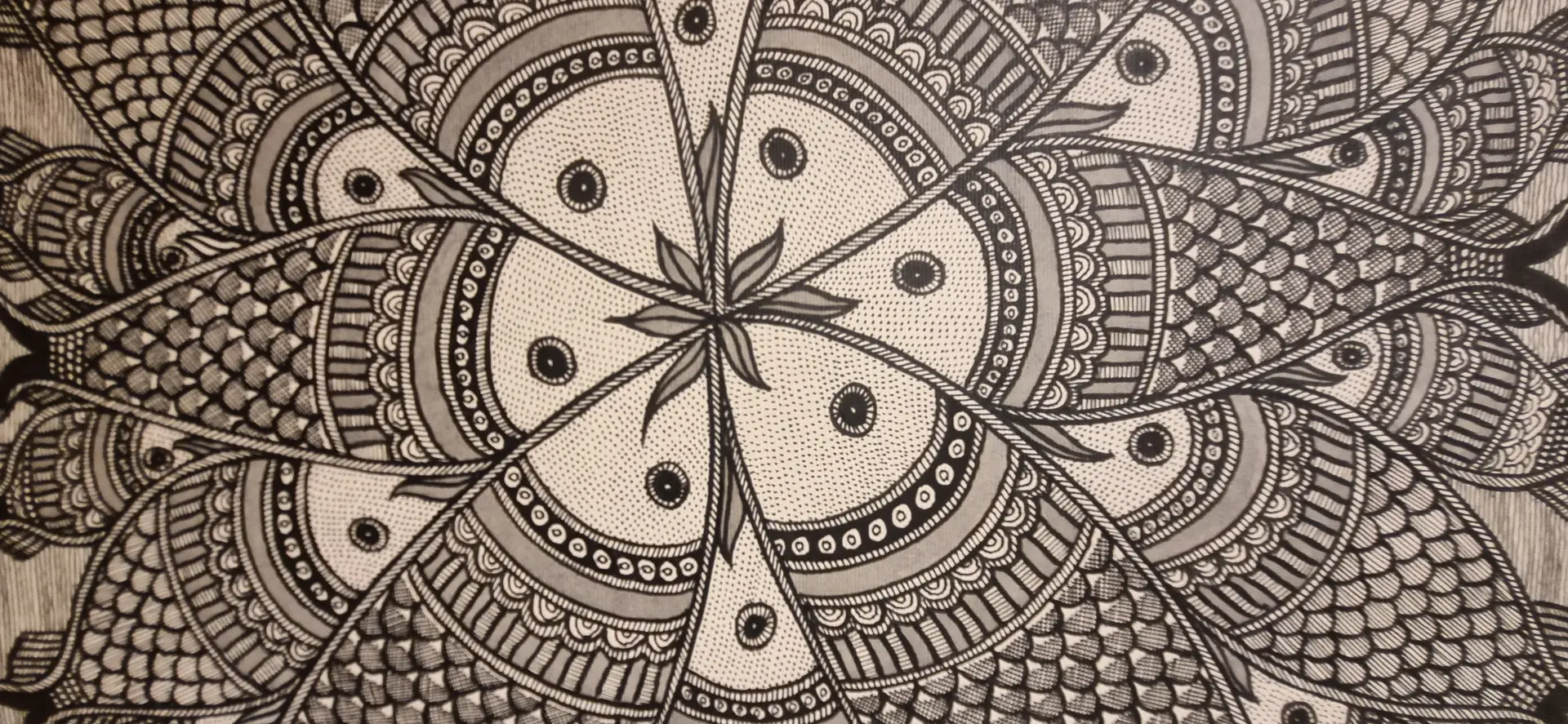

Launched in 2014, PhotoSparks is a weekly feature from YourStory, with photographs that celebrate the spirit of creativity and innovation. In the earlier 1,015 posts, we featured an art festival, cartoon gallery. world music festival, telecom expo, millets fair, climate change expo, wildlife conference, startup festival, Diwali rangoli, and jazz festival.
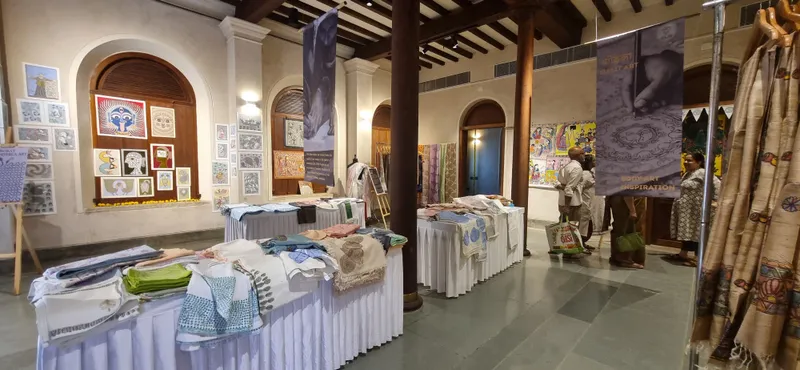
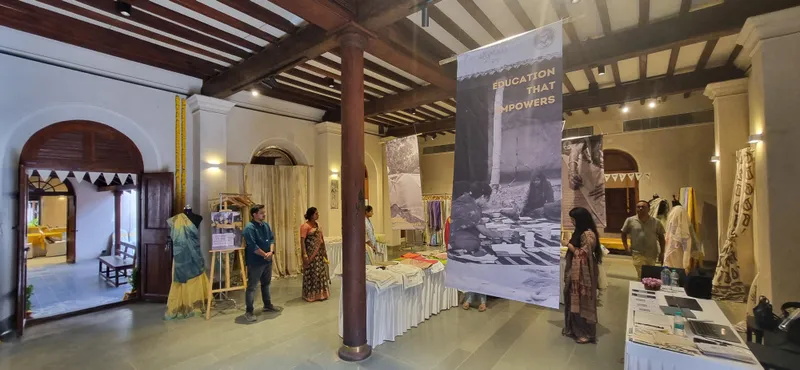
Located in the heart of Bengaluru, Sabha is a vibrant 160-year-old restored heritage venue. It now serves as a community hub for art exhibitions, live music, theatre, and workshops – an ideal venue for the recent ‘Colours of MAATI’ showcase.
It was organised by The Crafts School, an incubation and design center initiated by KADAM India and supported by Tata Trusts. KADAM is a non-profit organisation dedicated to empowering rural communities by enhancing traditional handicraft skills and creating sustainable livelihoods.
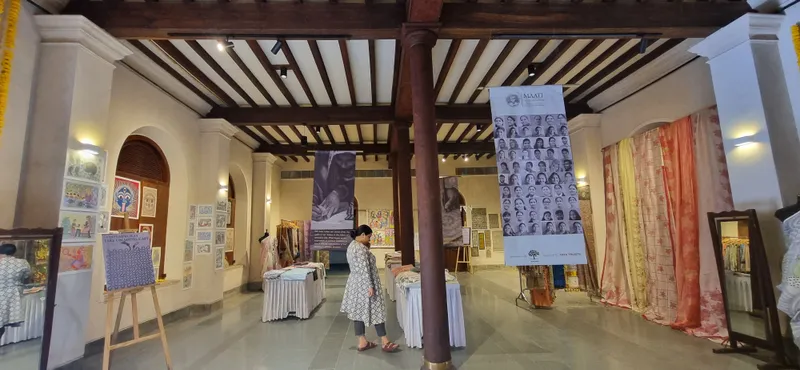
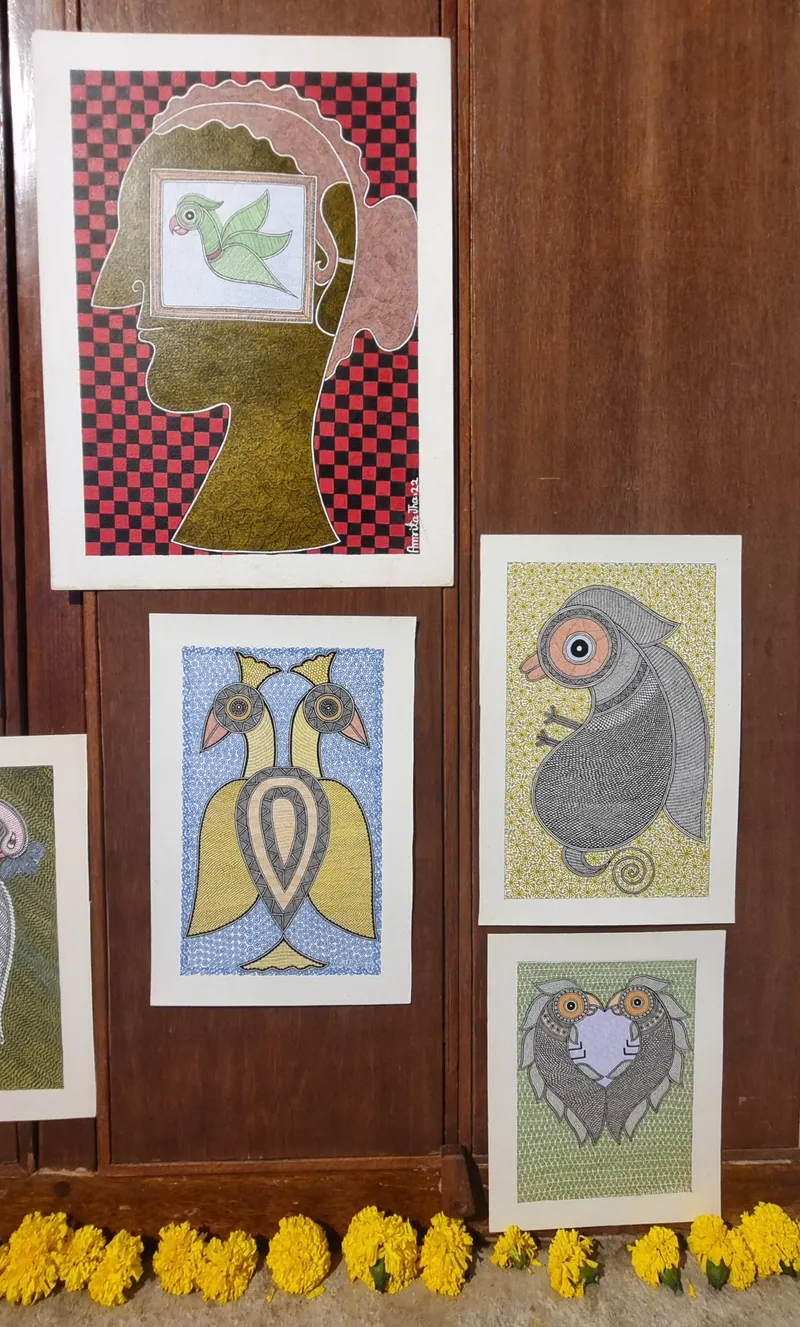
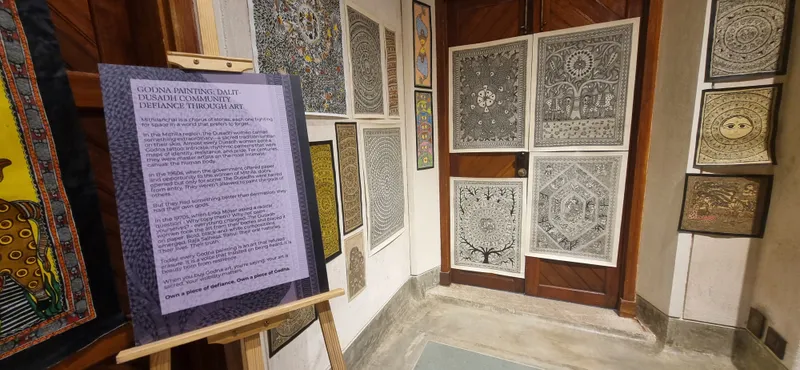
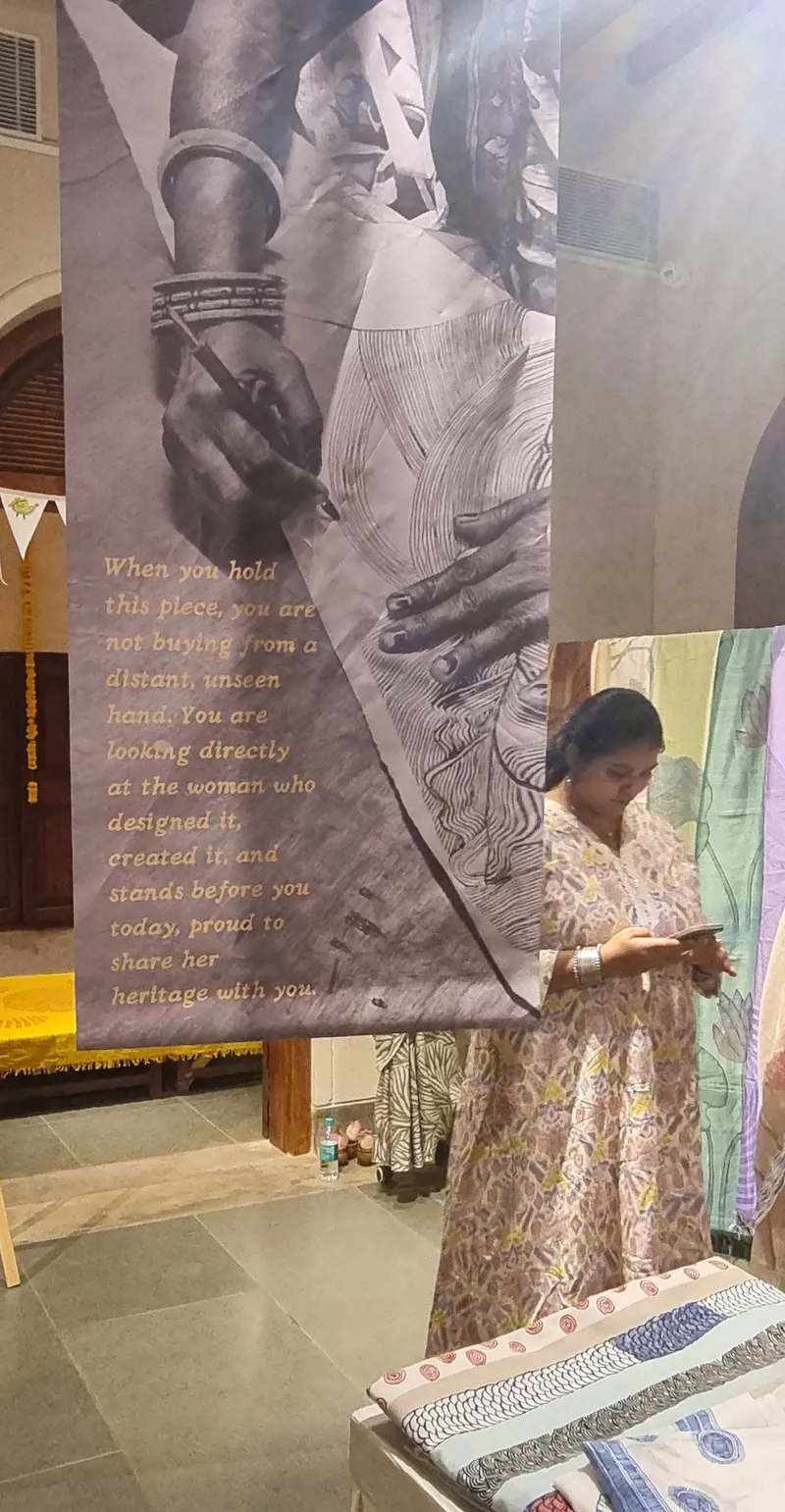
MAATI (Mithila Art Artisan Transformative Initiative) empowers women artisans from the districts of Madubani and Darbhanga in Bihar’s Mithila. As seen in this photo essay, it bridges traditional painting with contemporary markets, sustainable materials, and modern design.
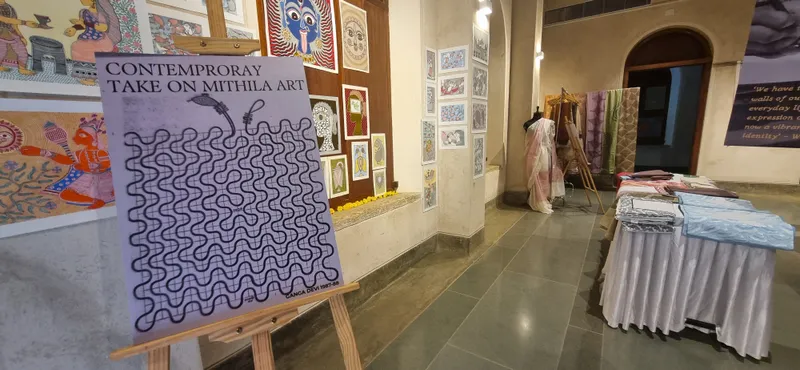
The two-day showcase called Colours of MAATI highlighted the richness of Mithila art and contemporary craft. It offered a rare opportunity to experience the communities’ practice, process and stories firsthand.
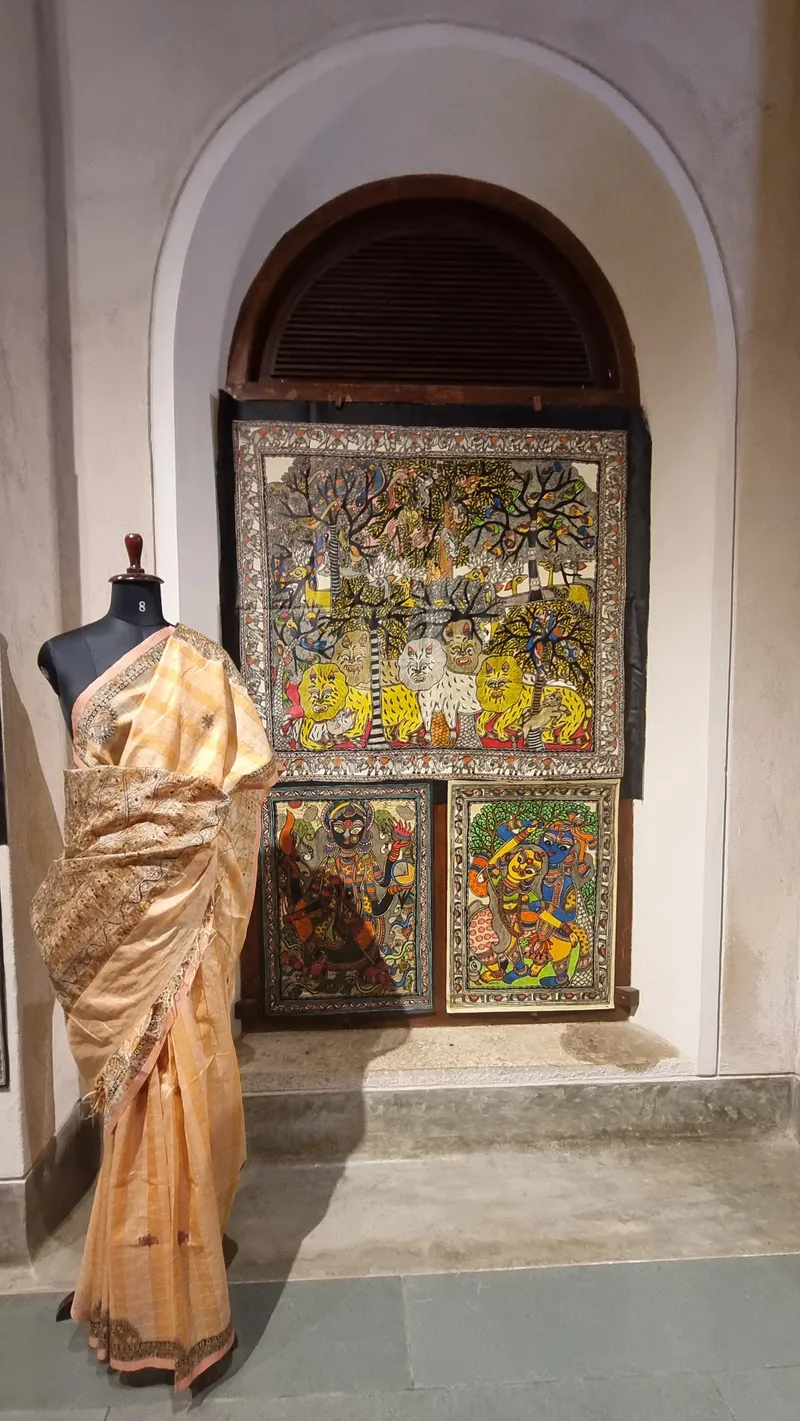
It also presented Mithila art reimagined for contemporary living. This initiative reflects MAATI’s continued commitment to strengthening artisan communities and enabling long-term financial independence through craft-led storytelling and sustainable design.
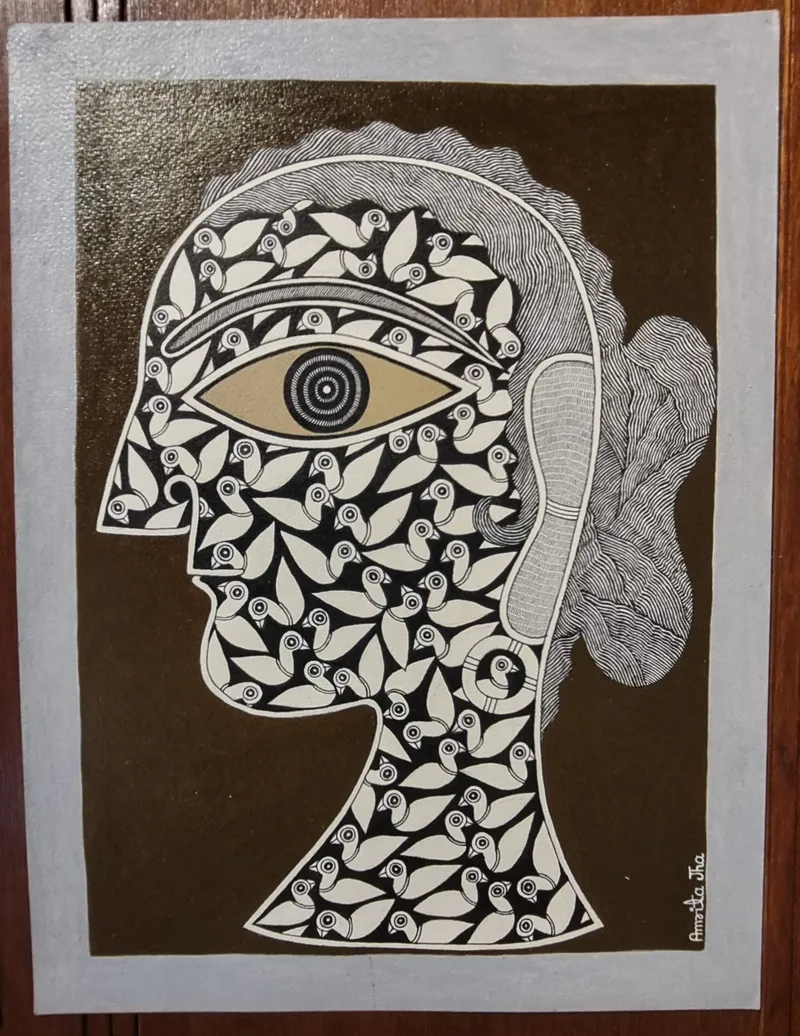

MAATI sees craft as more than heritage. It describes itself as a language of material intelligence, cultural memory, and contemporary possibility. Artisan-led learning, design mentorship, and enterprise development are at the heart of the initiative.
It works alongside over 150 women artisans, ensuring the craft continues to evolve with dignity, relevance and economic independence for its members. The two-day event began with a preview for architects, interior designers, hospitality partners, retailers, collectors, and institutional buyers.
Invitees for the exhibition and sale had an opportunity to explore collections closely, discuss bespoke requirements, and initiate meaningful collaborations. This was followed by a discovery experience for a broader audience to acquire one-of-a-kind pieces.
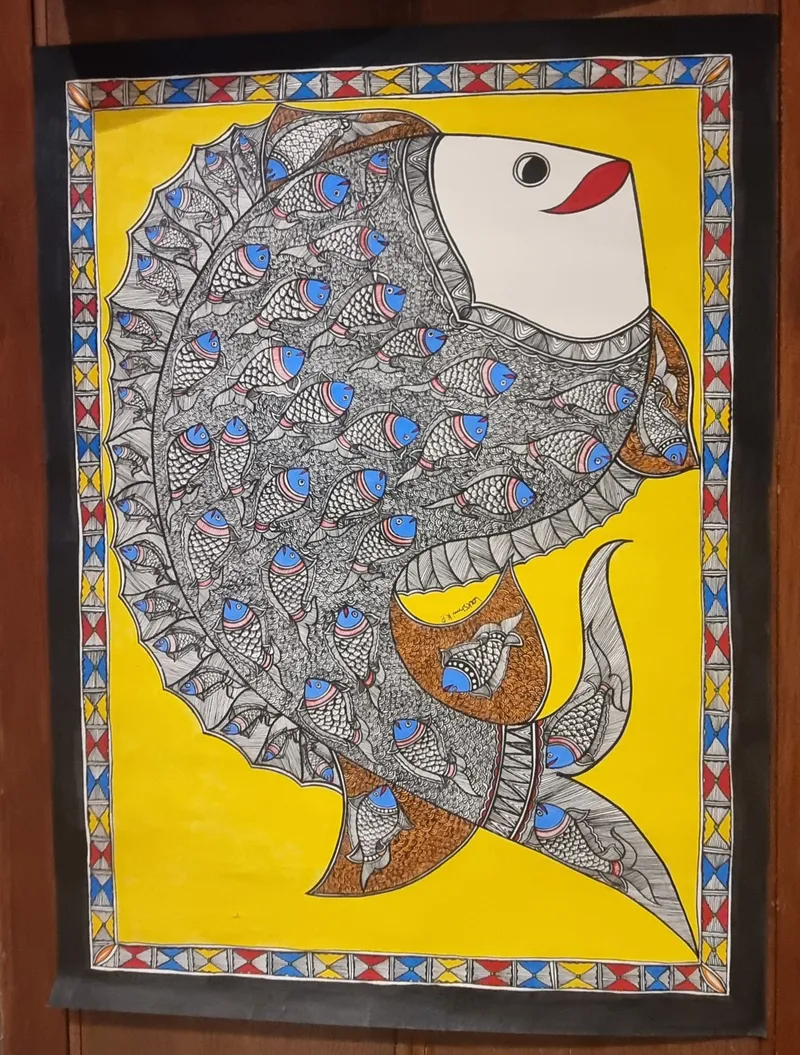
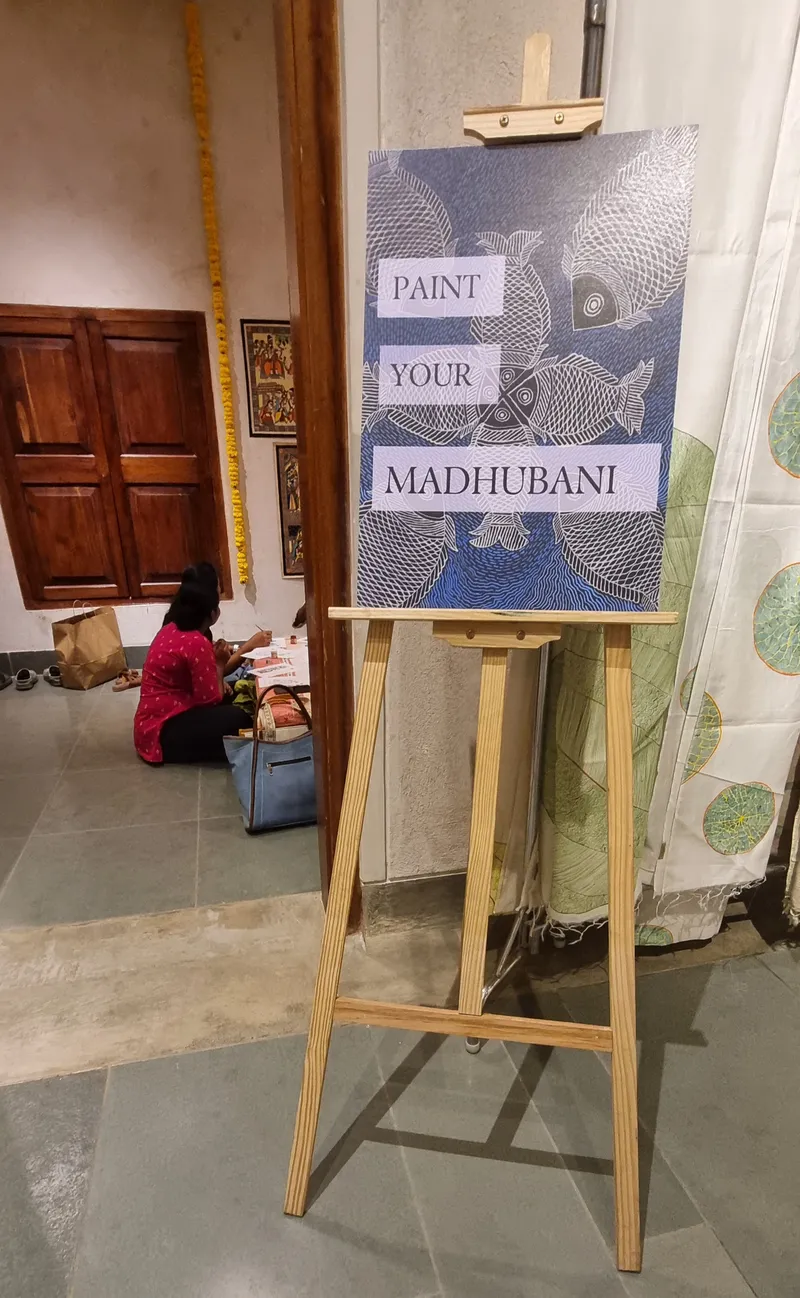
Along with a walkthrough of curated installations, there were artisan-led storytelling sessions. There was also a participatory workshop on Mithila art.
Operating across six states, KADAM has reportedly impacted over 10,000 artisans in its 18-year journey. Focusing on natural fibers, it aims to preserve ancient craftsmanship while offering a sustainable alternative to emigration from rural areas.
It connects artisans to markets, ensuring a steady income and the continued growth of handcrafted products for homes, kitchens and lifestyle needs. It thus aims to build resilient ecosystems at scale through the creation of everyday products that encourage conscious consumption.
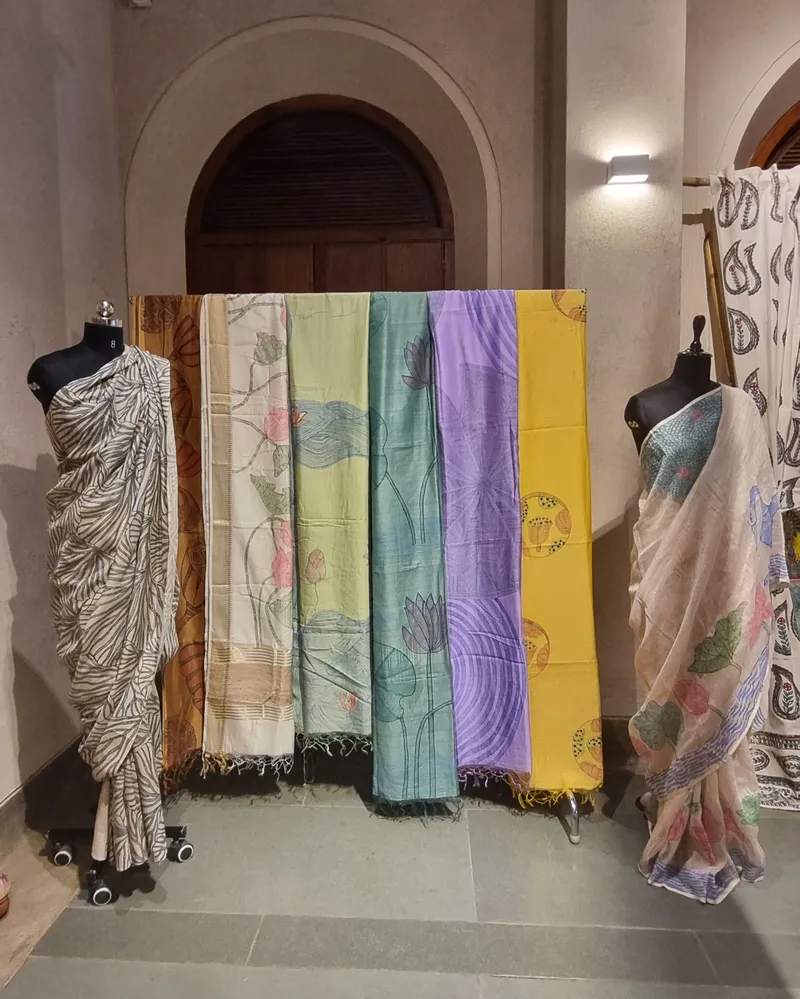

Such initiatives are important in an age of rapid change since traditional tribal art carries the stories, identity, knowledge, and craftsmanship of communities passed down through generations. Such traditions can be extended to new forms via everyday products such as home décor, stationery, textiles, bags, kitchenware, furniture, packaging, and fashion accessories.
The key is to keep heritage alive via lifestyle products but without losing its cultural essence. Community-led design is important in this regard, as shown in this exhibition where artisans and craftspeople collaborated with designers, entrepreneurs and local organisations.
They identified traditional motifs, techniques, materials, and forms that could be thoughtfully adapted to contemporary needs. Examples include indigenous weaving techniques in bags, cushions, table linen, clothing, and accessories.
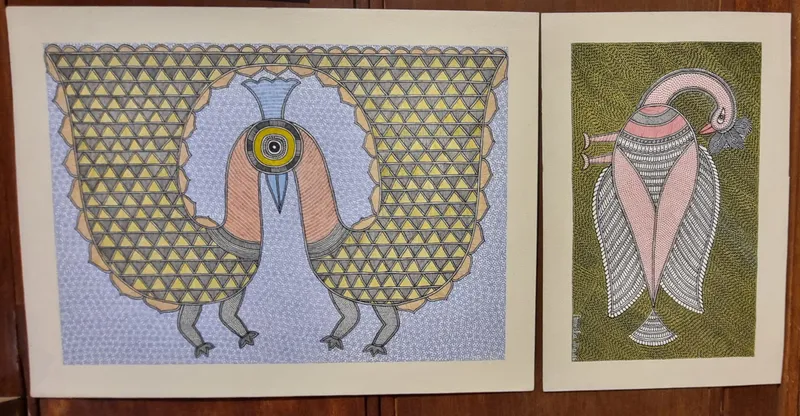
Distinctive tribal visual languages can inspire contemporary product designs, while crediting and compensating the communities that created them. The goal is not to replace traditional art, but to give it new contexts and markets.
This matters for tribal communities in a number of ways. It aligns traditional art forms with current consumer demand to generate additional and more predictable income for artisans and their families.
As traditional techniques become economically viable, younger generations have greater reason to learn and continue them rather than abandoning them and migrating to cities. Seeing their cultural expressions valued in contemporary spaces can strengthen artisans' confidence and pride.
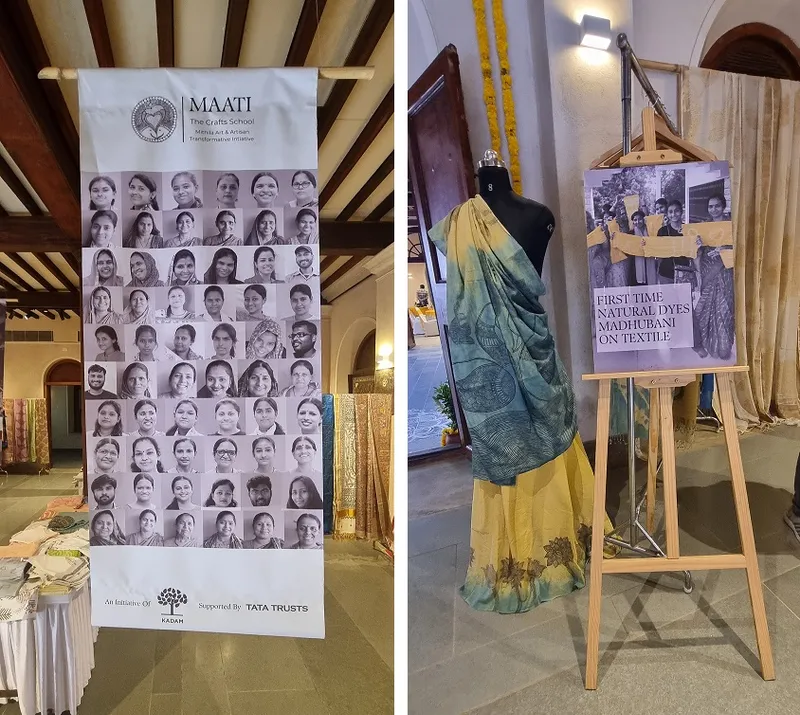

Everyday products can take tribal art beyond exhibitions and tourist markets – reaching urban consumers, institutions, hospitality businesses, and international audiences. The next generation of tribal creators can combine inherited knowledge with new design, technology and entrepreneurship.
With proper attribution, intellectual-property protection, and transparent pricing, communities can retain greater control over how their cultural expressions are used. They can also share more fairly in the economic value they create.
Commercialising tribal art should be done with communities, not merely about them. Artisans should participate in design decisions, receive fair compensation, retain recognition for their work, and even have some ownership or licensing rights over their cultural designs.
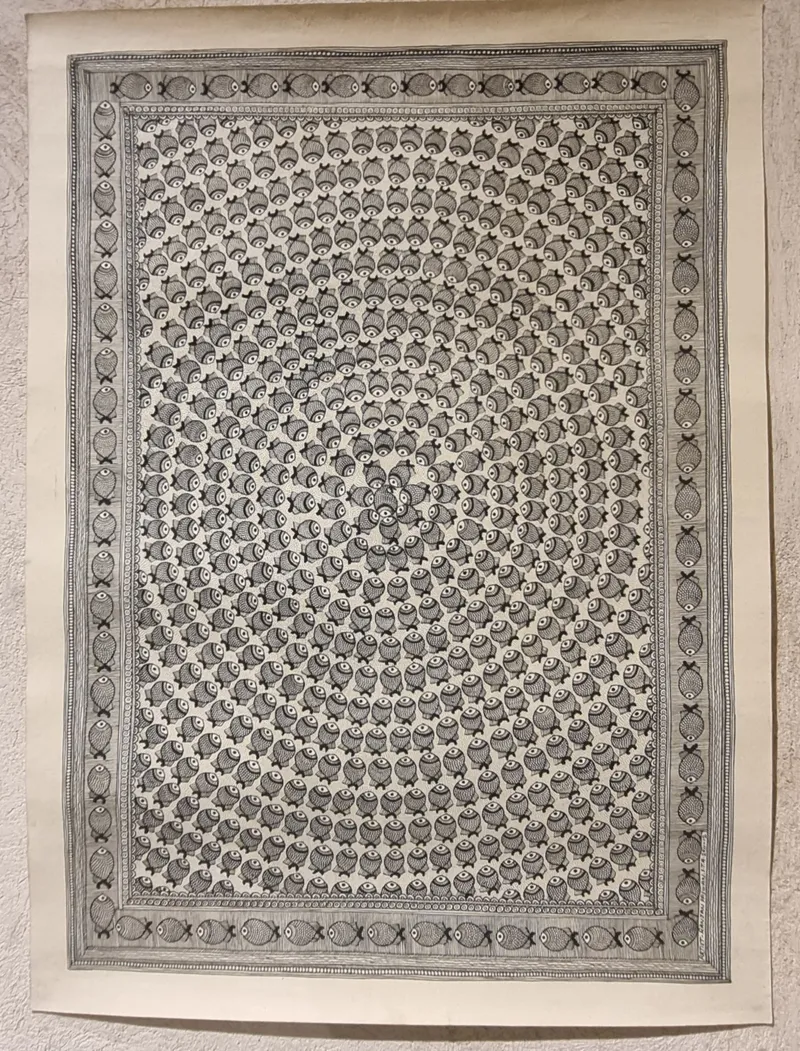
The opportunity is therefore much larger than creating attractive products. It is about transforming traditional knowledge into contemporary economic opportunity while keeping its cultural ownership, meaning and dignity intact.
In sum, responsible interpretation of indigenous art into everyday items can create a bridge between heritage and modern life. It allows traditional art to remain a living, evolving practice rather than something preserved only in museums or archives, or for nostalgic value.
Now what have you done today to pause in your busy schedule and harness your creative side for a better world?
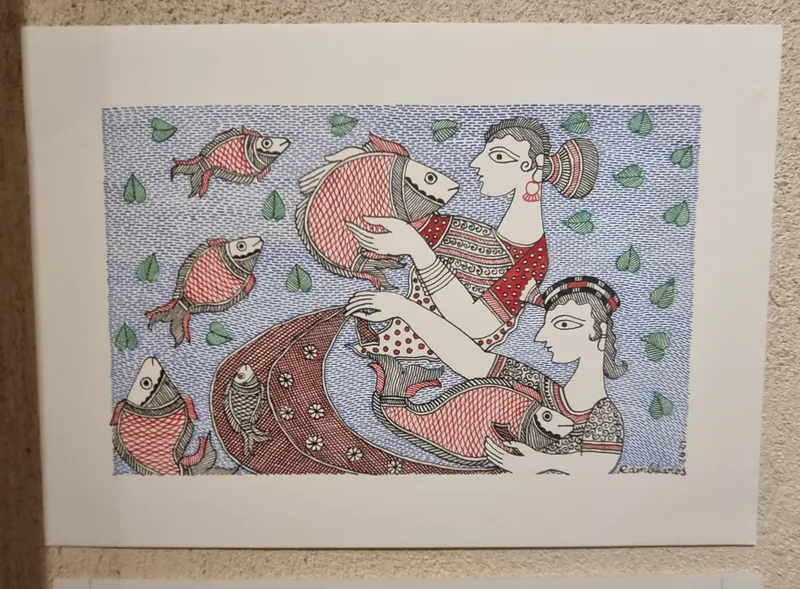
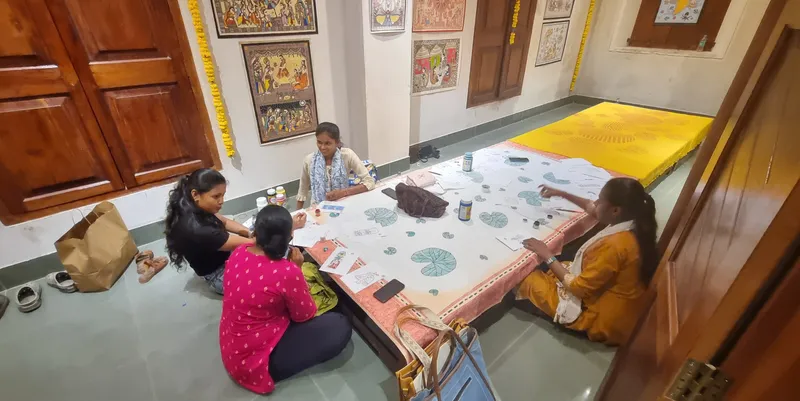
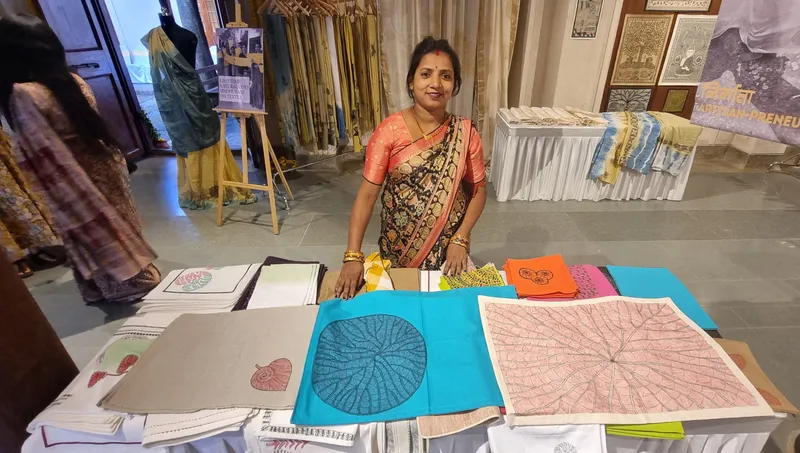
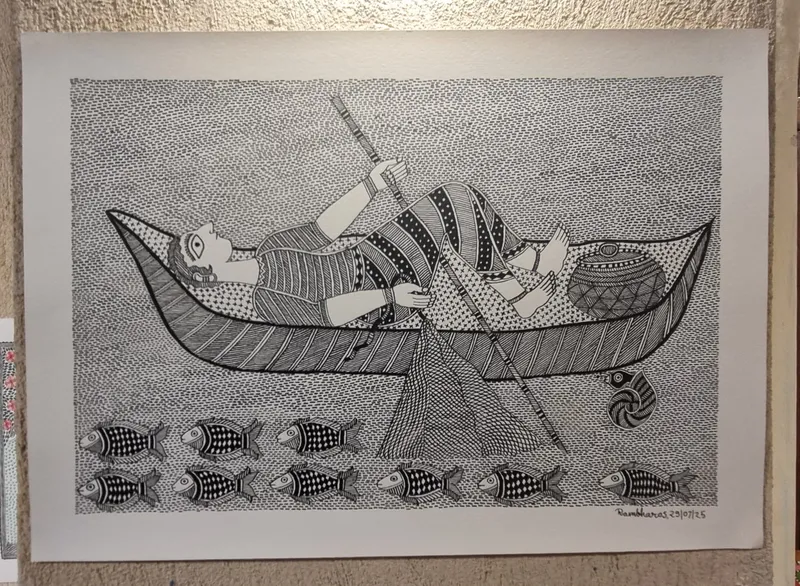
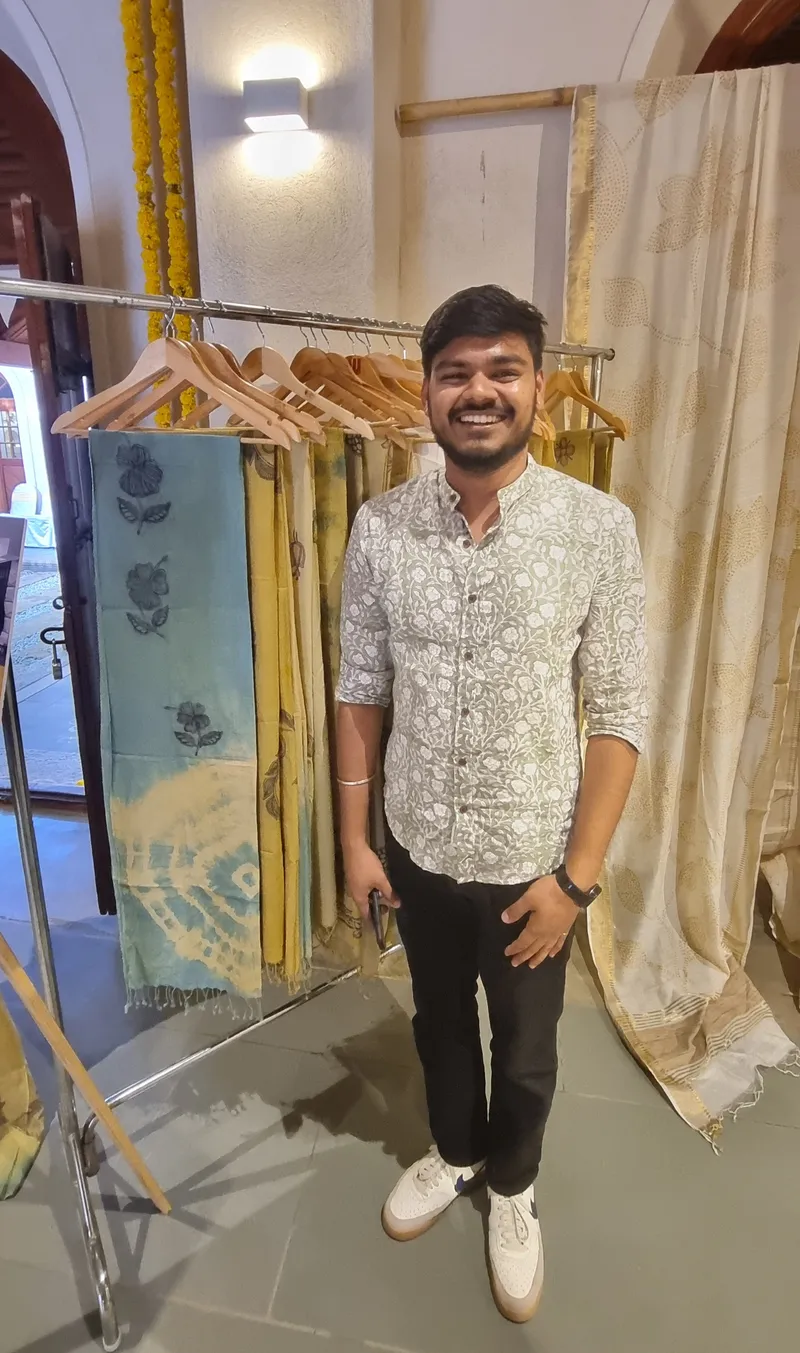
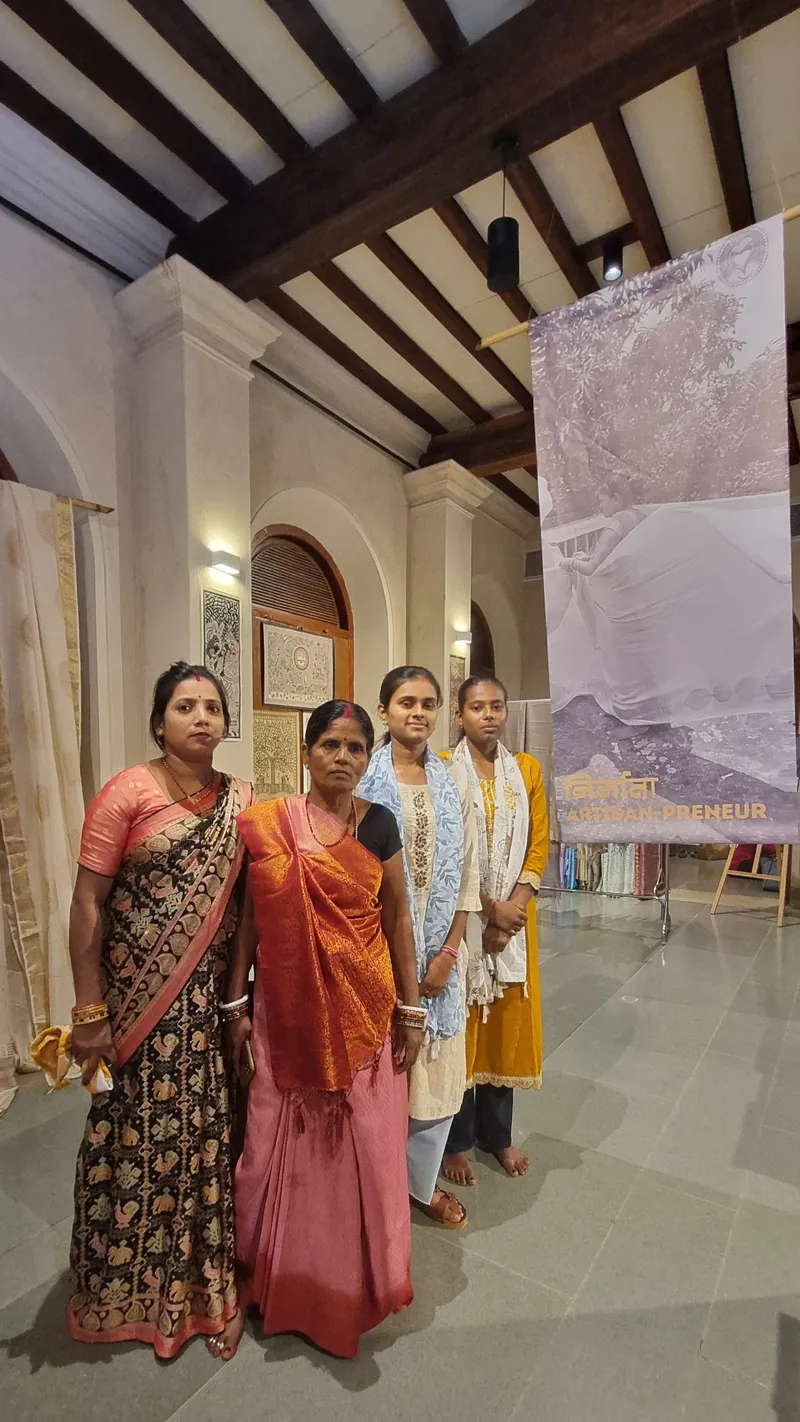
(L to R) Anjali, Priyanjali, Ram Dulari Devi and Rubi Dev
(All photographs taken by Madanmohan Rao on location at Sabha in Bengaluru.)