



Art festival at Karnataka Chitrakala Parishath celebrates creativity from across India
In this photo essay, we feature more highlights from the Namma Art Bengaluru festival, along with curator insights.

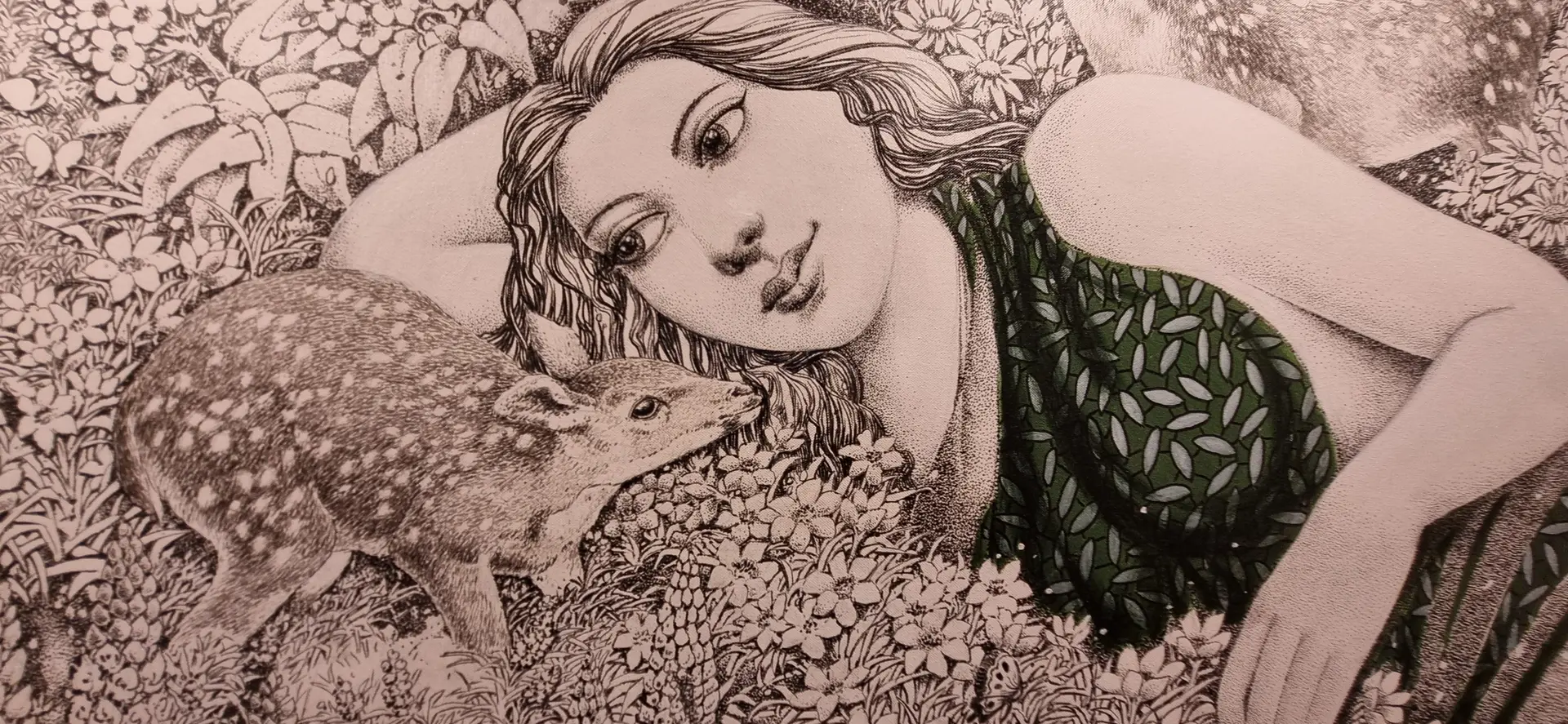

Launched in 2014, PhotoSparks is a weekly feature from YourStory, with photographs that celebrate the spirit of creativity and innovation. In the earlier 1,010 posts, we featured an art festival, cartoon gallery. world music festival, telecom expo, millets fair, climate change expo, wildlife conference, startup festival, Diwali rangoli, and jazz festival.
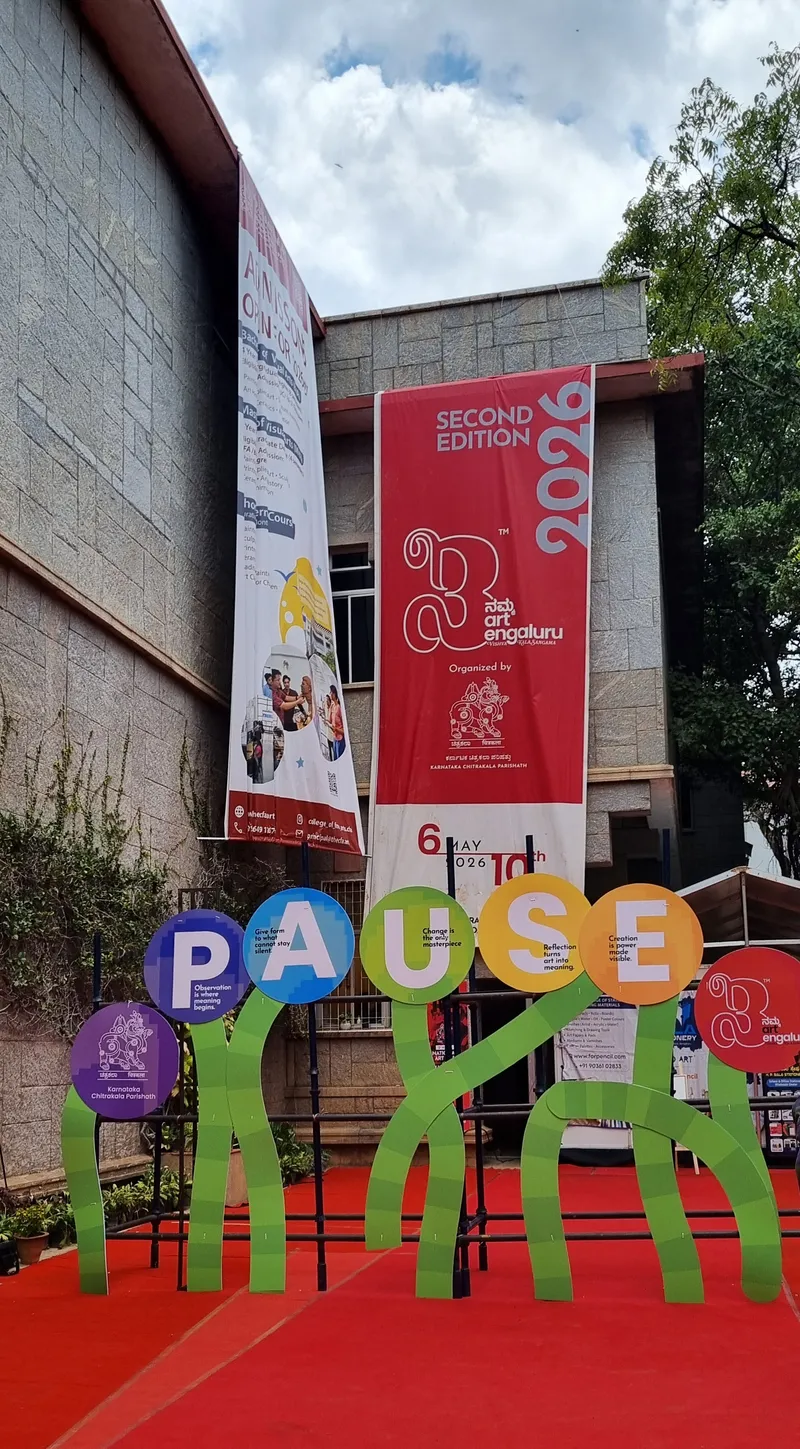
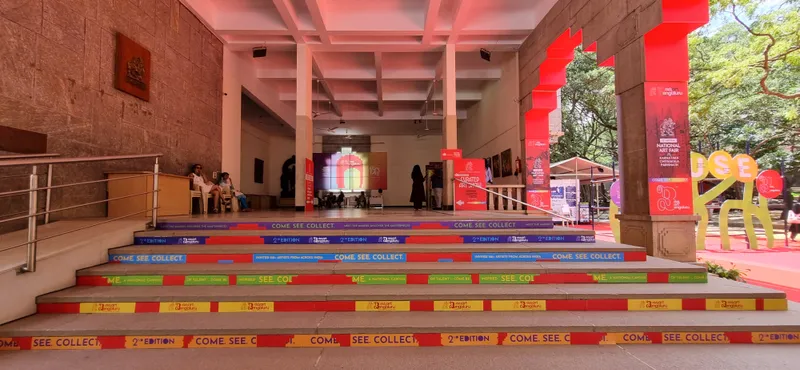
This year, Karnataka Chitrakala Parishath (KCP) celebrates the second edition of its ‘Namma Art Bengaluru’ national festival. See our coverage of earlier exhibitions at this popular cultural hub here. KCP’s most popular event is the annual Chitra Santhe, regarded as India’s largest street fair for art.
“This edition marks an important milestone in our journey to create a vibrant and inclusive platform that celebrates the depth, diversity, and evolving language of Indian art,” explains KCP president B L Shankar.
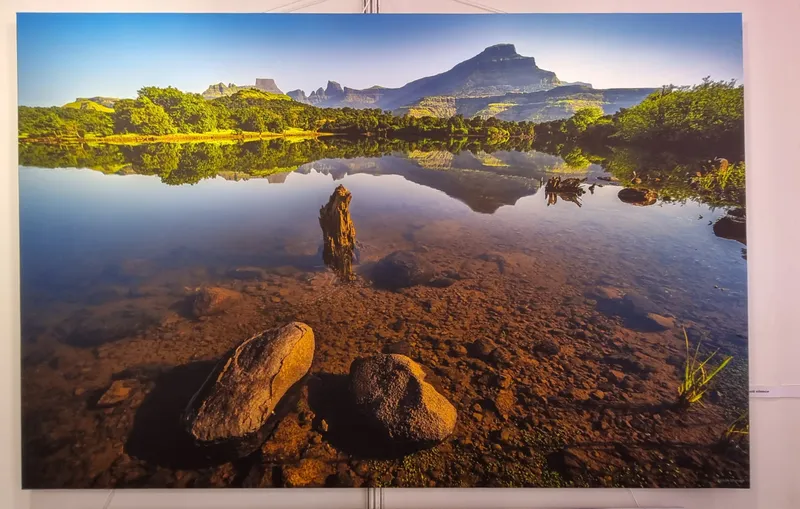
The featured artists represent a broad spectrum of contemporary Indian practice. Some are known for figurative and narrative painting, while others explore indigenous traditions and abstraction. Their varied approaches creates an exhibition that appeals to collectors, students, scholars, and casual visitors alike.
For decades, KCP has nurtured artists through exhibitions, education, museums, and cultural events. That makes it an appropriate setting for a large-scale collective exhibition such as Namma Art Bengaluru.
“The successful response to the inaugural edition encouraged us to continue this important initiative. It is gratifying to witness the fair growing into a distinguished platform that celebrates artistic excellence, innovation, and cultural exchange,” adds Shashidhara Rao, General Secretary, KCP.
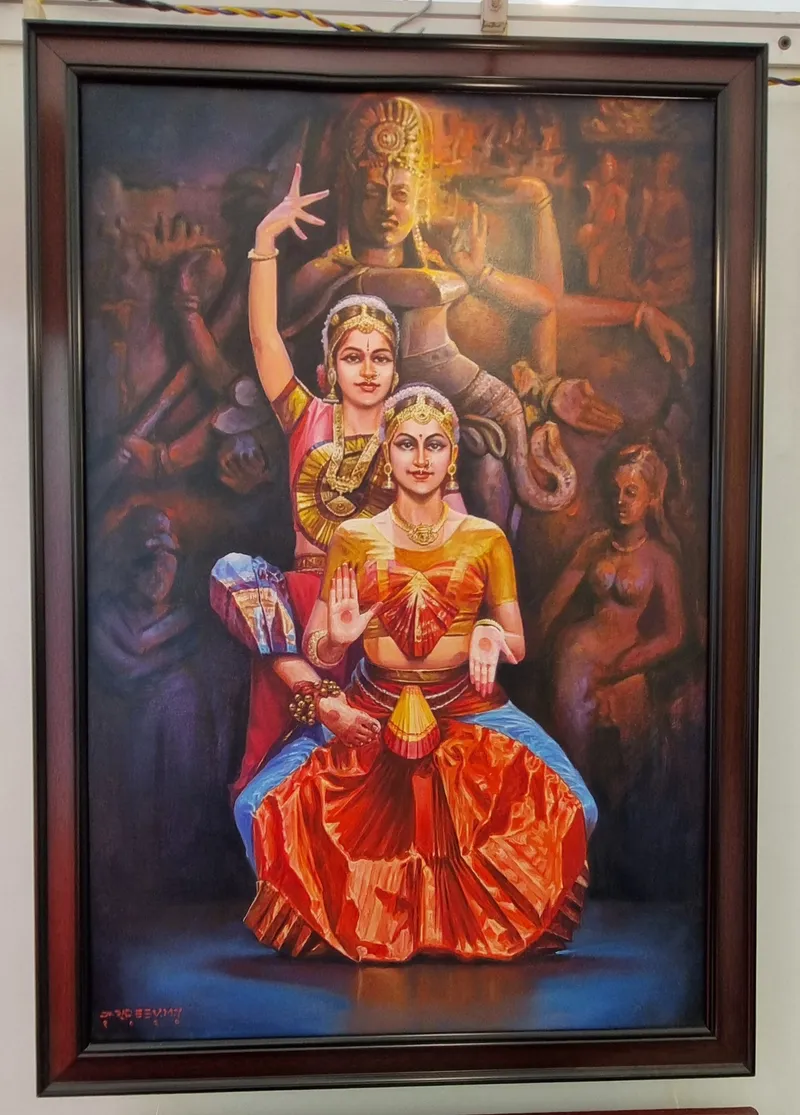

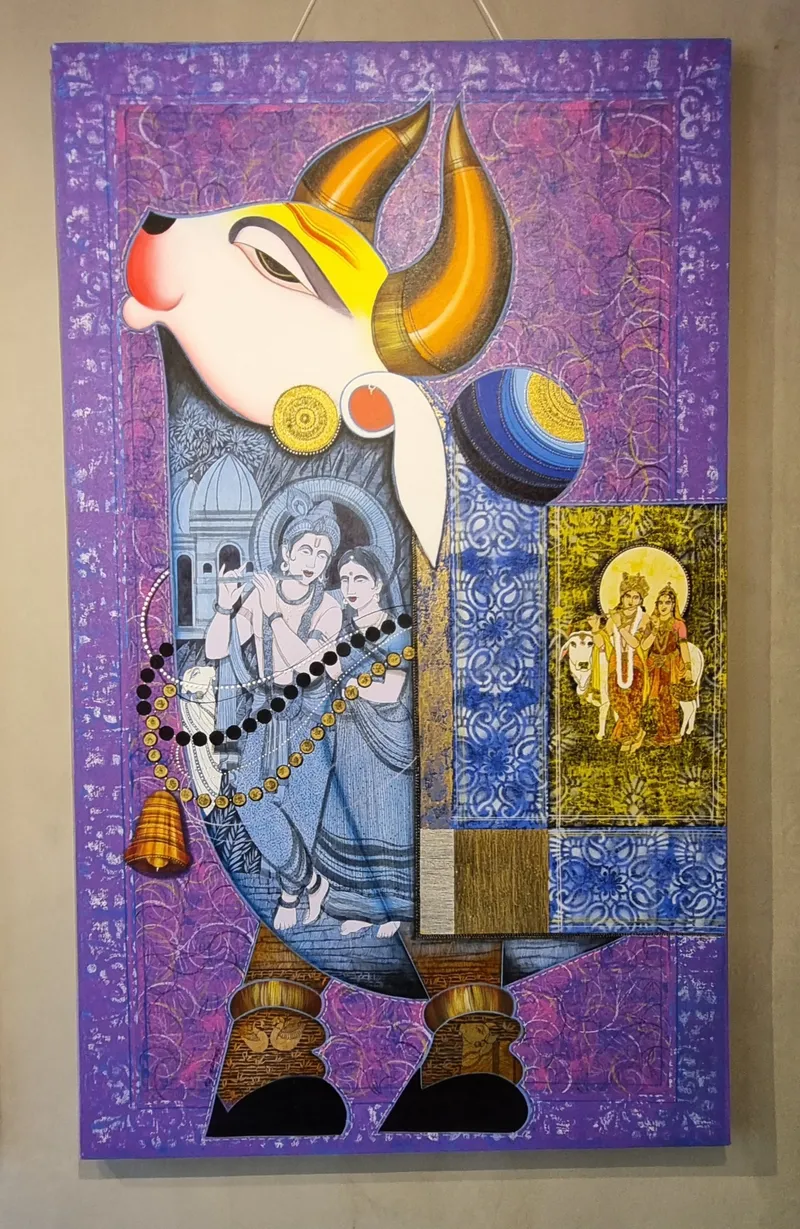
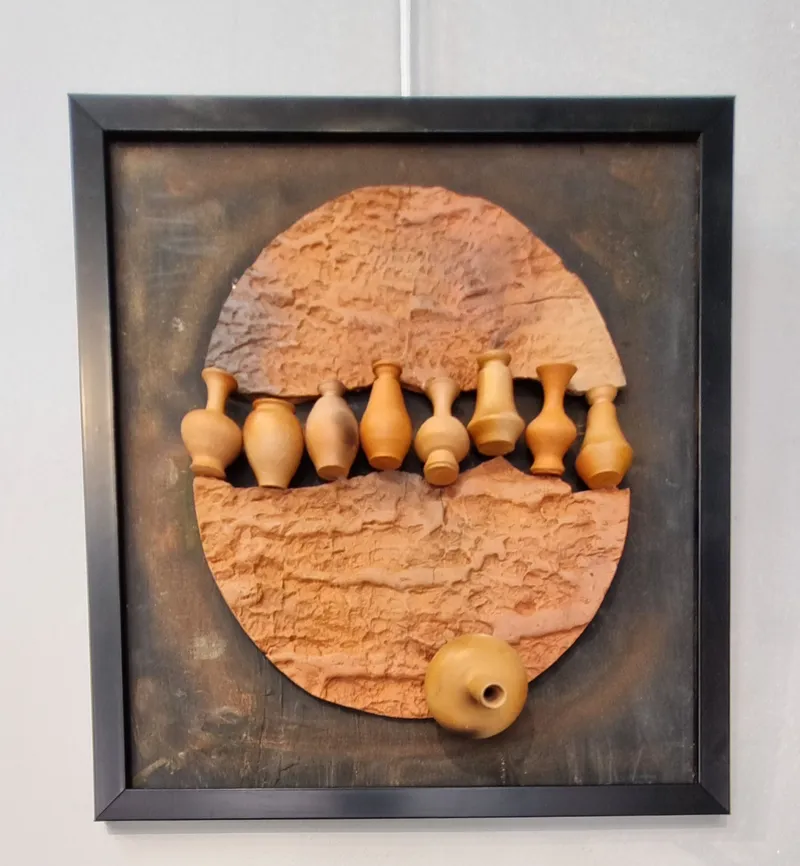
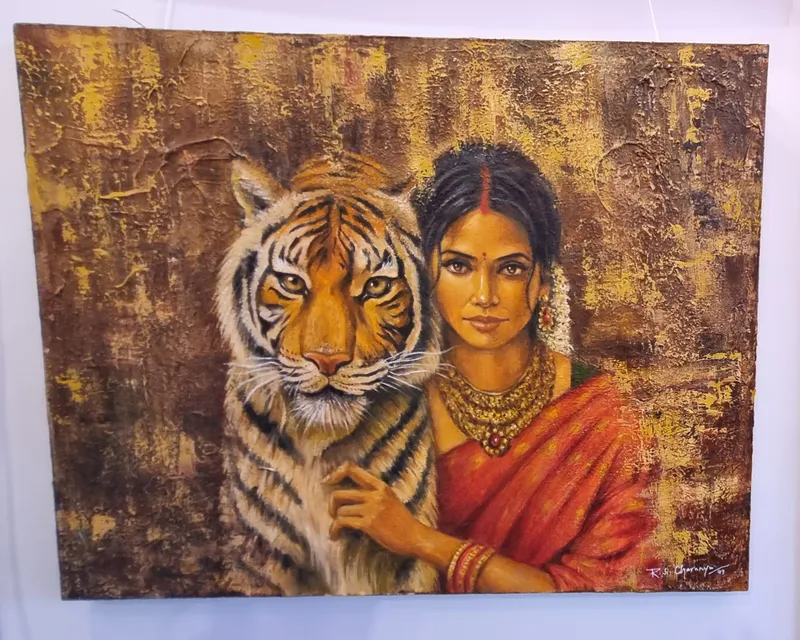
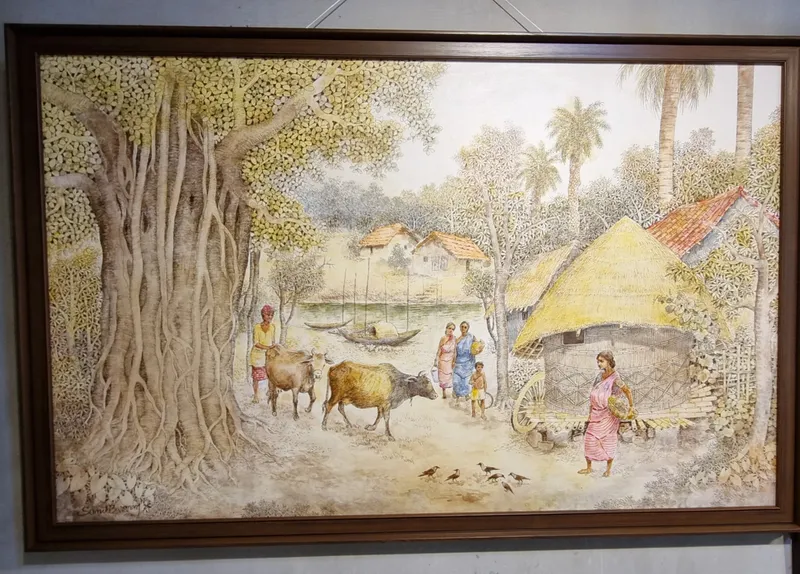
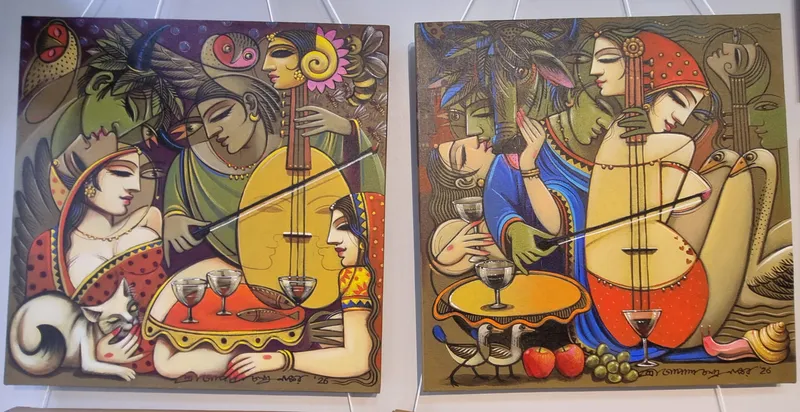
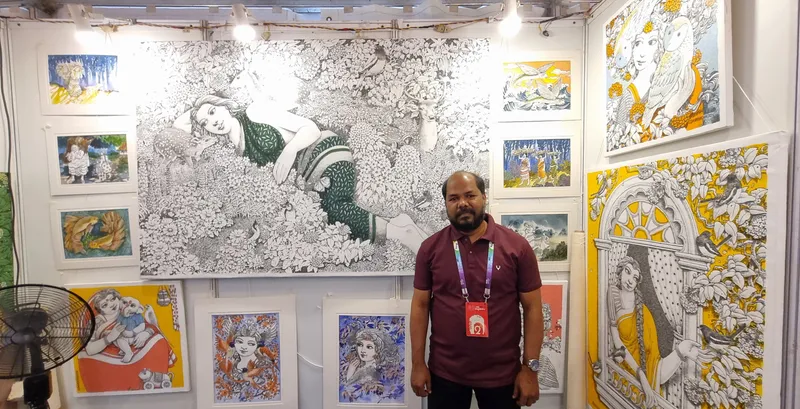
Unlike solo exhibitions, which focus on the vision of a single artist, a group exhibition creates a conversation. Each artwork influences the interpretation of the next. Contrasting colours, techniques and themes generate visual dialogue throughout the gallery space, as shown in the works of artists featured in this photo essay.
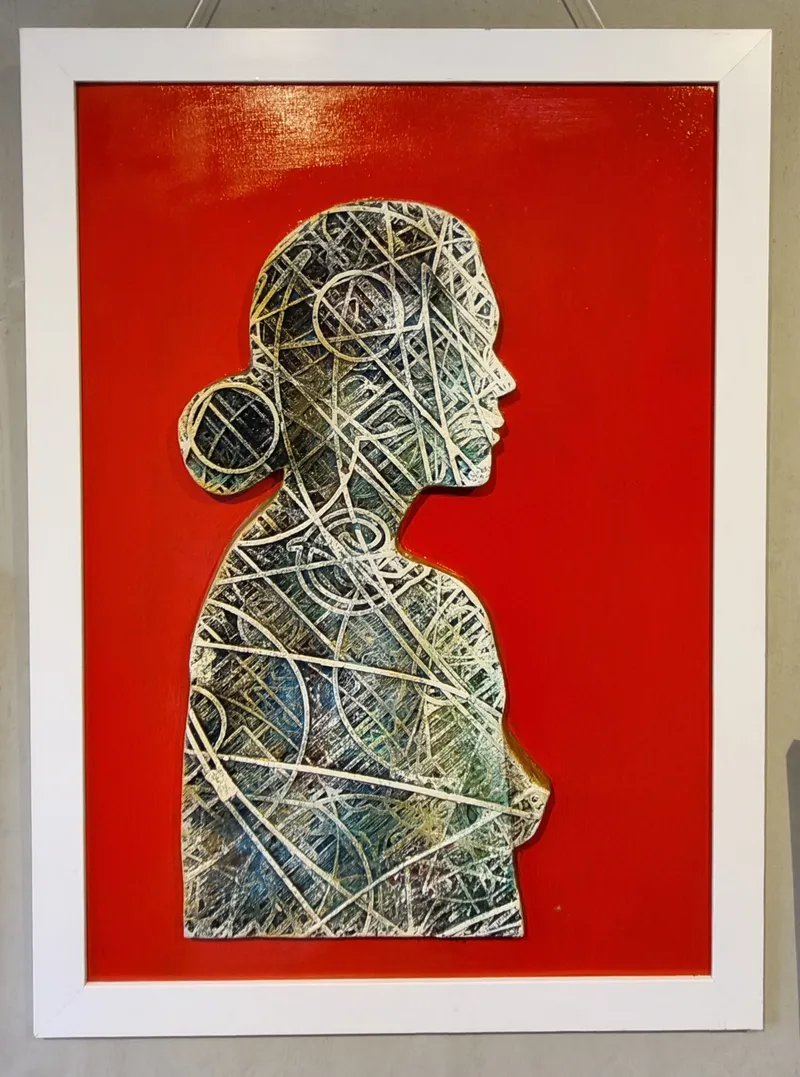
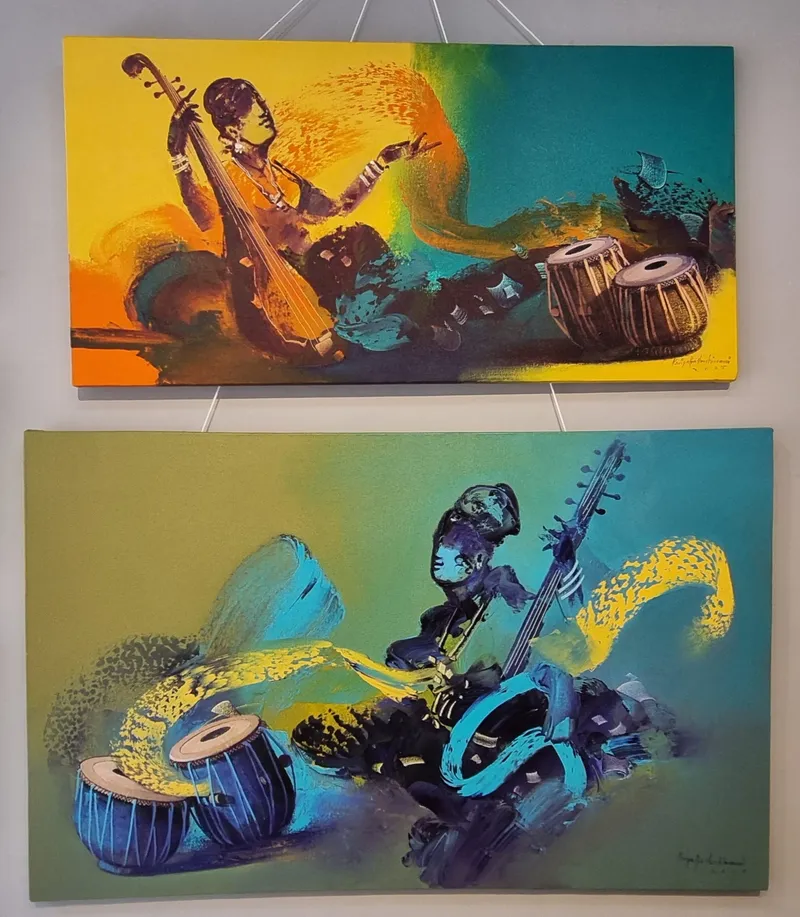
Roopa Kangovi is an Indian contemporary artist from Karnataka whose practice is rooted in an exploration of nature, memory and the emotional resonance of everyday life. Using layered textures and earthy palettes, her work often reflects a sensitivity to the changing relationship between people, animals and their environment.
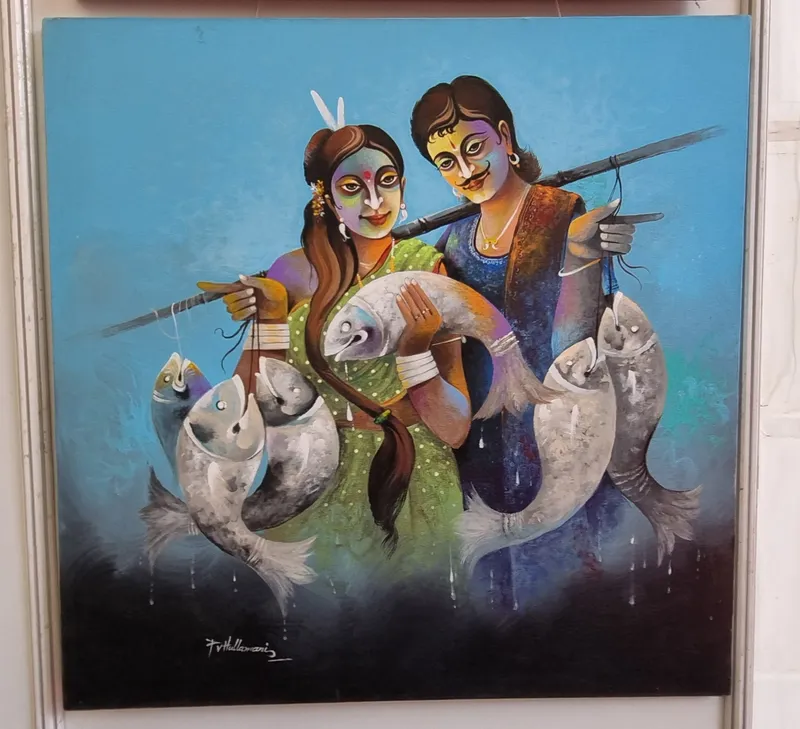
Shiva Hadimani is a realist painter as well as a specialist in portraiture, His work combines technical precision with wit and keen observation, demonstrating how exaggeration can capture personality while remaining artistically sophisticated.
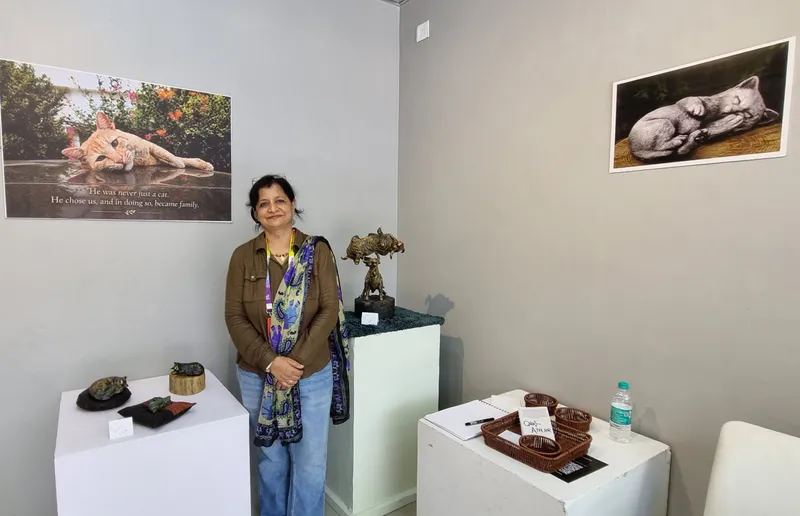
Roopa Kangovi
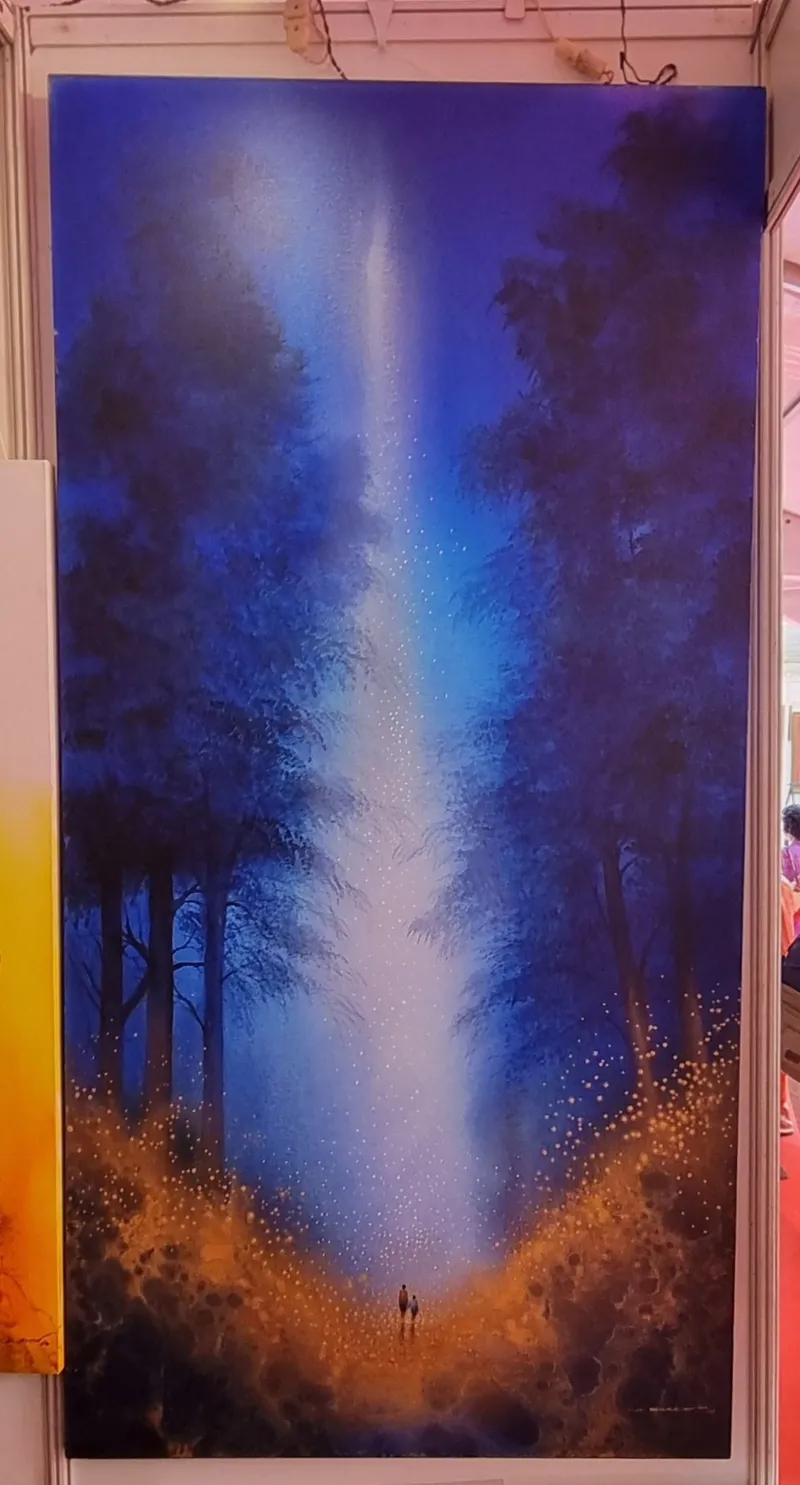
Sunilkumar Mathad is an Indian contemporary artist whose work explores the visual and cultural landscape of rural Karnataka through painting and mixed media. His practice is informed by everyday life, local traditions, and the rhythms of agrarian communities.
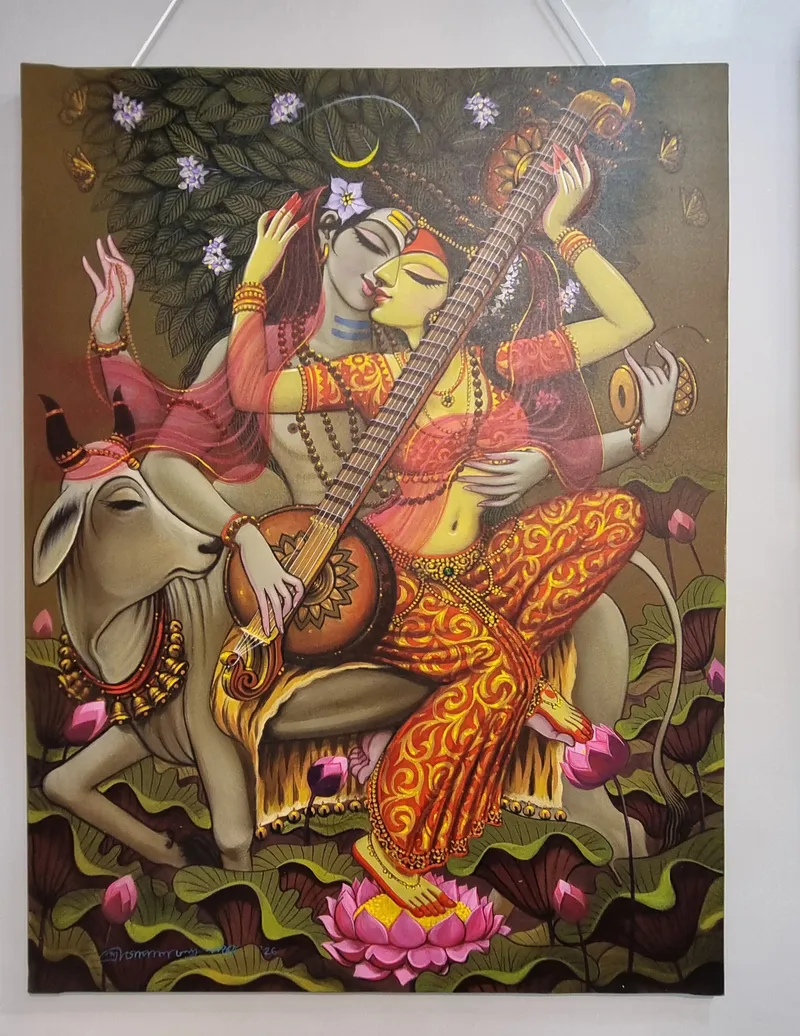
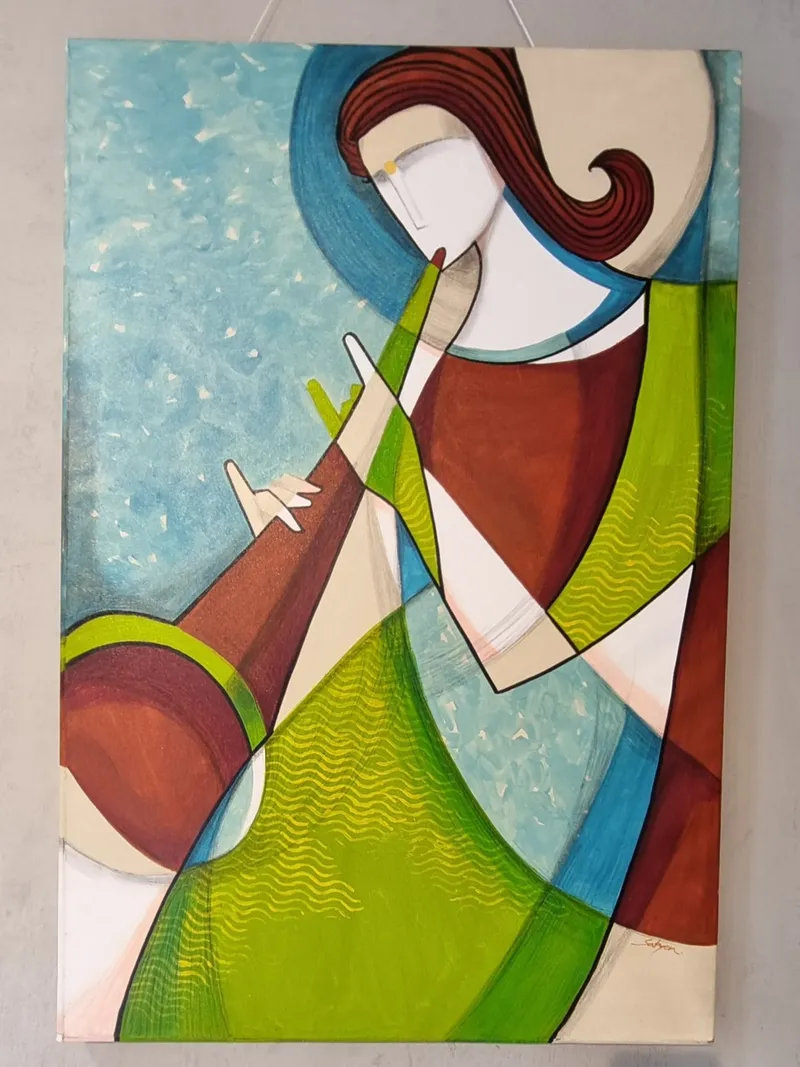
Swapan Roy is a contemporary artist from Kolkata whose paintings are deeply informed by philosophy, spirituality, and Bengali cultural traditions. He studied at the Indian Art College of Rabindra Bharati University, and has developed a distinctive visual language that blends imagination with symbolism.
Usharanjan Mandal is a self-taught contemporary artist from West Bengal recognised for his intricate artworks. Over the years, he has presented numerous solo and group exhibitions across India, earning recognition for his distinctive artistic approach.
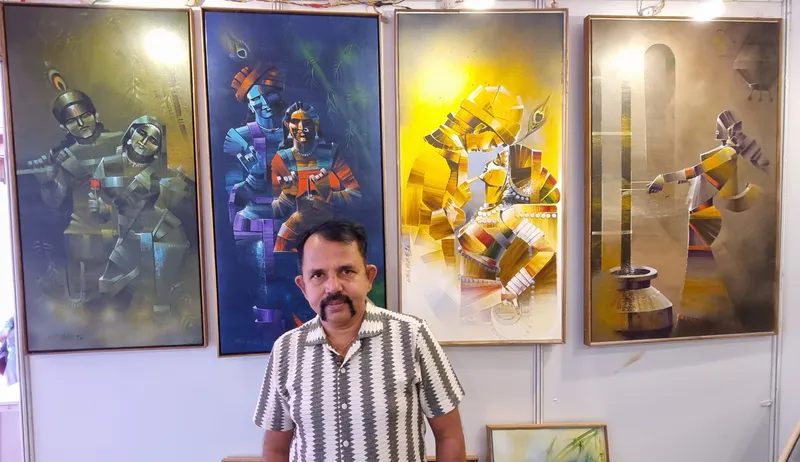
Shiva Hadimani

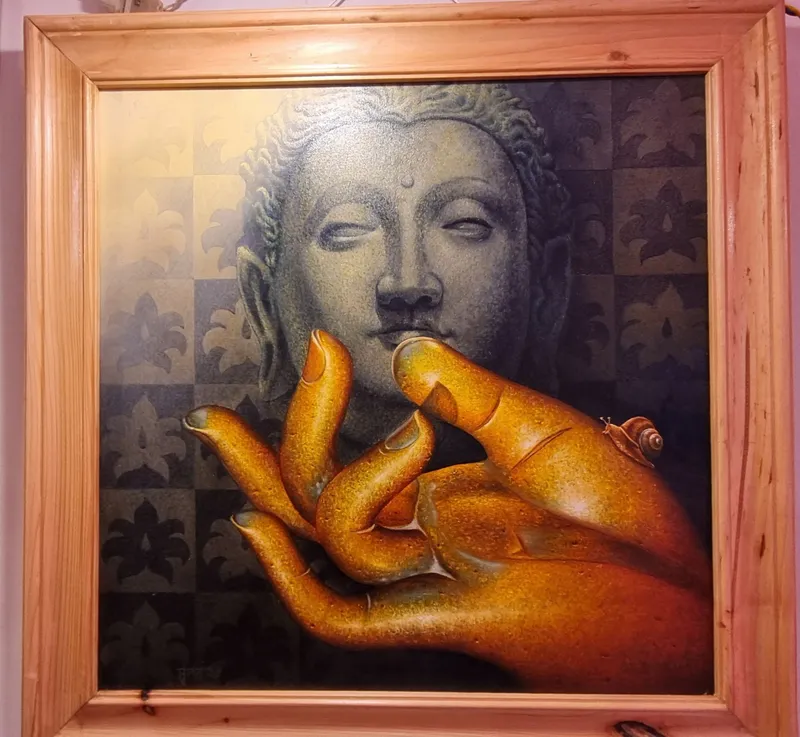
Yuvraj Patil is a contemporary artist from Kolhapur, Maharashtra, celebrated for his striking charcoal paintings and monochromatic visual language. His compositions emphasise light, shadow and structure to celebrate culture, devotion and architecture.
As seen in this photo essay, such group exhibitions encourage healthy comparison rather than competition. Artists and viewers observe different methods of composition, use of colour, material choices, and conceptual development. Exposure to such diverse practices often inspires new directions in one’s own work.
“This art fair brings together tradition and contemporary practice in an inspiring artistic environment. What started as a vision to create a meaningful platform for artists has now grown into a dynamic space for creative expression, dialogue and connection,” festival convener S A Vimalanathan signs off.
Now what have you done today to pause in your busy schedule and harness your creative side for a better world?
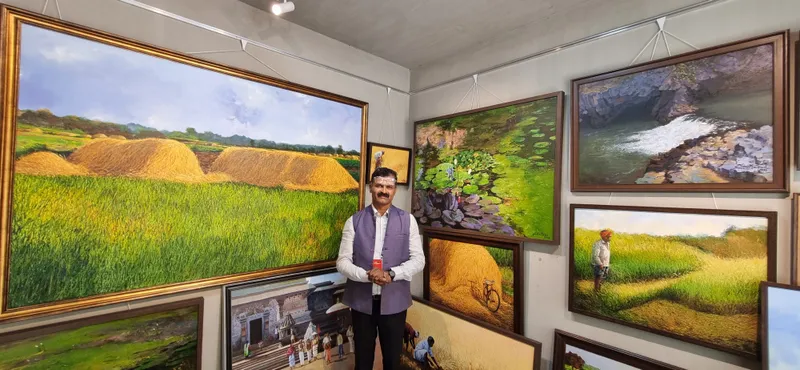
Sunilkumar Mathad
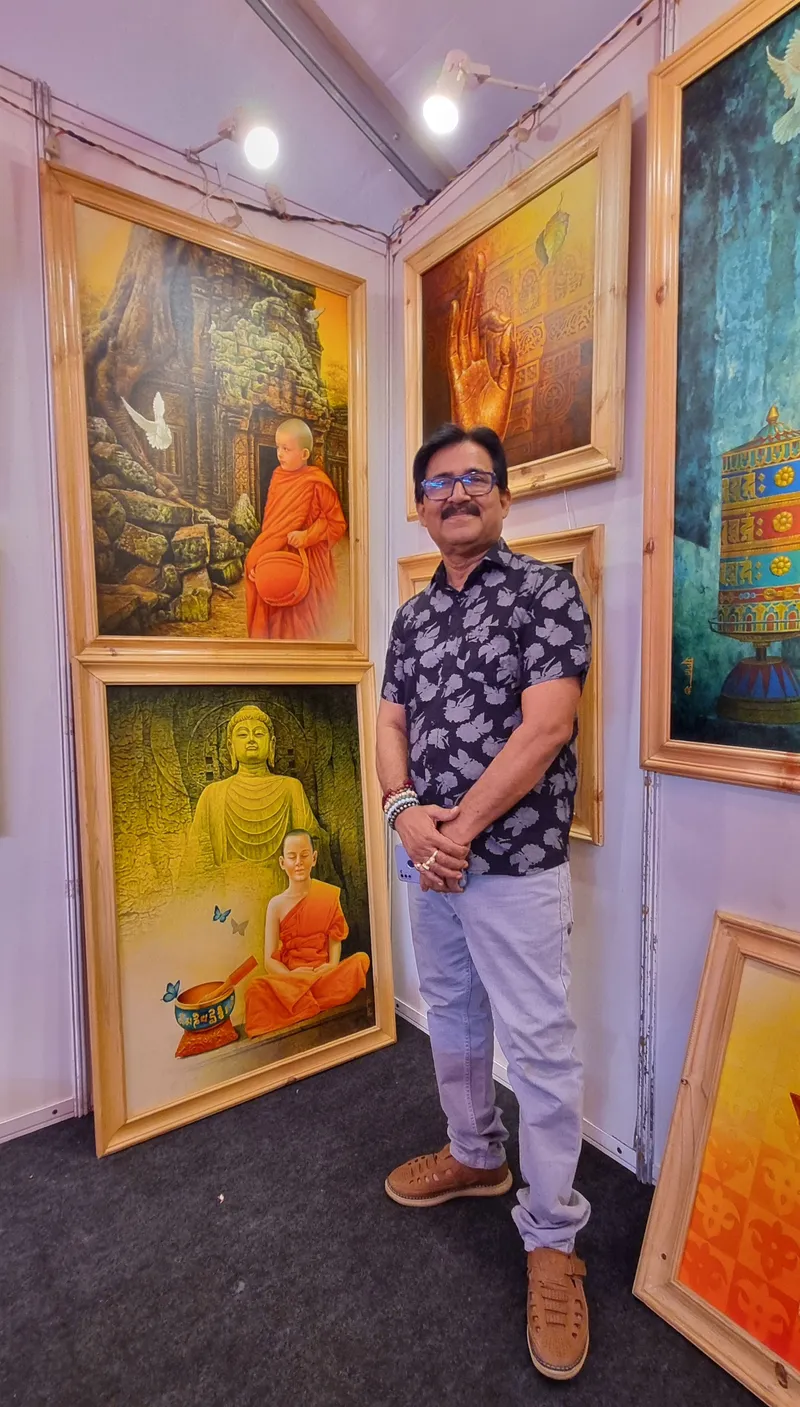
Swapan Roy
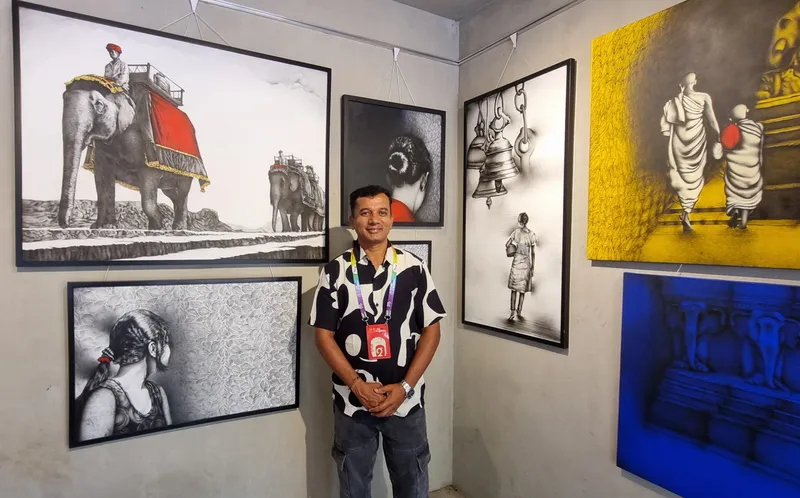
Yuvraj Patil
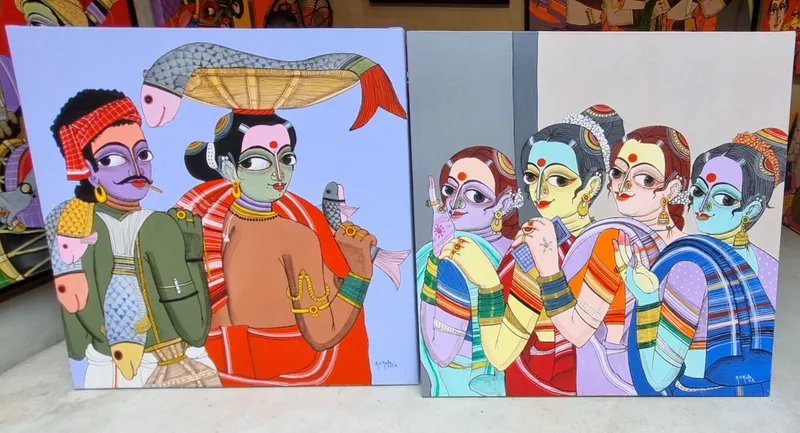
Usharanjan Mandal
(All photographs taken by Madanmohan Rao on location at Karnataka Chitrakala Parishath.)