



Chandra stays at Tata Sons, but Noel strongly objects
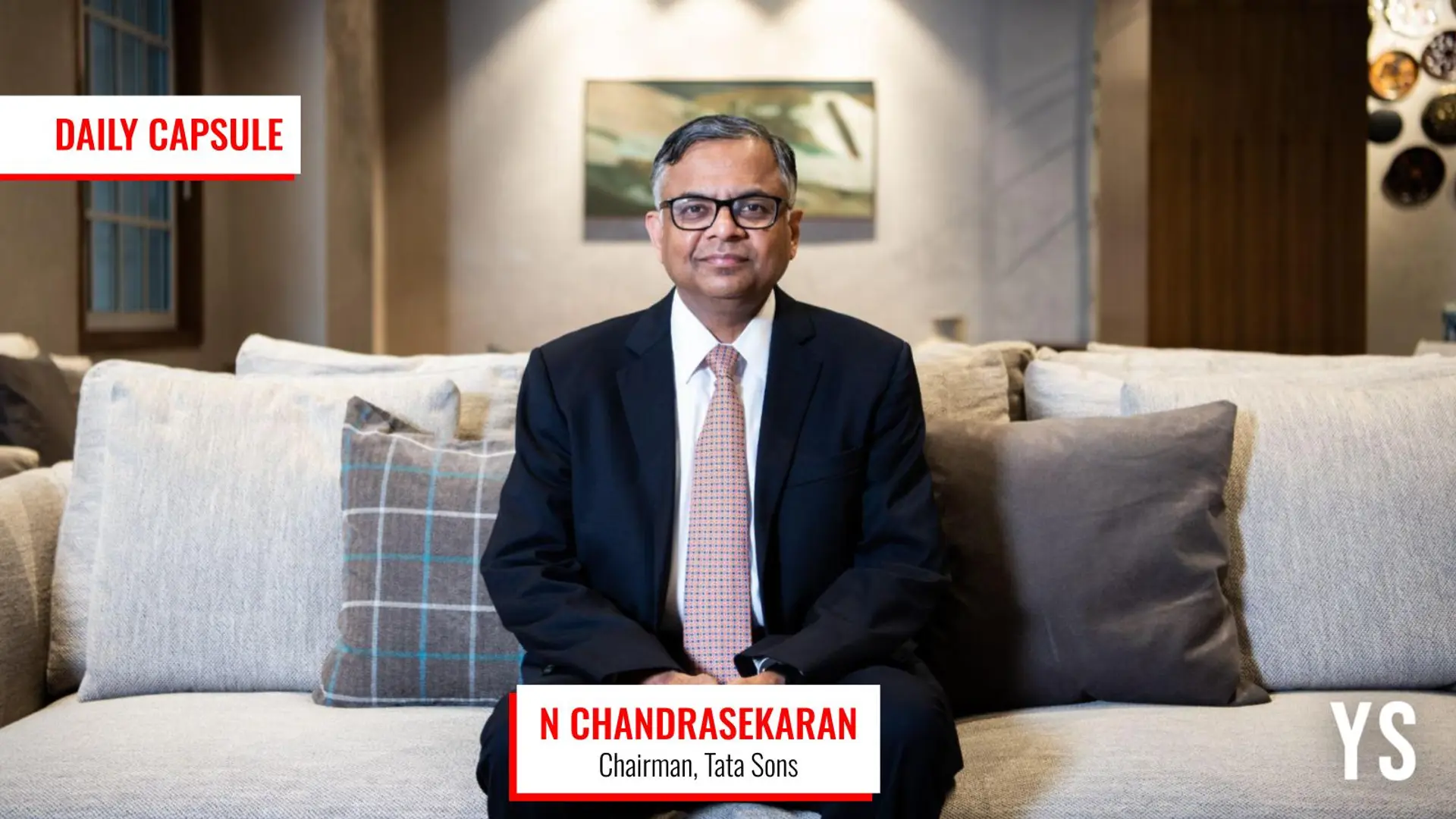
N Chandrasekaran has reversed his exit decision and agreed to continue as Executive Chairman of Tata Sons for another five years. The Tata Sons board has approved his reappointment but Noel Tata has opposed the move.


Dear Reader,
There are several new twists in the Tata tale.
In a major U-turn, N Chandrasekaran has reversed his exit decision and agreed to continue as Executive Chairman of Tata Sons for another five years. The Tata Sons board approved his reappointment after Chandrasekaran reconsidered his earlier decision not to seek another term.
However, not everyone is on board.
Noel Tata, who chairs the Tata Trusts, has opposed the extension. In a strongly worded statement, he said, “In so far as the Tata Trusts are concerned, the intimation made by the Chairman vide his communication dated 12 August 2026 (not to offer himself for a further term) has been duly accepted and has attained finality. The Chairman has conveyed his decision; the shareholders have conveyed their acceptance; it is now time to move on.”
The Tata Trusts has termed the resolution to reappoint Chandrasekaran as “illegal”.
In other big news, India has a grand plan for its semiconductor industry: 200 startups and companies designing chips and 1 lakh semiconductor workers under Semicon 2.0.
Prime Minister Narendra Modi, who inaugurated SEMICON India 2026 in New Delhi, said India is building capabilities across the entire technology value chain, rather than looking at semiconductor manufacturing in isolation, moving from “files to factories”.
While Abhishek Sharma smashed the fastest T20 ton by an Indian cricketer on Thursday evening with a flurry of sixes, the earlier part of the day saw a slew of MoUs and investment commitments on another pitch.
Day 1 of SEMICON India marked big investment plans by Applied Materials ($5 billion) and Lam Research (Rs 10,000 crore). Tata Electronics, Intel, Kaynes Semicon, and CDIL announced partnerships spanning manufacturing, packaging, materials, design and skilling.
In today’s newsletter, we will talk about
- The flurry of MoUs at SEMICON India
- UPI MDR: A new revenue engine for fintech firms?
Here’s your trivia for today: What is the process of adding impurities to pure silicon called? (Scroll down for the answer)
Partnerships
Flurry of MoUs at SEMICON India

India’s semiconductor push moved further from project approvals towards commercial production on Thursday, even as companies announced a series of partnerships at SEMICON India 2026 spanning chip manufacturing, packaging, materials, design infrastructure and workforce development.
The announcements came as CDIL Semiconductor’s facility in Mohali and Suchi Semicon’s unit in Palsana, Gujarat, began commercial production. Prime Minister Narendra Modi marked the start of production at the two facilities during the opening day of the event.
Steaming ahead:
- The series of memoranda of understanding and industry collaborations unveiled during the day reflected India’s attempt to build the layers around semiconductor manufacturing, from critical materials and equipment to packaging, suppliers, chip design and talent. The announcements also highlighted efforts to connect chip design in India with domestic manufacturing and packaging capabilities.
- Tata Electronics, Intel, Kaynes Semicon, and CDIL were among those that announced partnerships spanning manufacturing, packaging, materials, design and skilling. India Semiconductor Mission and Intel India launched an introductory semiconductor course aimed at students, educators, professionals, entrepreneurs and policymakers.
- Building a competitive domestic industry will depend on whether India can develop the materials, equipment, suppliers, design capabilities and skilled workforce needed to support those factories at scale.
Fintech
Can UPI MDR fuel revenue for fintech firms?
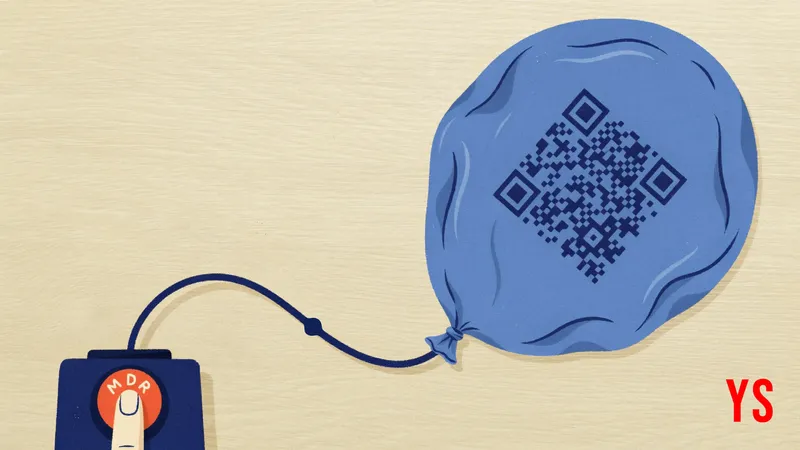
A 0.4% fee on select transactions above Rs 2,000 could create a sizeable revenue pool for payment companies. While the ecosystem is bullish on the valuation of fintech firms, the exact impact on bottom line and customer behaviour remains uncertain.
Investors and people aware of the sector say valuations may witness an upward trend for the next few quarters, adding that the exact effect can be determined only thereafter.
Key takeaways:
- The ecosystem is bullish on valuations of fintech firms following the government’s introduction of the merchant discount rate (MDR) on UPI transactions above Rs 2,000.
- While fintech and payment firms are largely cheering the recent development, experts caution that it is too early to understand the direction it could take.
- Brokerage firms Jefferies and Goldman Sachs have indicated that fintech firms Paytm and Pine Labs are set to benefit in a big way from the MDR move.
News & updates
- Anchor book: NSE has raised Rs 6,746 crore from anchor investors including LIC, Goldman Sachs, and Fidelity, ahead of its much-awaited IPO.
- Leadership rejig: Healthcare platform Practo has elevated Founder and CEO Shashank ND Singh to MD and Executive Chairman. Jagnoor Singh, who previously served as COO, has been appointed CEO of Practo.
- Acquisition: Hiring platform Unstop has acquired talent assessment company PerspectAI in an all-equity swap, bringing the business and its technology platform, intellectual property, data, people, clients and revenue under it.
What is the process of adding impurities to pure silicon called?
Answer: Doping
We would love to hear from you! To let us know what you liked and disliked about our newsletter, please mail [email protected].
If you don’t already get this newsletter in your inbox, sign up here. For past editions of the YourStory Buzz, you can check our Daily Capsule page here.