



Connections and conversations: How effective curation creates impact for art exhibitions
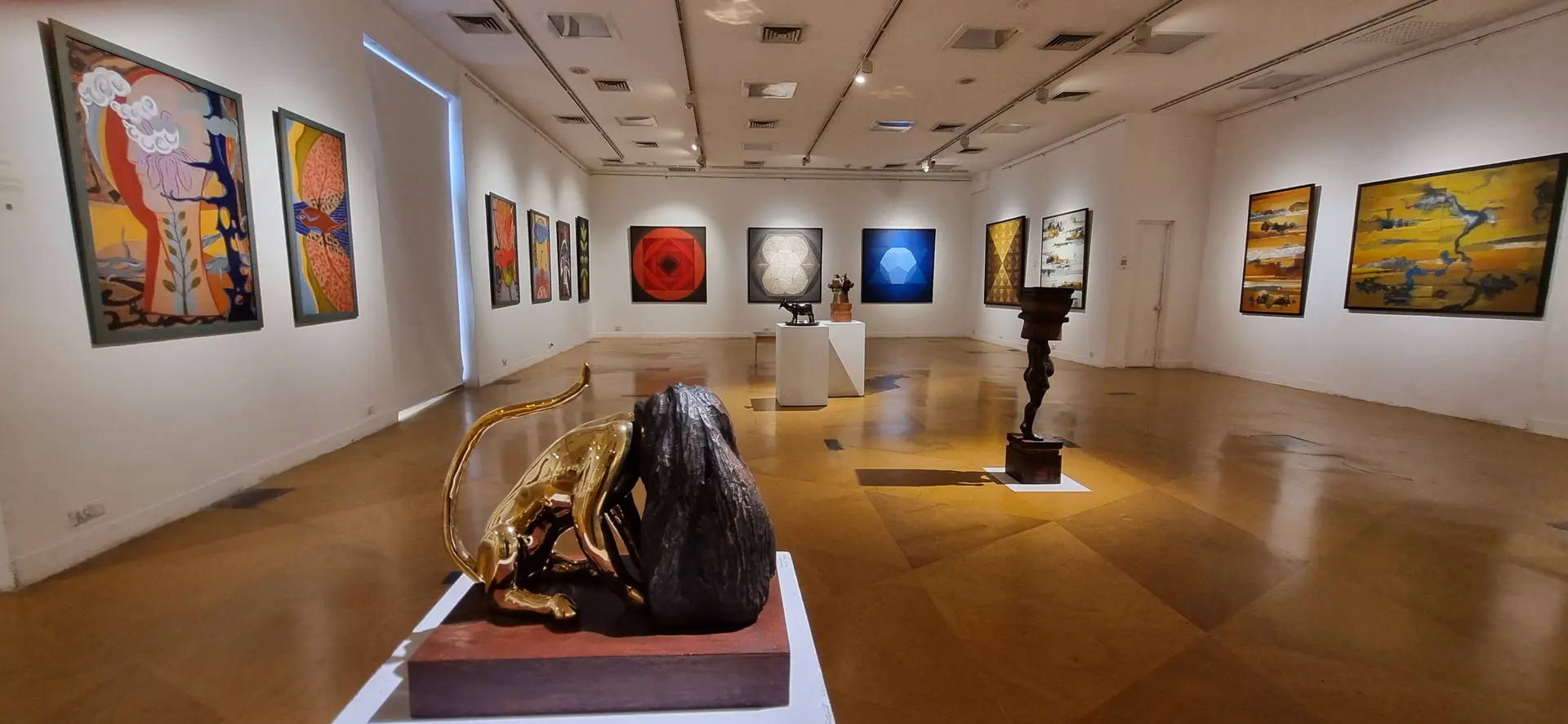
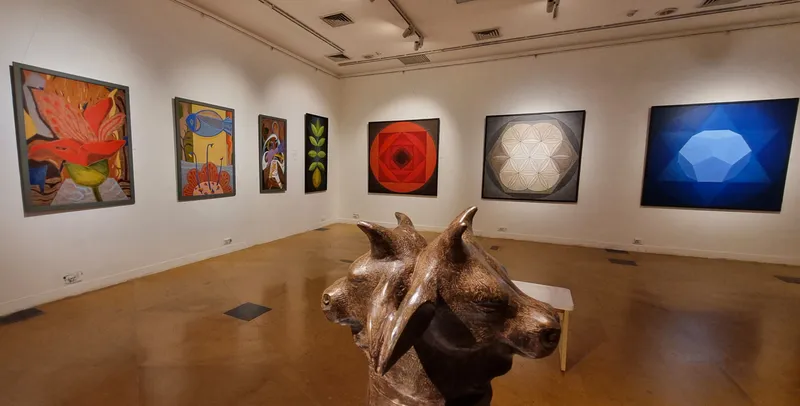
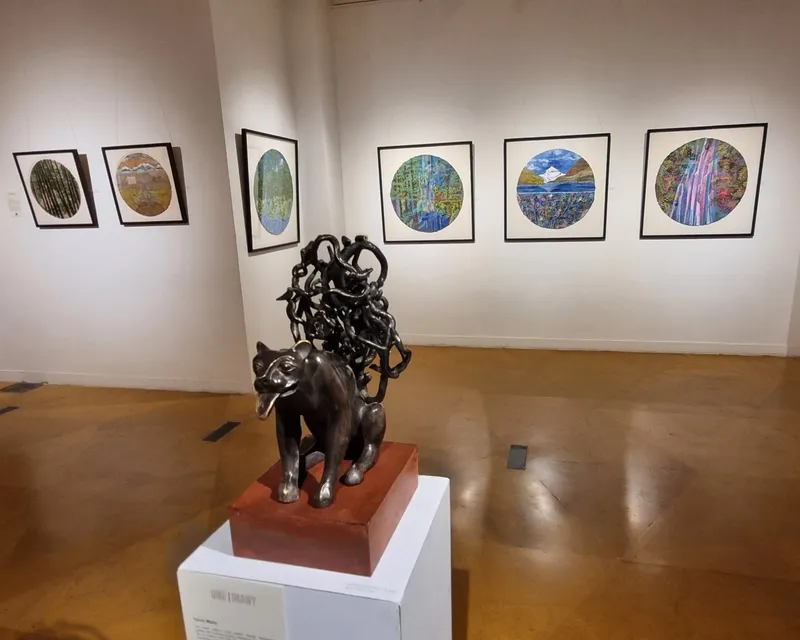
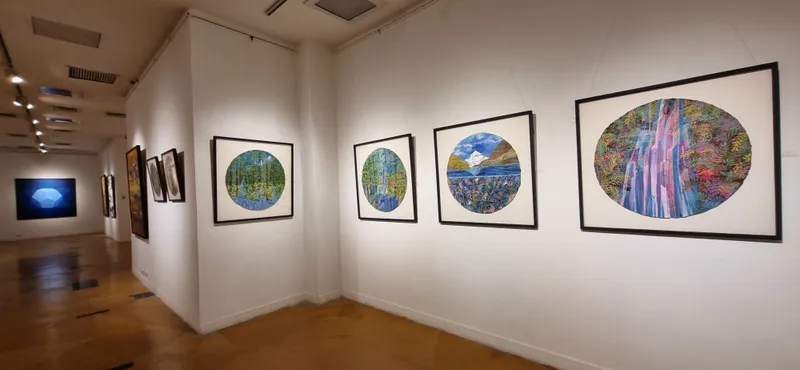
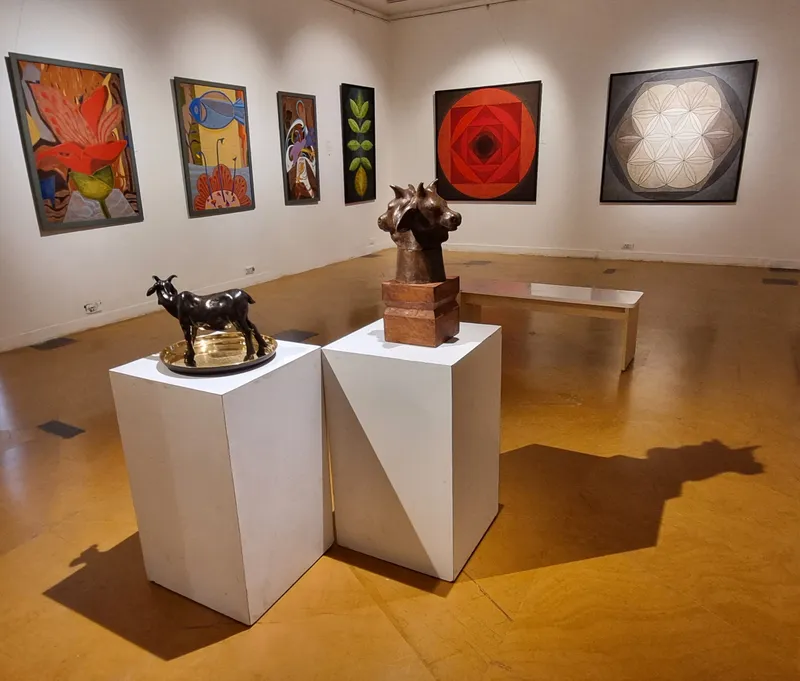
In this photo essay, we showcase artistic highlights from the ‘One | Many’ exhibition at the India Habitat Centre.


Launched in 2014, PhotoSparks is a weekly feature from YourStory, with photographs that celebrate the spirit of creativity and innovation. In the earlier 1,015 posts, we featured an art festival, cartoon gallery. world music festival, telecom expo, millets fair, climate change expo, wildlife conference, startup festival, Diwali rangoli, and jazz festival.
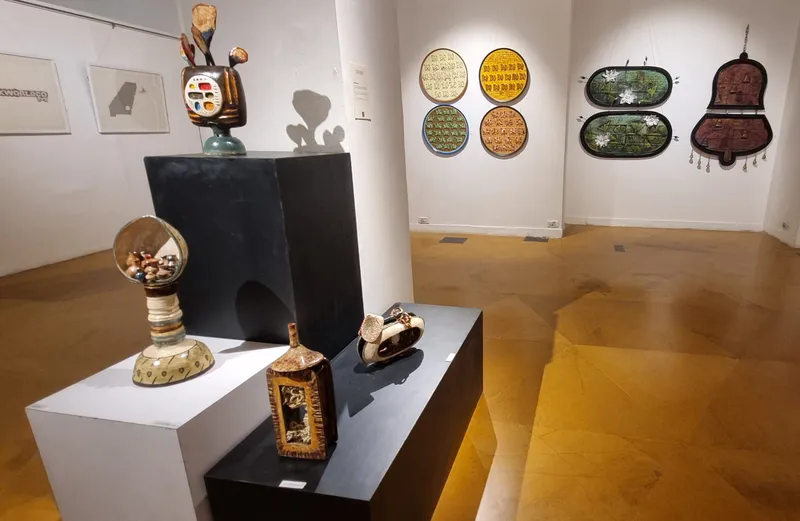
The India Habitat Centre (IHC) recently hosted the art exhibition titled ‘One | Many’ (see our coverage of earlier exhibitions at this popular cultural hub in New Delhi here). Curated by artist Pabitra Pal, it featured the works of 12 artists.
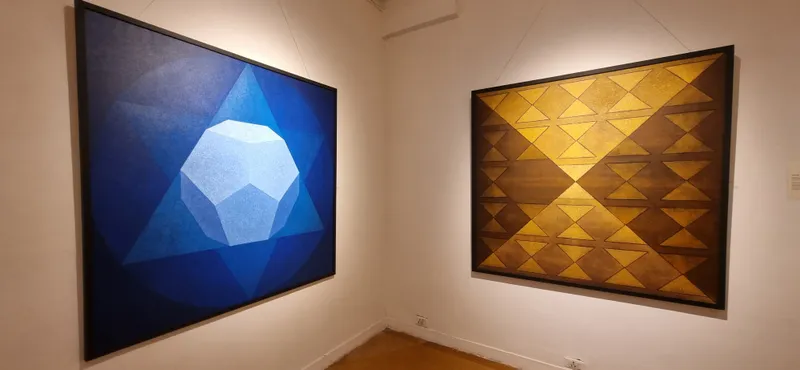
Such exhibitions illustrate how an effective curator connects artworks, artists, ideas, and audiences (see also Part I of our photo essay on this showcase). Tactful and strategic selection, interpretation and presentation of artworks can create a meaningful exhibition experience.
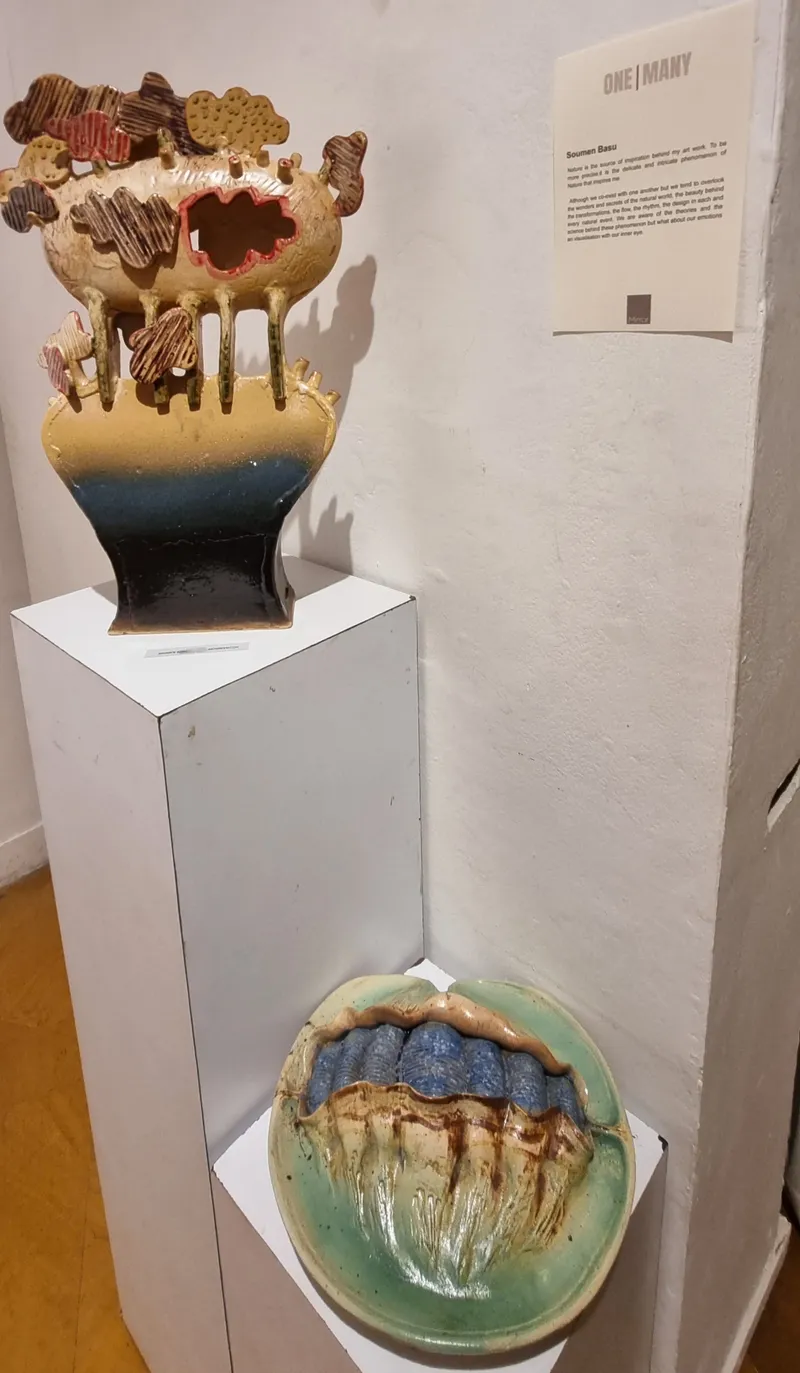
A curator connects artworks to history, culture, social issues, artistic movements, and the artist's practice. This helps audiences discover deeper interpretations of diverse art works.
Furthermore, thoughtful placement, sequencing, lighting, labels, and spatial design influence how visitors move through the exhibition and engage with the displayed works. Such placements encourage dialogue and create opportunities for reflection and learning.
Over the years, Pabitra Pal and his artistic community have organised and participated in many exhibitions. “Our latest exhibition, ‘One | Many’, became our 28th group exhibition,” Pal tells YourStory, with pride.

When he moved from Kolkata to New Delhi in 2010, he joined the artistic collective called The Mirror Group. It was established in 2002 by Dev Dutta, Susnato Chatterjee, and other artists.
The present group, some of whose artworks are showcased here, includes Dev Dutta, Debangsu Biswas, Susnato Chatterjee, Titas Das, and Soumen Basu. “We have known each other for more than 25 years, and our friendship has grown alongside our artistic practices,” Pal affirms.
“We regularly invite other artists to join us, share ideas, and celebrate the continuing journey. For us, the group is a space for friendship, discussion, exchange, and artistic growth,” he adds.
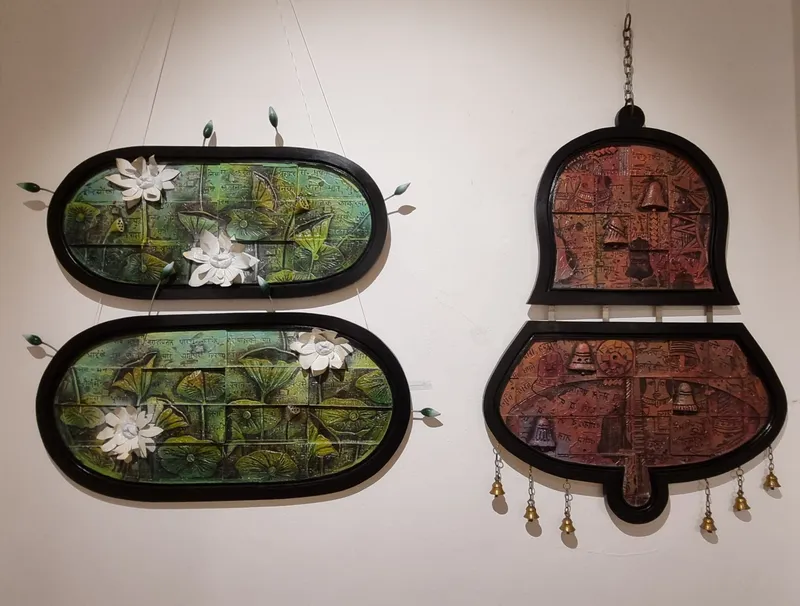
Curators thus build artistic and cultural value by bringing to the fore new artists and challenging established conventions. But all this is easier said than done.
Exhibition curators can face challenges in balancing artistic quality, diversity, theme, and the overall story without overcrowding the exhibition. Managing limited funds, gallery dimensions, transportation, insurance, installation, and deadlines are other tasks to manage.
From an audience point of view, the exhibition should be accessible to different levels of knowledge – while also preserving artistic depth and complexity. Curators need to be conscious of avoiding tokenism while addressing cultural sensitivities.
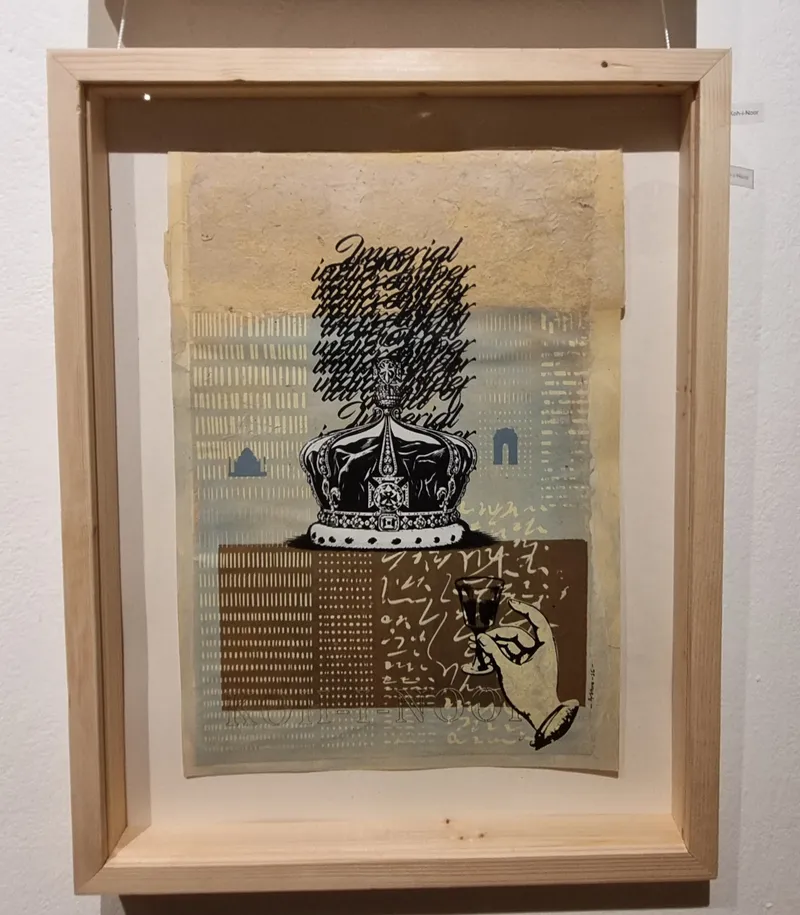

Curators therefore need to begin by defining the central question or theme, and mapping out what the exhibition wants visitors to think, feel or discover. In addition to quality and relevance of the individual artworks, relationships between the exhibits also need to enabled.
The exhibition space should support the art rather than compete or interfere with it. Varied interpretive materials will be needed, which can involve testing and experimentation with audiences from different backgrounds.
Observing visitor responses and reflecting on their feedback helps reveal insights for future exhibitions. A great exhibition is thus more than a collection of artworks – it is a carefully constructed conversation between art, artist, space, and audience.
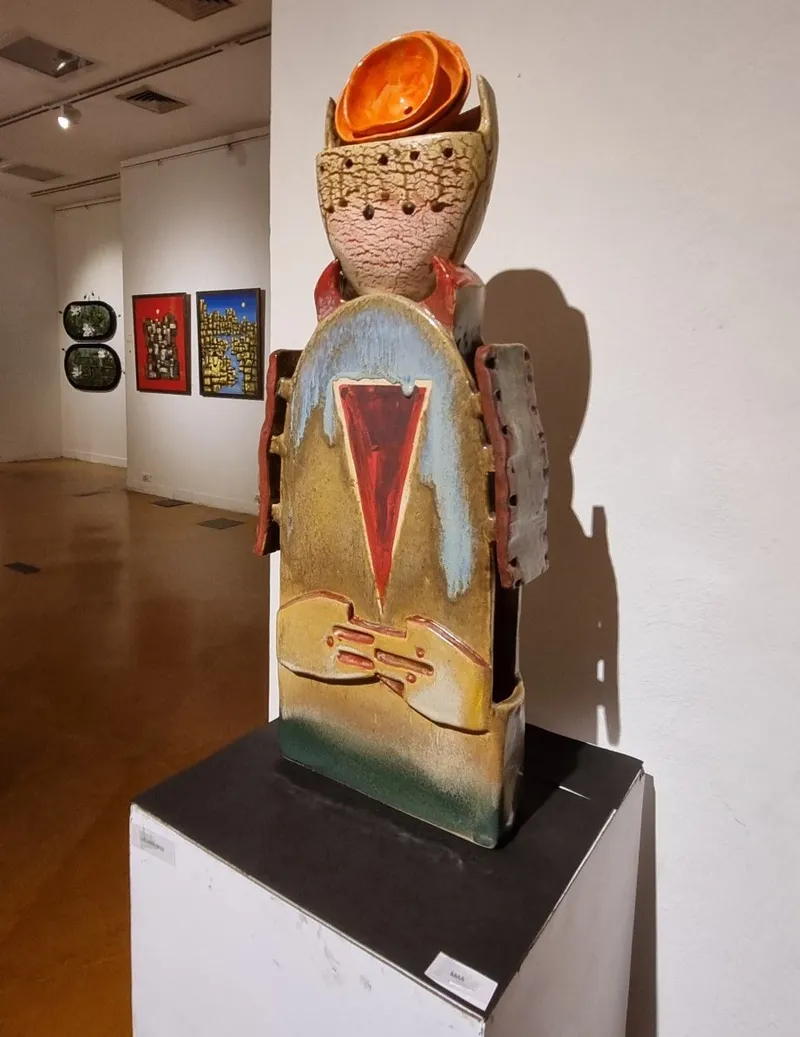
Curator Pal’s own artistic journey began at the age of 12. “I grew up near Kolkata, West Bengal, where village and city life came together. This early experience created a strong connection between myself, nature and everyday life,” he recalls.
He later moved to Santiniketan to study at Kala Bhavana, Visva Bharati University. “Being surrounded by artists, teachers and scholars gave me the opportunity to exchange ideas, observe different artistic practices, and develop my own way of seeing,” he explains.
“My practice has developed through drawing, printmaking, painting, and three-dimensional work. I regularly experiment with different materials and techniques, but I view the medium as mainly a tool to express an idea,” Pal affirms.
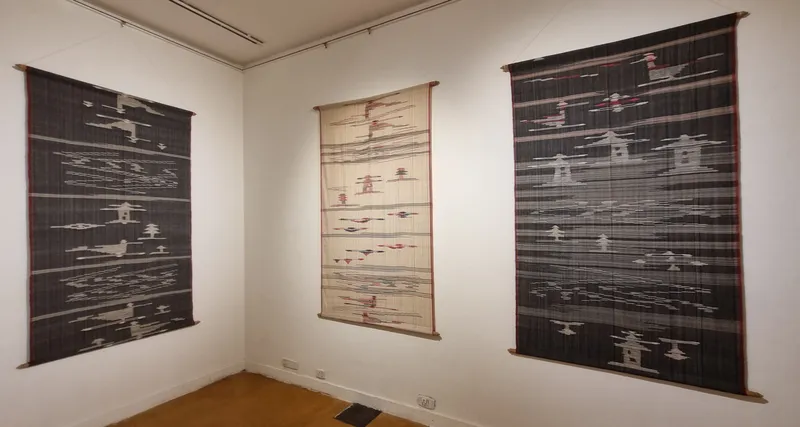

His artworks connect memory, nature, everyday experience, and dreams. “Over the years, travelling and living in different places in India has also influenced my artistic thinking. My interactions and discussions with other artists have helped me continue my research and develop my practice,” he adds.
Pal has participated in more than 35 exhibitions in India and overseas, and won a string of awards. “I work as an art educator and teach visual arts through the IB curriculum. Teaching, research, observation, and making art continue to influence one another in my journey,” he explains.
“For me, making art is an ongoing process of looking, experimenting, questioning, and discovering. Each artwork develops through this process, where the material, image, memory, and idea gradually come together,” Pal signs off.
Now what have you done today to pause in your busy schedule and harness your creative side for a better world?
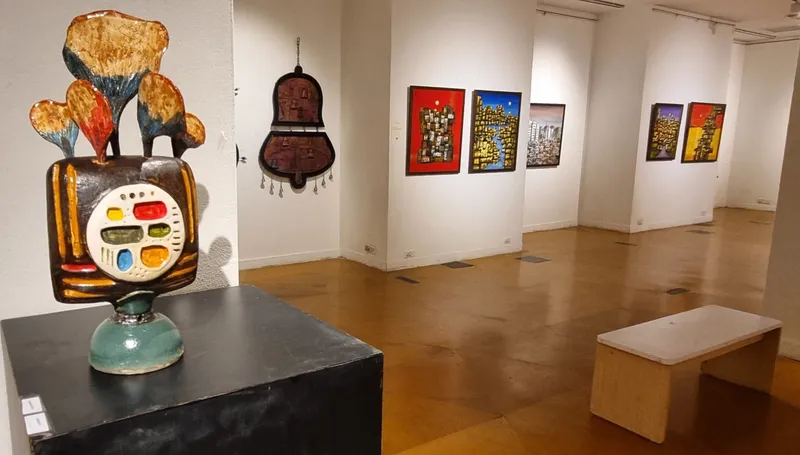
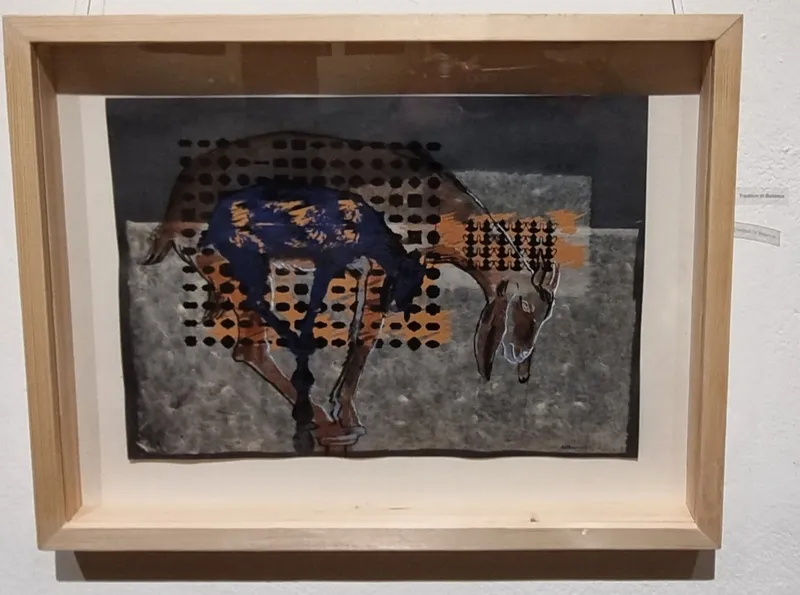
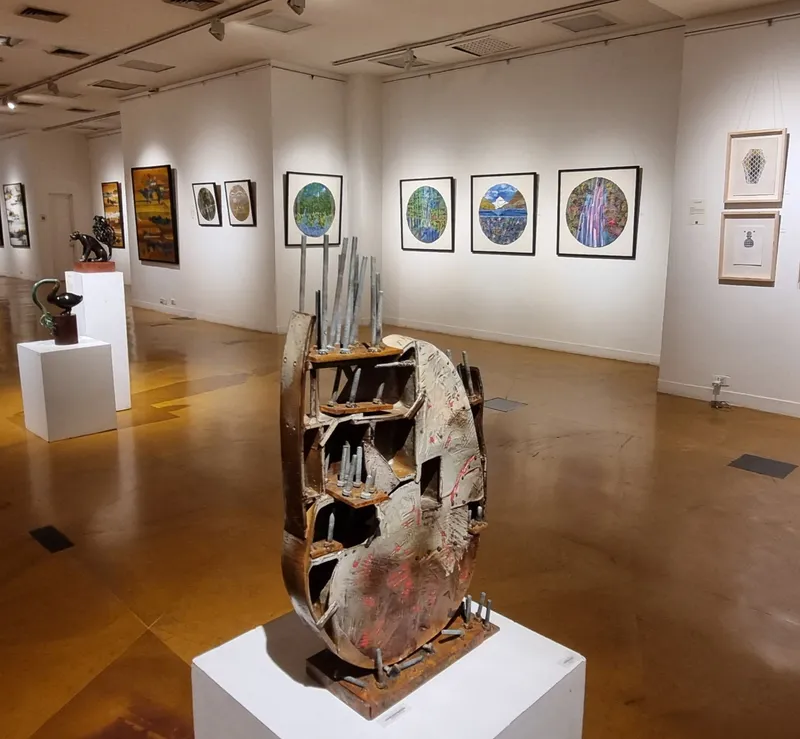
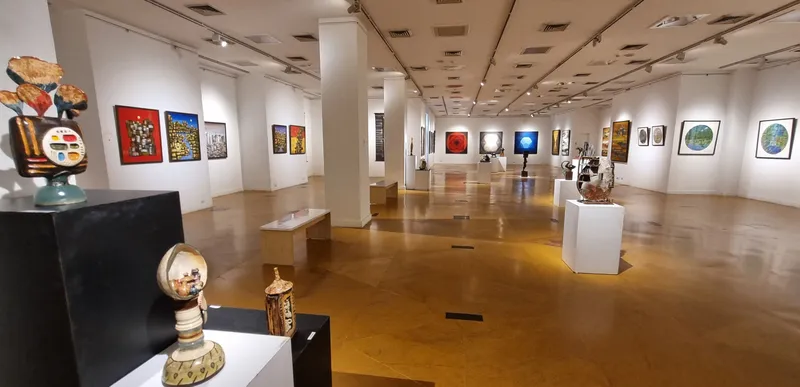
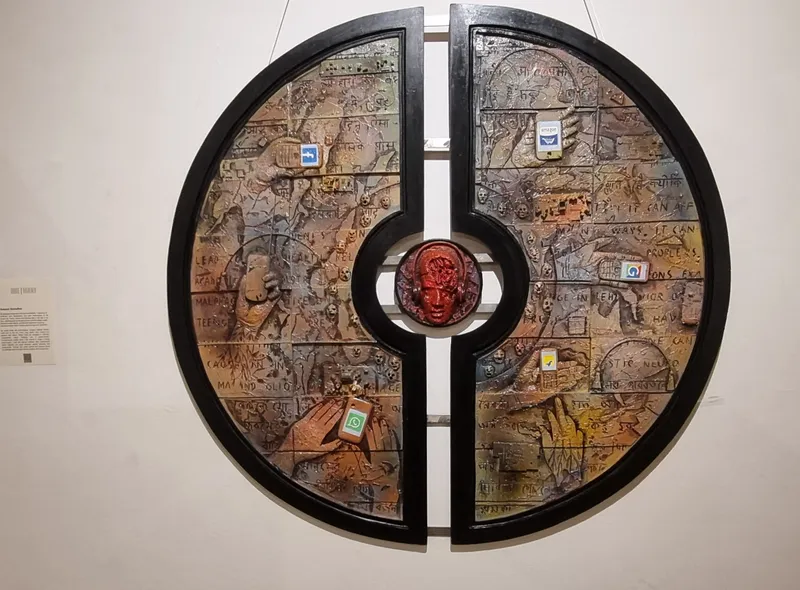
(All photographs taken by Madanmohan Rao on location at IHC.)