



Design with purpose: How Jaipur’s Saraswati Rugs places Indian craft on the global map
In this photo essay, we showcase the phases of rug making from Saraswati Rugs in Jaipur, along with leader insights.


Launched in 2014, PhotoSparks is a weekly feature from YourStory, with photographs that celebrate the spirit of creativity and innovation. In the earlier 1,020 posts, we featured an art festival, cartoon gallery. world music festival, telecom expo, millets fair, climate change expo, wildlife conference, startup festival, Diwali rangoli, and jazz festival.
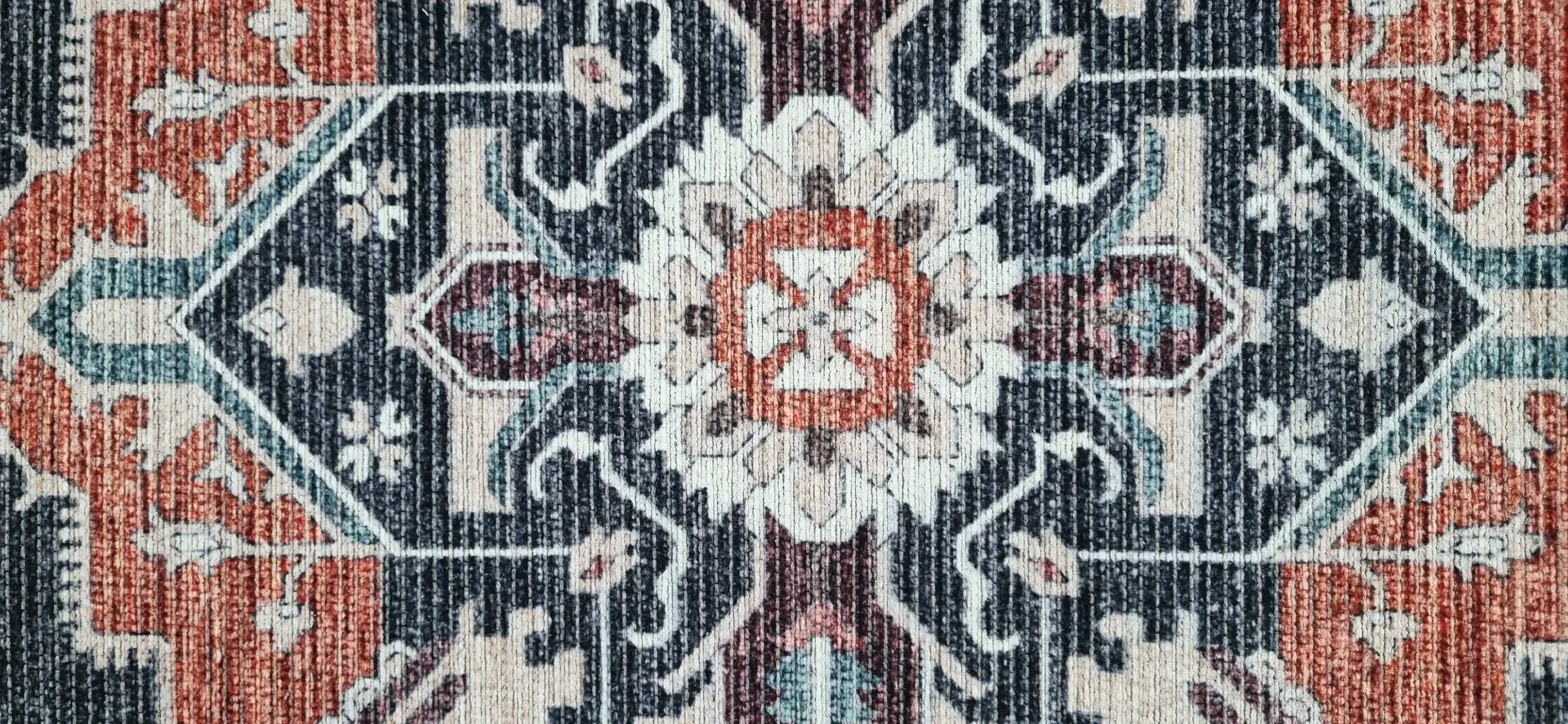
Rural communities of India possess a wealth of talent in art and handicrafts, which is increasingly drawing accolades from around the world in products like rugs. Creating hand-knotted rugs calls for an extraordinary blend of skill, patience and discipline.
Each knot is carefully tied by hand, requiring high precision and concentration. Such techniques, passed down through generations, bring warmth, beauty and character to every rug created.
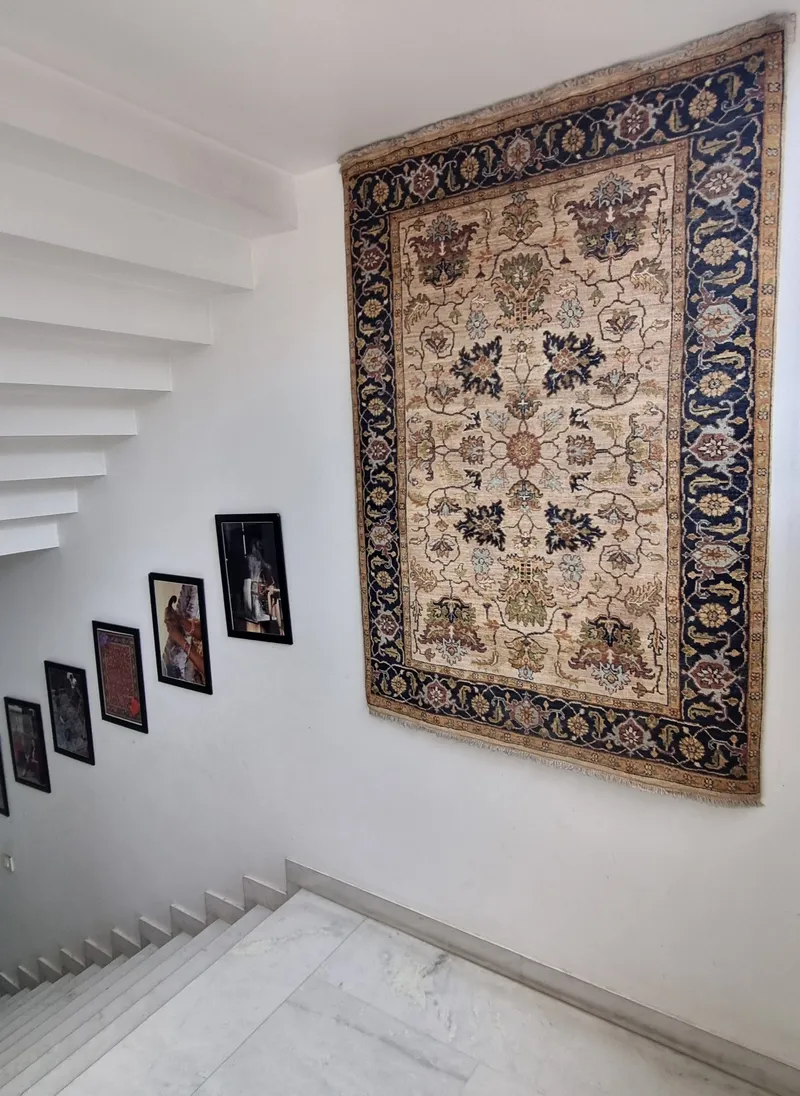
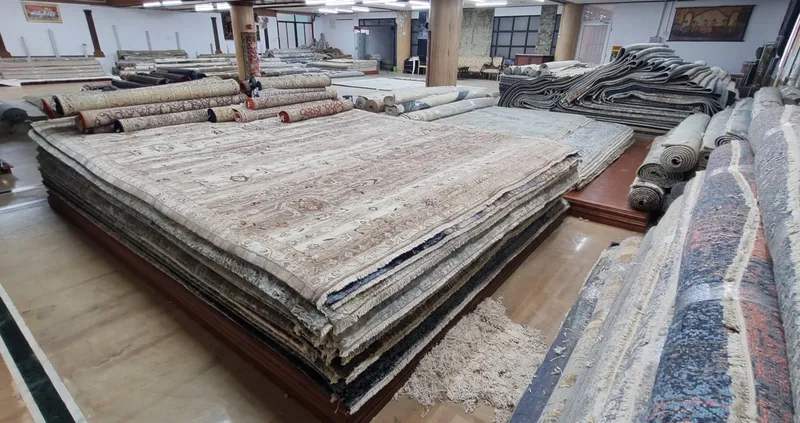
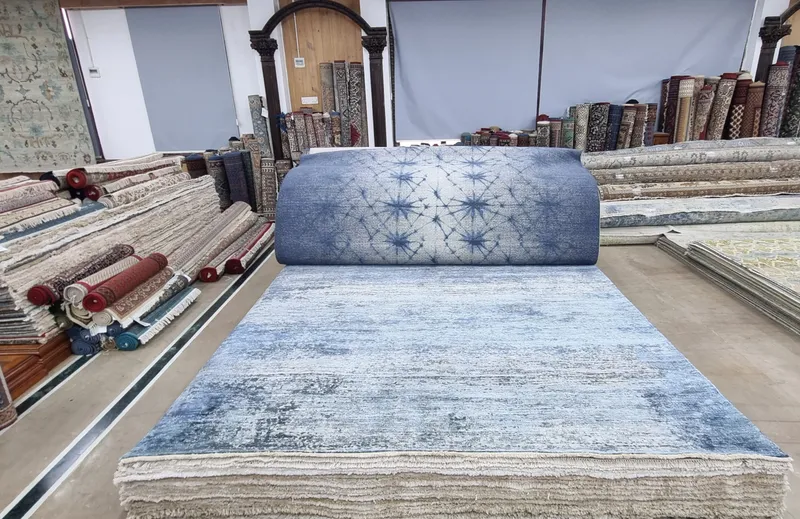
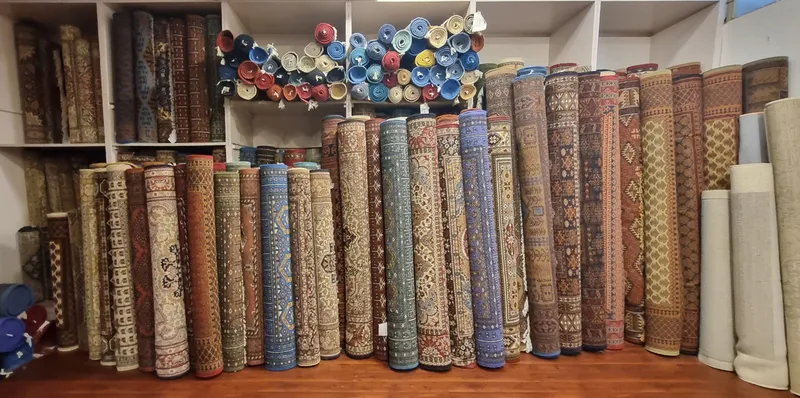
As shown in this photo essay from the design centres, factories and showrooms of Saraswati Rugs in Jaipur, Indian weavers can turn simple materials into breathtaking designs. See our related photo essays on design at Jodhpur’s Basant furniture and Orange Tree here.
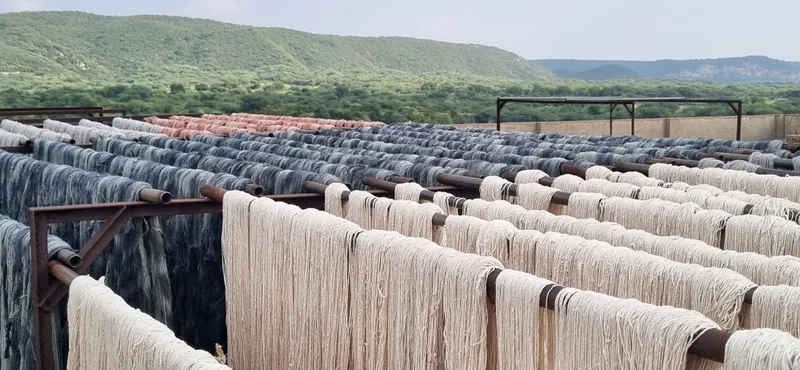
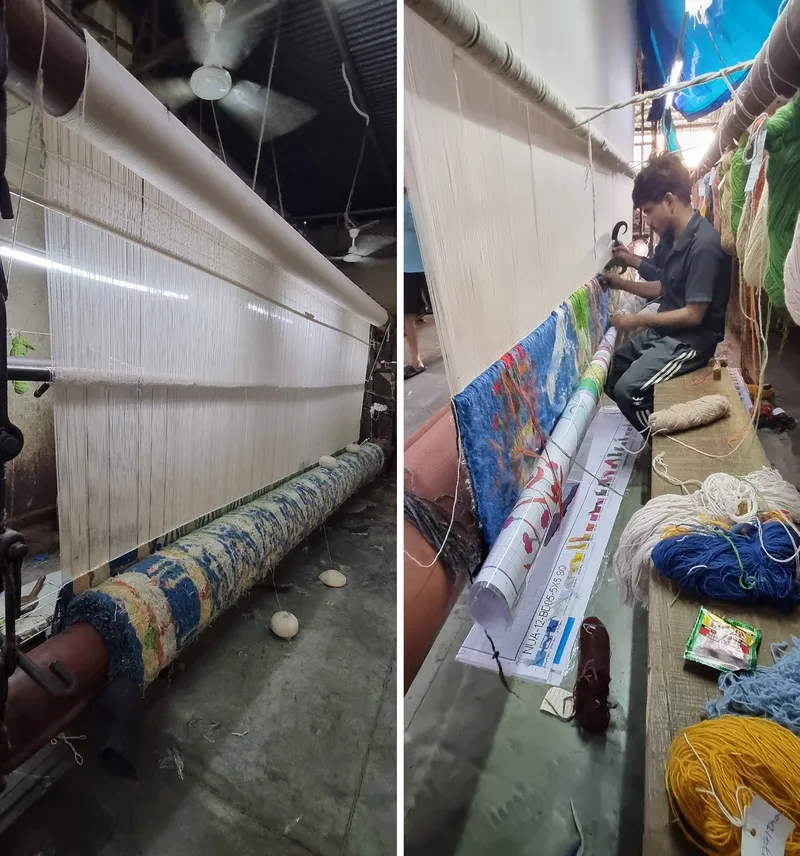
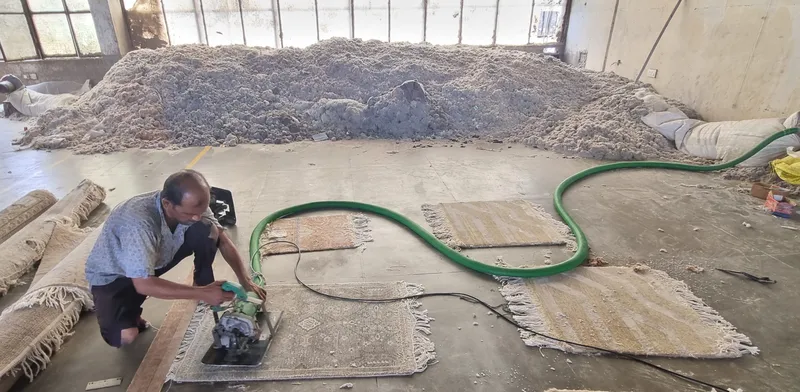
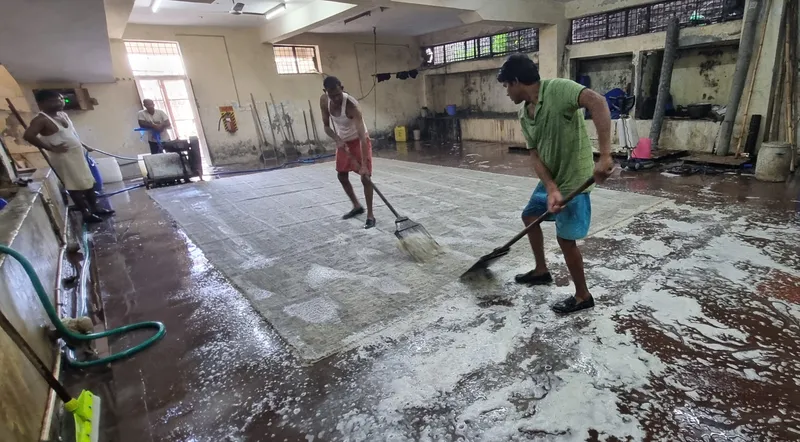
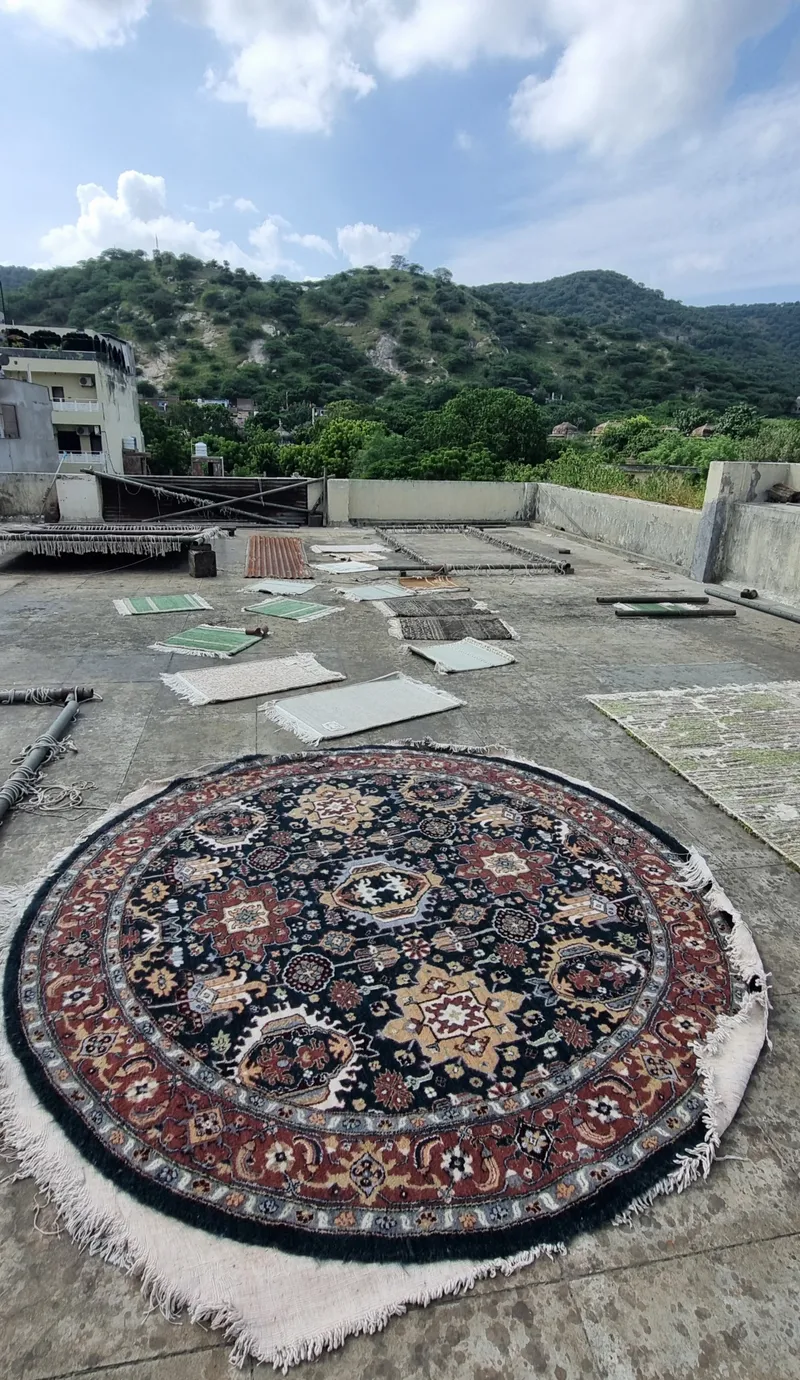
The rug’s journey spans sourcing of material, design creation, dyeing of yarn, setting up of the loom, knotting and weaving, trimming, washing, drying, and final inspection. A single rug can take weeks, months or even longer to complete.
Indian hand-knotted rugs are more than decorative pieces; they are a celebration of the remarkable human hands and hearts behind them. Every rug tells a story through its colours, shapes and motifs, with high attention to detail.

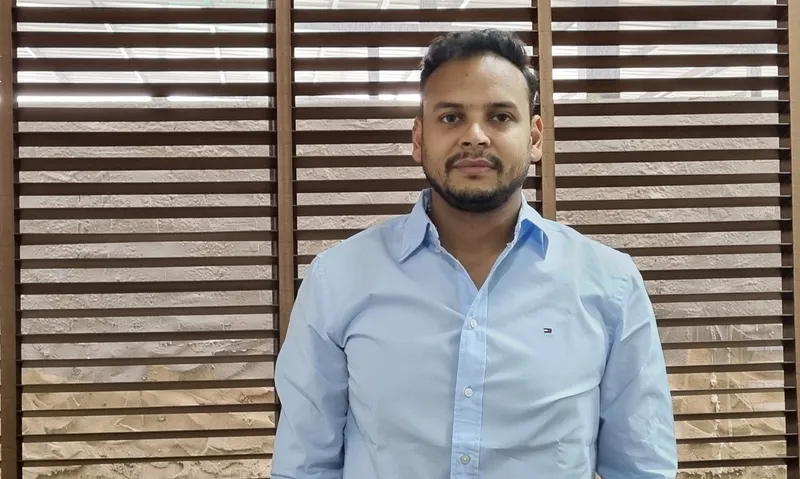
“Saraswati Rugs was started way back in 1978 by my father, Mahesh Choudhary. He basically took Rs 10,000 from his own father to launch the business in Churu, Rajasthan,” Raj Choudhary, Director of Saraswati Rugs, tells YourStory.
Mahesh Choudhary then moved to Jaipur to start the export business, with Atlanta becoming the US base under the name Amer Rugs. The founding belief was that the beauty and skill of Indian rug making deserved to be seen around the world.
“The name Saraswati was chosen for the company because that is my grandmother’s name. It is in her name also that we launched the Saraswati Foundation in 2012 for CSR activities,” Raj Choudhary adds.
He studied at Delhi Public School in Jaipur, and has a BBA from Georgia State University in Atlanta. He joined his father’s company in 2011.
“The biggest market for us is the US, but we also export to Russia, Turkey, Europe, and east Asia. To target the growing domestic market, we have opened stores in New Delhi and Mumbai. Other cities could follow, such as Bengaluru, Hyderabad or Kolkata,” he explains.
Since 1978, the world has changed a lot. “But our respect for craftsmanship remains constant. We create a balance between heritage and innovation, between tradition and a global perspective,” he affirms.

The company works directly with B2B partners such as architects, interior designers, and hospitality firms. “We have around 400 employees, and also work with contractors and other weavers,” he says.
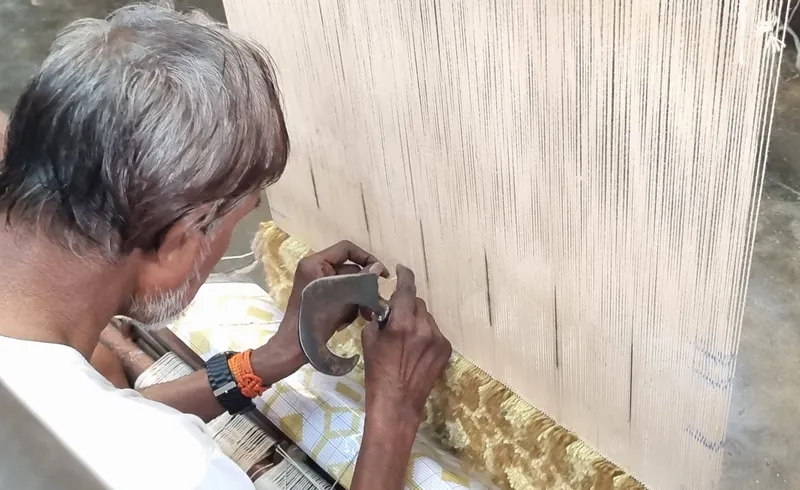
“Most of our rugs are still made by hand, and a rug can go through 150 hands or more in the different phases. Sometimes, up to five people work on a loom, and some of the larger rugs can take four to five months to finish, or even longer,” Choudhary describes.
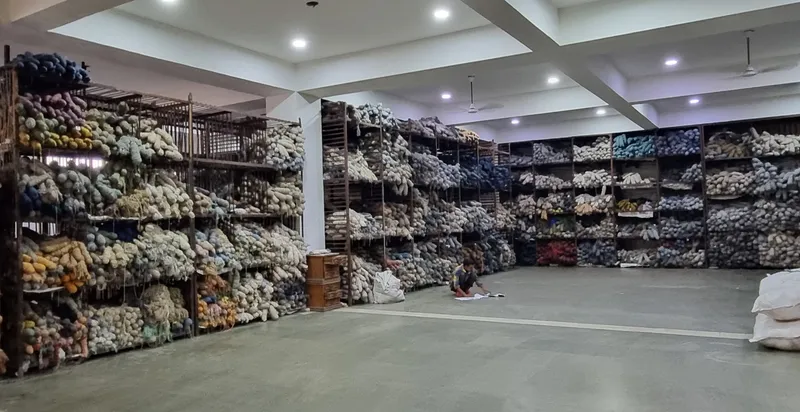
Wool is sourced locally or from countries like New Zealand. “After that, everything is done in-house, here in Jaipur or our other centres like the spinning plant in Bikaner,” he says.
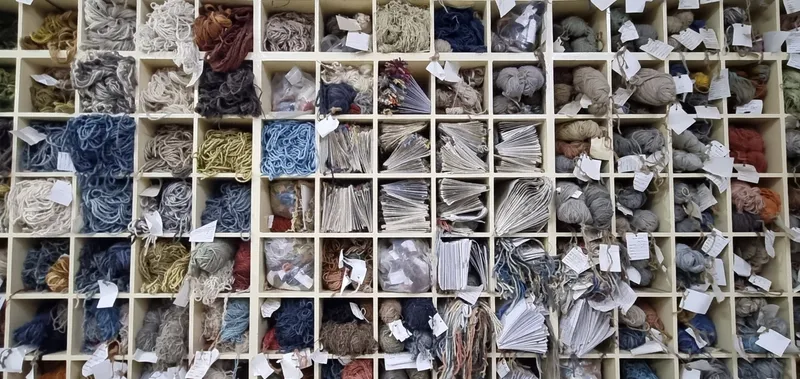
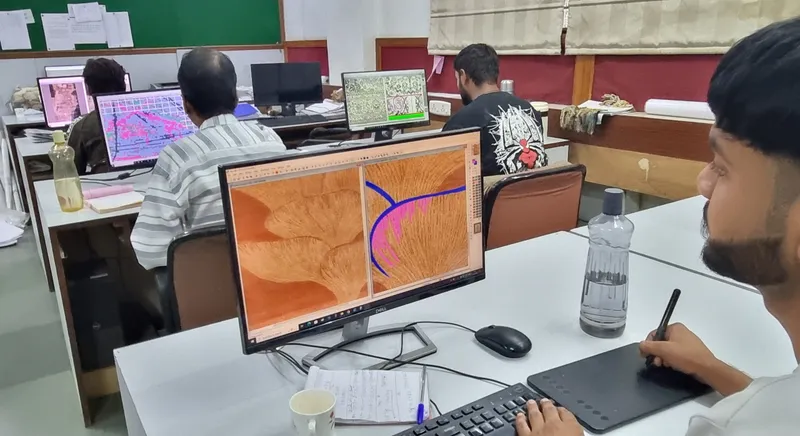
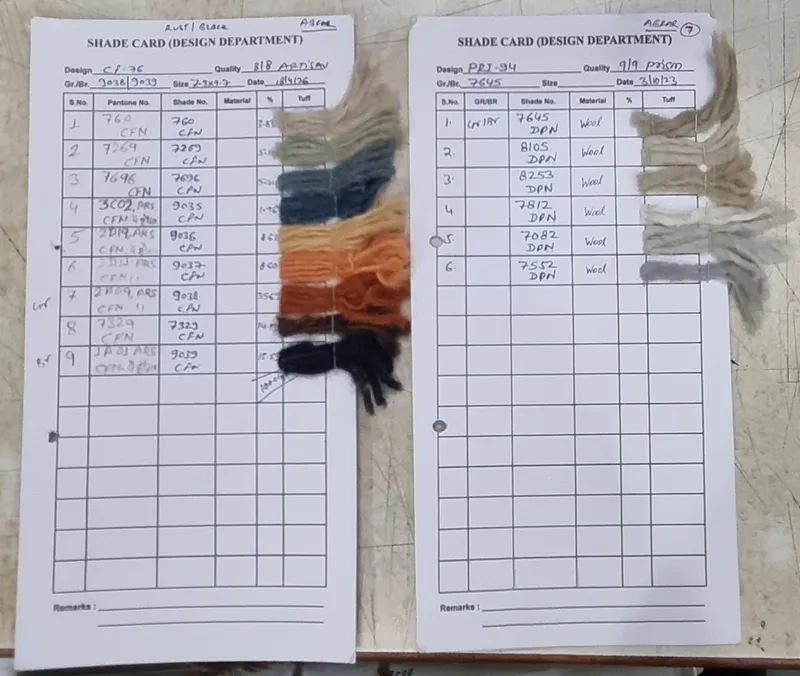
“We make our own yarn, which then goes to our dyeing unit. Weaving is specified with different measures like knots per square inch. Our designers use CAD software for creating the actual size map for each rug,” he explains.
This is followed by printing and laminating, so that the map does not tear with rough conditions. “The rugs are made with wool, silk, cotton, or viscose. The sweet spot of pricing is around USD10-USD14 per square foot, but higher levels of intricacy command higher prices,” Choudhary says.
“We work across hand-knotted, hand-tufted, and powerloom rugs. Our bespoke atelier offers customised dimensions, tailored palettes, and original design development. We believe that true luxury is created slowly,” he adds.

Hand-knotted rugs rank among the most precious and costly rugs around the world, with discerning customers choosing them to express their appreciation for art. A well-made rug can become part of a home for generations, and is often matched carefully with paintings and furniture.
Saraswati Rugs has won a number of international awards for its designs as well, such as America's Dream Carpet. “In addition to awards, the biggest joys come from getting to learn something new each day,” he says.
“There are so many people involved at every stage in this industry, so you have to be a people person and learn from others. Coming up with new designs and getting fresh insights from customers also gives great satisfaction,” he enthuses.
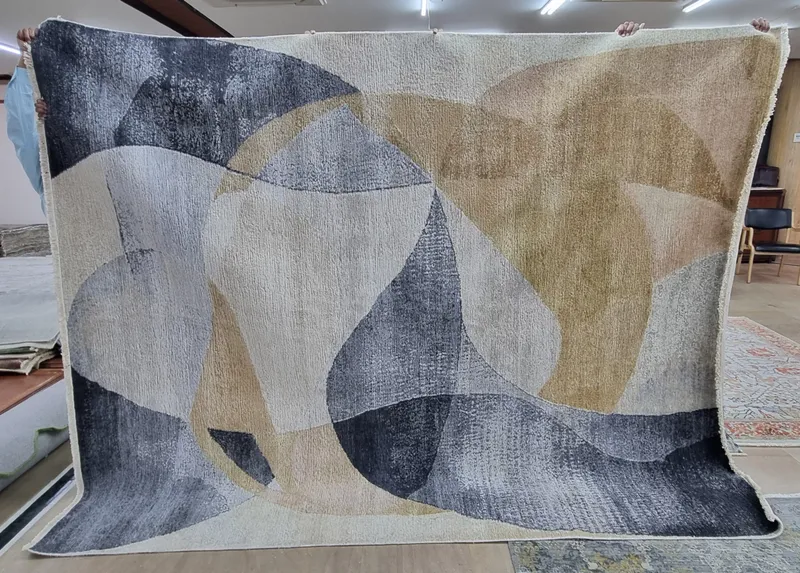
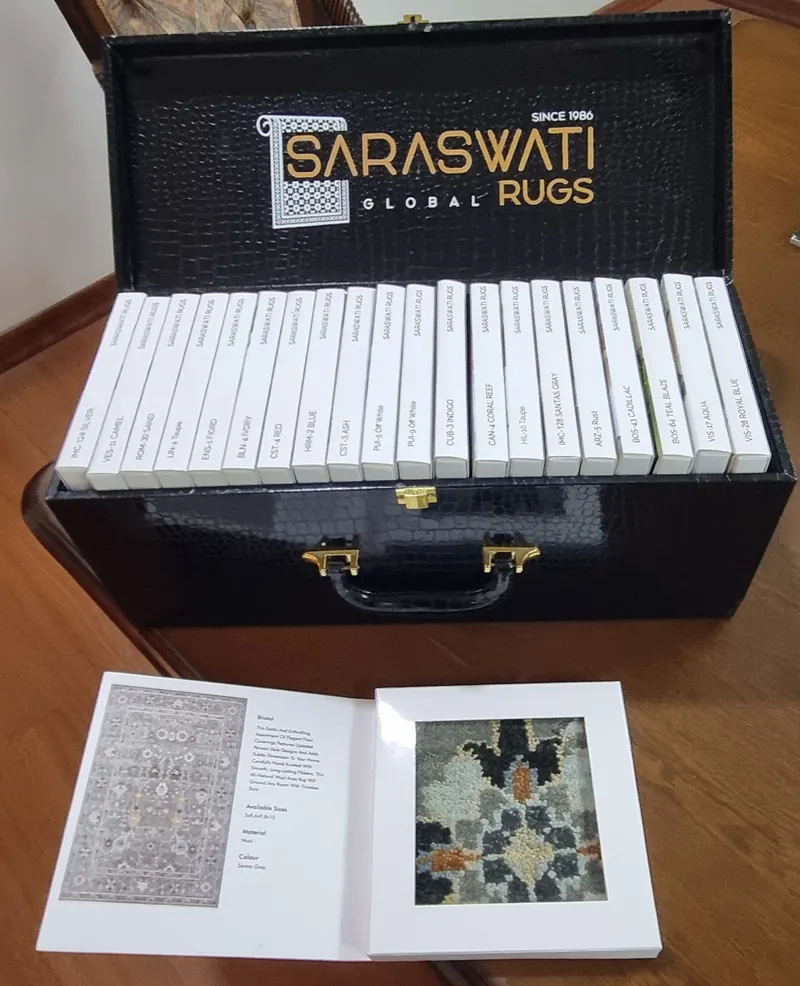
The company’s rugs come in a diverse range of styles, with names such as jharokha, cosmos, gemstone, lily-ponds, dazzle, mahal, Milano, pearl, Arabe, glamour, majestic, Cubism, and castle.
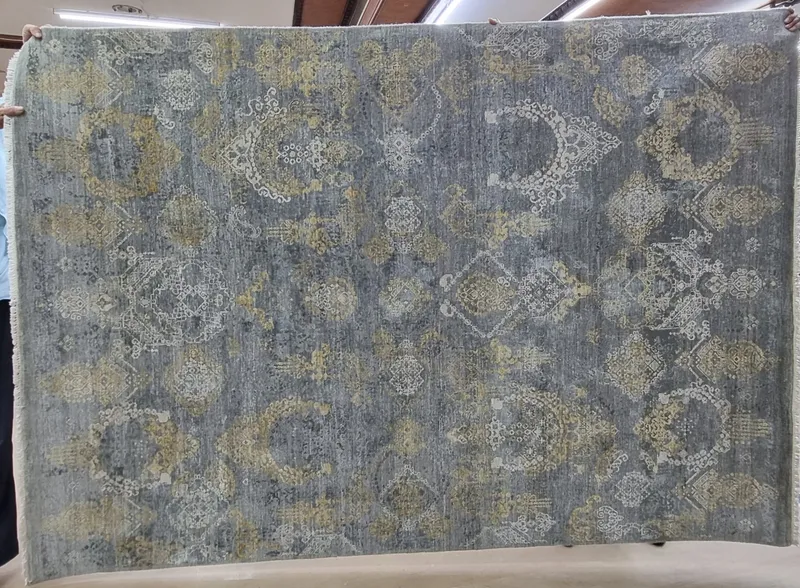
Hand-knotted rugs are regarded as genuine and unique pieces of art. Other types of rugs are hand-tufted, hand-woven, and flat-weave. Saraswati Rugs offers seven designs of rugs: classic, traditional, transitional, geometric, modern, abstract, and textured.
Its customers across India and 60 other countries include hotels like Radisson Blu, Golden Tulip, Olive Tree, and Park Plaza. PVR Cinemas in Bengaluru and Mumbai are also their clients.
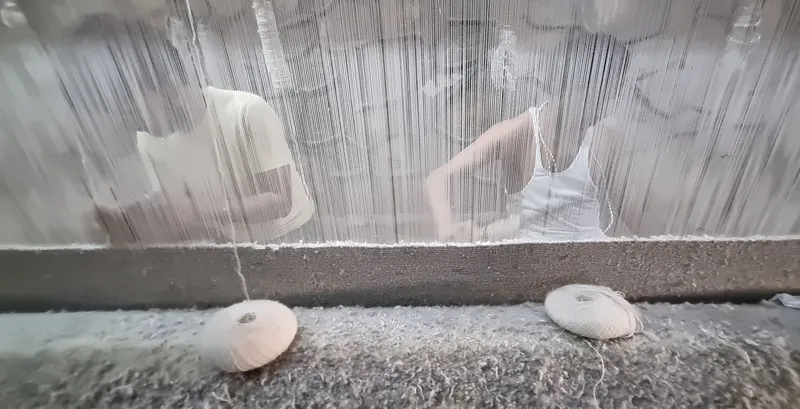

The rug industry has evolved over the years in a number of ways in terms of technology and customer expectations. “Rugs have evolved beyond commodity – into fashion,” Choudhary says, pointing to business trends.
“Three years back, greys and blues were popular as colours, now different shades of green are in demand. We see burgundy as an upcoming colour, and traditional designs are making a comeback as well,” he says.
Most of the rug tufting is done by hand, or with small ‘handgun’ machines. “Countries like China are making forays in robot tufting as well,” he observes.
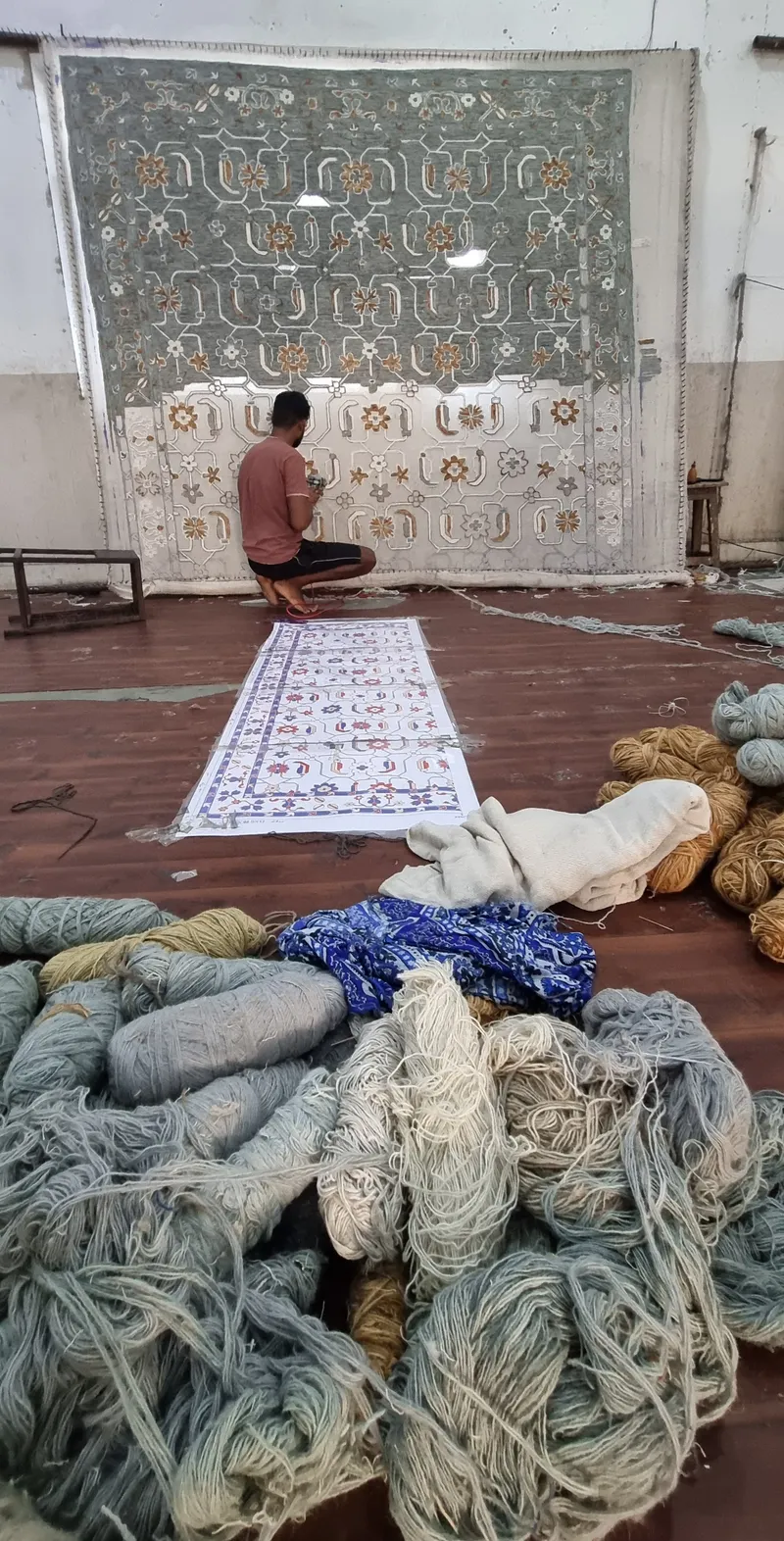
As a director, his hours of work can be long, especially when dealing with the US market and its different time zones. “I also travel abroad every four or five months. It helps in understanding the changing cultures and aesthetics as well as emerging trends in the industry,” Choudhary says.
“Our biggest learning comes from our customers. They are our biggest teachers. We have to always be empathetic to them and anticipate their needs,” he affirms.
The Saraswati Foundation’s community initiatives include providing food packets for the needy, delivered to hospitals or to weaver villages. “We also host a free eye camp in Churu for checkups, eyeglass prescriptions, and cataract surgeries,” Choudhary says.
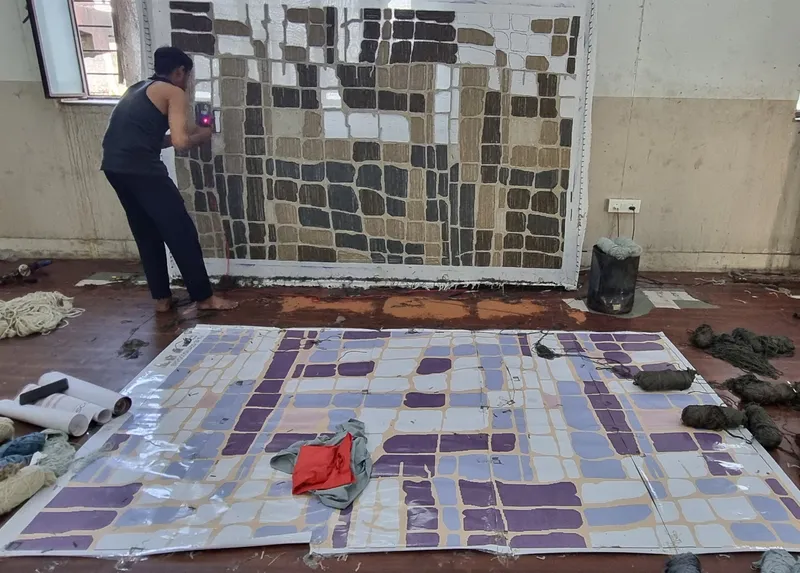

The company’s Niwala Collection consists of specially-created handcrafted rugs. Five percent of the net sales from these rugs goes back to providing food support for local communities.
Saraswati Rugs has also launched ‘textile tourism’ with travel agencies to show visitors what the weaving industry really looks like. “When people come to buy from us, it is directly from a factory-owned shop, which is a very different experience from buying at a mall,” he describes.
“Our rural weavers are mostly women. The work is a form of empowerment since they can earn a livelihood while being rooted in their family environments. We also have weaving centres in villages where groups of five to 20 women can work together,” he says.
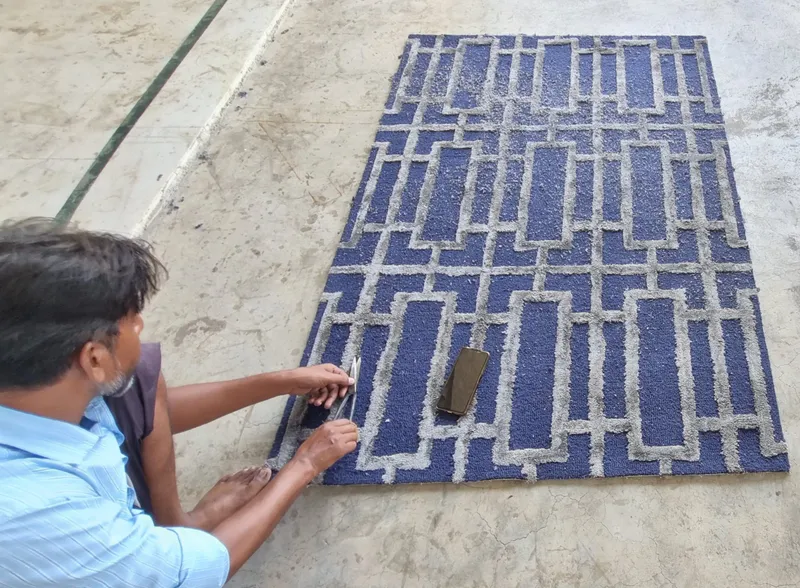
Challenges faced in the rugs industry include declining pools of talent. Many children of weavers want to work in other industries.
For those who aspire to get into the rugs business, Choudhary points to a range of opportunities. Activities like dyeing call for expertise in chemical and textile engineering.
Design is an exciting frontier. “New generations are discovering handmade rugs in different ways,” he says.
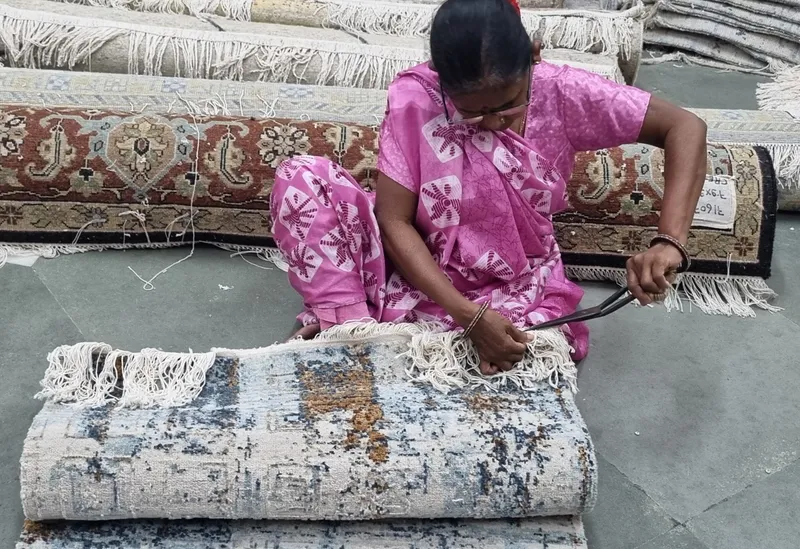

“You can conceptualise anything and put it on a rug – even artwork or what you see in dreams. You can add different kinds of finishing also to a rug, such as matte or shiny, as we do with our cars. It is fascinating to learn from the market in terms of customisation projects,” he says.
“We also work with fashion and textile universities for student internship opportunities It is important to preserve, revive and promote our traditional crafts and skills. This calls for social commitment to our communities,” Choudhary signs off.
Now what have you done today to pause in your busy schedule and harness your creative side for a better world?
Raj Choudhary
(All photographs taken by Madanmohan Rao on location in Jaipur.)