



Mother, motherhood, Mother Nature: unifying connections at National Gallery of Modern Art
In this photo essay, we showcase creative highlights from exhibitions at Bengaluru’s National Gallery of Modern Art.


Launched in 2014, PhotoSparks is a weekly feature from YourStory, with photographs that celebrate the spirit of creativity and innovation. In the earlier 1,020 posts, we featured an art festival, cartoon gallery. world music festival, telecom expo, millets fair, climate change expo, wildlife conference, startup festival, Diwali rangoli, and jazz festival.
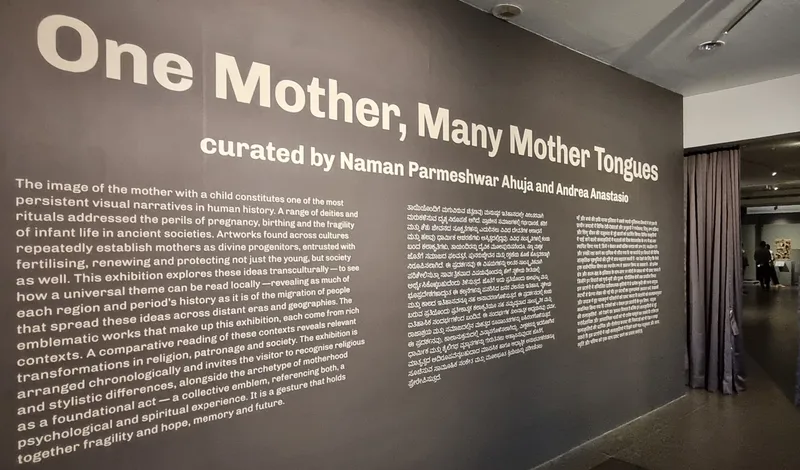
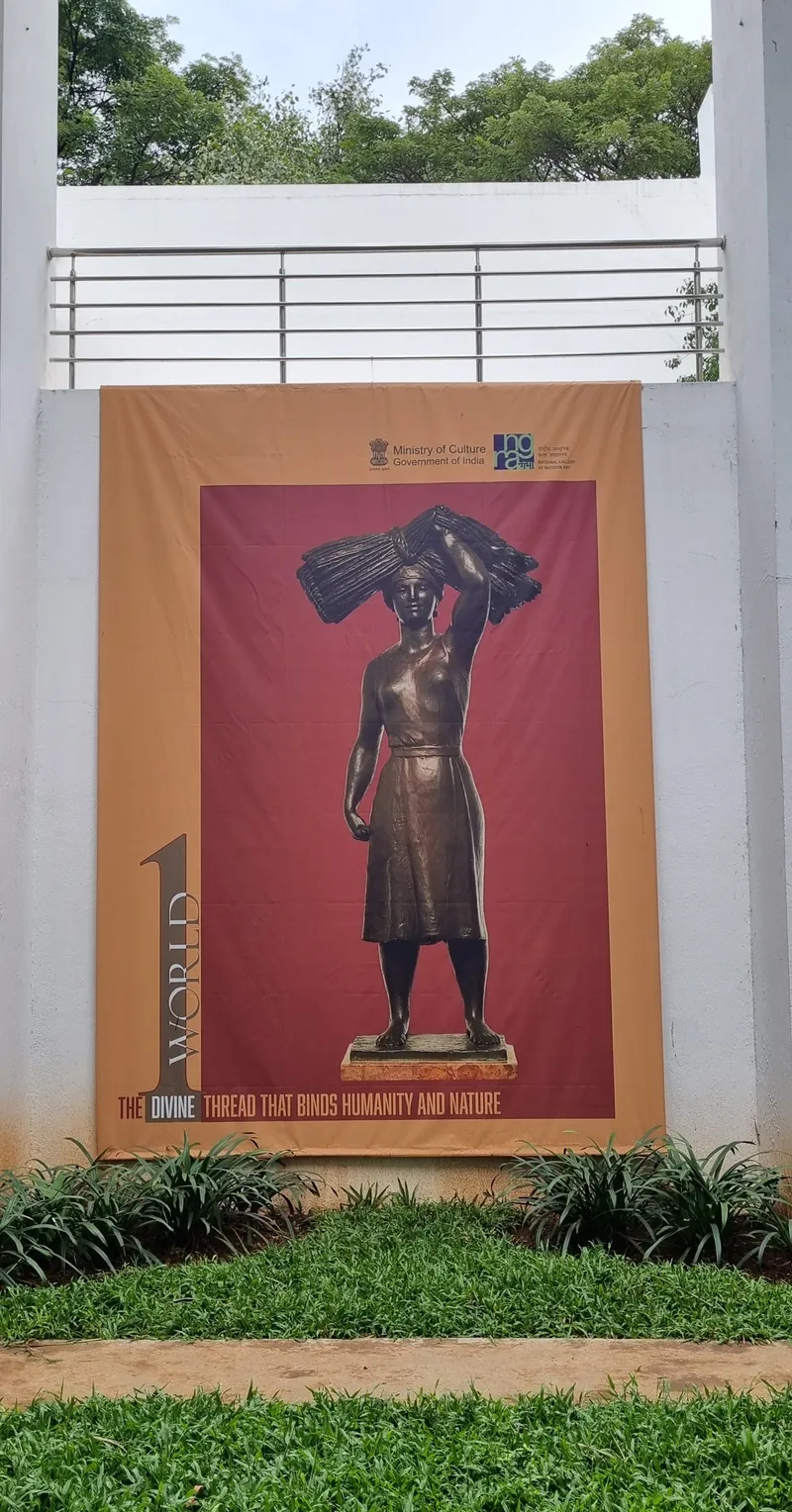
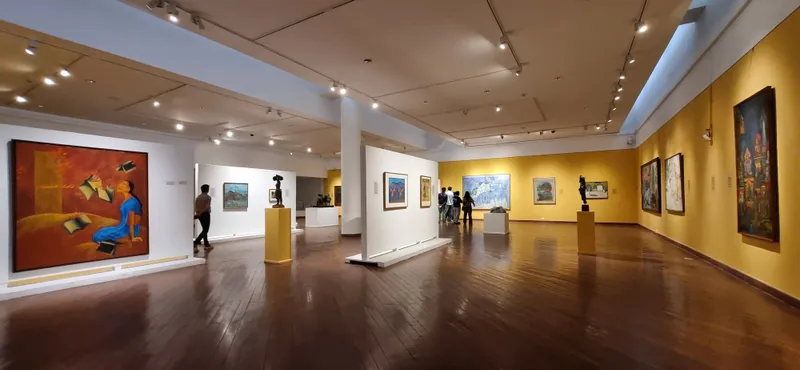
Bengaluru’s National Gallery of Modern Art (NGMA) is hosting two outstanding exhibitions this month: One Mother, Many Mother Tongues and One World: The Divine Thread That Binds Humanity and Nature. See our earlier photo essays from this popular cultural hub here.
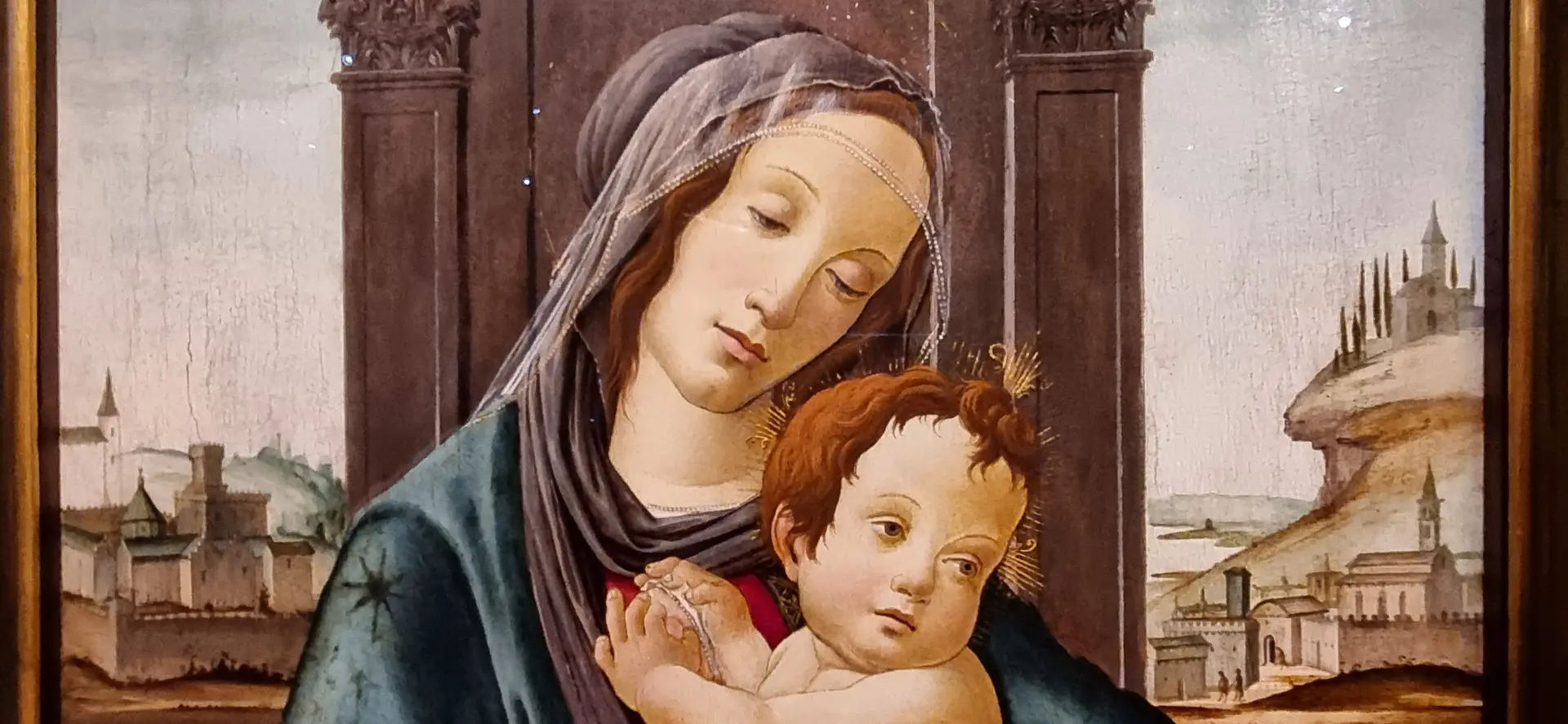
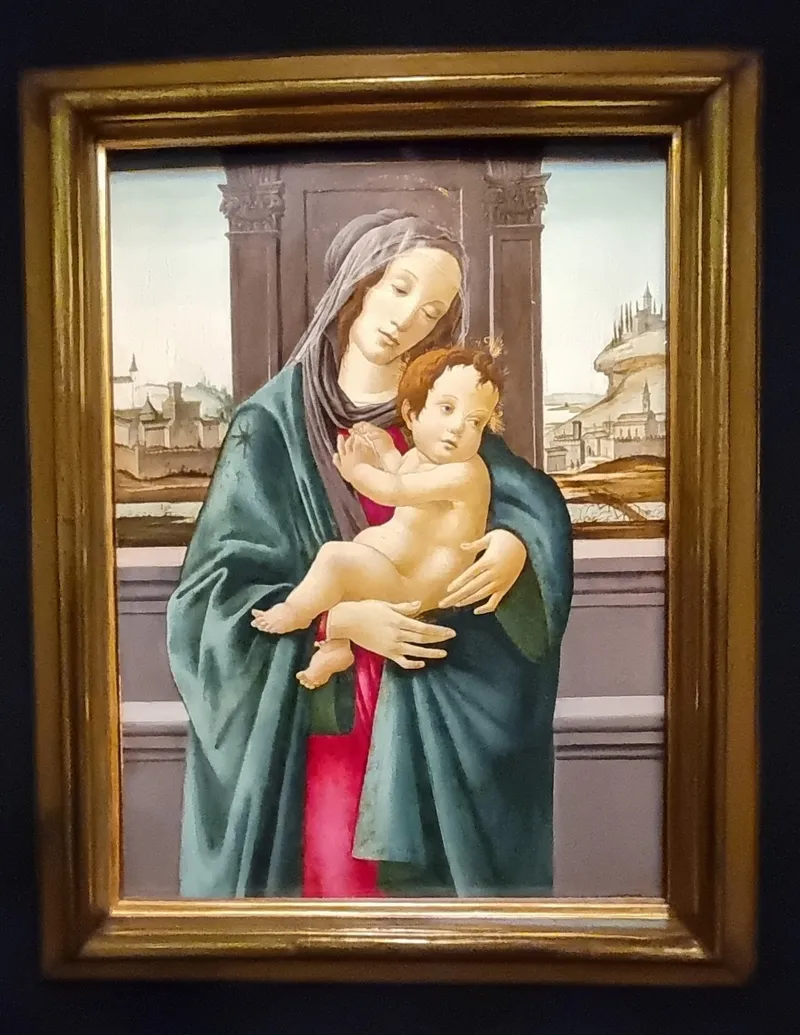
The first exhibition features an original work by Italian Renaissance master Sandro Botticelli. The painting has been brought to India for the first time for exhibitions at NGM New Delhi and Bengaluru.
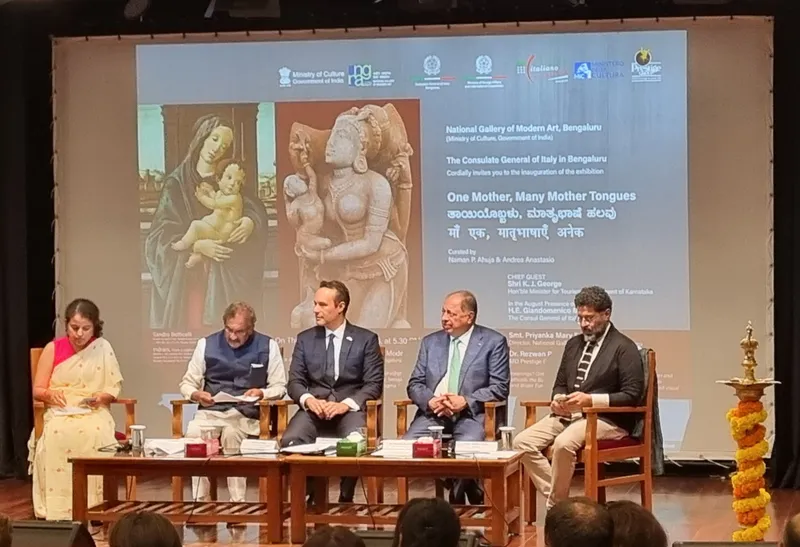
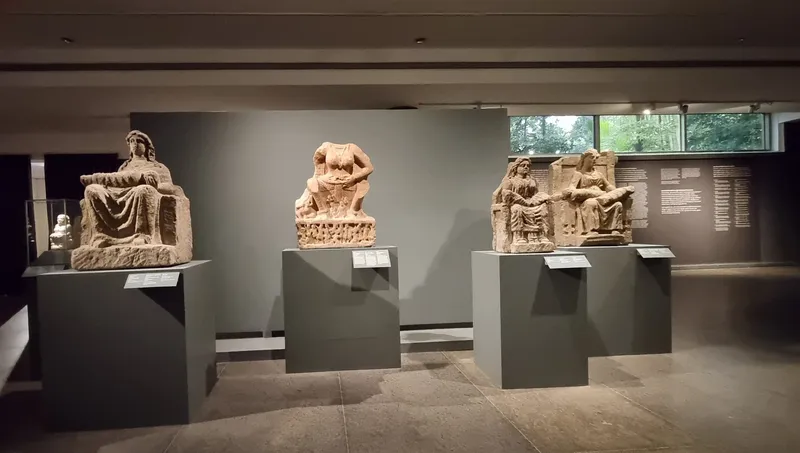
In a unique and thought-provoking intercultural dialogue, the exhibition also includes ancient Etruscan civilisation sculptures of Italy and exceptional Indian sacred artworks. Collectively, they show how the universal idea of motherhood finds expression across diverse cultures, histories and artistic traditions.
The exhibition is curated by Naman Parmeshwar Ahuja and Andrea Anastasio. The highlights, some of which are featured in this photo essay, include Sandro Botticelli’s oil painting Madonna and Child, painted around 1490. Other works are Mater Matuta, Hariti, Skandamata, and Chamunda.
The Indo-Italian exhibition is a collaboration with the Consulate General of Italy in Bengaluru and the Ministry of Culture, Government of India. It invites viewers to explore how very different societies can arrive at recurring visual ideas around motherhood, fertility, care, divinity, and the mother-child relationship.
The exhibition was inaugurated by KJ George, Minister for Energy and Tourism, Government of Karnataka; Giandomenico Milano, Consul General of Italy in Bengaluru; Rezwan Razack, Managing Director of Prestige Group; and Priyanka Mary Francis, NGMA Director.
Rezwan Razack is also regarded as the biggest collector of Indian paper money. His collection over five decades now has a permanent home in Bengaluru, with the launch of the Museum of Indian Paper Money (see our photo essay here).
Giandomenico Milano joined Italy’s foreign ministry in 2011, with diplomatic postings in Sri Lanka, Ethiopia and Indonesia. Incidentally, India and Italy will jointly observe the year 2027 as the Year of Culture and Tourism to strengthen and celebrate shared historical links between the two ancient civilisations.
Mary Francis has led curatorial work around NGMA exhibitions such as Srishti, celebrating eminent artist Pushpa Dravid, and Caravaggio: Magdalene in Ecstasy, featuring a major work by the Italian master. She has spearheaded cultural exchanges, public participation, and education initiatives to make art accessible to the broader public.
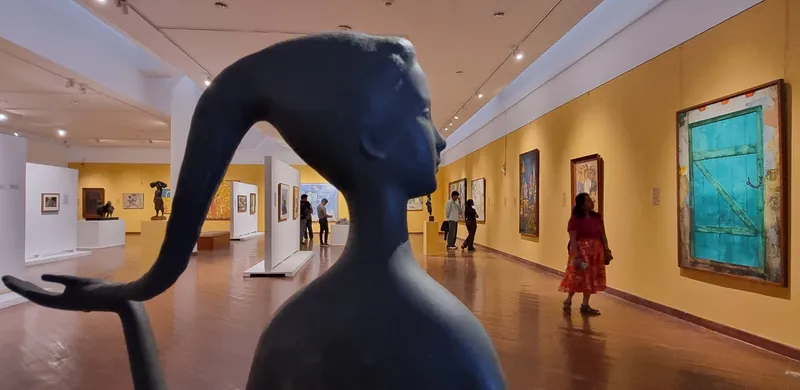
The co-curators of the current exhibition place Indian and Italian traditions side by side, rather than treating them as isolated art histories. As viewers move around the exhibition hall, they also move across centuries and artistic forms, and explore pathways between religious imagery, devotional practice and representations of the feminine.
The curatorial notes explain how the image of a mother with a child constitutes one of the most persistent visual narratives in human history. A range of deities and rituals have addressed the fragility of infant life in ancient societies.

Artworks found across cultures repeatedly establish mothers as divine progenitors, entrusted with protecting not just the young but society as well. This exhibition explores these ideas transculturally.
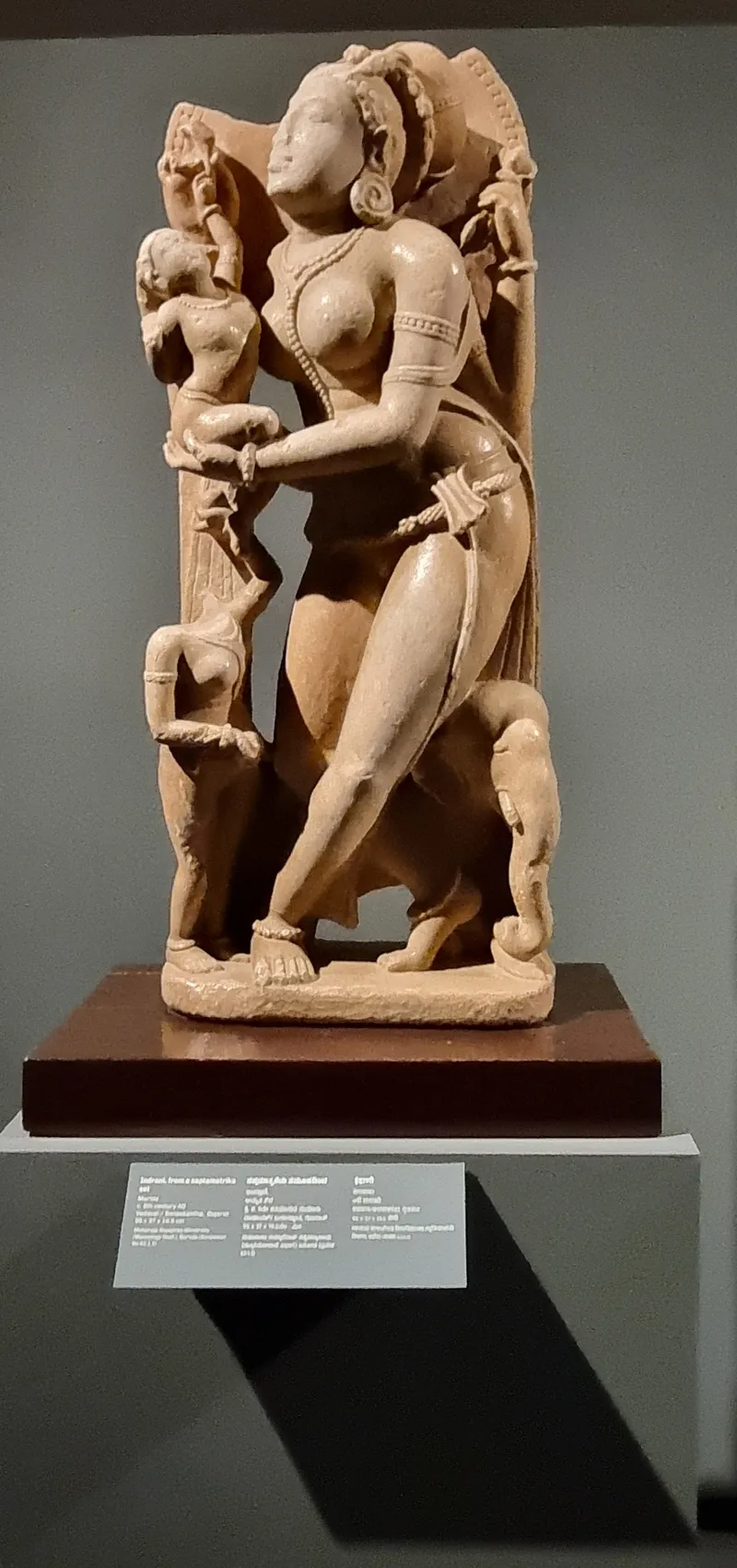
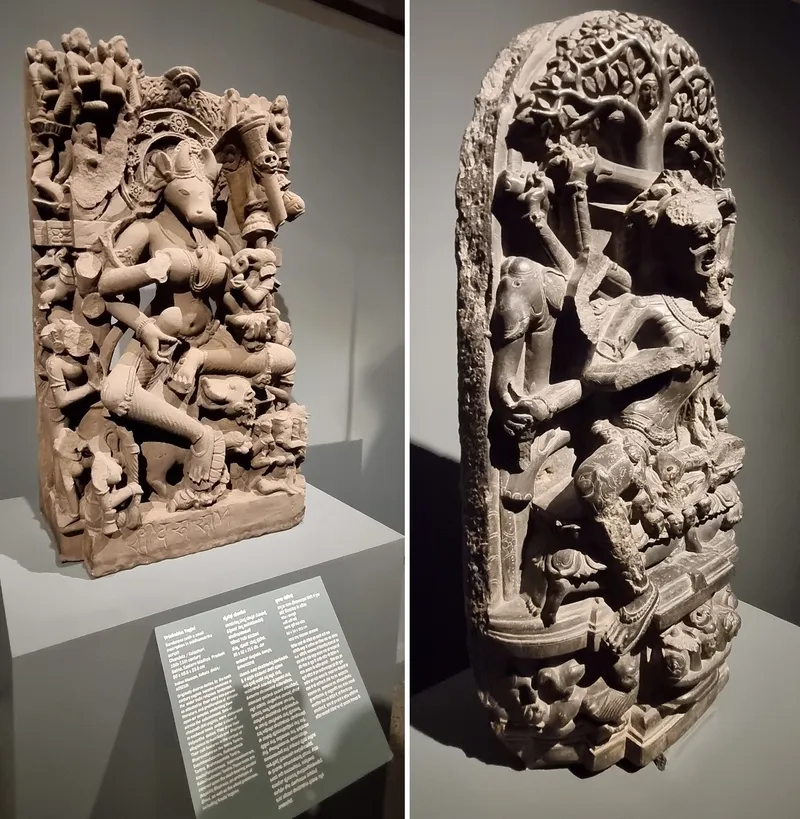
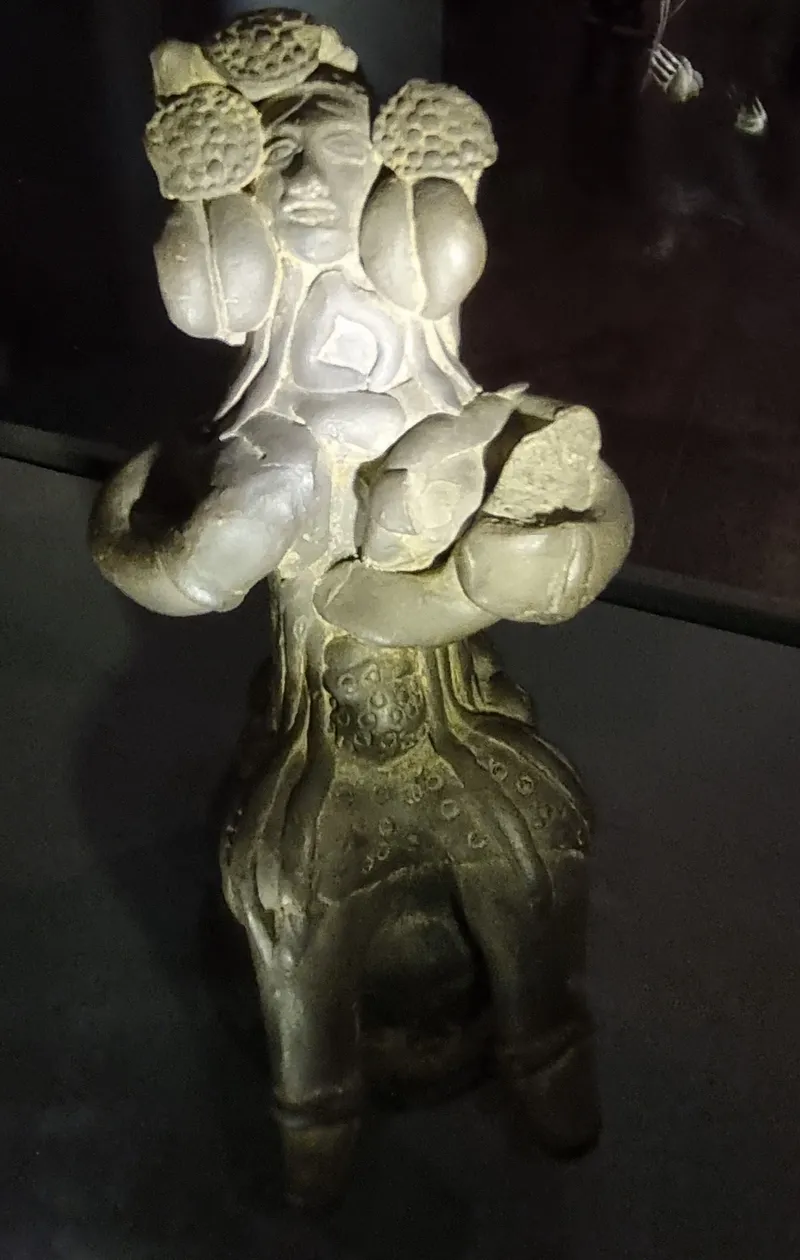
For example, Mater Matuta is an ancient Roman mother figure associated with motherhood and protection. Hariti is the Buddhist mother goddess figure, offering a different South Asian conception of fertility and maternal care. Indian matrikas, including figures such as Skandamata and Chamunda, explore these relationships via Indian traditions.
“While the title One Mother suggests a shared human archetype, Many Mother Tongues suggests that this archetype speaks through different visual and cultural languages,” curator Naman Ahuja explains.
He drew the audience’s attention to the linguistic similarities between the words mother, mata, madre, matrika, and matrix. Bringing out similarities and differences in artworks across cultures, the exhibition invites viewers to ask what happens when different traditions of motherhood are put into conversation with one another.
NGMA has arranged multilingual gallery walks for this exhibition in Hindi, Kannada, Marathi, and Malayalam. There are sessions on poetry, storytelling and clay workshops for children.
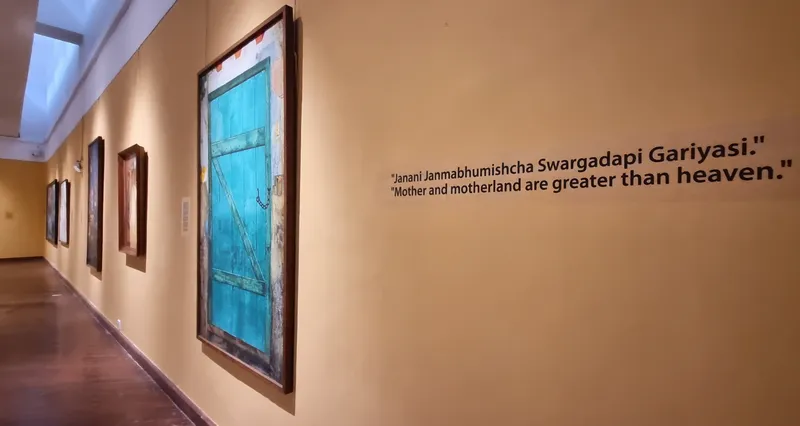
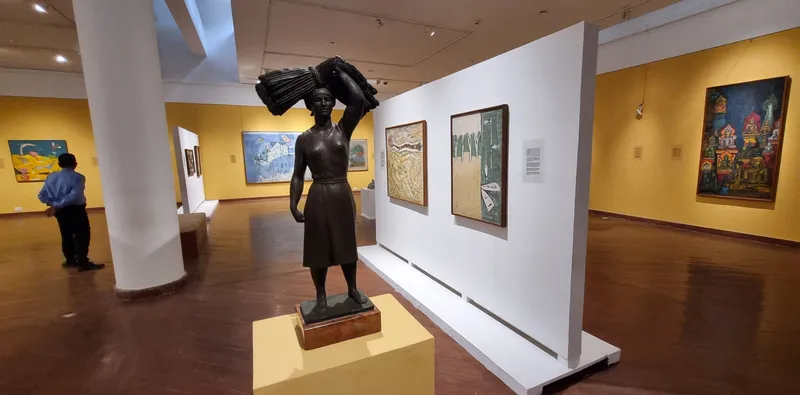
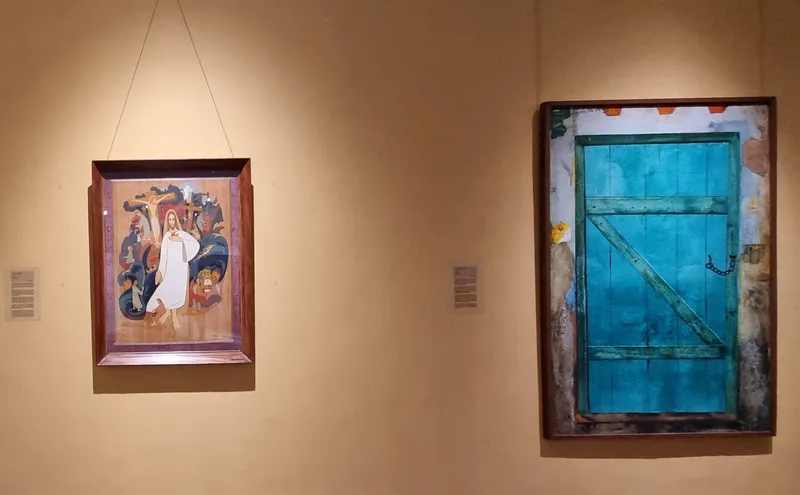
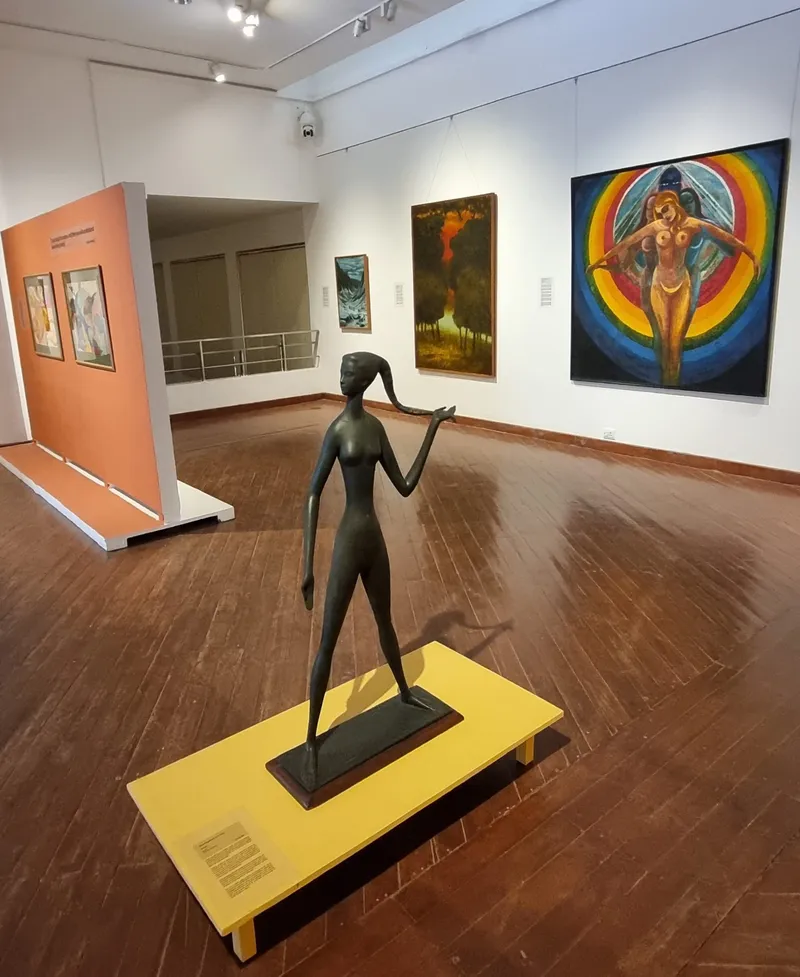
NGMA is also showcasing another large exhibition titled One World: The Divine Thread that Binds Humanity and Culture. Principles of motherhood and feminine energy also feature prominently in this exhibition.

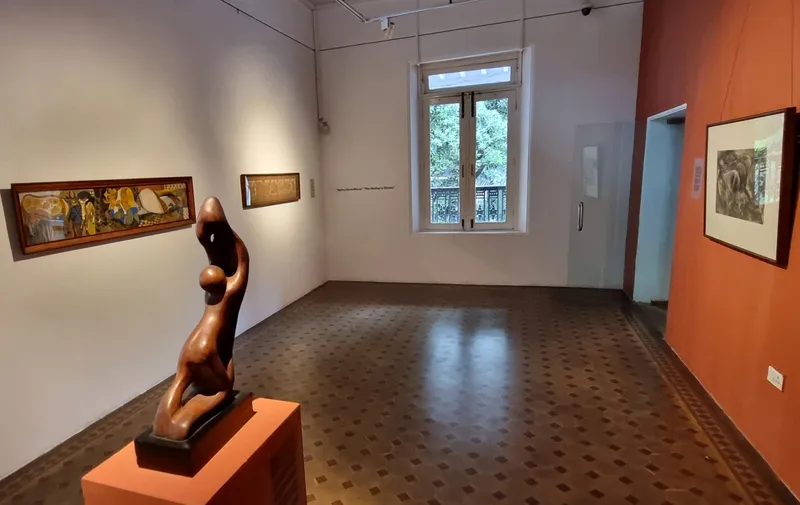
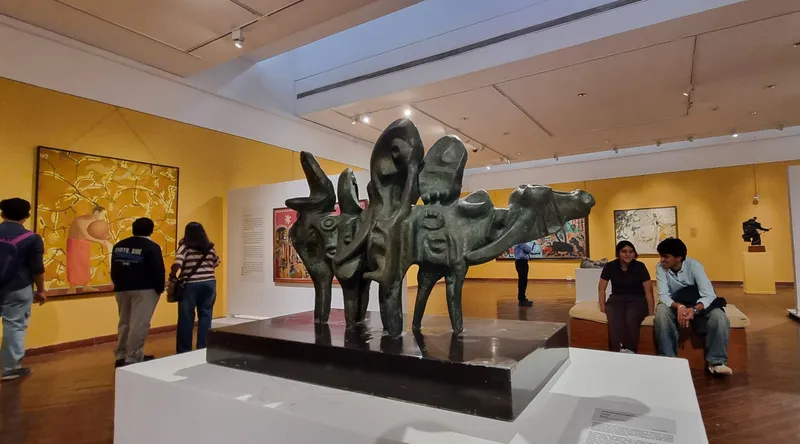
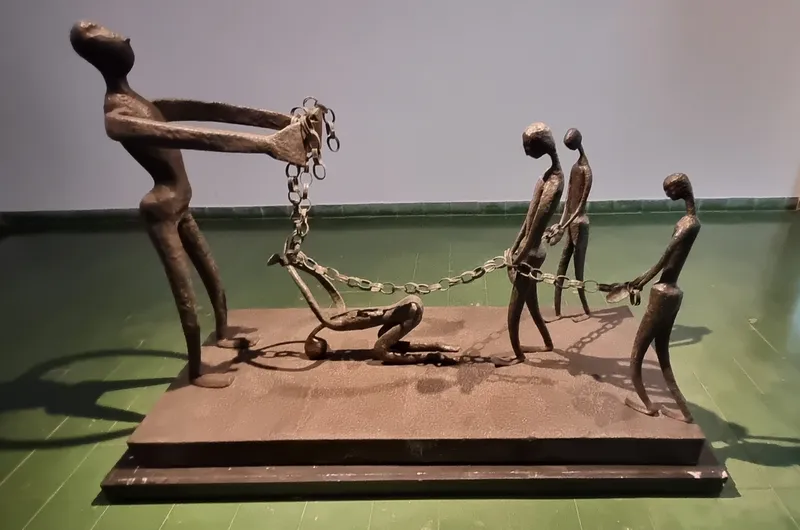
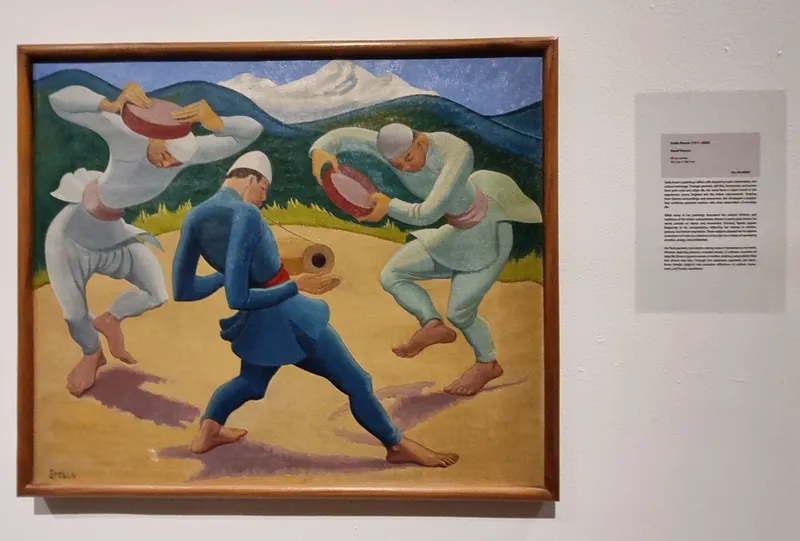
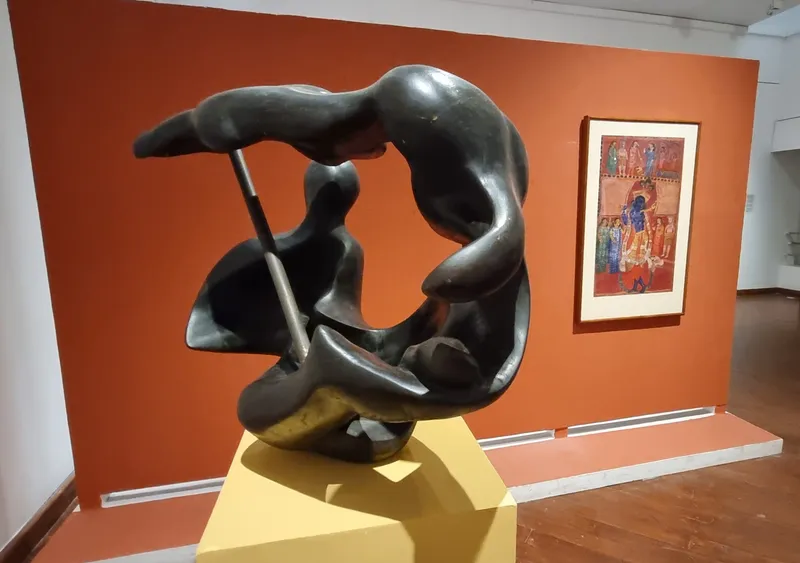
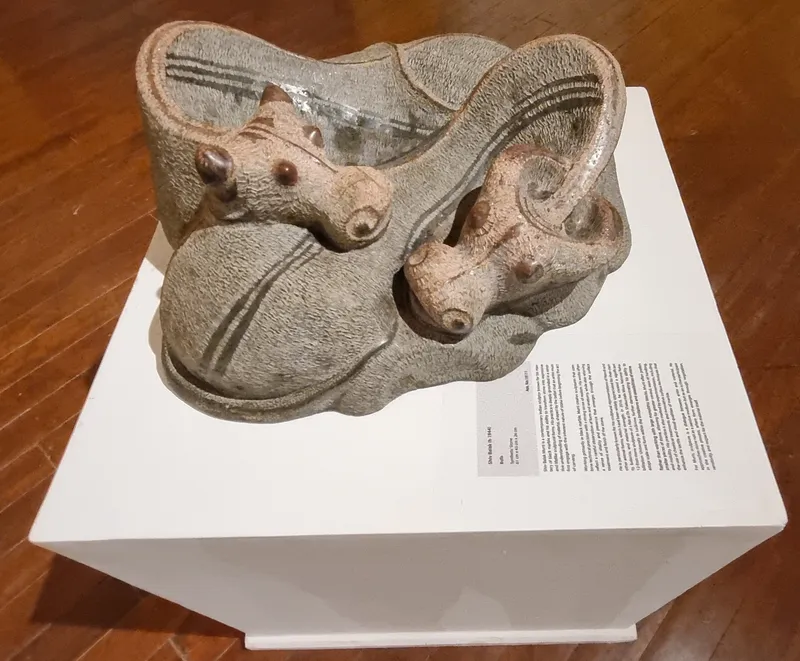
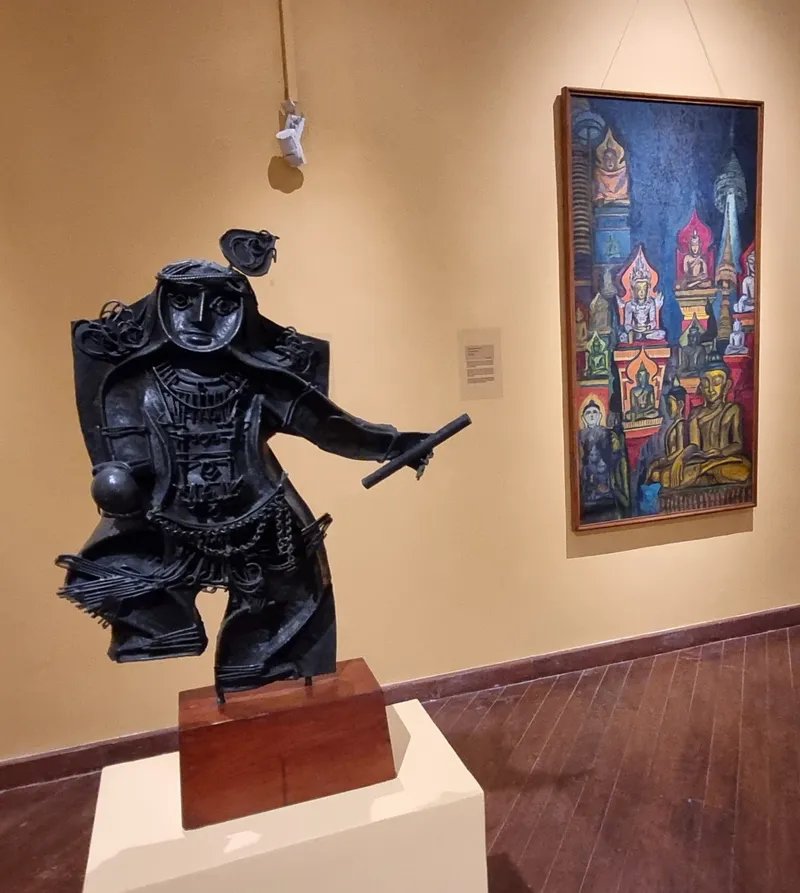
The exhibition has been presented in partnership with the Ministry of Culture, Government of India. It explores the deep connections between human life, diverse cultures, and the natural world through sculptures, paintings, prints, and photographs.
It invites viewers to go beyond treating Mother Nature as merely a backdrop to human life. Nature is rightly portrayed as an integral part of human imagination, spirituality, identity, and collective existence.
The ‘divine thread’ is this invisible connection that links people to one another and to the larger ecological and cultural systems. Art is an effective conduit for tracing this connection and to contextualise humanity's place within nature.
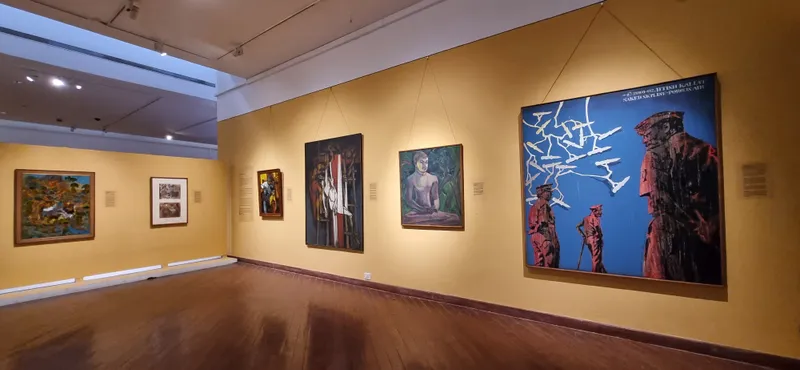
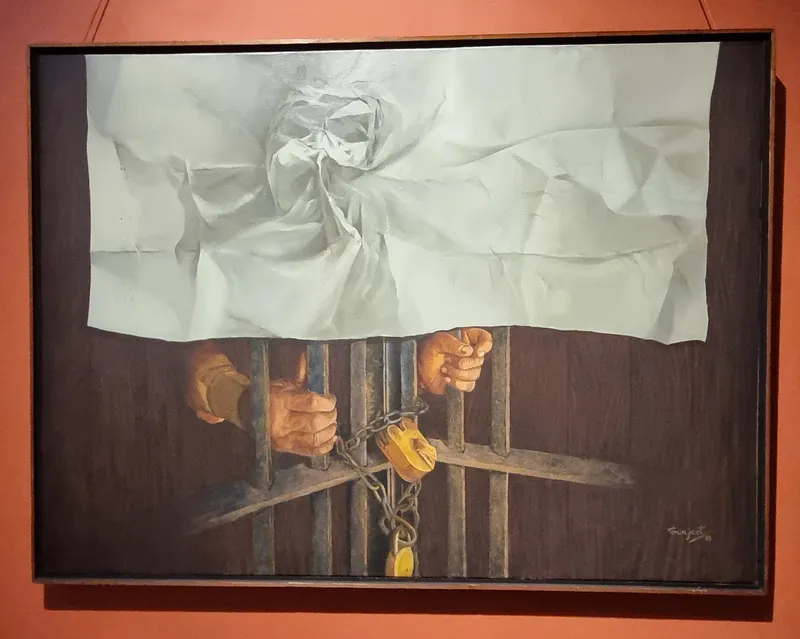
As seen in the second half of this photo essay, the exhibition also depicts and bemoans the suffering that humans have inflicted on each other through conflict, oppression and discrimination. Other artworks bring the focus back to celebration, community and camaraderie, thus calling for more balance and resilience in society.
The exhibition is particularly interesting because NGMA Bengaluru's collection spans a broad history of Indian art, from the 18th century to the present. Art is a record of changing ideas about community, environment, spirituality, and identity.
NGMA has also hosted artist talks in conjunction with the exhibition. They include presentations by Rekha Rodwittiya and KP Reji.

Taken together, a visit to NGMA thus shows these exhibitions as more than a conventional display of artworks. They provoke meaningful conversations about art, feminine energy and lived experiences, encouraging visitors to interpret the works and enhance their own understanding of the world around them.
It would be great to also see art exhibitions about festivals around the world that celebrate divine feminine energy and womanhood such as Navratri and Durga Puja (India), Thesmophoria (ancient Greece), Hina Matsuri (Japan), Mata Tirtha Aunsi (Nepal), Antrosht (Ethiopia) – and even today’s Mother’s Day and Grandmother’s Day celebrations.
Now what have you done today to pause in your busy schedule and harness your creative side for a better world?
(All photographs taken by Madanmohan Rao on location at NGMA.)