



Sculptures and installations: Montreal Museum of Fine Arts showcases creativity of shapes
In this photo essay from Canada, we feature sculptural highlights from an exhibition at the Montreal Museum of Fine Arts.


Launched in 2014, PhotoSparks is a weekly feature from YourStory, with photographs that celebrate the spirit of creativity and innovation. In the earlier 1,015 posts, we featured an art festival, cartoon gallery. world music festival, telecom expo, millets fair, climate change expo, wildlife conference, startup festival, Diwali rangoli, and jazz festival.
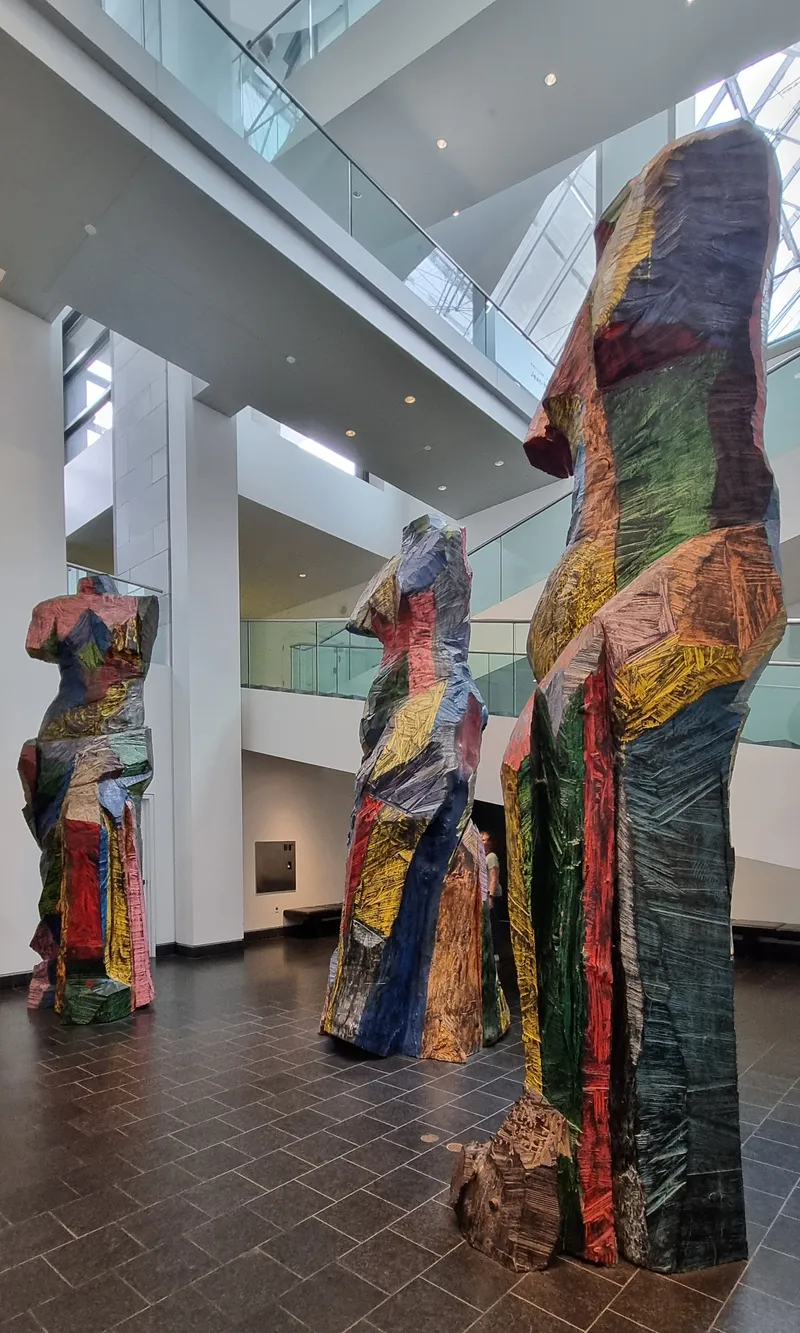
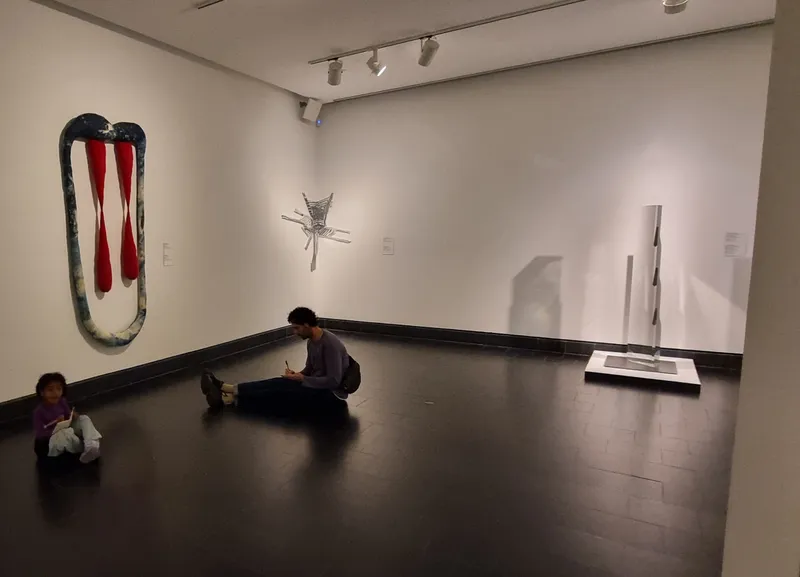
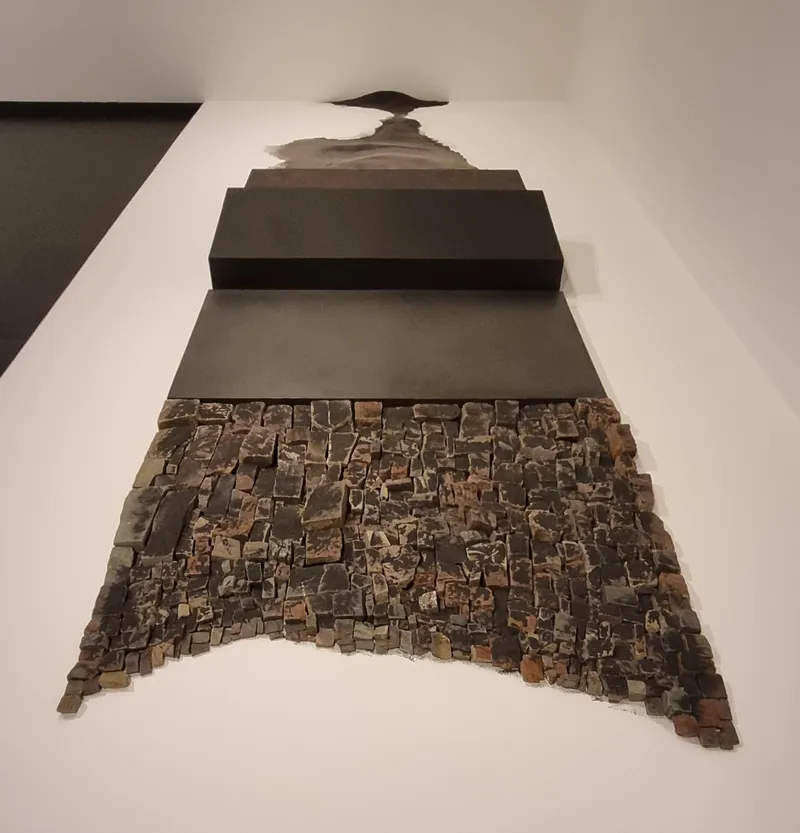
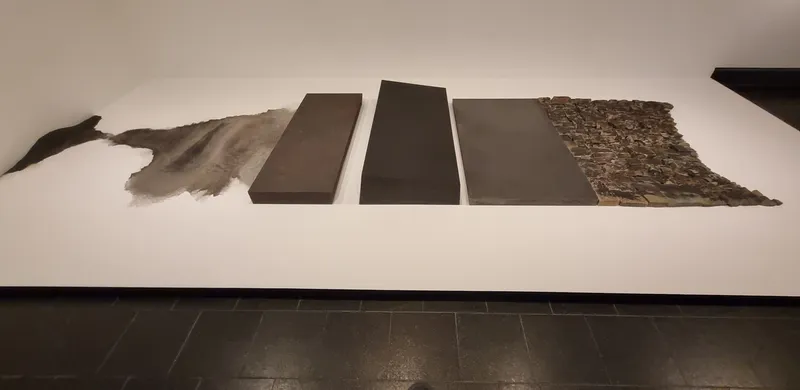
The Montreal Museum of Fine Arts (MMFA) is showcasing a nine-month exhibition titled Beyond the Pedestal. It features sculptures in the museum’s collection from the 1960s to current times (see our coverage of earlier exhibitions at this award-winning cultural hub here).
The sculptural exhibition is curated by Iris Amizlev, Curator of Special Projects at the MMFA. As explained in the curatorial notes, the showcase features diverse sculptural processes and mediums.
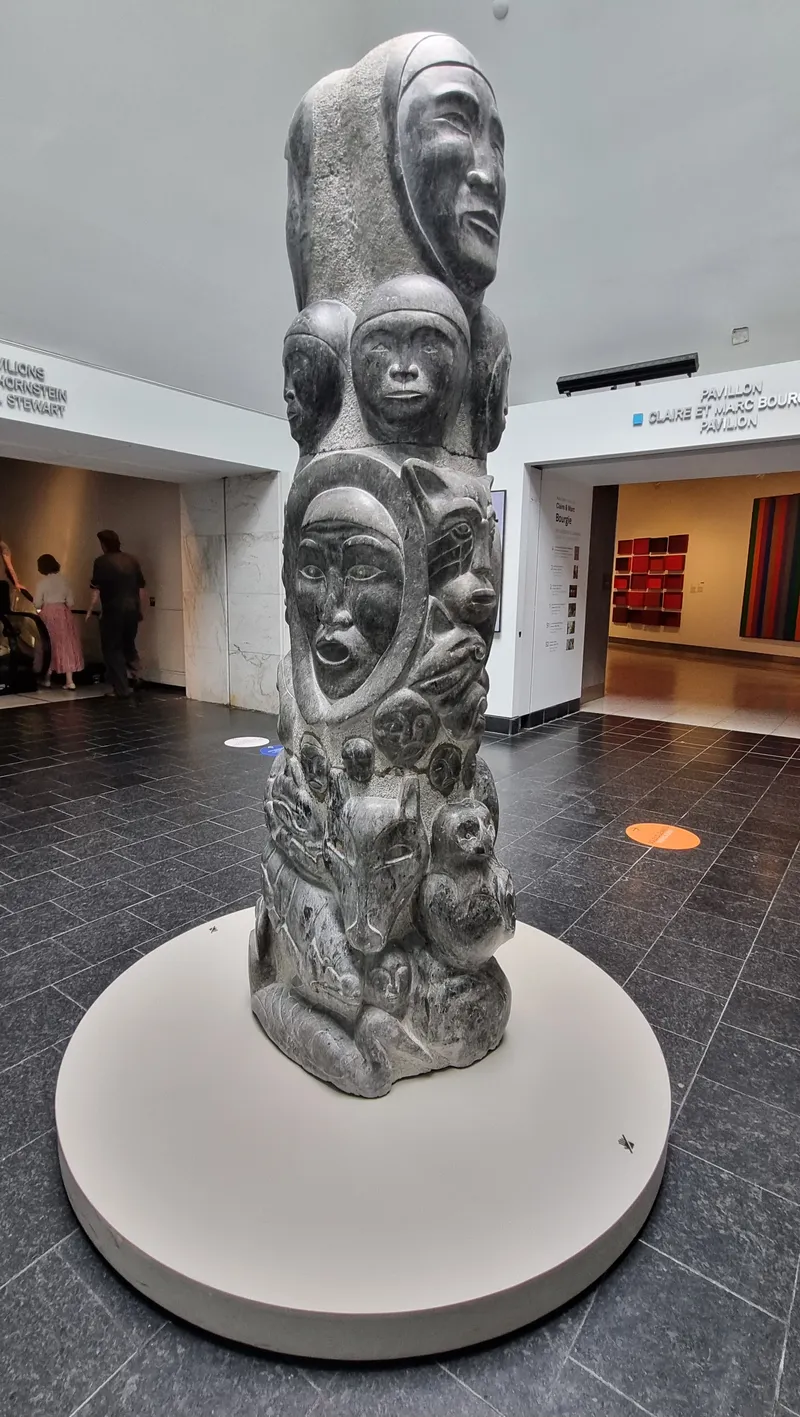
The exhibited works convey the freedom that the sculptural form can offer creative communities. Many of them challenge convention notions of what characteristics constitute a sculpture.
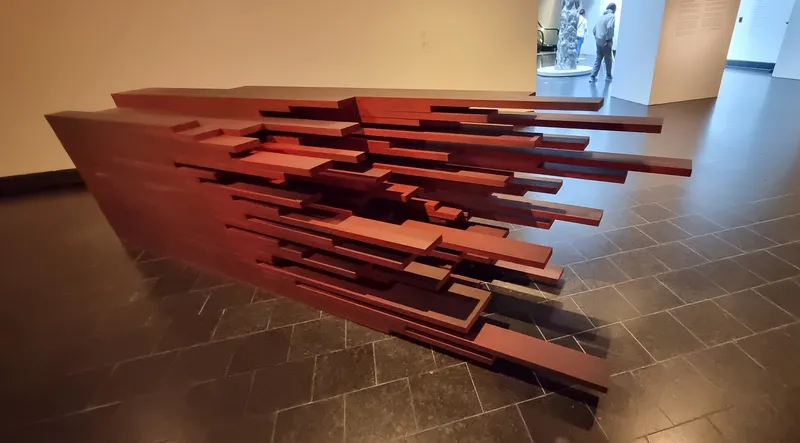
Some sculptures can be displayed not just on pedestals but also on floors and walls. Others are site specific and integrate into their surroundings. In this photo essay, we showcase some of the sculptures in the special curation as well as others displayed elsewhere in the museum.
The artistic lineup, some of whose works are featured here, includes Rajni Perera, David Altmejd, Ari Bayuaji, Stanislav Libensky, Jaroslava Brychtova, Richard Artschwager, Starling Ruby, Magdalena Abakanowicz, John Paul Robinson, Fausto Malotti, Masakazu Kobayashi, Jacopo Foggini, Ulysse Comtois, and Massimo Guerrera.
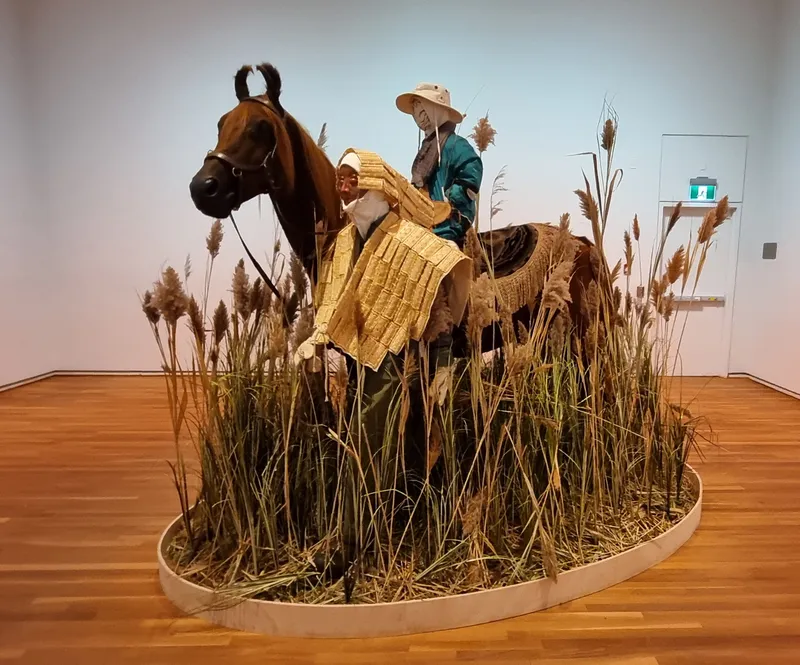

Rajni Perera is a Sri Lankan-born multidisciplinary artist based in Toronto. Her works blend sculpture, textiles, clay, wood, lanterns, new media, and synthetic taxidermy. The figures are dream-like and help create alternative visions for diasporic communities.
David Altmejd is a Canadian sculptor known for his surreal sculptures with fragmented bodies, crystals, mirrors, and architectural structures. He represented Canada at the 2007 Venice Biennale, and his work is held in major international collections.
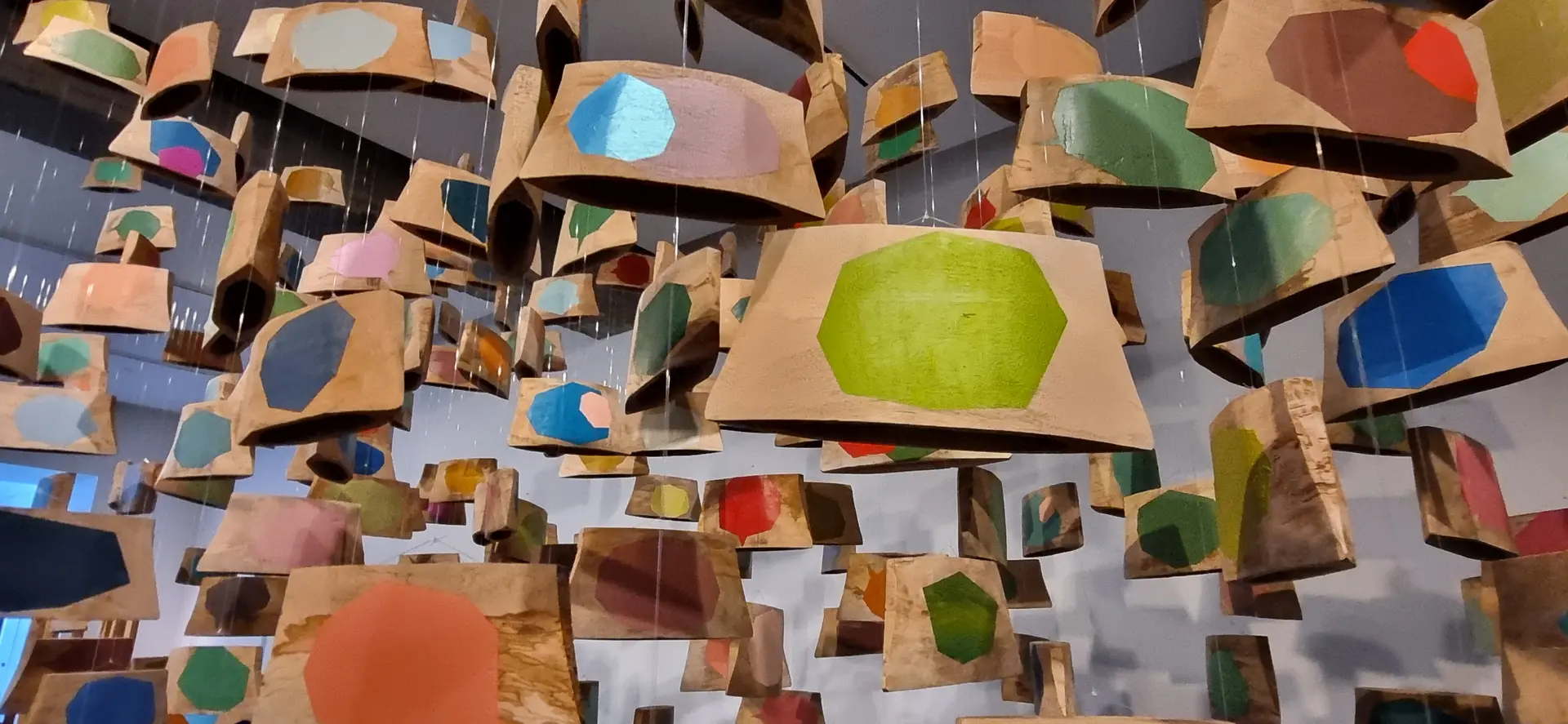
Ari Bayuaji is an Indonesian-born artist who shuttles between Montreal and Bali. Originally trained as a civil engineer, he later studied fine art at Concordia University. His works use found, discarded and everyday materials collected from different environments.
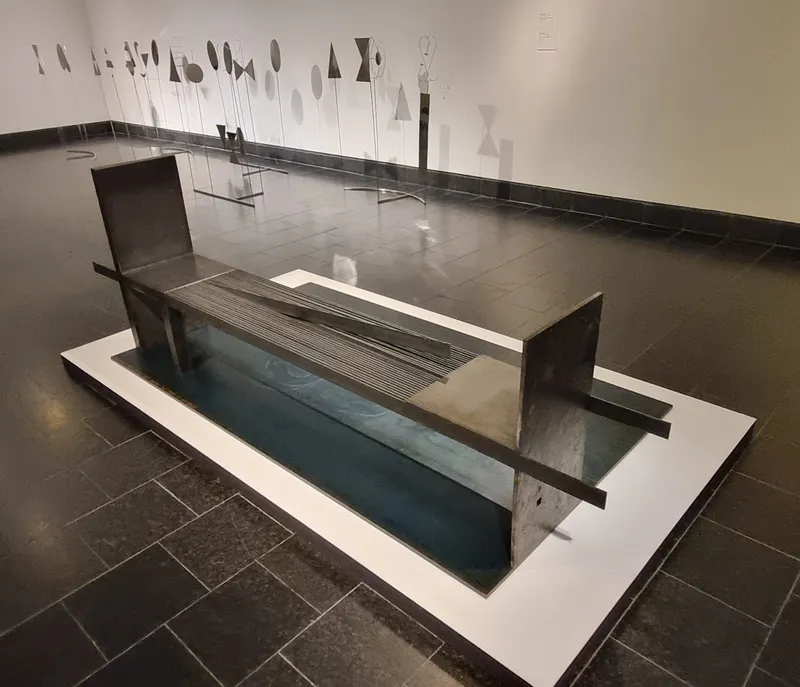
Stanislav Libenský and Jaroslava Brychtová built sculptural works from glass. Jaroslava Brychtová and Stanislav Libenský experiment with geometric forms in their collaborative works, stretching the use of glass in conceptual expression.
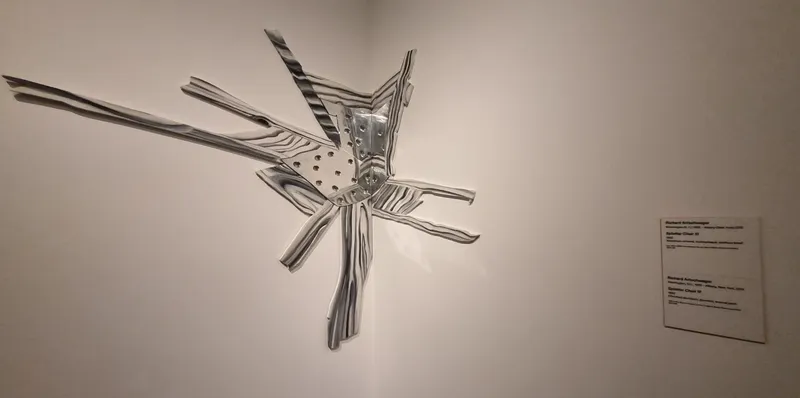
Richard Artschwager was an American artist whose work occupied an unusual space between pop art and everyday design. His sculptures frequently imitated objects such as furniture but in a manner that could come across as provocative and unconventional.
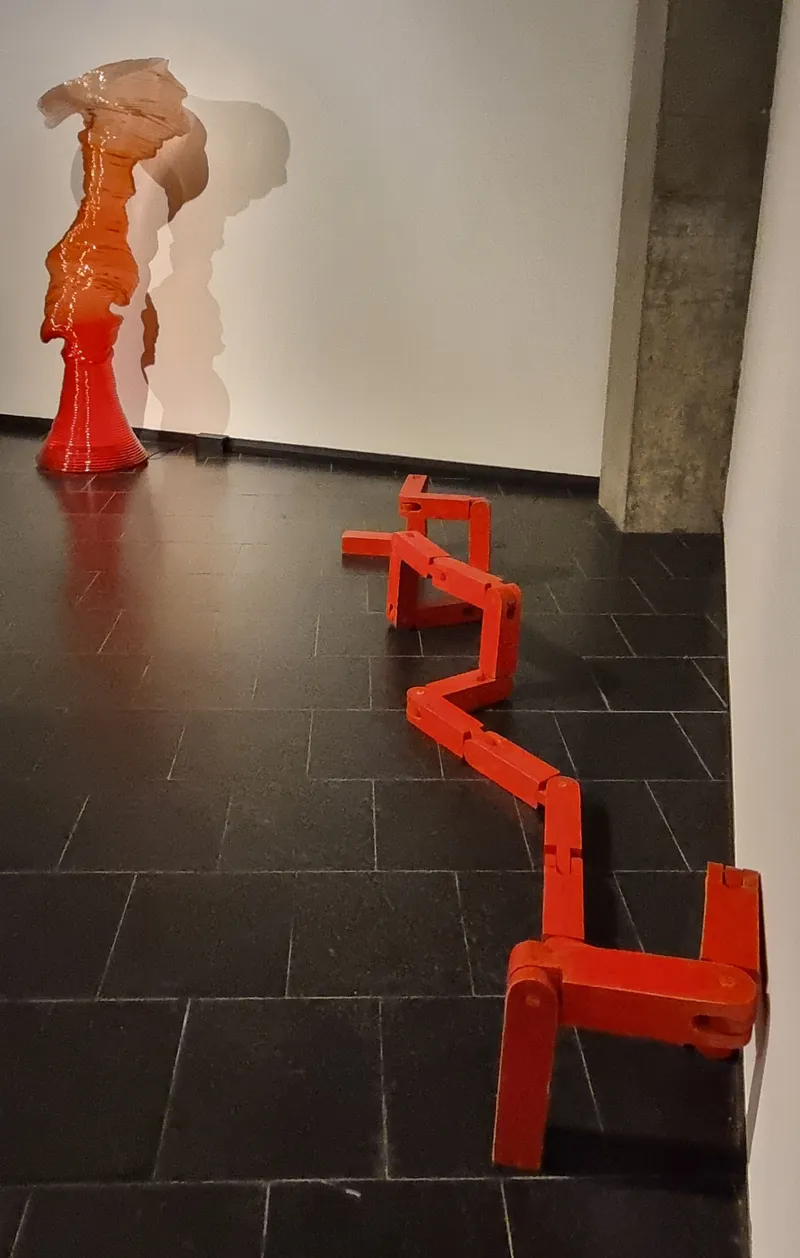
Sterling Ruby is an American-Dutch multidisciplinary artist whose works span sculpture, ceramics, painting, collage, textiles, photography, video, and installation. He often uses inexpensive or industrial materials, and challenges the distinction between ‘high’ and ‘low’ art.
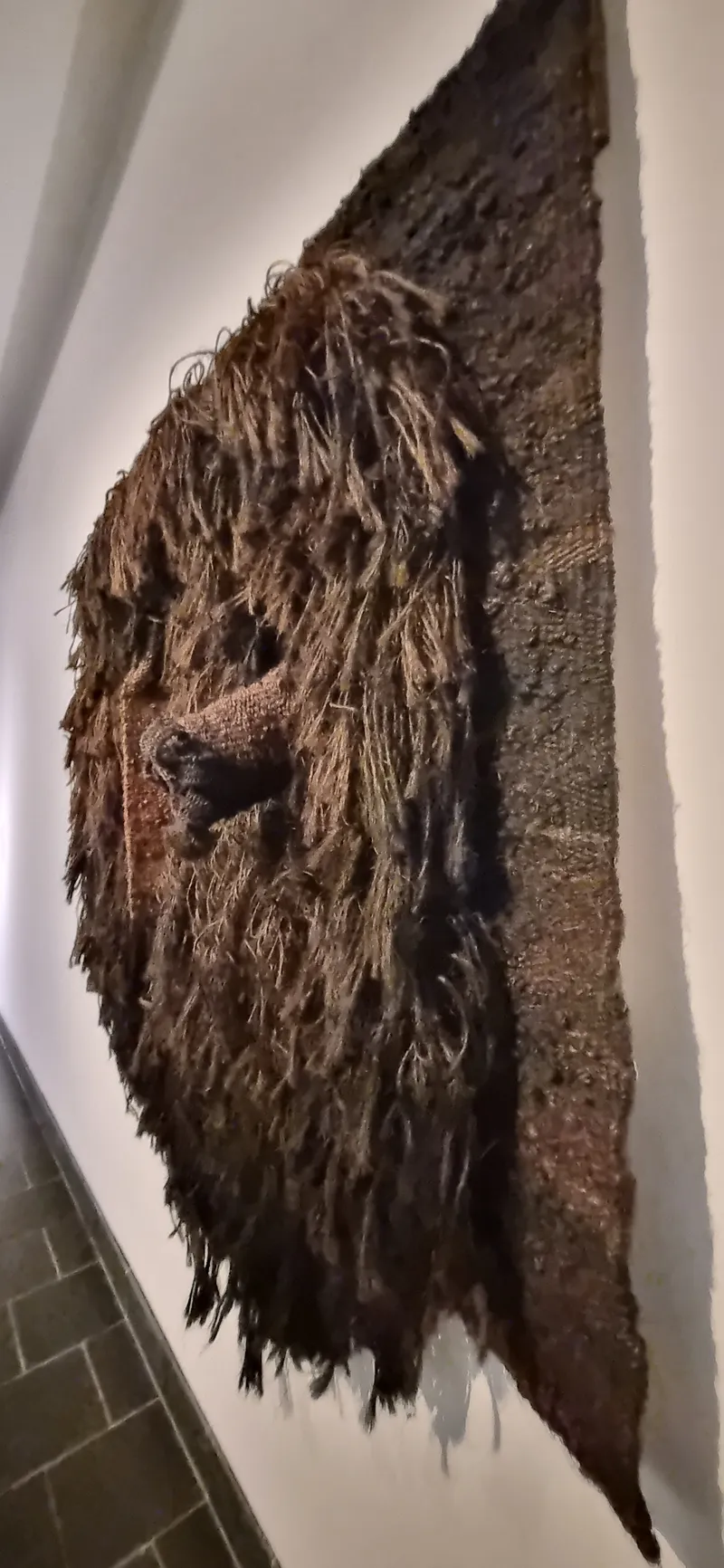

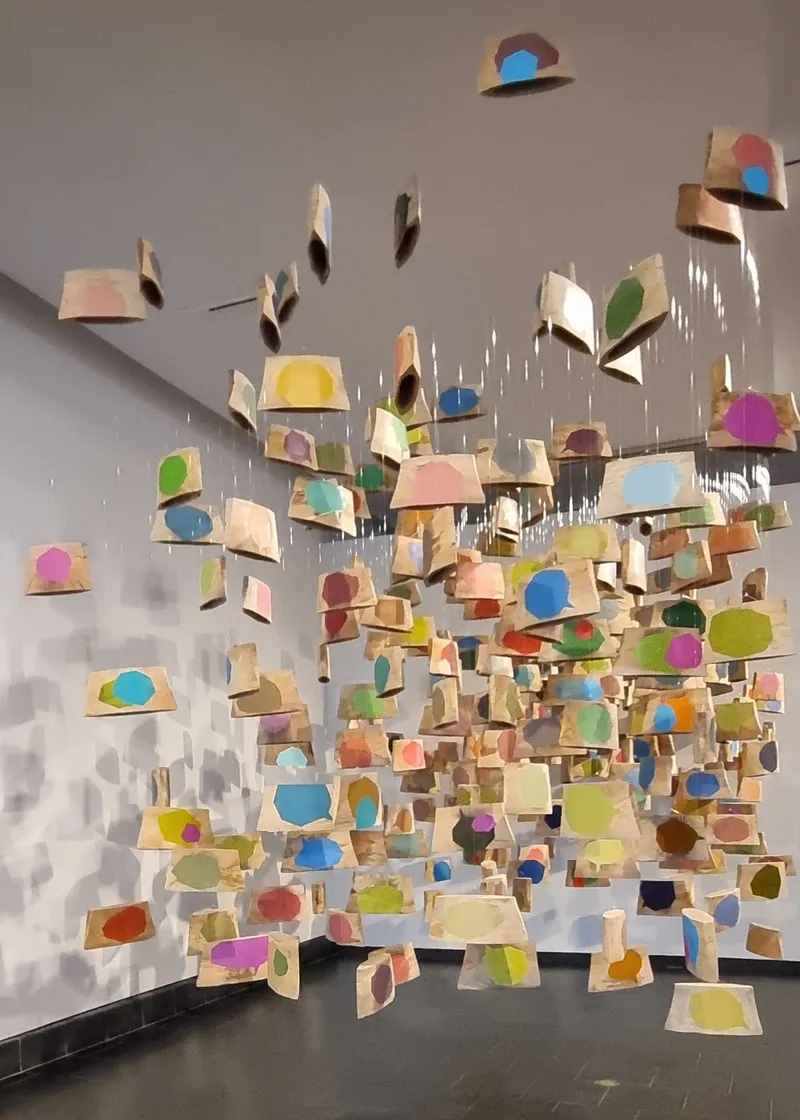
Masakazu Kobayashi was a Japanese artist who pioneered the development of fiber art. He is known for transforming thread and textile materials into large-scale spatial installations that explore nature, the cosmos and balance.
Magdalena Abakanowicz was a Polish artist who also explored the possibilities of fiber as a sculptural medium. Her enormous hanging fiber structures transformed textiles from flat decorative surfaces into immersive, three-dimensional environments.
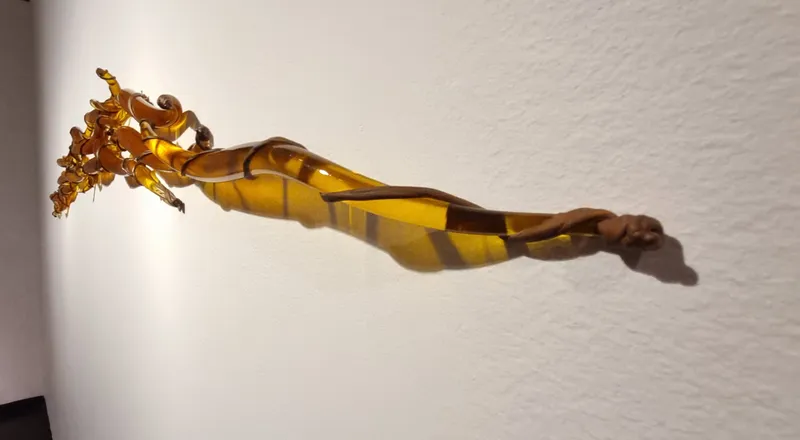
John Paul Robinson is a Canadian glass sculptor exploring ideas surrounding nature, mythology, science, time, and the elements. His combination of technical experimentation and philosophical inquiry gives his glass sculptures a unique contemplative quality.
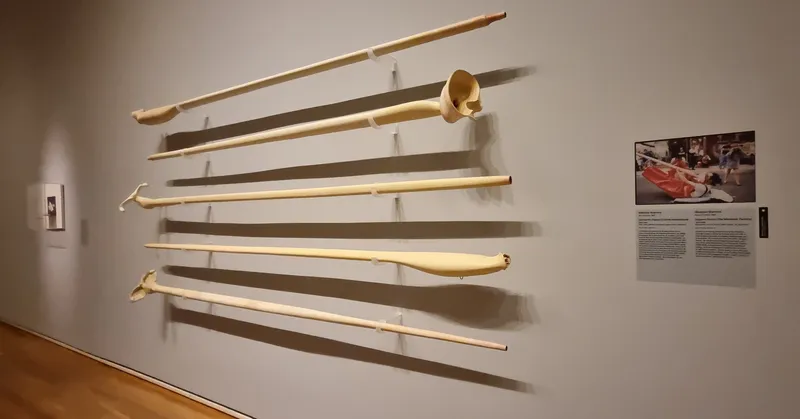
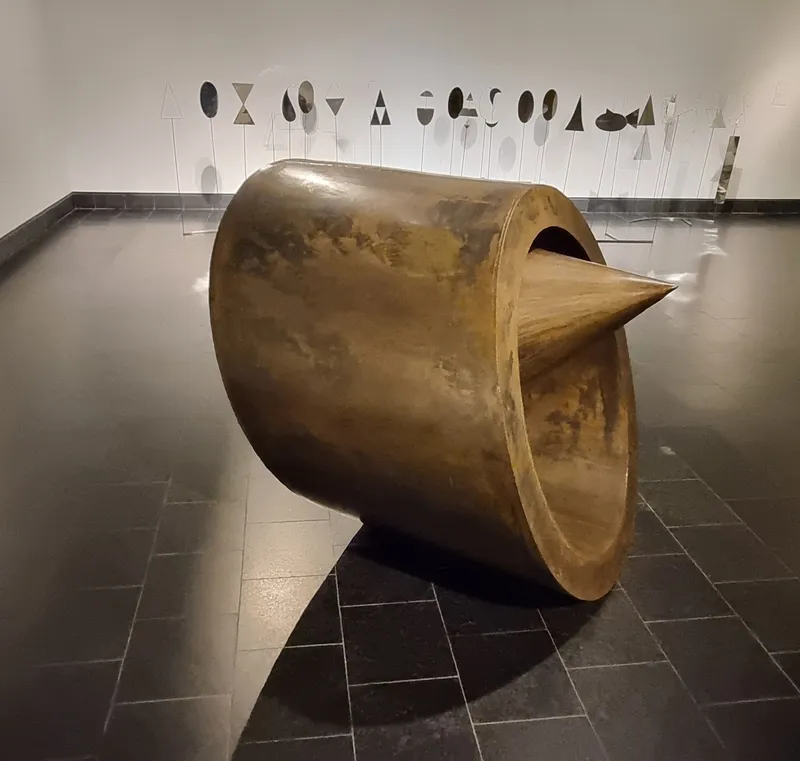
Fausto Melotti was a multi-disciplinary Italian artist whose work connected sculpture with music, mathematics, geometry, and abstraction. Though trained in electrotechnical engineering, he developed diverse creations in ceramics with surreal elements in his work.
Jacopo Foggini is an Italian artist and designer who transformed industrial plastic materials into luminous installations. His works often resemble glowing organic forms, coral, branches, and even fantastical structures.
Massimo Guerrera is an Italian-born multidisciplinary artist based in Montreal. His work explores relationships between bodies, language, objects, and environments. Social interaction becomes an important artistic material in his creations.
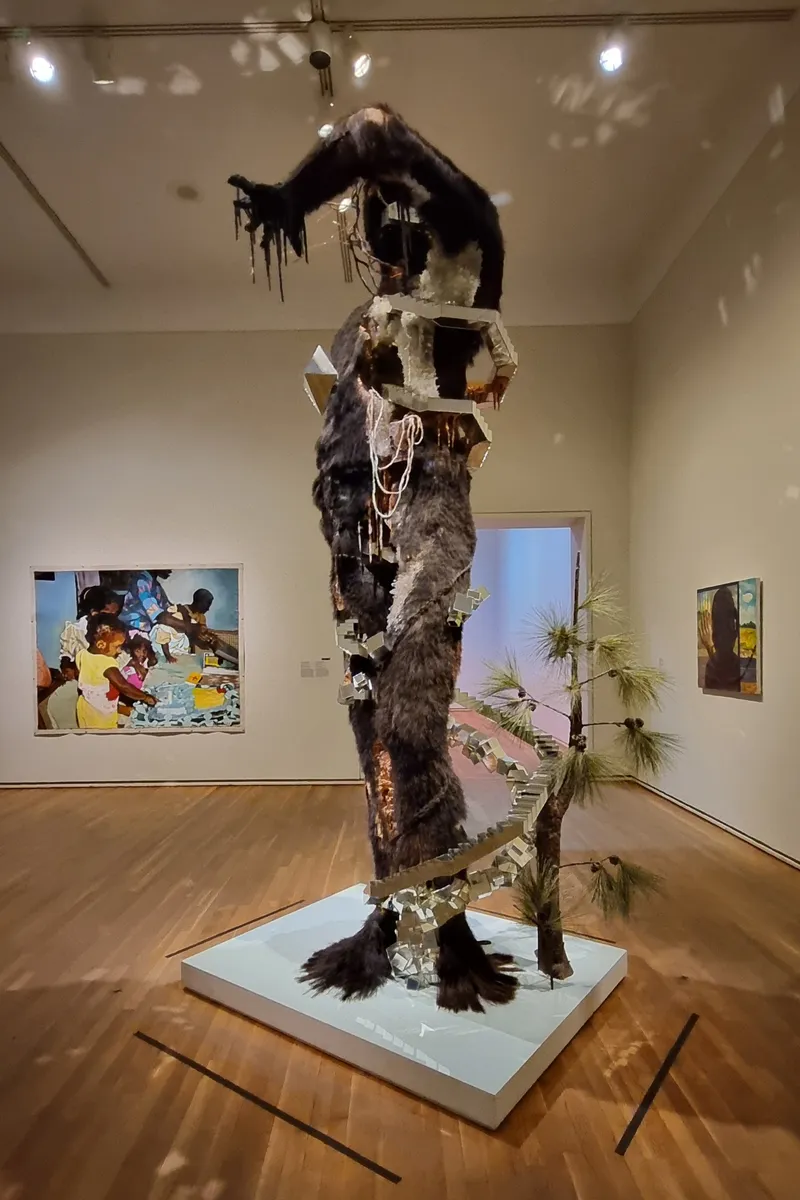

As shown in this photo essay, seeing such a group exhibition of sculptures and installations gives an experience that is not confined to looking at an image on a wall. Details and perspectives of the sculpture change as one moves around it.
When they leverage texture, sound, light, and unexpected materials, they enable new forms of discovery for viewers. A group exhibition makes this experience especially delightful because the works seem to converse with one another.
One sculpture may feel intimate and delicate, while another might be humorous, unsettling or playful. Moving from one work to the next creates a rhythm of surprise and contrast.
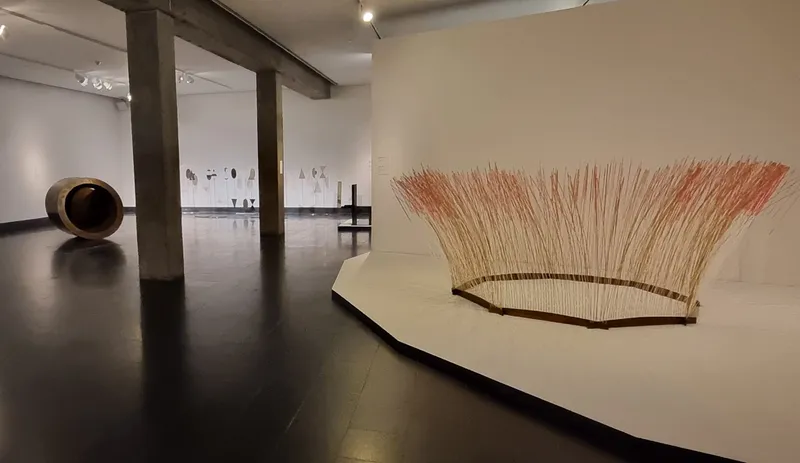
Viewers are constantly negotiating the relationship between the objects, the architecture of the gallery, and their own body within the space. The exhibition therefore becomes something one experiences physically as well as intellectually.
Sculpture demands a more active form of looking. It also makes viewers sharply aware of their own scale in relation to the work. Installations can go further by making the gallery itself part of the artwork.
There is also a wonderful unpredictability in such exhibitions. Sculptures and installations often reveal themselves gradually as one approaches them.
Shadows change, surfaces catch the light differently, and unexpected relationships emerge. In sum, the pleasure comes not only from appreciating individual artists but from being immersed in a temporary landscape of forms, materials, ideas, and sensations.
Now what have you done today to pause in your busy schedule and harness your creative side for a better world?
(All photographs taken by Madanmohan Rao on location at MMFA.)