



Republic Day 2026: Indian women who redefined representation
This Republic Day, we spotlight Indian women who made headlines over the past year for breaking barriers and expanding representation for others. From public service and law to sports and culture, these women advanced inclusion, rights, and possibilities through action.

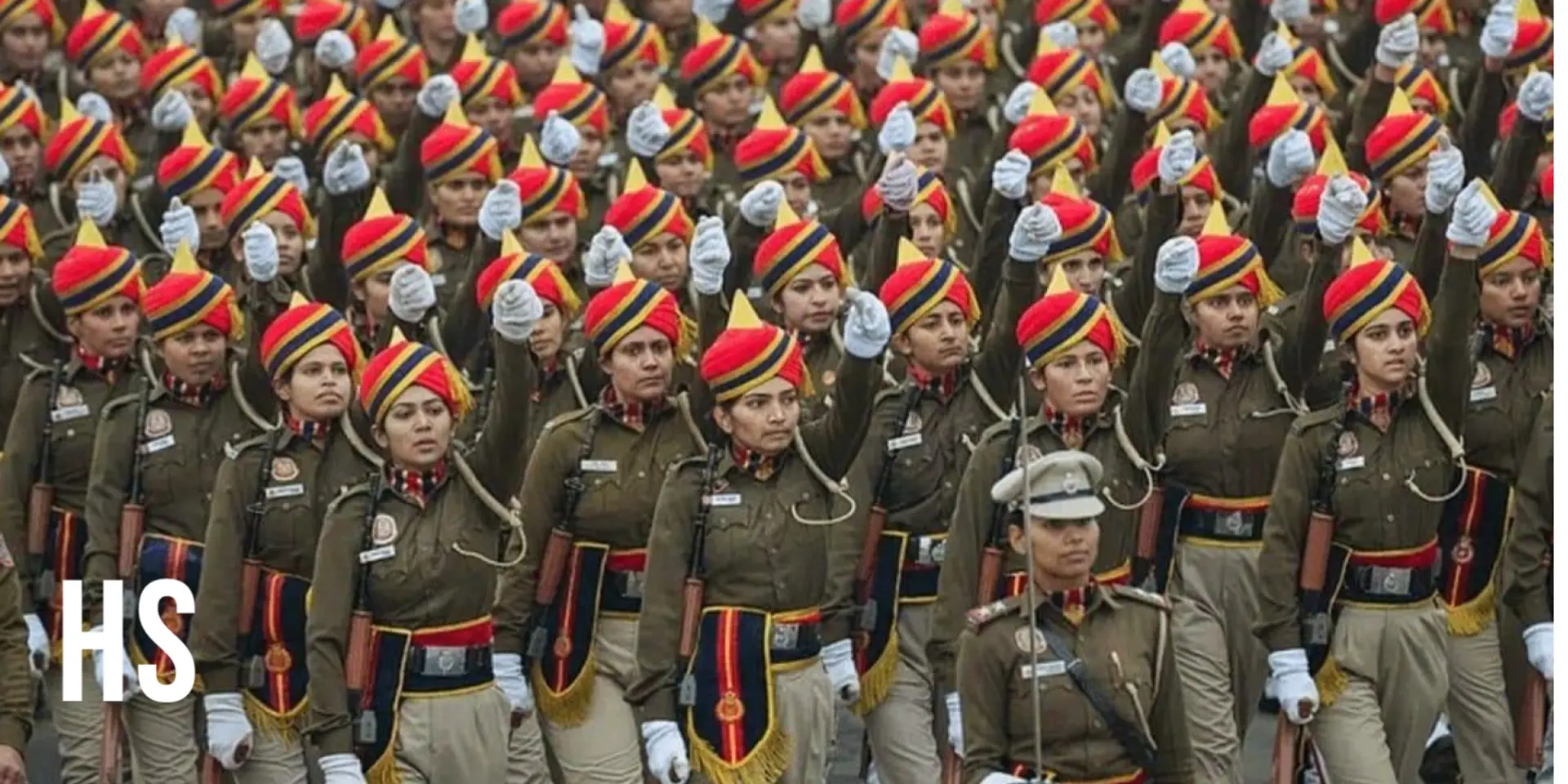

Republic Day often brings focus to institutions and milestones, but it is also a moment to look at the people shaping change in visible ways. Over the past year, women across sports, public service, law, disability rights, and culture made headlines for breaking barriers and expanding representation in India.
Some stepped into spaces where women were rarely seen before, others challenged exclusion through the courts, while a few redefined endurance and leadership through sheer persistence.
This Republic Day, we feature women whose work and achievements over the last year stood out for their impact and visibility. Their stories are not just about symbolism, but about real shifts in institutions, professions, and public conversations that continue to shape opportunities for other women across India.
Simran Bala
Assistant Commandant Simran Bala, a 26-year-old officer from Jammu and Kashmir’s Rajouri district, will make history on Republic Day by becoming the first woman to lead an all-male Central Reserve Police Force (CRPF) contingent in the Kartavya Path parade.
Selected after rigorous evaluations and drill rehearsals, Bala commanded over 140 male personnel in one of the nation’s most visible ceremonial roles—a position traditionally held by senior male officers. Her leadership is viewed as a significant step towards gender inclusivity within India’s largest central armed police force, reflecting the evolving norms where merit and capability shape opportunities.
Bala is the first woman from her district to be commissioned in the CRPF.
Manju Warrier
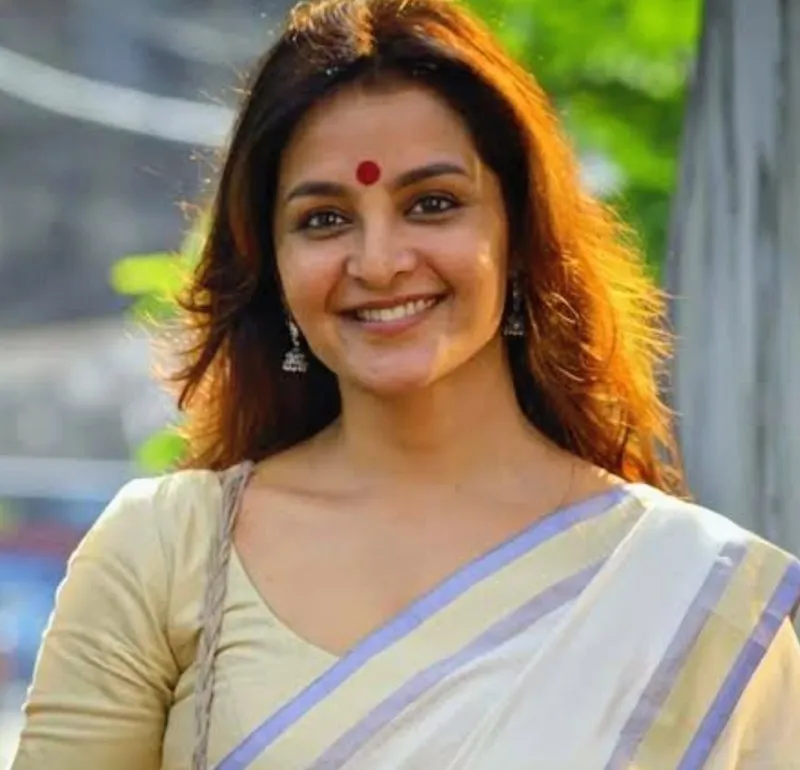
Actor and activist Manju Warrier made headlines in January 2026 for her speech at the Kerala Women’s Commission’s “Parannuyaraam Karuthode” campaign, where she delivered a compelling message on women’s autonomy and ambition.
As the campaign’s brand ambassador, Warrier encouraged women to view marriage not as an endpoint but as one part of a broader life journey, urging them to pursue dreams and retain self-belief beyond societal expectations.
Her address—widely reported across Indian media—echoed themes of agency and self-empowerment, resonating with women in Kerala and beyond. By emphasising that identity and aspiration extend beyond marital status, Warrier’s message contributed to ongoing public conversations on gender equality, personal growth, and women’s rights within mainstream cultural dialogue.
Jaismine Lamboria and Minakshi Hooda
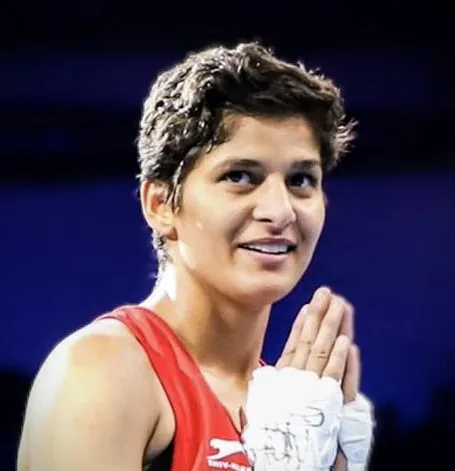
Indian boxers—Jaismine Lamboria and Minakshi Hooda— delivered standout performances at the 2025 World Boxing Championships in Liverpool, UK, earning gold medals and etching Indian women’s boxing deeper into global prominence.
Lamboria clinched gold in the women’s 57 kg featherweight final, defeating Poland’s Olympic silver medallist, while Hooda captured gold in the 48 kg division, demonstrating India’s rising prowess in the ring.
Their victories were part of a historic campaign, where Indian women secured four medals, underscoring the depth and growing strength of the women’s boxing contingent. The triumphs not only celebrated individual excellence but also served as inspiration for young women athletes nationwide, leading to world-beating success on one of boxing’s biggest stages.
Gurdeep Kaur Vasu
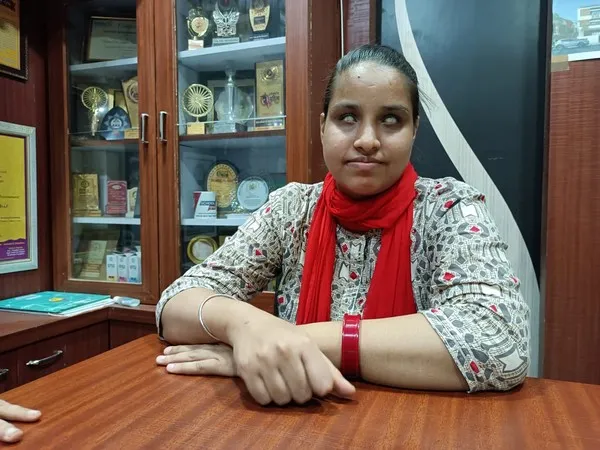
In 2025, Gurdeep Kaur Vasu made national headlines by securing a government job in the Commercial Tax Department despite having triple impairment (speech, hearing, and visual disabilities).
Known as Indore’s Helen Keller, Vasu’s appointment was reported widely as a landmark moment for disability rights and public employment inclusion in India.
Her success came through a special recruitment initiative that recognised multiple disabilities—a rare instance of institutional support enabling meaningful employment for people with disabilities.
Vasu’s achievement highlighted the systemic possibilities when policy meets commitment, offering a powerful example of how people with disabilities can access dignified, stable careers in the civil service, reinforcing conversations on workplace inclusion and equity.
Anchal Bhateja
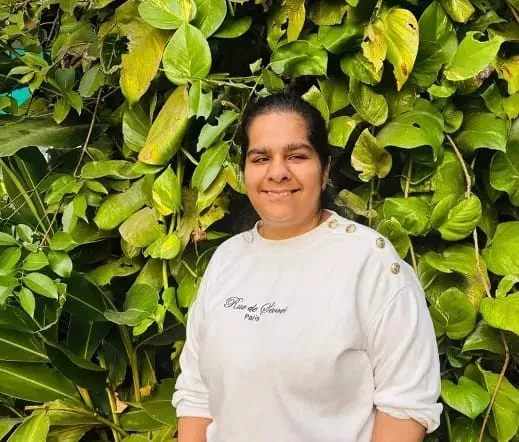
Lawyer and disability rights advocate Anchal Bhateja became the first blind woman to argue a case before the Supreme Court of India in 2025.
Representing a petition challenging the Uttarakhand Judicial Service recruitment policy’s exclusion of blind candidates, her appearance highlighted barriers in judicial recruitment, reigniting dialogue on disability inclusion and reasonable accommodation in India’s legal system.
Bhateja’s achievement drew attention not only for the historic milestone but also for the broader implications it carries for accessibility in law and professional spaces. Relying on assistive technologies, she overcame significant barriers to pursue legal advocacy. Her achievement was a testament to both personal perseverance and the need for systemic reform to ensure equal opportunity for people with disabilities.
Vijaya Kishore Rahatkar
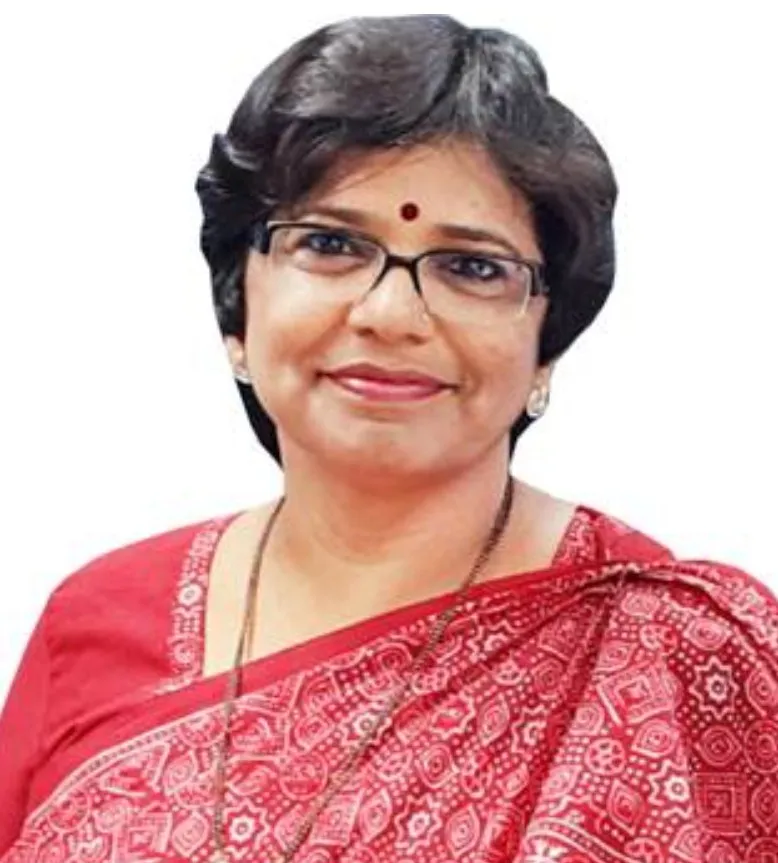
As the Chairperson of the National Commission for Women (NCW) during 2025–26, Vijaya Kishore Rahatkar was frequently in the news for steering the commission’s engagement with high-profile cases and policy priorities.
Under her leadership, the NCW released the National Annual Report and Index on Women’s Safety 2025, spotlighting gaps in women’s safety across India and informing public debate and policy focus.
Rahatkar also publicly addressed shortcomings in the implementation of laws, including the triple talaq prohibition, and took suo motu cognisance in violent crime cases, demanding timely action from authorities.
Her tenure demonstrated NCW’s role as an oversight body and an advocate for gender justice, contributing to ongoing policy and legal conversations on violence, rights enforcement, and protective frameworks for women across India.
Pooja Krishnamoorthy
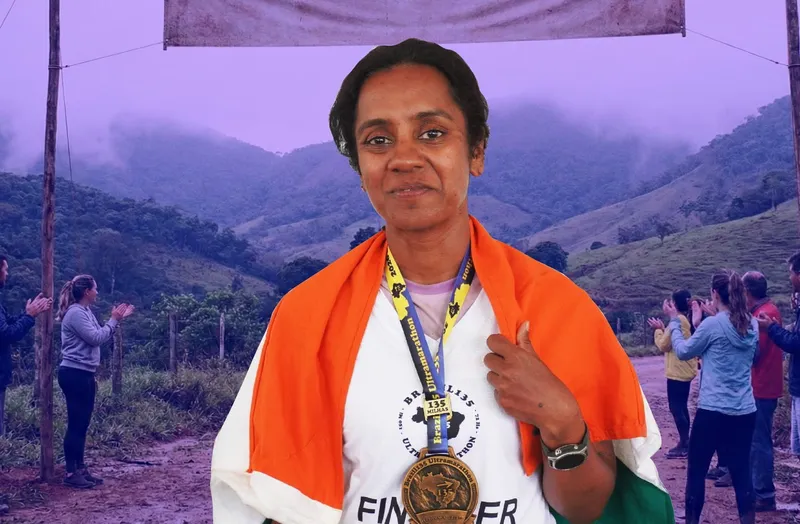
On January 10, 2026, Indian endurance runner Pooja Krishnamoorthy completed the Brazil 135 Ultra—a gruelling ultramarathon spanning roughly 135 miles. In doing so, she became the first Indian woman to both qualify for and finish the race within the official cut-off, earning recognition for remarkable physical and mental stamina.
Her performance—covering the distance in under 48 hours—stood out in global endurance sport news and placed her among celebrated ultrarunners worldwide, many of whom withdrew before the finish line.
Krishnamoorthy’s achievement serves as a milestone for Indian women in extreme sports, showcasing how determination and disciplined preparation can push boundaries and inspire athletes across disciplines.
Edited by Suman Singh