



How a small Ghaziabad business grew into a Rs 190 Cr appliance brand
Started as a business to manufacture affordable air coolers for the masses, Thermocool Home is now investing heavily in R&D for smart and solar-friendly appliances, while also eyeing global expansion.

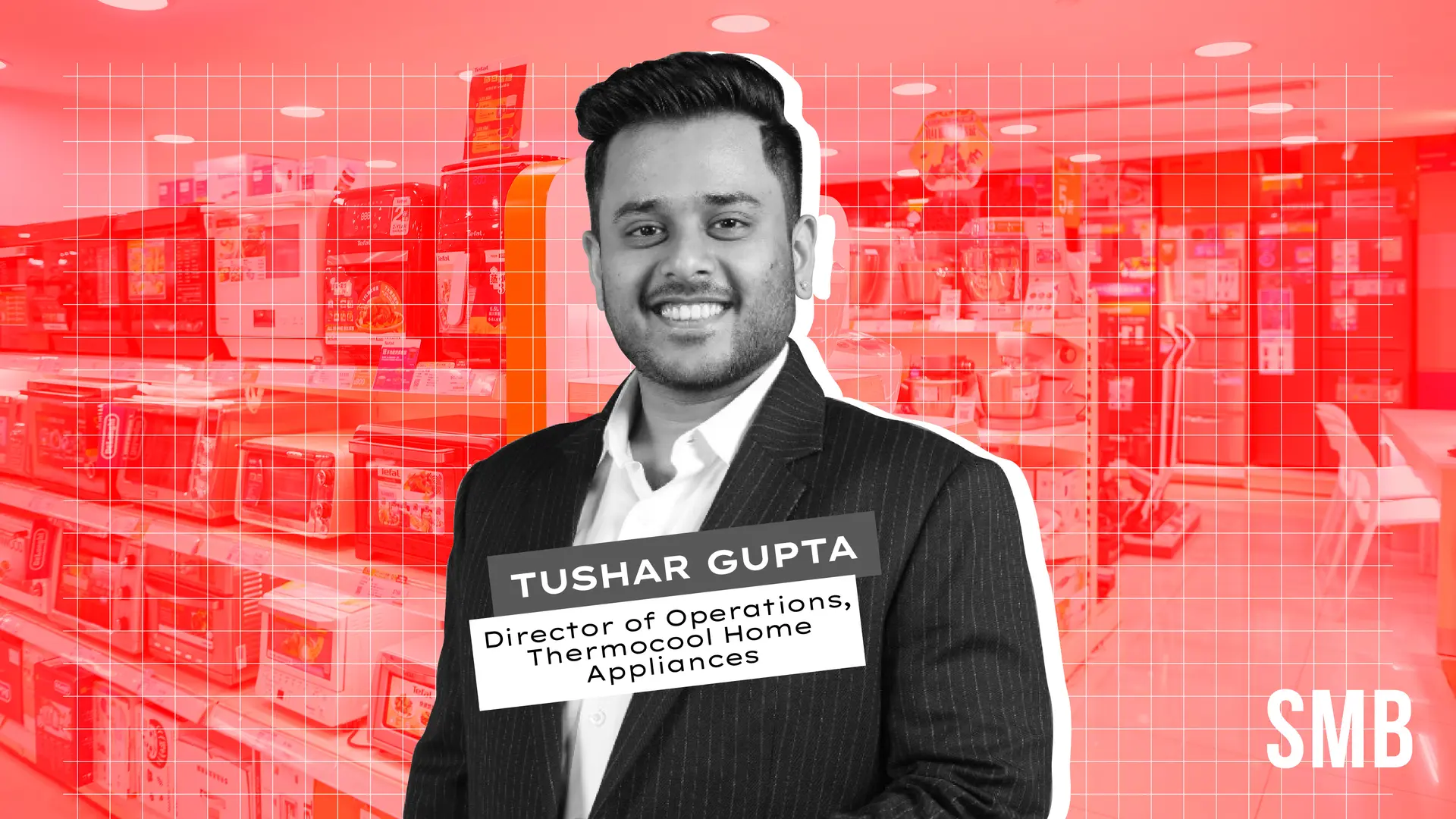

In the 1990s, when air conditioners were a luxury and limited to only a few Indian households, two brothers from Ghaziabad, Uttar Pradesh, decided to change that. With minimal capital and a strong focus on quality, brothers Rajeev and Sanjeev Gupta began building affordable air coolers for the masses from a small workshop.
Three decades later, that modest venture has evolved into Thermocool Home Appliances, a Rs 190 crore appliance brand that is betting on smart, energy-efficient, and solar powered appliances, and eyeing its entry into global markets.
“My father and uncle believed that if customers trusted the brand for its quality and service, growth would follow,” Rajeev’s son, Tushar Gupta, the company’s Director of Operations and second-generation leader, tells SMB Story.
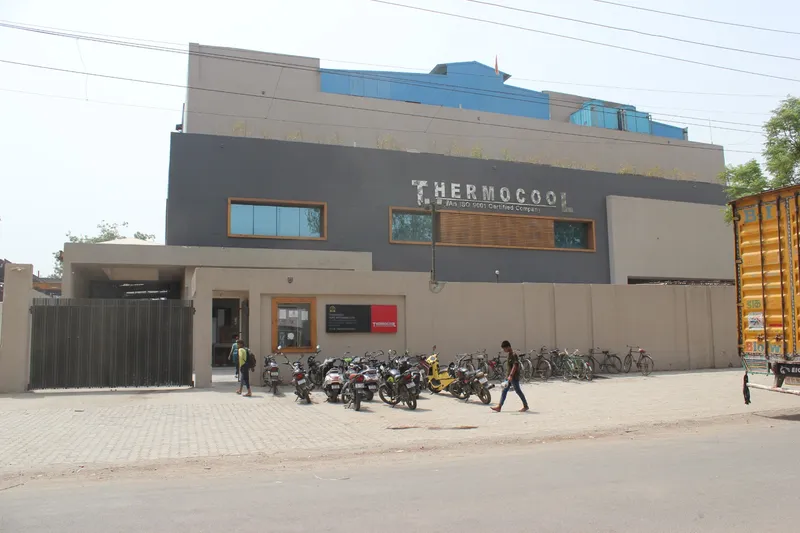
In April this year, Thermocool announced the opening of its Rs 30 crore automated manufacturing facility in Ghaziabad, to increase production and efficiency
From its humble beginnings in 1992, Thermocool has evolved from being a regional air cooler maker into a diversified brand offering over 200 products, including washing machines, televisions, water heaters, and kitchen appliances.
Thermocool claims to have 8-10% market share in the home appliance and cooling segment in its core operating markets of UP, Bihar, Jharkhand, and some parts of West Bengal.
The company generated Rs 190 crore revenue this year, and is targeting Rs 250 crore next year.
Modernising the vision
“The greatest shift for Thermocool was expanding beyond air coolers to a wider appliance product range,” says Tushar Gupta.
After graduating from Michigan State University, he joined the family business in 2020 to make it a nimble and tech-centric company. “We implemented data-driven decision-making, made investments in manufacturing automation, and grew direct-to-consumer (D2C) presence,” he says.
The company introduced modular air coolers with better energy ratings, smart washing machines, and green water heaters. By assuring affordability and durability, these new innovations enabled Thermocool to enter new markets and meet the changing consumer needs.
In April this year, Thermocool announced the opening of its Rs 30 crore automated manufacturing facility in Ghaziabad, to increase production and efficiency.
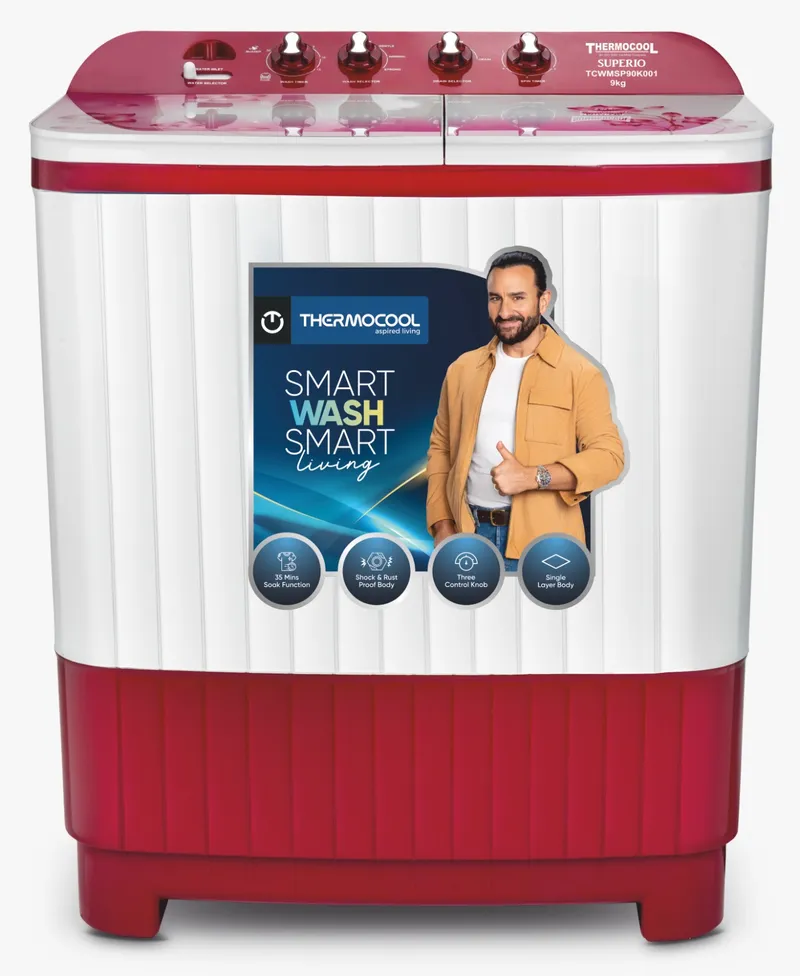
Washing machine by Thermocool Home Appliances

From selling posters in Delhi’s footpaths to building a gifting empire: 46 years of Archies
Furthermore, its shift from the conventional dealer model to embracing the D2C format further strengthened its market presence.
Thermocool entered ecommerce in 2023 after noticing the “increasing migration of consumer behaviour." While the bulk of its business continues to come from offline channels, about 10% of Thermocool’s business now originate online, with marketplaces like Amazon and Flipkart accounting for the majority volume.
“Our own D2C site is gradually building up and is an important touchpoint for engagement with the brand. With increasing emphasis on logistics and digital marketing, we anticipate the online channel increasing considerably over the next few years,” Gupta says.
For Thermocool, sustainability is also a key focus area. The company’s Ghaziabad plant uses energy-efficient systems, recyclable packaging, and waste-minimisation processes. “We’re reducing plastic in packaging and designing recyclable solutions. Energy-efficient air coolers, water heaters, and washing machines are now core to our portfolio,” says Gupta.
Blending of tradition with technology
According to Grand View Research, the Indian household appliances market was pegged at $22.45 billion in 2024, and is projected to grow at a CAGR of 7.2% between 2025 and 2030. Government initiatives like Make in India has further fuelled this demand, with brands like Godrej, Voltas, Bajaj, and Crompton competing with global brands like Samsung, LG, Whirlpool, Philips.
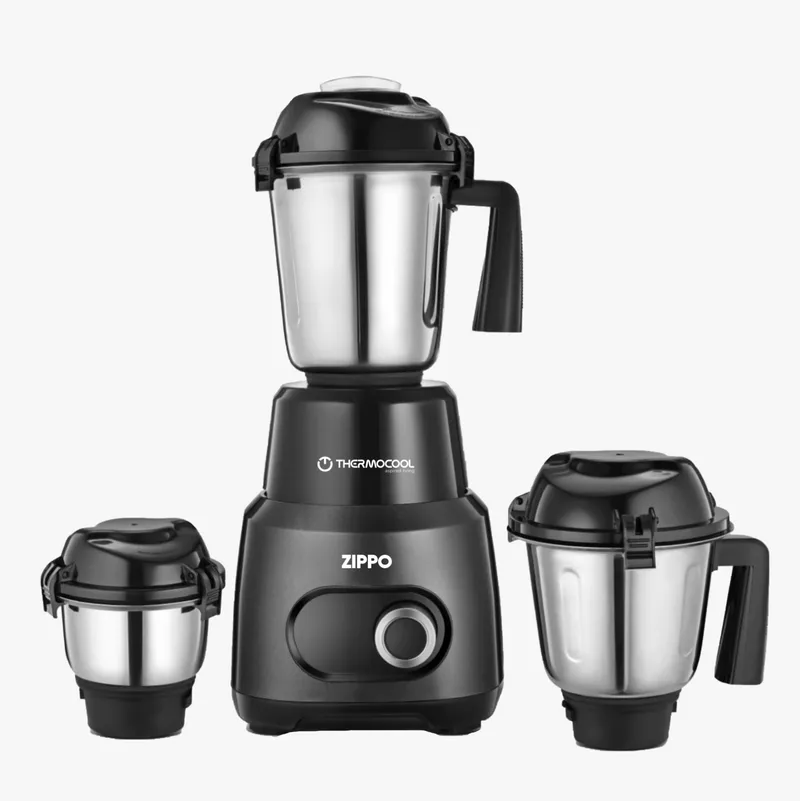
Mixer grinder by Thermocool Home Appliances
While growing the business, Thermocool faced challenges from already established brands in terms of competitive pricing, distribution network and allocating resources for brand awareness.
To establish itself in a competitive landscape, affordability and innovation became Thermocool's central strategy. "We localise raw material procurement and optimise production to keep costs in check,” Gupta explains. “Our innovation is centered on practicality—energy efficiency, compact design, and intuitive use—rather than unnecessary tech features.”
The company has grown consistently over the past three decades, maintaining a CAGR of 25–30% over the last five years.
“Our air cooler business continues to be our best-performing category,” says Gupta. “It remains our flagship product, contributing the highest volume and revenue share, particularly during summer.”
Thermocool has also built a strong foothold in North and East India, “These regions have seen steady year-on-year growth, and our value-for-money positioning resonates strongly with middle-income consumers,” he notes.
Looking ahead, Thermocool plans to expand aggressively within India and into select global markets such as Nepal, Bhutan, and South Africa. “These markets share similar consumer profiles and align with our value-focused product line,” Gupta explains.
The company is also investing heavily in R&D for smart and solar-friendly appliances, including upcoming launches in refrigerators, air conditioners, and IoT-enabled washing machines.
Over the next three years, Thermocool aims to reach Rs 300 crore in revenue, with a long-term target of Rs 500 crore within five years.
Its most ambitious move, however, is to go public within the next two-three years in order “to raise institutional capital for technology upgrades and capacity expansion,” he says. “We’ll also explore selective collaborations and joint ventures that align with our values and growth vision,” he adds.
Edited by Megha Reddy