



How these organisations are using sport as a vehicle to drive change
These five initiatives are using the sport-for-development model to drive social change.

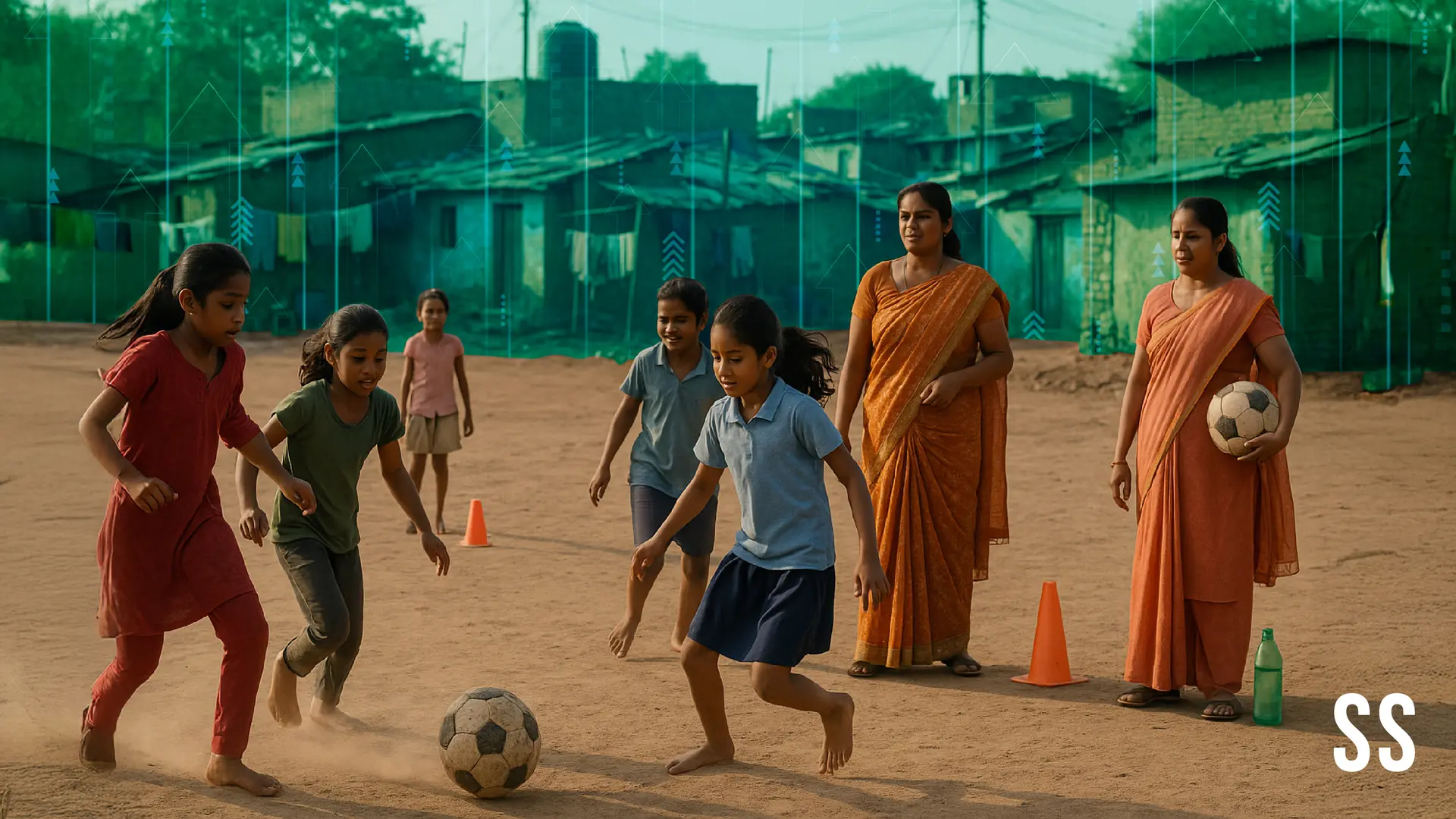

From building playgrounds in conflict-affected Dantewada, to helping girls in Punjab to reclaim public spaces through football, or training teachers to become certified coaches, sport is breaking barriers and creating long-term change.
In India, sport has inspired generations for long, but today, on ground, it is increasingly becoming a powerful tool for transformation, change, and empowerment of communities.
As India chases global sporting glory, it is the small wins on the ground that truly matter. In the end, sport is not just about the game, it’s about the growth, confidence, and transformation it sparks in individuals and entire communities.
Here is a list of organisations using the sports-for-development model to rewrite social narratives and champion change.
The Unifly Collective
The Unifly Collective (formerly Barefoot Edu Foundation) was co-founded by Saumya Aggarwal and Subhankar Paul, to reimagine education in under-resourced communities. While its core mission is rooted in building leadership capacity among students and school principals, it has innovatively integrated sport into education as a medium for life skills.
One of its flagship programmes is The Right Pitch (TRP), a cricket-based life-skills intervention for students.
In this model, coaches from underserved communities run cricket sessions in schools that often lack playgrounds. But these are not just cricket drills: each session dedicates around 20 minutes for structured life skills coaching, covering aspects like decision-making, confidence, and teamwork. A tournament is organised every year that provides children with a chance to showcase their skills.
More than Play
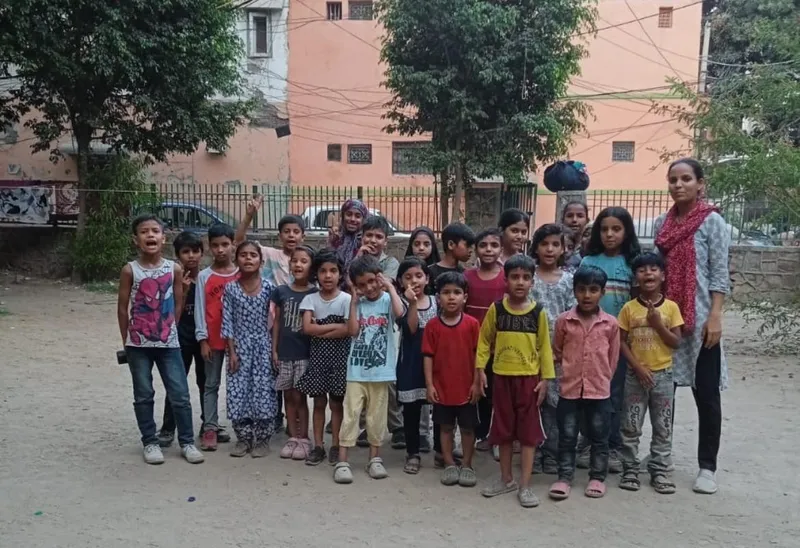
More than Play is a sport-for-development initiative run by the Khelo Tennis India Foundation, working with children and youth in slum communities in New Delhi . Founded by Jaideep Bhatia, More than Play operates in Delhi’s Hazrat Nizamuddin, Aali Village, Sarai Kale Khan, and Kusumpur Pahar.
What makes the initiative unique is its focus on training mothers from the community as “community sports coaches.” These women run weekly sessions teaching football, life skills, and counsel children on education and health. They receive a small stipend for their work and serve as a bridge between the programme and the community, mobilising more children.
More than Play ensures that children and youth have access to sports and play through development sessions. It also ensures the right to education through sessions at its centres, better health, and hygiene in the communities.
Through More than Play, children (aged roughly 7–16) access structured sports + education (digital literacy, computer access), while youth (17+) and mothers build leadership and coaching skills.
Roundglass Foundation
1 Girl 1 Football is a flagship initiative of the Roundglass Foundation, founded in 2018 by entrepreneur and philanthropist Sunny (Gurpreet) Singh. The foundation focuses on creating a holistic ecosystem for rural Punjab across education, health, well-being, and sustainable community solutions. As part of this vision, Roundglass also launched Sports Punjab, a programme designed to bring structured sports opportunities to children and youth in the state.
The foundation has established 148 sports centres across Punjab, offering quality coaching and regular competition exposure. Over the years, more than 4,800 children have participated in sports such as hockey, football, and tennis through these centres. However, when the team examined participation through a gender lens, it found that girls were significantly underrepresented.
To address this gap, Roundglass introduced the ‘One Girl One Football’ programme as a targeted intervention within Sports Punjab. Although the initiative was first conceptualised in 2021, it initially saw limited interest from girls and their families, prompting the team to pause and reassess its approach.
The foundation spent time understanding cultural and logistical barriers before relaunching the programme with a stronger, more inclusive strategy ensuring that girls have not just access, but active encouragement and support, to participate in sport.
Sachin Tendulkar Foundation and Mann Deshi Foundation
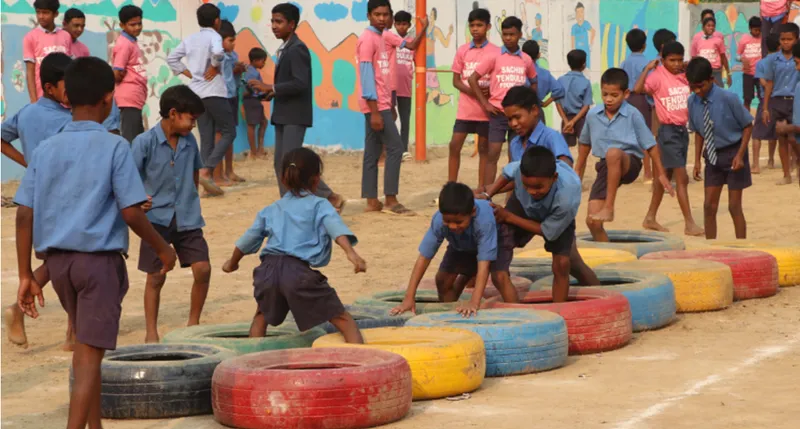
The Maidan Cup is a joint initiative of the Sachin Tendulkar Foundation and the Mann Deshi Foundation, supported by district authorities and the Chhattisgarh government. Together, they are transforming 50 barren plots into fully functional playgrounds across 50 villages in Dantewada, Maharashtra, turning unused land into vibrant community spaces for children.
Unlike traditional top-down development models, the Maidan Cup is designed to be deeply participatory. Village communities are directly involved in building these playgrounds, ensuring that the spaces reflect local needs and ownership. With residents shaping the effort, the project is poised to create long-term impact that extends far beyond the physical fields.
At its heart, the Maidan Cup is about making sports accessible to every child. Its origins lie in the Mann Deshi Foundation’s Travel Coach Programme, which has trained government school teachers across India, particularly in Maharashtra, to become certified sports coaches. This approach of building human capacity at the grassroots level is now being replicated in Dantewada to ensure consistent coaching, mentoring, and community engagement.
By combining infrastructure development with coach training, the initiative is creating a sustainable model: new playgrounds supported by local coaches who can guide children, encourage participation, and nurture emerging talent.
Play and Shine Foundation
Play and Shine Foundation was co-founded by rifle shooter Priyal Keni along with fellow shooter Sarthak Vani to build a sports culture in underprivileged government schools in Maharashtra.
The foundation is deeply rooted in social development and combines sports training with mentorship, emotional support, and community engagement.
It conducts weekly sports sessions in schools that otherwise don't have proper sports infrastructure. What began informally later became an organised structure, with Keni and Vani volunteering (along with other athletes) and professional support from a psychologist and physiotherapist.
During the COVID-19 pandemic, it pivoted to online sports education, introducing students to more than 15 sports, along with yoga and meditation. This helped underprivileged children gain sports exposure even under lockdown.
Through their work, Keni and her team hope not just to coach children in sport, but also to foster physical literacy, confidence, and life skills through sport.
(The story has been updated to correct a change in name of the initiative.)
Edited by Megha Reddy