



SheSparks at TechSparks, women Kho Kho World Cup champions and a collective empowering women–our top stories of the week
A roundup of the top stories on HerStory this week


SheSparks, YourStory’s flagship event for women, shone at TechSparks 2025 through a special booth that featured a range of activities for women attendees. TechSparks by YourStory is India’s most influential startup-tech conference.
From pop up micro master classes by experts in diverse domains to spot contests and one-on-one conversations, the SheSparks booth built an interesting curtain raiser for the event that is scheduled to be held in March 2026.
Read all about it here.
Here are our other top stories of the week…
All in the game
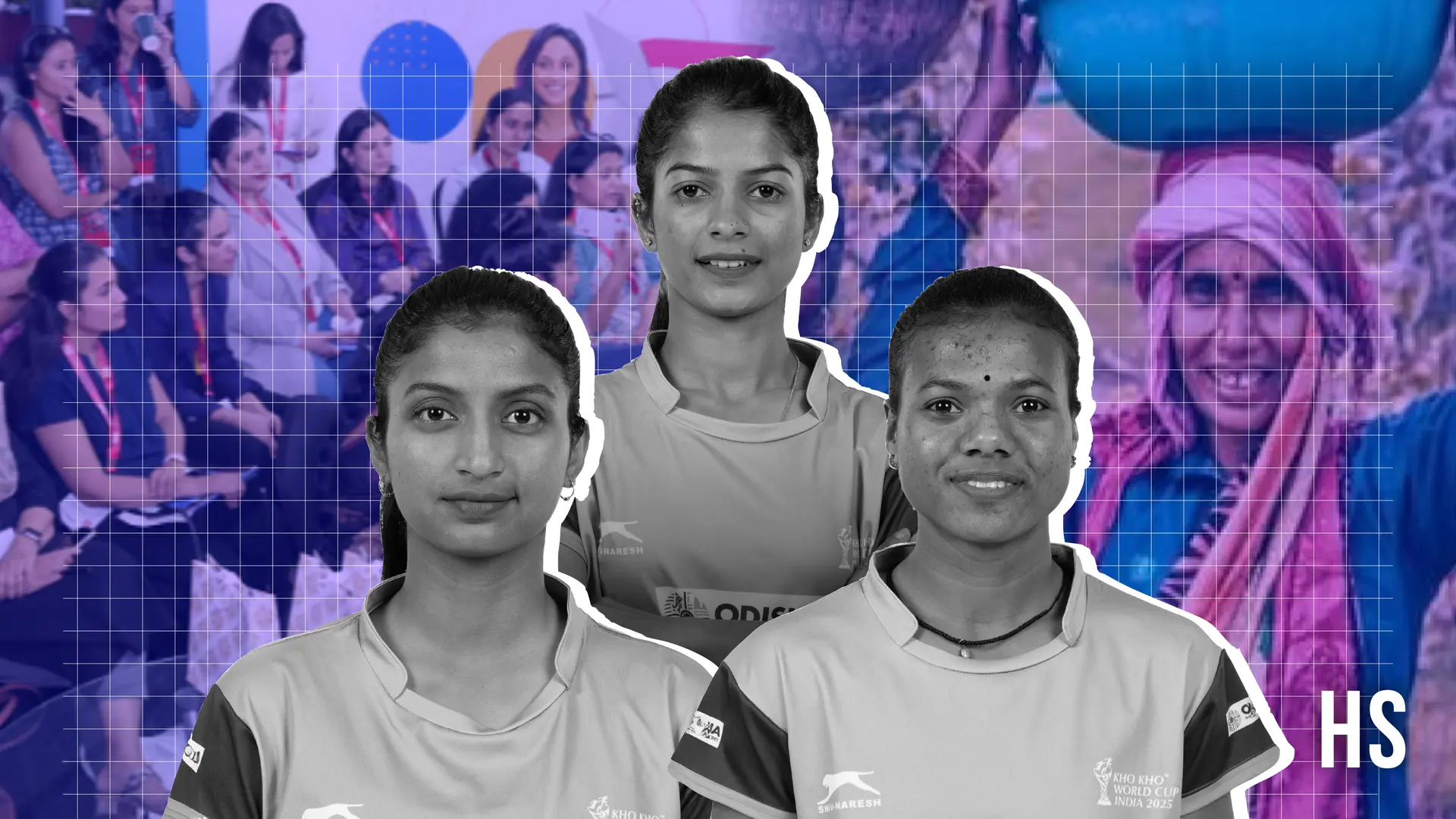
Indian women were crowned champions in the first Women’s World Cup Kho Kho tournament held in January this year. The kho kho champions, from far flung and remote regions of the country, battled challenges like patriarchy and biases to make it big in a traditional and indigenous sport.
Nirmala Bhat is the only woman from Rajasthan to play kho kho internationally. Priyanka Ingle, the captain of the winning team, talks of her mother facing taunts from the community who questioned why her daughter played in shorts. Twenty-year-old Magai Majhi from Odisha dreams of a fulfilling career in the game. Their stories reflect courage, determination, and change.
Empowering women to lead from ground up
Maharashtra’s drought-prone districts have quietly witnessed a powerful grassroots movement led by single women, widows, abandoned women, and those who never married, who have come together to form Ekal Mahila Sangathans. For women who were once socially invisible and economically vulnerable, these collectives have become lifelines that help them navigate the state’s complicated welfare systems, secure pensions, access land rights, and build small but steady livelihoods.
What began as a support network has evolved into a powerful platform for leadership and systemic change. With organisations like CORO guiding them, women’s collectives now take on local bureaucracy, push for MNREGA work, revive water bodies, and demand accountability from officials.
Leaders like Chitra Tai mobilise hundreds of women to execute community projects and fight for their rights. Beyond economic empowerment, the sangathans are reshaping local social norms, women attend meetings, speak up in offices, and show up for each other in moments of crisis.
Making jobs fair, safe and sustainable for women
The Indian government has set an ambitious goal to raise the female labour force participation rate (FLFPR) to 55% by 2030. As of FY 2023–24, the FLFPR stood at 41.7%, up significantly from 23.3% in 2017–18. This uptick underscores how women’s economic engagement is increasingly seen as a driver of national growth, particularly since more than 65% of India’s population is under 35.
Several states are already making visible progress. For instance, Uttar Pradesh raised women’s participation from 14% to 36% between 2017–18 and 2023–24 by enabling night shifts, expanding self-help groups (SHGs), and promoting registration on the e-Shram portal. Meanwhile, Kerala’s childcare infrastructure and women-led cooperatives through Kudumbashree, Tamil Nadu’s Mahalir Thittam linking SHGs to credit and entrepreneurship, and Odisha’s Mission Shakti mobilising over 70 lakh women, are all examples of state-led, women-centred pathways.
However increasing the numbers is not enough—quality and sustainability of work matter. Experts recommend a range of solutions, including formalising the care economy, investing in childcare and elder care, promoting flexible and remote work, and improving workplace safety.
Edited by Megha Reddy