


India’s top city for women, STEM education for rural girls and a craft that empowers—our top stories of the week
A roundup of the top stories on HerStory this week.

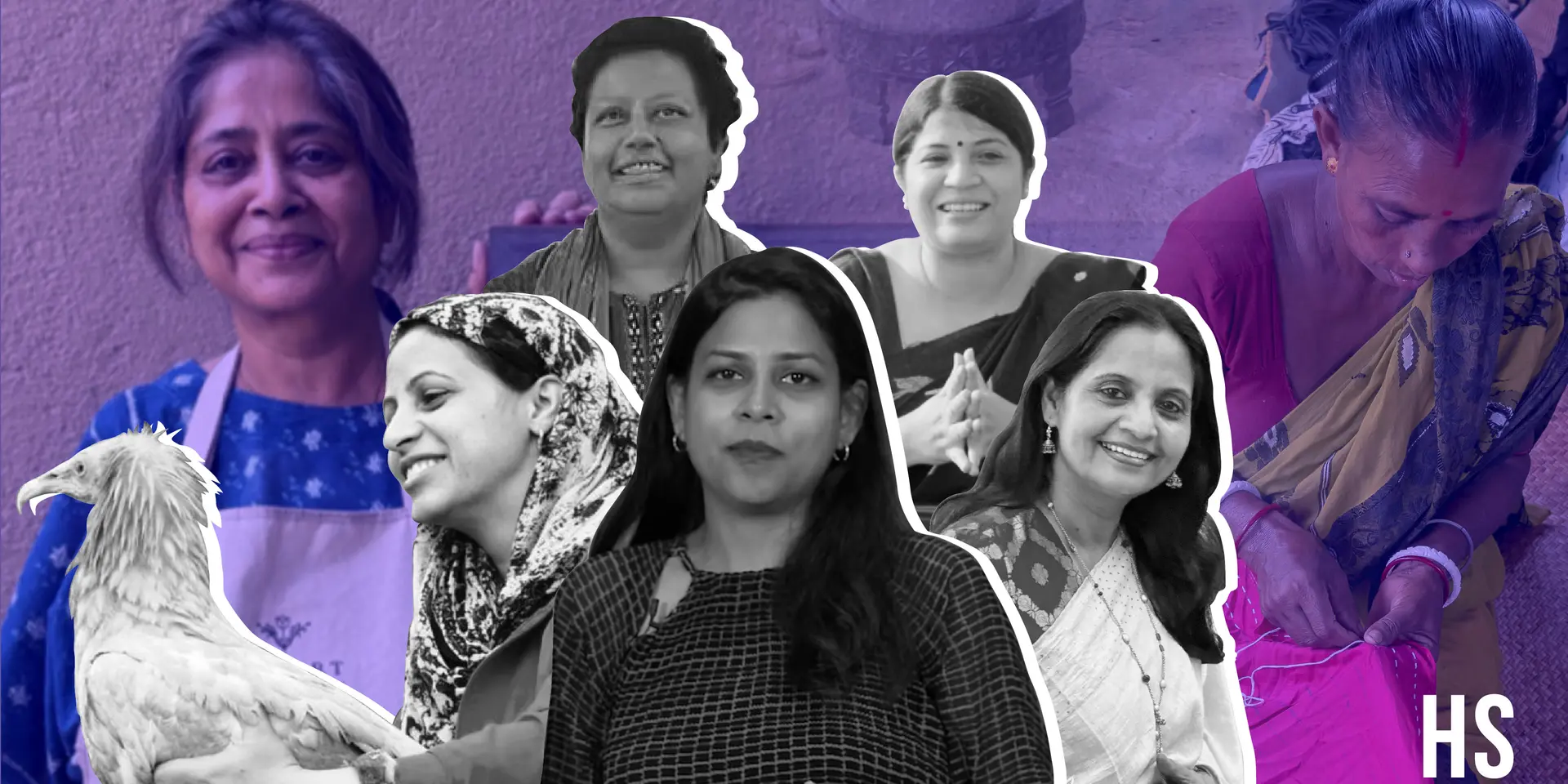

Bengaluru’s top ranking in the Avtar Group’s latest Top Cities for Women in India report is a reflection of how the city shows up in everyday life for working women. Whether it’s access to diverse jobs, relatively better workplace policies, or simply the presence of networks that help women grow and stay in the workforce, Bengaluru seems to get the basics right.
The report, which studied 125 cities, looks not just at jobs but also at safety, mobility, and liveability—because for women, careers don’t exist in isolation. And that balance is what keeps Bengaluru consistently ahead of the pack.
Here are our other recent top stories…
STEM education for rural girls
India has a strong pipeline at the undergraduate level, with 43% of STEM students being women, most of them enrolled in science programmes. But that promise fades quickly after graduation. Women’s participation drops to around 15% at the postgraduate level, and falls further to below 14% in the workforce.
Even that 14% doesn’t tell the full story. The numbers are heavily propped up by IT, where women make up nearly 30% at the entry level, masking the far lower representation in fields like physics, mathematics, and the pure sciences. It was this gap that led to a radical question: what if India’s remote colleges could double up as research hubs—deeply connected to their communities, much like leading institutions abroad? VigyanShaala, founded by Darshana Joshi and Vijay Venugopalan, addresses these through two inter-connected programmes: STEM Champions and Kalpana She for STEM, which opens pathways for girls in rural colleges.
A stitch in time
In Nanoor, a small village near Santiniketan, kantha embroidery was traditionally a quiet, domestic craft born out of reuse and necessity. Tajkira Begum reimagined this everyday practice into a women-led enterprise—one that carries collective memory, restores dignity, and creates sustainable income well beyond the home.
Begum grew up in Nanoor, near Santiniketan, and has lived there all her life. In her early years, kantha was not a product but a part of domestic life born out of thrift and necessity. Old clothes were layered and stitched into quilts for warmth, for guests, or as parting gifts, and every girl was expected to know handwork and carry kanthas as part of her wedding trousseau.
What began as survival stitching inside homes sustains a women-led social enterprise involving more than 300 artisans from Nanoor and nearby villages, producing kantha-embroidered dupattas, stoles, wraps, and home furnishings for urban Indian and international markets.
A love for art
Neena Singh spent more than three decades in the Indian Revenue Service, rising to the rank of Director General of Vigilance and earning a reputation for integrity and discipline. Alongside her bureaucratic career as an IRS officer, Neena Singh has nurtured a lifelong love for art—that found full expression in her paintings.
What began almost instinctively during difficult personal moments evolved into a powerful creative voice, with her first exhibition, Serendipity, held in 2006 at Mumbai’s Jehangir Art Gallery. Since then, she has become a gallery-represented artist with more than 15 solo shows to her name, engaging audiences both in India and internationally.
Women in wildlife conservation
Women have long played a central role in wildlife conservation as caregivers, community leaders, scientists, and frontline workers to protect forests, wetlands, grasslands, and coastlines. Their work is deeply rooted in lived experience, shaped by an everyday understanding of shared landscapes and environmental change.
Today, many women are stepping into roles once considered inaccessible: from forest patrols and wildlife research to grassroots leadership against poaching and habitat loss. Working closely with local communities, they prioritise coexistence over conflict. Here are some women leading from the forefront of wildlife and environmental conservation.
Edited by Megha Reddy